


Green Enamel Decorative Bowl
These green enamel decorative bowl pieces span centuries of craftsmanship, offering vibrant colour and intricate design to collectors.
Green Enamel Decorative Bowl
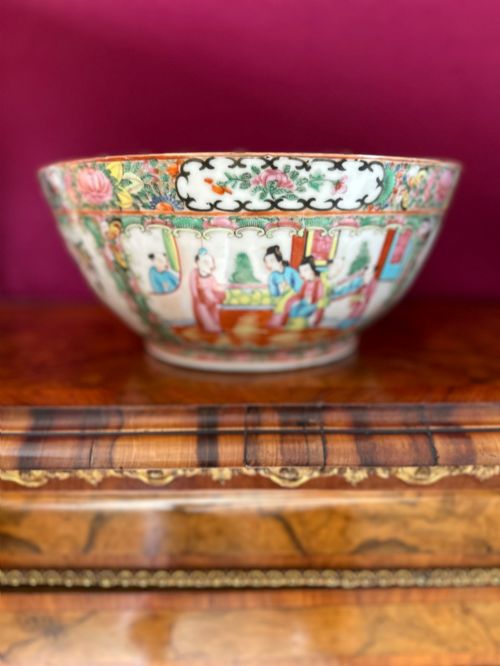
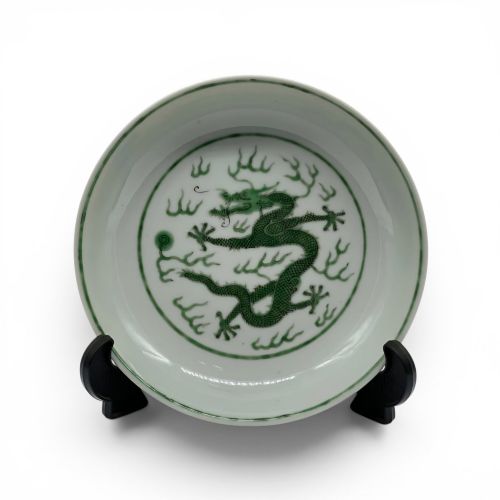
A green enamel decorative bowl brings together centuries of global artistry, spanning Japanese Meiji period cloisonné, Chinese porcelain, and Victorian European metalwork. When searching for a green enamel decorative bowl, buyers encounter everything from large chargers to intricate lidded vessels and heavy onyx centrepieces.
The selections on this page range from late seventeenth-century Arita porcelain dishes to early twentieth-century Scottish glass and nineteenth-century French champlevé creations. Each green enamel decorative bowl reflects the distinct aesthetic priorities of its era and origin, whether Asian export wares or European decorative arts.
What Varies in Quality
Quality in these pieces rests upon the precision of the wirework in cloisonné and the clarity of the enamel glaze free from excessive pitting or clouding. Superior examples display balanced compositions and crisp botanical or animal motifs.
In mixed-media objects, the weight and finish of the gilt bronze or green onyx mounts distinguish finer workshop output from simpler production. The refinement of the hand-painted details on porcelain surfaces similarly marks the distinction between standard trade wares and imperial-style commissions.
The current selection includes pieces spanning from the late seventeenth century through the early twentieth century, featuring materials such as porcelain, green onyx, and cloisonné enamel.
The Green Enamel Decorative Bowl Glossary
- Cloisonne Enamel
- A metalwork technique where thin metal wires are soldered to a metal base to create compartments filled with enamel paste. This method allows for intricate pictorial designs on vessels and chargers.
- Champleve Enamel
- A technique where troughs or cells are carved into the surface of a metal object and filled with enamel before firing. It produces deep, rich patterns often seen on nineteenth-century French decorative items.
- Charger
- A large ornamental plate or dish primarily used for display rather than dining. These pieces often feature complex central motifs and detailed border work.
- Centrepiece Bowl
- A large vessel designed to sit prominently in the middle of a table or surface. Such pieces frequently incorporate heavy mounts of gilt bronze and stone.
- Aka-e
- Japanese painted red decoration on porcelain, often combined with other colours and gold. It characterises certain late seventeenth-century Arita wares.
Green Enamel Decorative Bowl: Frequently Asked Questions
How were decorative bowls used historically?
Historically, large dishes and chargers served primarily for display on sideboards or tables to demonstrate household wealth and taste. Punch bowls and lidded vessels also functioned during formal gatherings for serving food or beverages.
Over time, many of these fragile objects transitioned strictly into decorative roles, prized for their artistic merit rather than utility.
How do I care for an enamel bowl?
Enamel surfaces require gentle dusting with a soft, dry cloth to prevent scratching the vitreous layer. Avoid harsh chemical cleaners and excessive moisture, particularly on pieces with exposed metal wire or bronze mounts.
Display the bowl away from direct sunlight to preserve the vibrancy of the green enamel and prevent fading over the years.
How do I identify the period of a cloisonne bowl?
Period identification relies on examining the weight of the metal base, the thickness of the wire, and the specific tones of the enamel colours used. Earlier Japanese and Chinese pieces often exhibit distinct wire styles and palette choices compared to later Victorian European interpretations.
Signatures or marks on the base, where present, provide further clues to the workshop and approximate date of manufacture.
What is the difference between porcelain and cloisonne bowls?
Porcelain bowls are ceramic vessels shaped from clay, fired in kilns, and decorated with painted glazes or enamels applied directly to the body. Cloisonne bowls are constructed from a metal base, usually copper or brass, decorated with soldered wires and vitreous paste.
While both can feature green enamel elements, their manufacturing processes and material weights are entirely distinct.