55,891  PAGES BROWSED TODAY PAGES TODAY 59 ANTIQUES UPLOADED TODAYNEW ARRIVALS
59 ITEMS ADDED TODAY
Sort Order
Items Per Page
Browse Categories
Sort order
Relevant Links
Items per page
ID #SA1152839
FOR SALE
£2,250
Email
Save
Rare Japanese Cloisonne Enamel Lidded Bowl. Edo Period. Circa 1860.
Dragoncharger Antiques
for sale €2,633     $2,858
£2,250

Dragoncharger Antiques

Sellingantiques Verified Since Aug 2024
View Dealers Stock Page
  • About Us
    Specialising in early japanese cloisonne, edo enamel artisan period.
Id #SA1152839
PDF SHARE
SAVE

Rare Japanese Cloisonne Enamel Lidded Bowl. Edo Period. Circa 1860.

19th century
Description

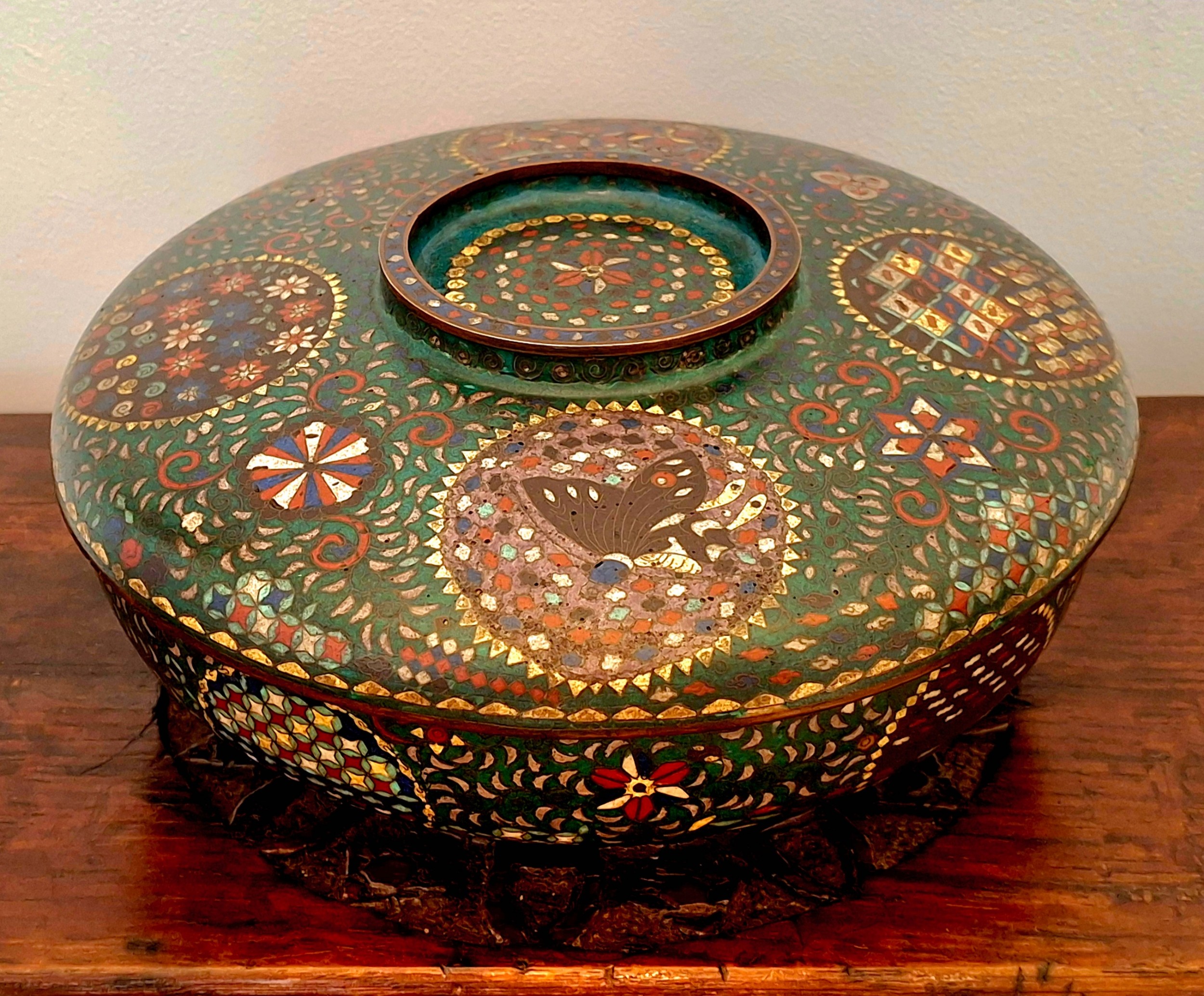
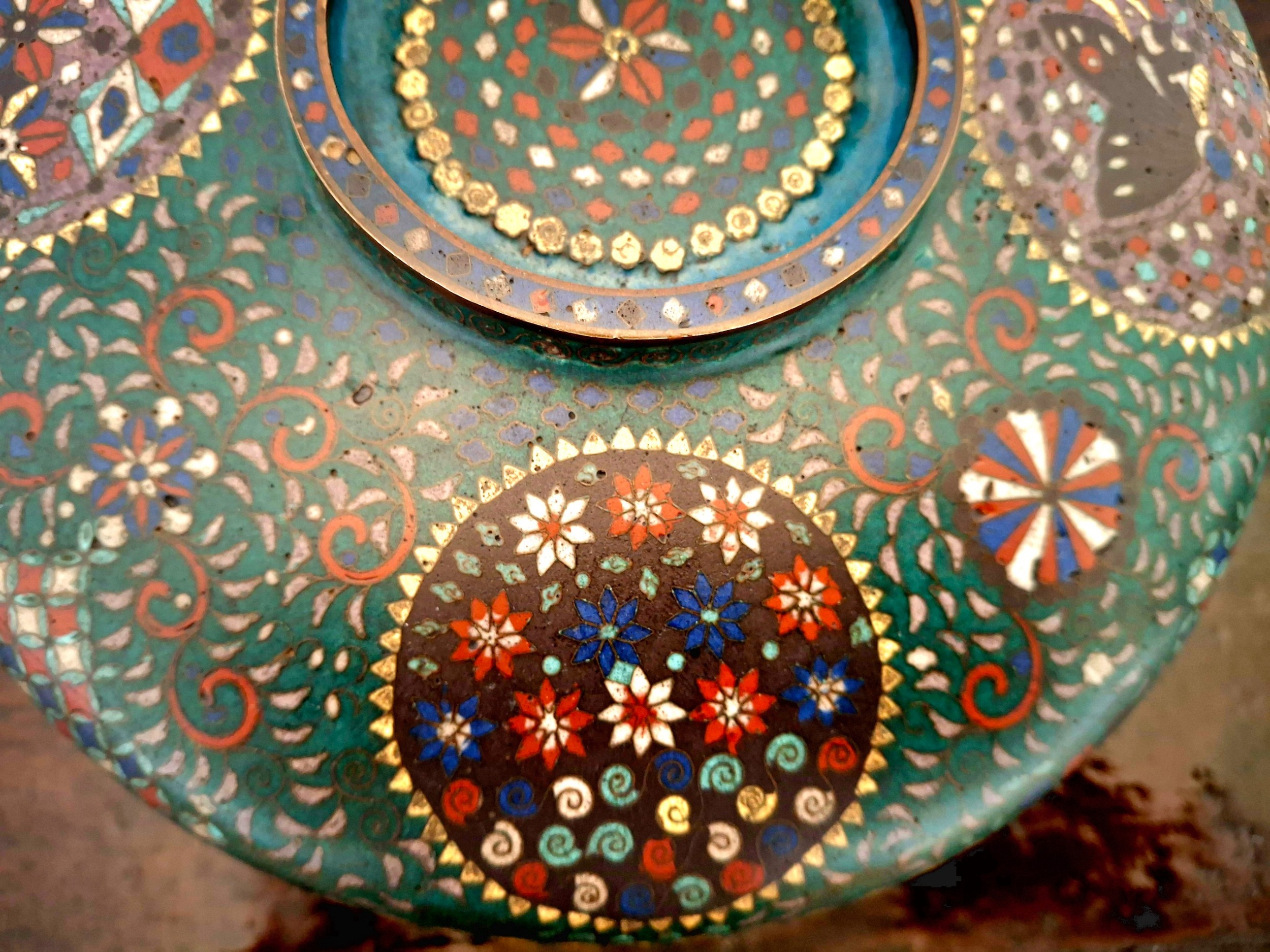
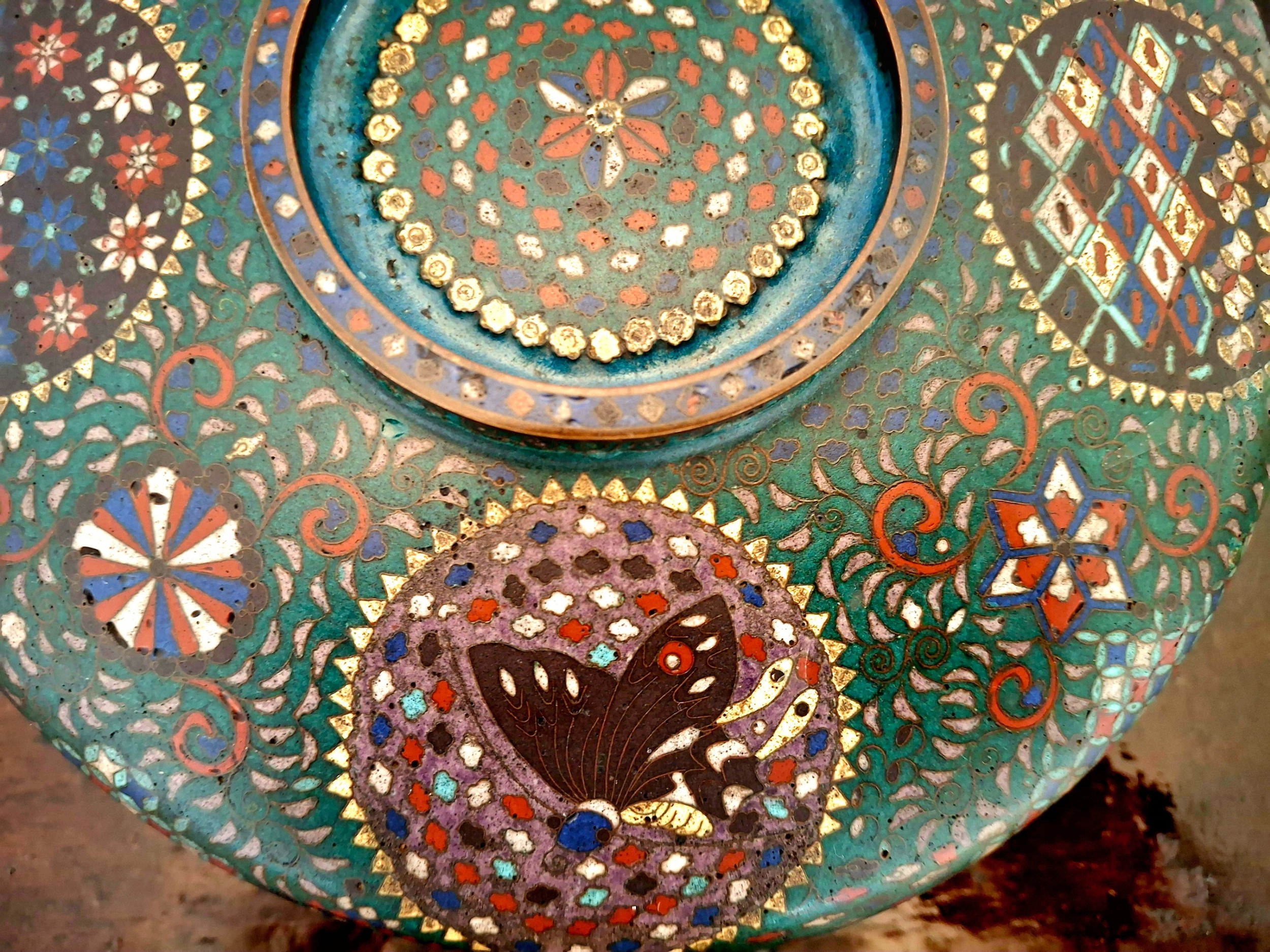
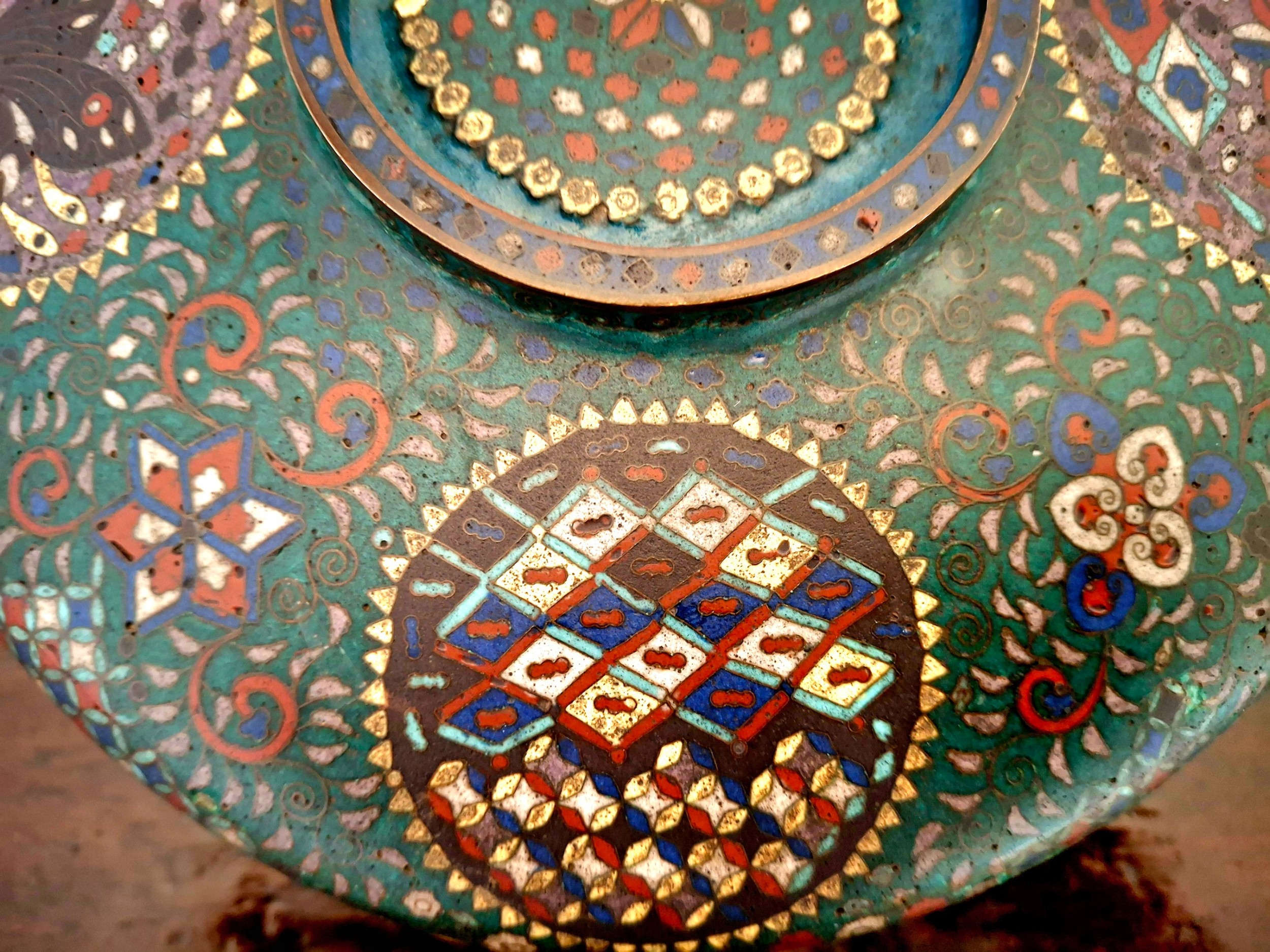
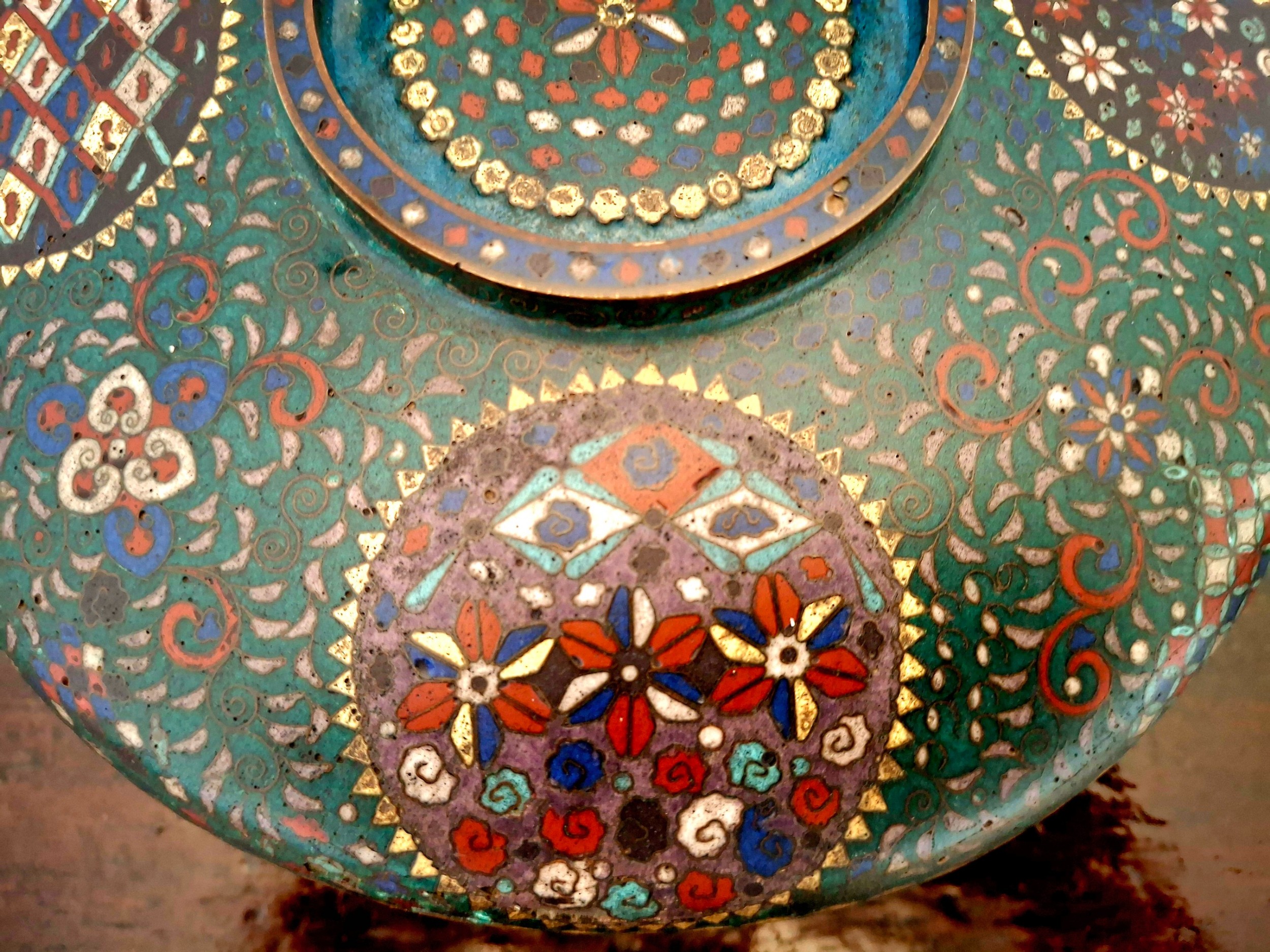
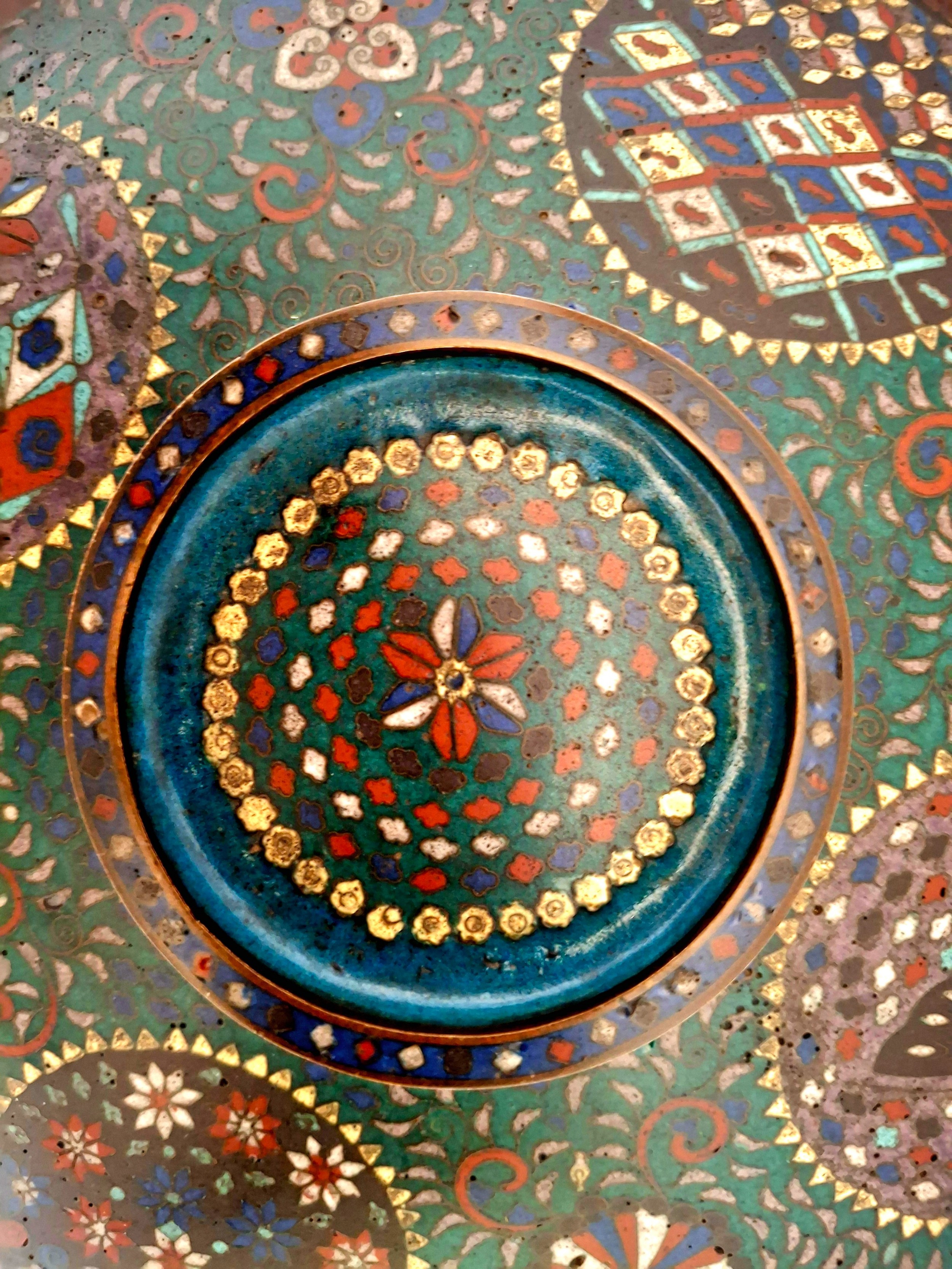
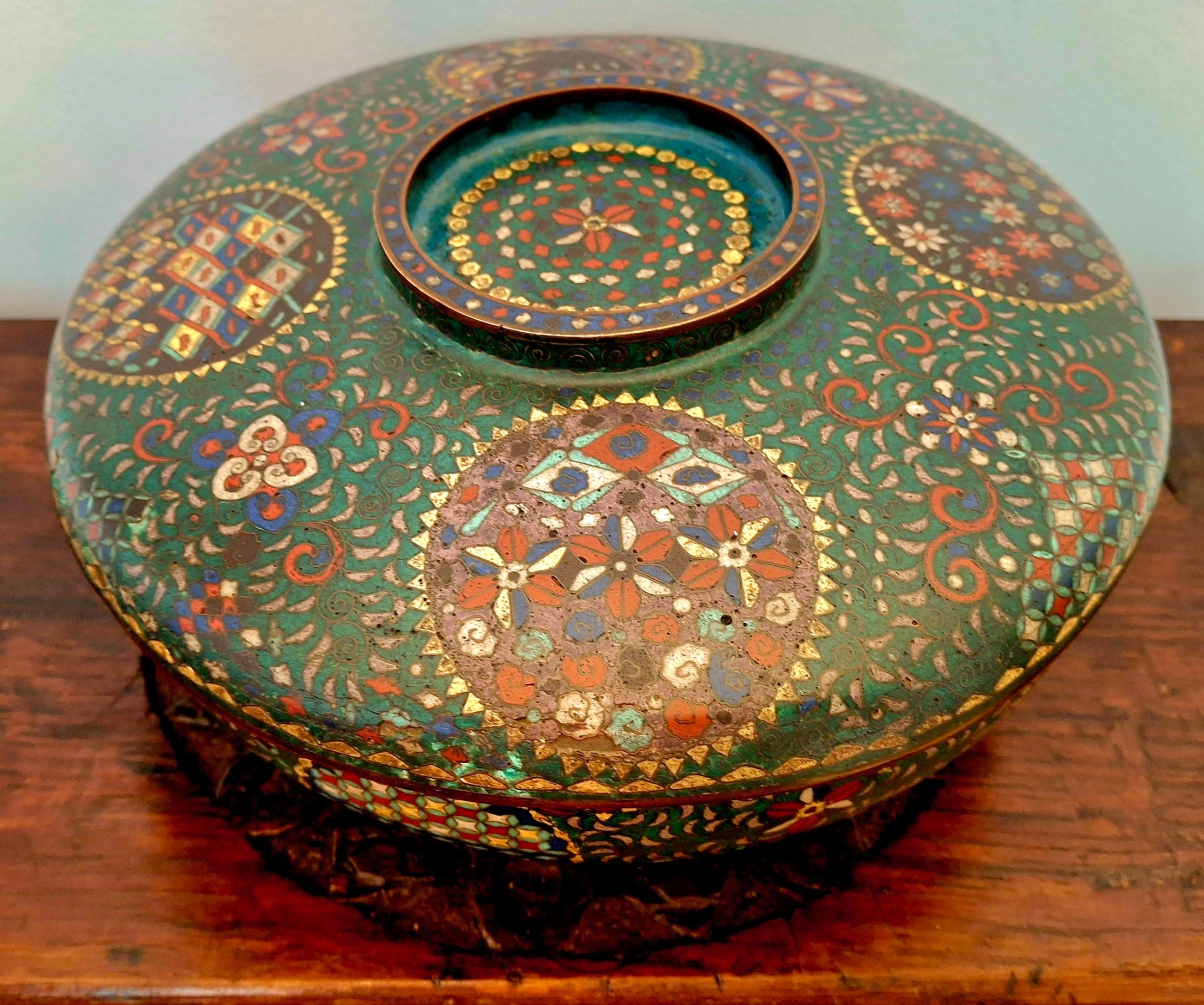
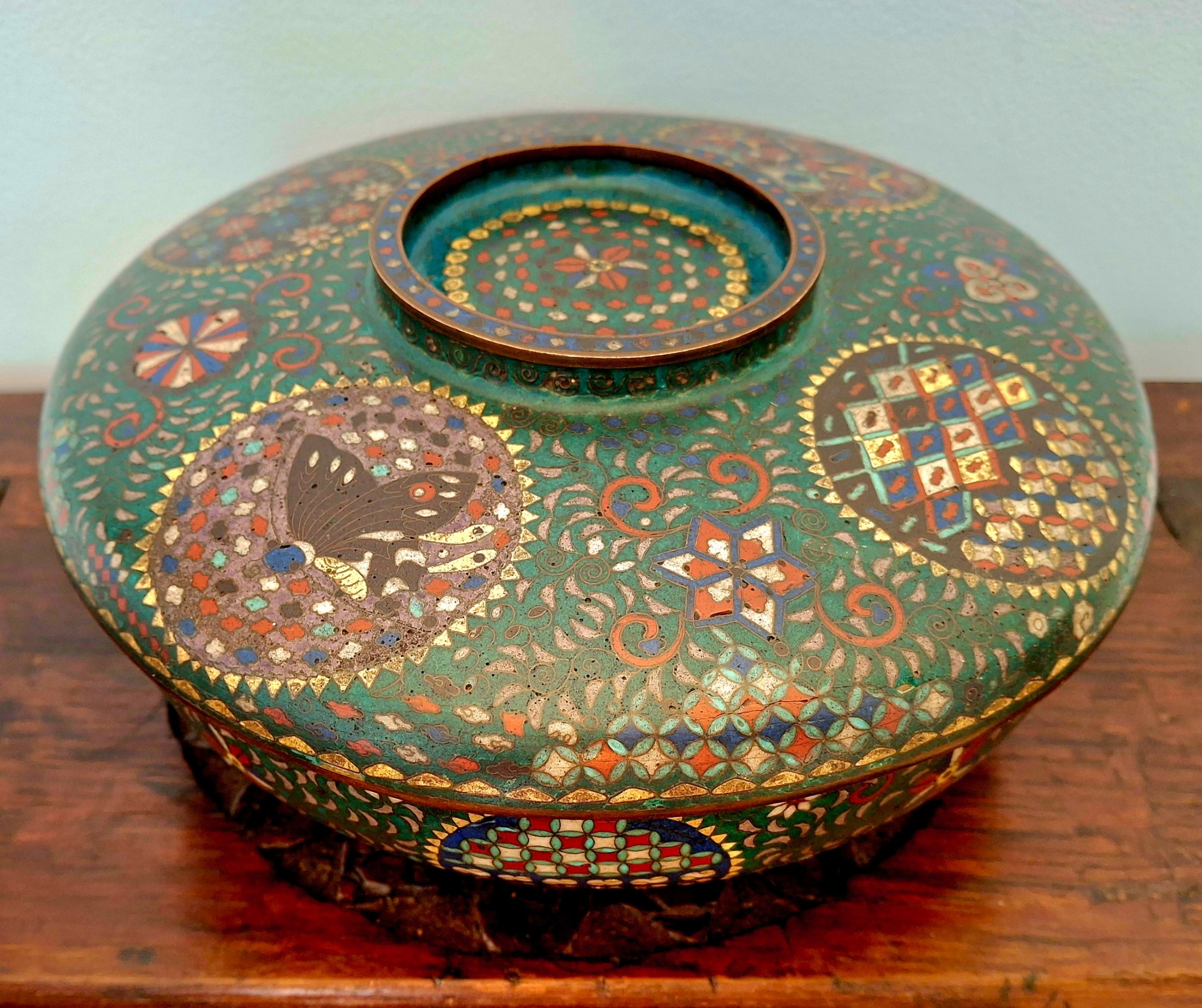
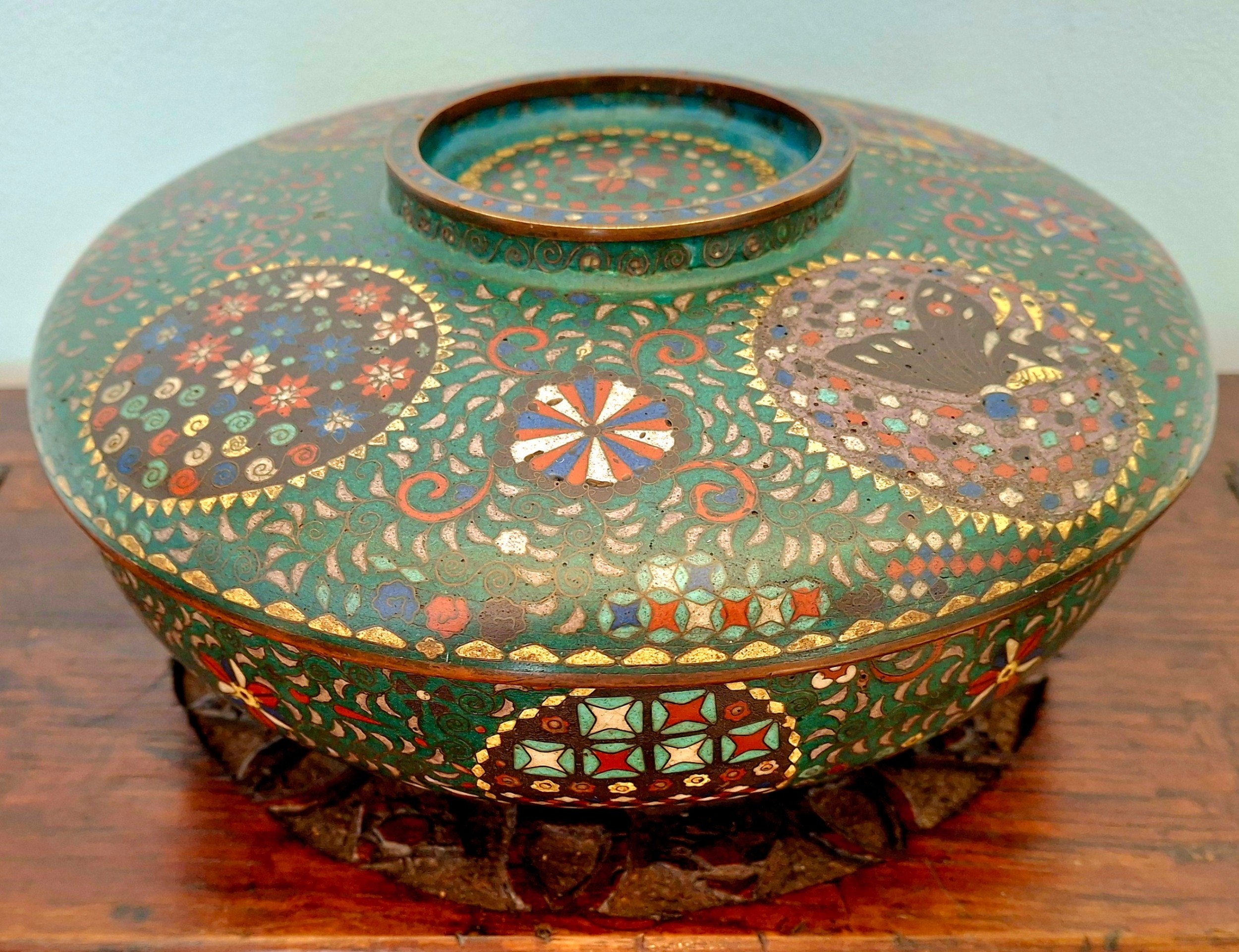
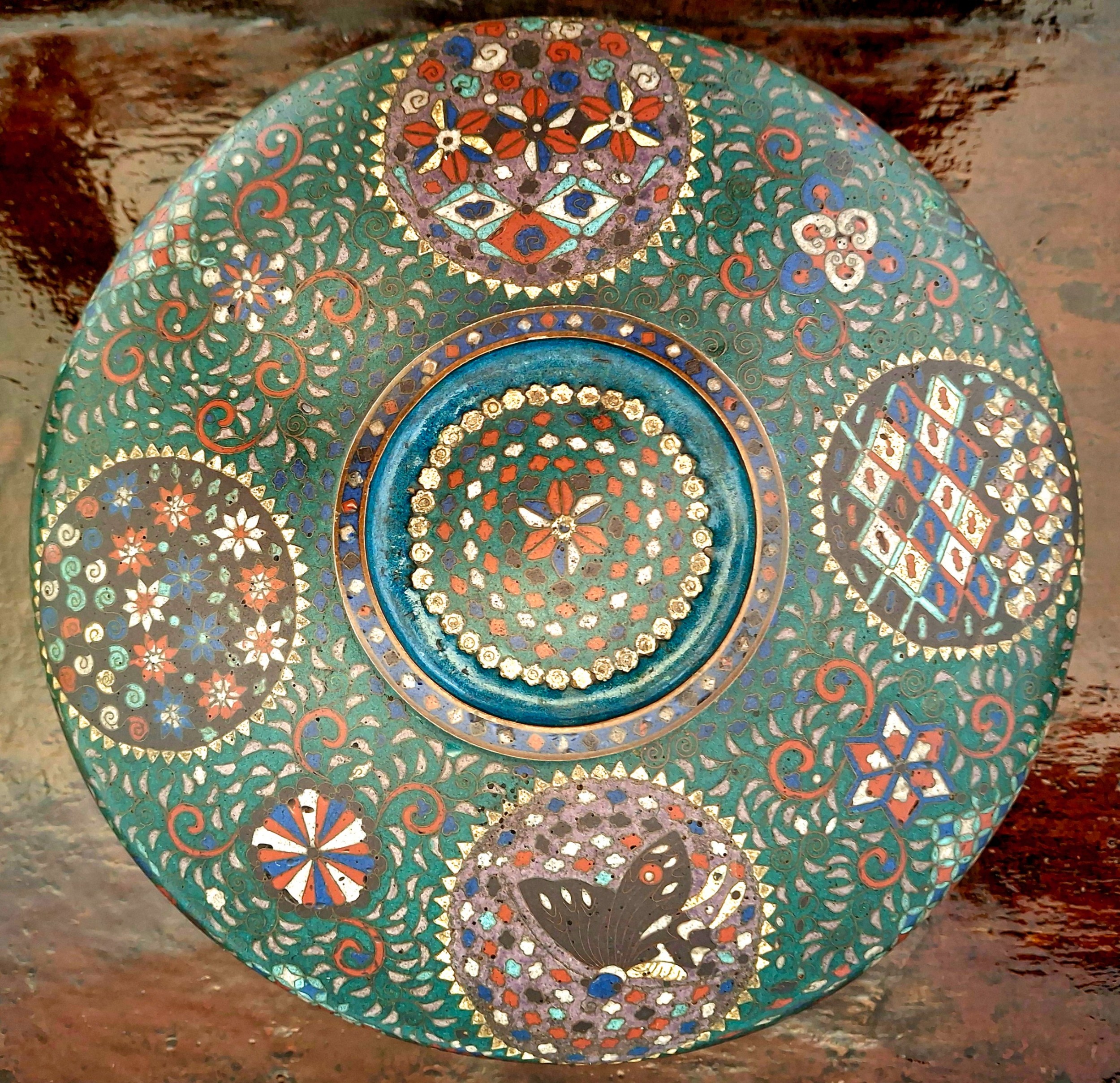
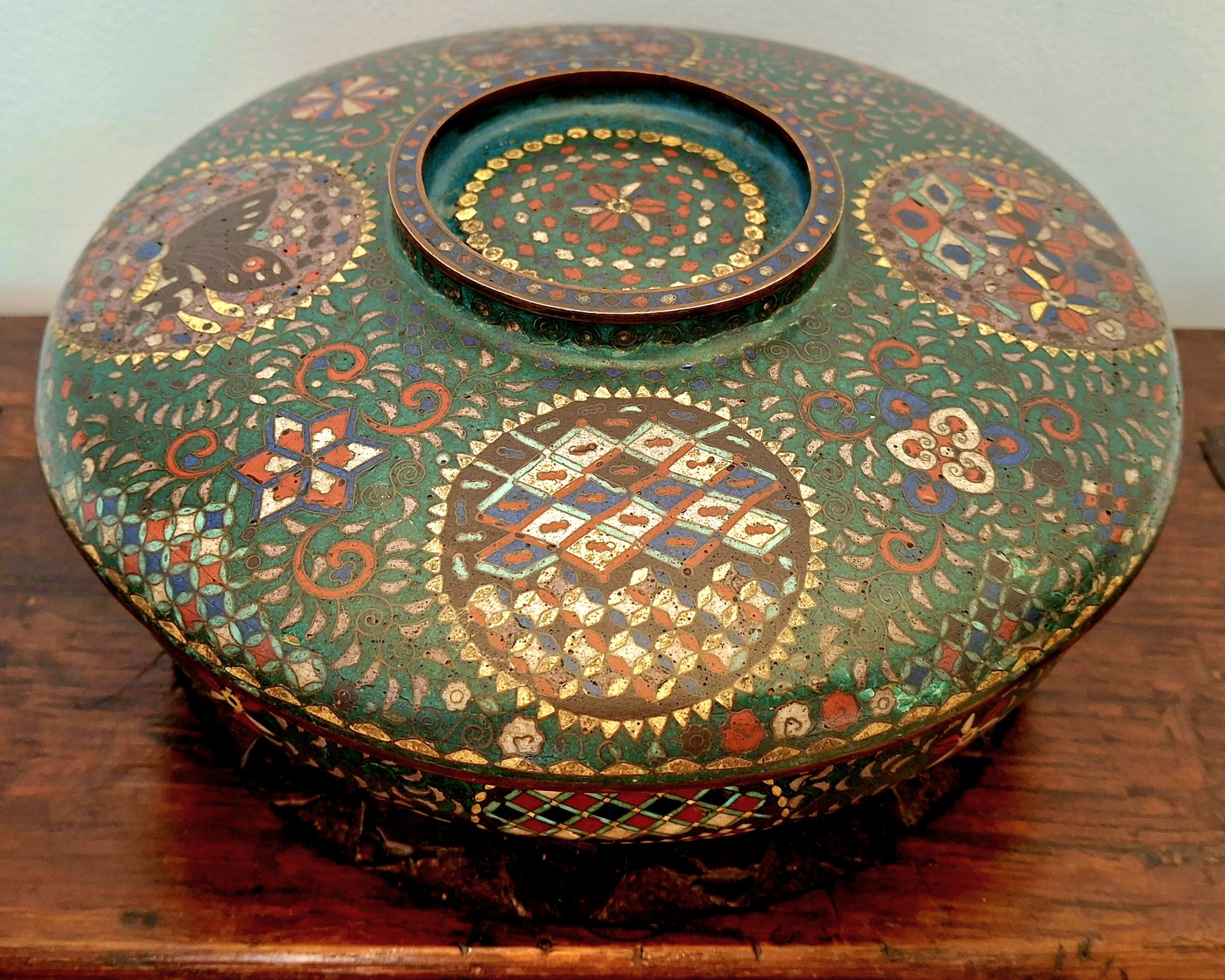
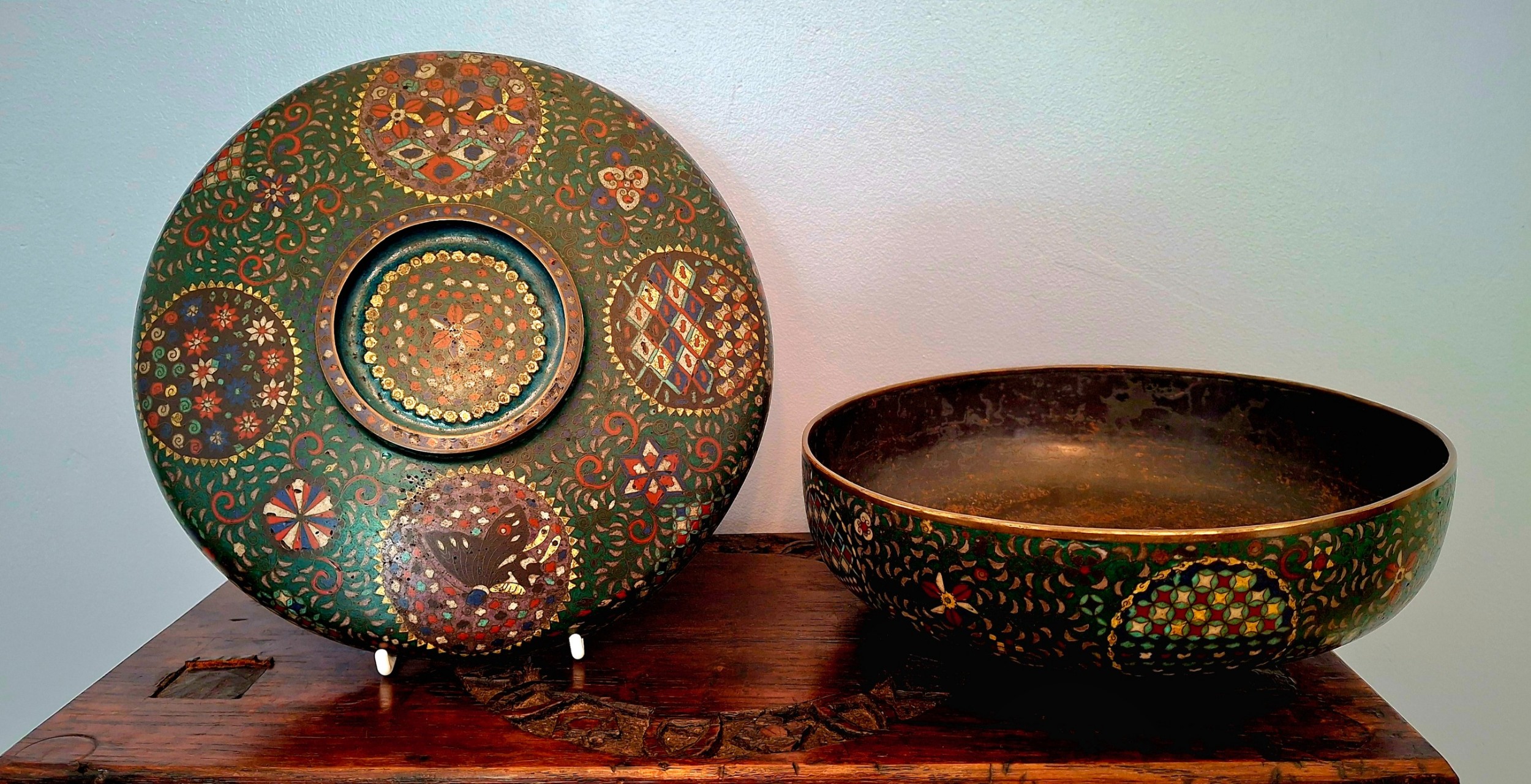
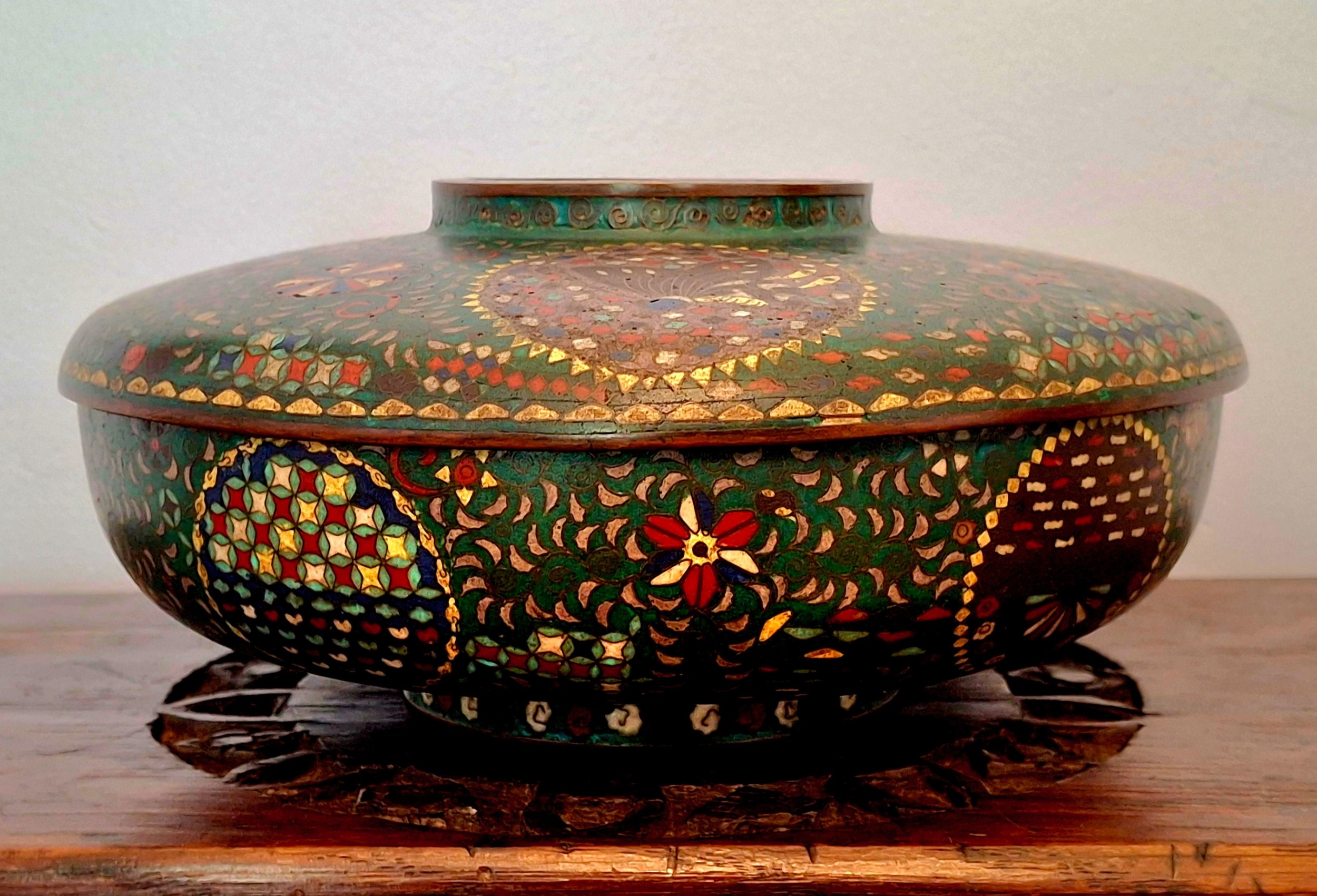
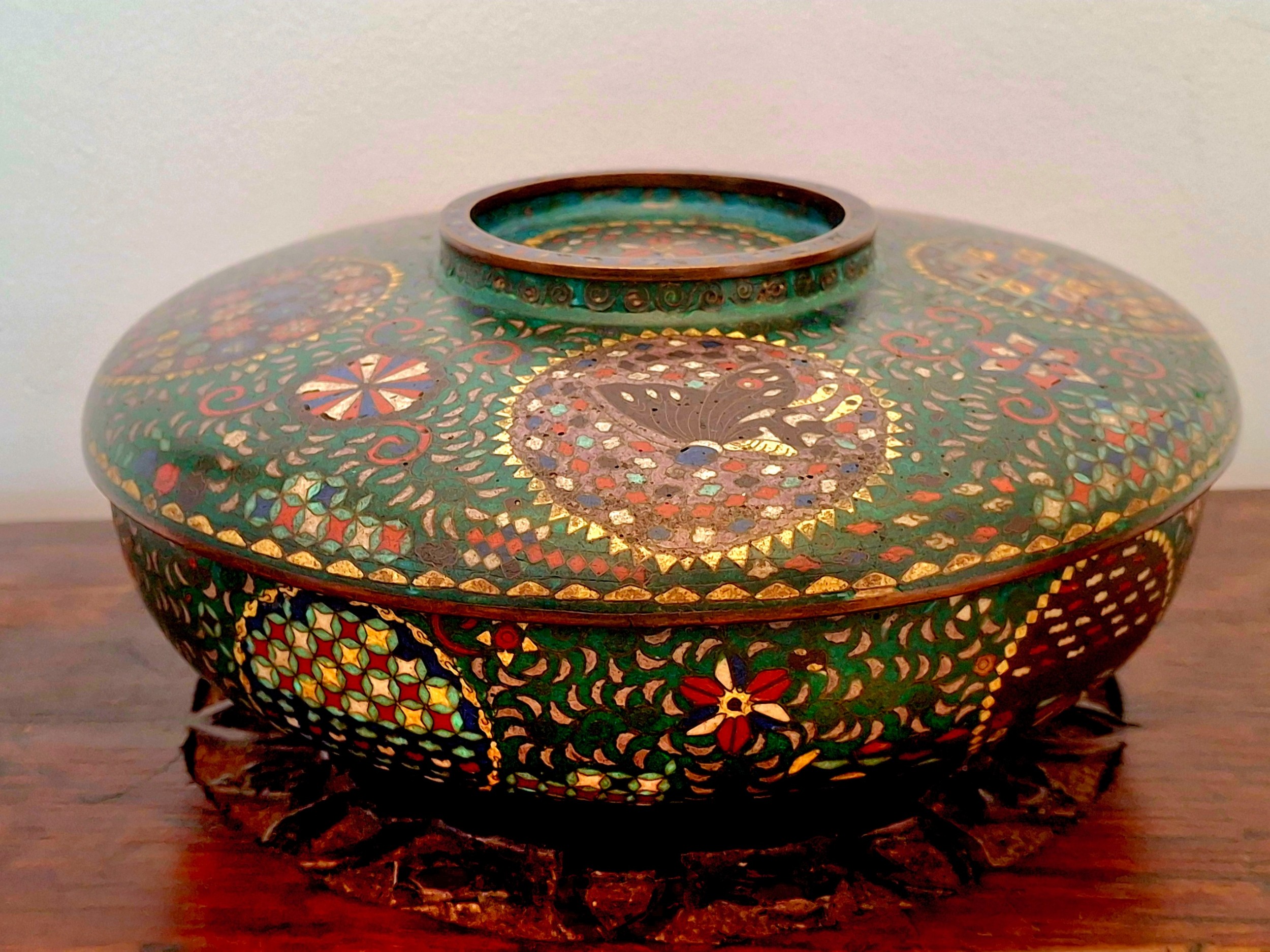
Spectacular and rare Japanese Cloisonne Lidded Bowl, made in Nagoya circa 1860 - late Edo period. Attributed to Kaji Tsunekichi * (1803–83) who was responsible for the renaissance of Japanese cloisonne.

Extremely high-quality cloisonné with brass wire and various coloured enamels. The enamel decoration 'minitiarised' and of similar scale to the finest of cloisonne-enamel 'ojime' detailed bead work.

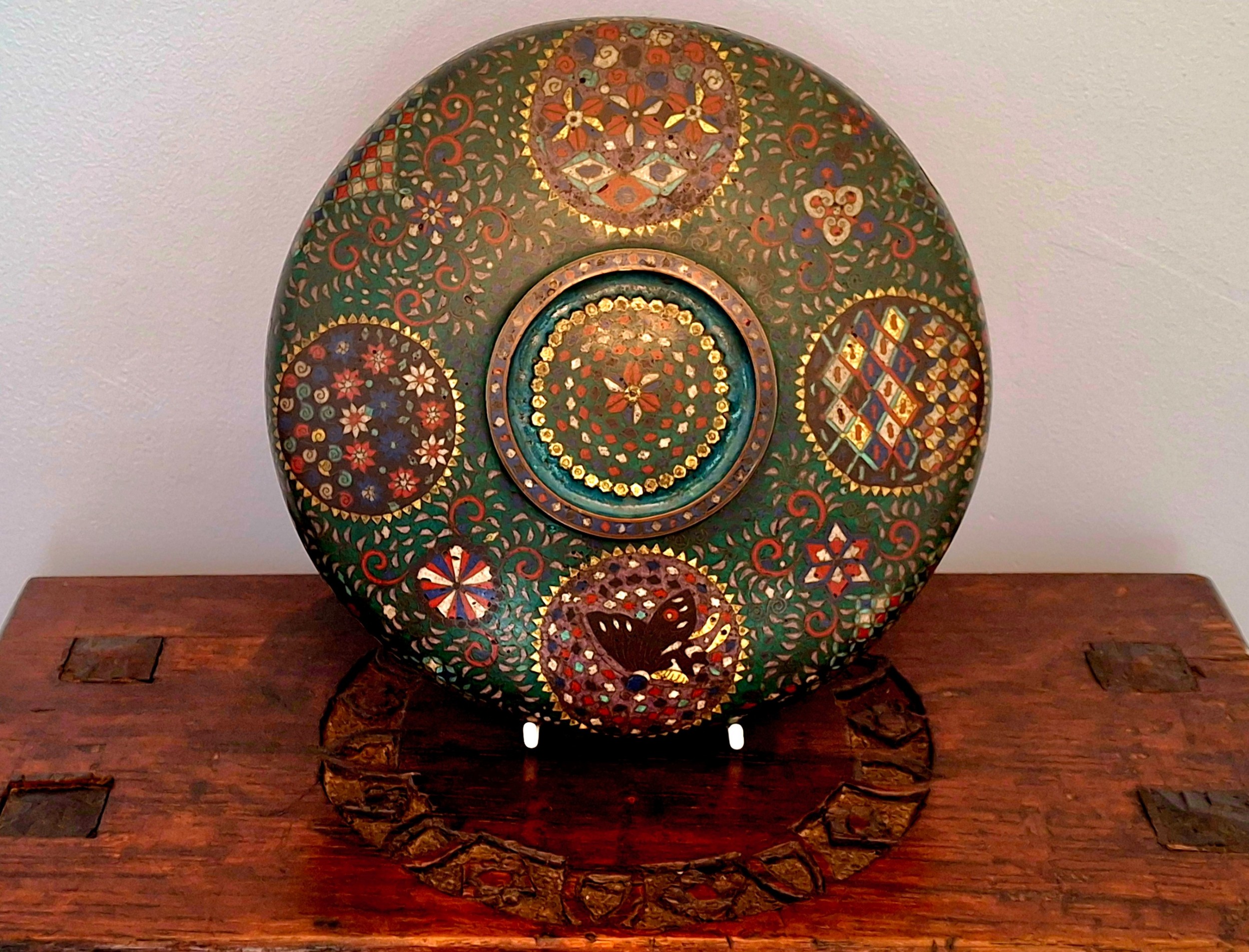
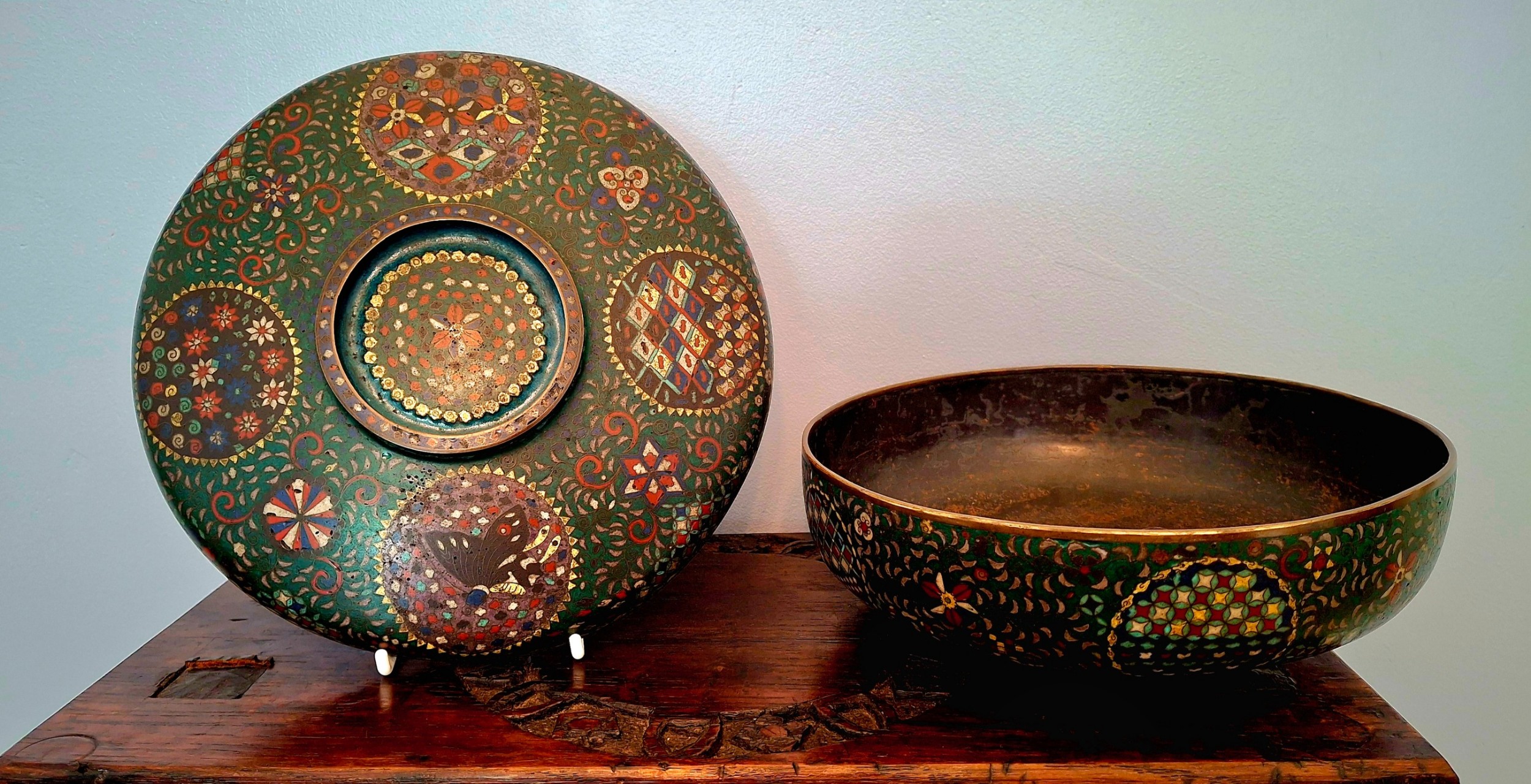
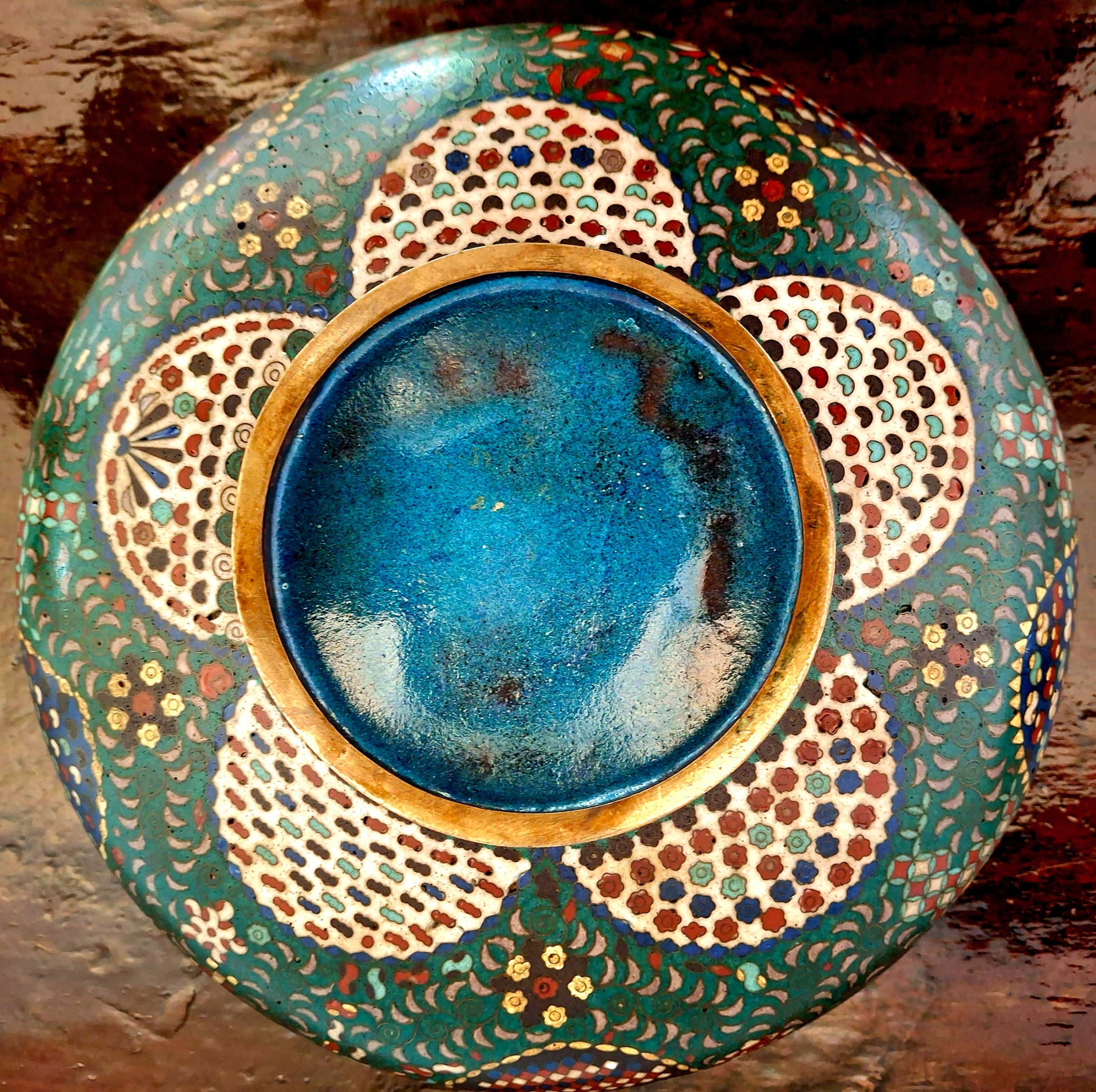
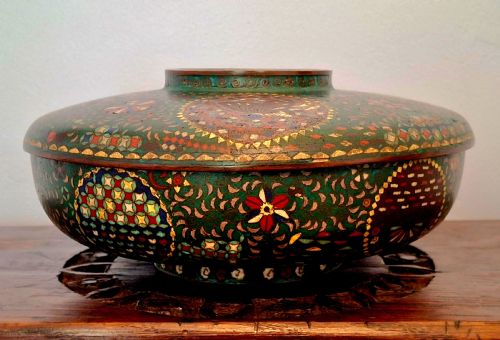
Body is decorated mainly with patterns of Karakusa foliage and Kiku flowers. Circular-shaped panels surrounding the lid and bowl, filled with traditional Japanese geometrical patterns of: Kojitsunagi, Shippo, Asanoha. Foot and pedestal fully decorated with cloud motif. This is a very rare item of finest detail and museum quality. Superb.

Condition: Excellent (no dents or losses).

Dimensions (approx):

Height = 5.5cm

Diameter = 34cm

* In the 1830s, Kaji Tsunekichi of Nagoya obtained a piece of Cloisonné enamel and deconstructed it in order to examine how it had been made. He then reworked the piece to produce a small dish with wired enamel decoration. By the 1850s he had opened a workshop (Nagoya), taken on students and was appointed as the official maker of Cloisonné in the Owari Province.

Physical Dimensions
Height
5.5cm (2.17")
Width
34cm (13.39")
Depth
34cm (13.39")
Declaration

Dragoncharger Antiques has dated this Japanese Cloisonne Lidded Bowl to the 1860s.
Reference Numbers
Sellingantiques Reference
SA1152839
Dealers Internal Reference
D:00940
Description
Spectacular and rare Japanese Cloisonne Lidded Bowl, made in Nagoya circa 1860 - late Edo period.
Attributed to Kaji Tsunekichi * (1803–83) who was responsible for the renaissance of Japanese cloisonne.
Dragoncharger Antiques
fig 1. A circular Japanese Edo period lidded bowl featuring green cloisonne enamel work with floral motifs, butterfly medallions, and brass cloisons.
fig 1. Rare Japanese Cloisonne Enamel Lidded Bowl. Edo Period. Circa 1860.

Extremely high-quality cloisonné with brass wire and various coloured enamels. The enamel decoration 'minitiarised' and of similar scale to the finest of cloisonne-enamel 'ojime' detailed bead work.

Body is decorated mainly with patterns of Karakusa foliage and Kiku flowers. Circular-shaped panels surrounding the lid and bowl, filled with traditional Japanese geometrical patterns of: Kojitsunagi, Shippo, Asanoha. Foot and pedestal fully decorated with cloud motif. This is a very rare item of finest detail and museum quality. Superb.
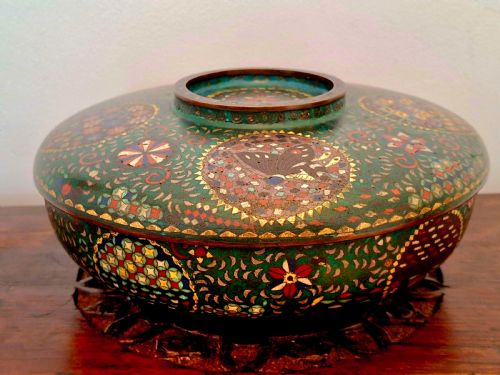
fig 2. A circular Japanese Edo period lidded bowl featuring green cloisonne enamel work with floral motifs, butterfly medallions, and brass cloisons.
fig 2. Rare Japanese Cloisonne Enamel Lidded Bowl. Edo Period. Circa 1860.

Condition: Excellent (no dents or losses).

Dimensions (approx):

Height = 5.5cm

Diameter = 34cm

In the 1830s, Kaji Tsunekichi of Nagoya obtained a piece of Cloisonné enamel and deconstructed it in order to examine how it had been made. He then reworked the piece to produce a small dish with wired enamel decoration. By the 1850s he had opened a workshop (Nagoya), taken on students and was appointed as the official maker of Cloisonné in the Owari Province.

Height
5.5cm (2.17")
Width
34cm (13.39")
Depth
34cm (13.39")
Date of Manufacture

Dragoncharger Antiques has dated this Japanese Cloisonne Lidded Bowl to the 1860s.

Reference Numbers
Sellingantiques Ref
SA1152839
Dealers Internal Ref
D:00940
Dragoncharger Antiques
Sellingantiques verified Since Aug 2024

Specialising in early japanese cloisonne, edo enamel artisan period.

Dealer Profile

You can view the stock and full dealer information on the Dragoncharger Antiques Profile Page
PDF SHARE
SAVE
A circular Japanese Edo period lidded bowl featuring green cloisonne enamel work with floral motifs, butterfly medallions, and brass cloisons.
1 / 17
Archive I A circular Japanese Edo period lidded bowl featuring green cloisonne enamel work with floral motifs, butterfly medallions, and brass cloisons.

Rare Japanese Cloisonne Enamel Lidded Bowl. Edo Period. Circa 1860.
Archive II A circular Japanese Edo period lidded bowl featuring green cloisonne enamel work with floral motifs, butterfly medallions, and brass cloisons. View II
Archive III A circular Japanese Edo period lidded bowl featuring green cloisonne enamel work with floral motifs, butterfly medallions, and brass cloisons. View III
Archive IV A circular Japanese Edo period lidded bowl featuring green cloisonne enamel work with floral motifs, butterfly medallions, and brass cloisons. View IV
Archive V A circular Japanese Edo period lidded bowl featuring green cloisonne enamel work with floral motifs, butterfly medallions, and brass cloisons. View V
Archive VI A circular Japanese Edo period lidded bowl featuring green cloisonne enamel work with floral motifs, butterfly medallions, and brass cloisons. View VI
Archive VII A circular Japanese Edo period lidded bowl featuring green cloisonne enamel work with floral motifs, butterfly medallions, and brass cloisons. View VII
Archive VIII A circular Japanese Edo period lidded bowl featuring green cloisonne enamel work with floral motifs, butterfly medallions, and brass cloisons. View VIII
Archive IX A circular Japanese Edo period lidded bowl featuring green cloisonne enamel work with floral motifs, butterfly medallions, and brass cloisons. View IX
Archive X A circular Japanese Edo period lidded bowl featuring green cloisonne enamel work with floral motifs, butterfly medallions, and brass cloisons. View X
Archive XI A circular Japanese Edo period lidded bowl featuring green cloisonne enamel work with floral motifs, butterfly medallions, and brass cloisons. View XI
Archive XII A circular Japanese Edo period lidded bowl featuring green cloisonne enamel work with floral motifs, butterfly medallions, and brass cloisons. View XII
Archive XIII A circular Japanese Edo period lidded bowl featuring green cloisonne enamel work with floral motifs, butterfly medallions, and brass cloisons. View XIII
Archive XIV A circular Japanese Edo period lidded bowl featuring green cloisonne enamel work with floral motifs, butterfly medallions, and brass cloisons. View XIV
Archive XV A circular Japanese Edo period lidded bowl featuring green cloisonne enamel work with floral motifs, butterfly medallions, and brass cloisons. View XV
Archive XVI A circular Japanese Edo period lidded bowl featuring green cloisonne enamel work with floral motifs, butterfly medallions, and brass cloisons. View XVI
Archive XVII A circular Japanese Edo period lidded bowl featuring green cloisonne enamel work with floral motifs, butterfly medallions, and brass cloisons. View XVII
Enlarged Archival View
Telephone 07974 144321
Location
Bristol
United Kingdom
Verified Since Aug 2024
Items For Sale 150
Items Sold 17
Dragoncharger Antiques
Verified Since Aug 2024
View Dealer Info
Location: Bristol, United Kingdom
Verified
Aug 2024
For Sale
150
Sold
17
A circular Japanese Edo period lidded bowl featuring green cloisonne enamel work with floral motifs, butterfly medallions, and brass cloisons.
Rare Japanese Cloisonne Enamel Lidded Bowl. Edo Period. Circa 1860.
Ref: SA1152839
A circular Japanese Edo period lidded bowl featuring green cloisonne enamel work with floral motifs, butterfly medallions, and brass cloisons.
Detail View 1
Detail View 2
Detail View 3
Detail View 4
Detail View 5
Detail View 6
Detail View 7
Detail View 8
Detail View 9
Detail View 10
Detail View 11
Detail View 12
Detail View 16
Detail View 17
Detail View 18
Detail View 19
Archival Detail
Every single antique dealer on our platform is individually approved by our internal team. We verify their professional trade history, ethical standards, and photographic quality to ensure a secure, high-standard buying environment. Upon joining, every dealer agrees to a strict 9-point code of conduct. While issues can occasionally arise, our dealers typically resolve them swiftly and directly with the buyer. In fact, since our founding in 2002, Sellingantiques has only had to step in to help resolve an issue on roughly five occasions—a true testament to the quality of our dealers and their dedication to your happiness.
Our dealers are highly experienced in packing and shipping fragile, high-value antiques. Because you are in direct contact with the dealer, you will be able to easily go through all available shipping and insurance options together to ensure your item arrives safely.
Antiques are the ultimate green purchase. By choosing historical pieces over newly manufactured goods, you completely eliminate the carbon footprint of modern mass production while preserving exceptional, timeless craftsmanship.

Japanese cloisonne enamel, known natively as Shippo-yaki, is a decorative art technique where metal wires are fixed to a metal substrate to create framed design compartments. These compartments are filled with coloured vitreous enamel pastes, fired in a kiln, and polished flush to create detailed patterns.

Traditional Edo period cloisonne vessels feature a cast or hammered copper or brass base. Thin brass, bronze, or silver wires (cloisons) form the pattern outlines, which are filled with mineral-pigmented glass enamel pastes.

Authentic mid-to-late 19th-century pieces often exhibit heavy brass or copper construction, darker or muted background enamels, slight surface irregularities from hand-polishing, and fine wirework forming geometric roundels or organic motifs.

A cloisonne bowl serves as an accent piece on a dark wood sideboard, console table, or library bookshelf. Placing it as a central decorative object allows the detailed enamel patterns and metal rim to complement both contemporary minimalist and eclectic interior schemes.

Dust the surface regularly with a dry, soft microfibre cloth. Avoid abrasive cleaners, harsh chemical polishes, and water immersion, as moisture can compromise fine cracks or unsealed areas between the enamel and metal wires.
items
Add keywords to the filter
Price
£100
£250000
Era
Movements
Material
Origin
Stock Location
Freshness
Online Payments
Categories