



Green Enamel Decorative Vases
These green enamel decorative vases bring vivid colour and intricate craftsmanship to a room, offering striking focal points for any collector.
Green Enamel Decorative Vases
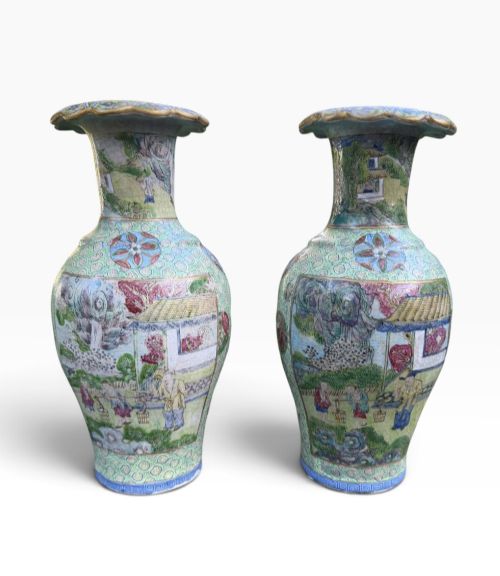
Green enamel decorative vases encompass a diverse range of vessels designed to catch the eye through vibrant coloration and intricate surface work. When searching for green enamel decorative vases, buyers encounter pieces spanning the nineteenth and early twentieth centuries, reflecting varied global aesthetics.
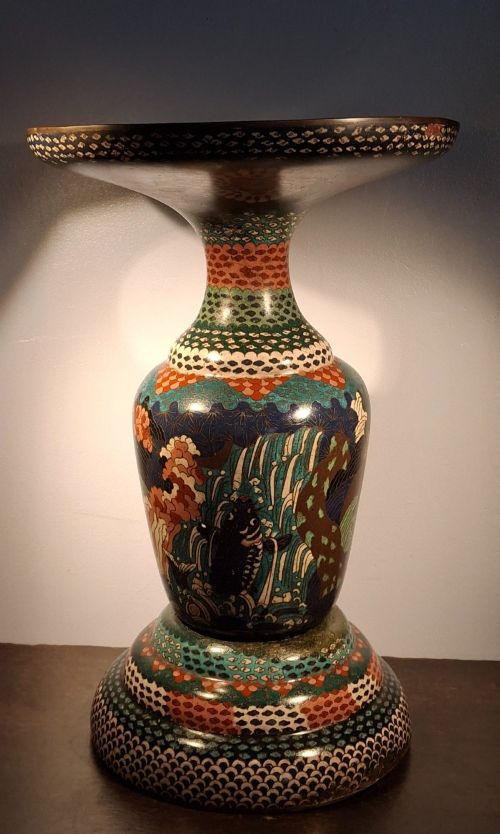
Buyers are most likely to meet Chinese cloisonne and famille verte pieces alongside Japanese cloisonne works and European glass or enamel creations. Each object demonstrates the distinct decorative priorities of its origin, whether through floral motifs, phoenix designs, or naturalistic summer landscapes.
How they were made
Maker techniques rely heavily on the application of coloured enamel to metallic or ceramic bases, often utilising cloisonne wirework to delineate complex patterns. Craftsmen built up cells on copper or brass foundations before filling them with vitreous pastes and firing the pieces to a durable finish.
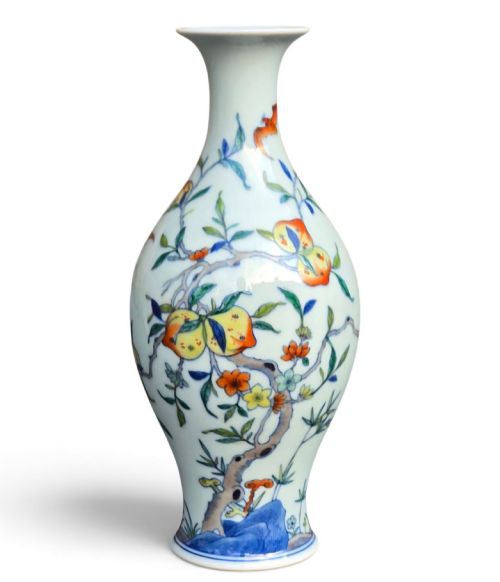
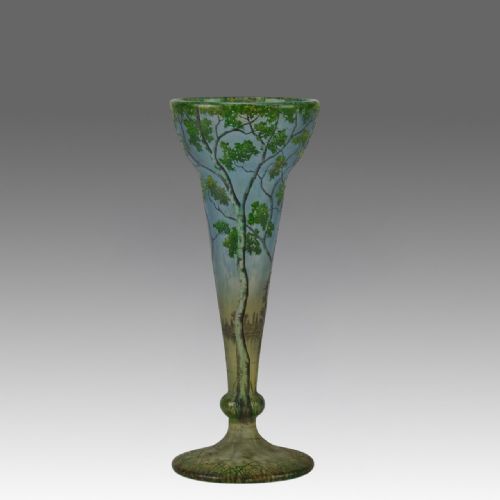
Porcelain and glass pieces employ hand-painted pigments and cameo techniques to achieve their layered green hues. Artisans fused glass layers or applied hand-painted famille rose and famille verte glazes over porcelain bodies before final kiln firings.
Green Enamel Decorative Vases Retail Price Guide 2026
Typical asking prices for green enamel decorative vases among the pieces listed under this phrase on Sellingantiques today, from the lower quarter to the upper quarter. They describe what is for sale here now, not the wider market.
Several towering palace vases reach over ninety centimetres in height, complete with watchful phoenix birds.
What varies in quality
Quality in these vases rests upon the precision of the enamel work and the sharpness of the underlying design. Superior examples display disciplined wirework in cloisonne pieces and finely controlled colour gradients in painted or cameo glass versions.
The scale and ambition of the piece also dictate its standing, with large palace vases and matched pairs demanding greater technical mastery from the workshop. The clarity of the glaze and the complexity of pictorial motifs distinguish finer studio pieces from standard decorative wares.
Daum Freres·Ando
The Green Enamel Decorative Vases Glossary
- Cloisonne
- A decorative technique where metal wire is soldered to a base to create cells filled with enamel paste. This method produces intricate linear patterns across the surface of the vessel.
- Famille Rose
- A palette of Chinese porcelain enamels dominated by opaque pink or rose colours, introduced during the Qing Dynasty. It frequently appears alongside greens and other bright hues.
- Mantle Lustre
- A decorative vase fitted with hanging glass prisms designed to catch and reflect light. These pieces sat upon fireplace mantles in the nineteenth century.
- Cameo Glass
- Glassware formed by fusing layers of different colours and carving away the top layer to create a relief design. This technique allows for detailed multi-coloured landscape scenes.
- Baluster Vase
- A vessel with a rounded body that tapers toward the base and swells near the centre, resembling an architectural baluster. It is a traditional form found across multiple Asian and European periods.
Green Enamel Decorative Vases: Frequently Asked Questions
What periods do these green enamel decorative vases date from?
The pieces span the nineteenth and early twentieth centuries, covering Victorian, Meiji, Edo, and Qing Dynasty periods. This timeframe captures significant shifts in international decorative arts.
Buyers find both European glassworks from around nineteen hundred and Asian cloisonne and porcelain dating back to eighteen sixty.
How were mantle lustres used in nineteenth century homes?
Mantle lustres served as decorative garnitures placed upon fireplace mantles, often arranged as matched pairs. The hanging glass prisms reflected candlelight and daylight to brighten formal rooms.
They functioned primarily as ornamental centrepieces rather than utilitarian flower holders.
What is the difference between cloisonne and painted porcelain vases?
Cloisonne vases use metal wires applied to a copper or brass body to form compartments filled with vitreous enamel paste. The surface is then fired and polished smooth.
Painted porcelain pieces, such as famille verte or rose vessels, rely on mineral pigments brushed directly onto a fired ceramic body before a subsequent kiln firing.
How do I identify Art Nouveau examples in this selection?
Art Nouveau pieces typically feature organic forms, naturalistic motifs, and cameo glass techniques depicting landscapes. Makers like Daum utilised these fluid, nature-inspired designs around nineteen hundred.
They stand apart from the geometric wirework of Japanese cloisonne and the traditional symmetry of Chinese export porcelain.