




Brown Ceramic Vase
A brown ceramic vase brings rich earthenware tones and organic form into a room, spanning periods from Victorian to early twentieth-century art pottery.
Brown Ceramic Vase
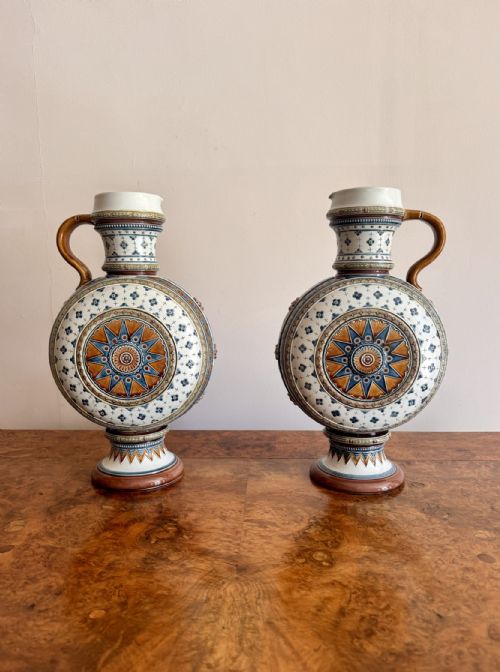
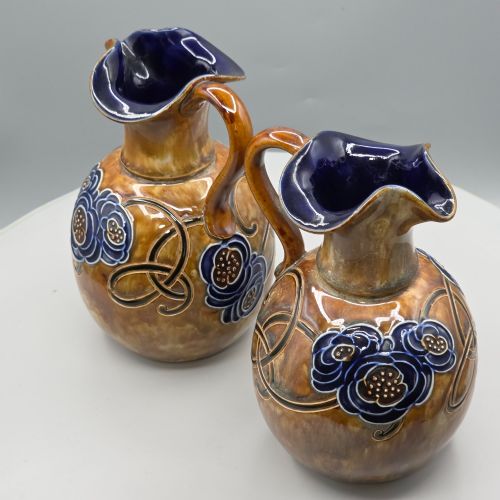
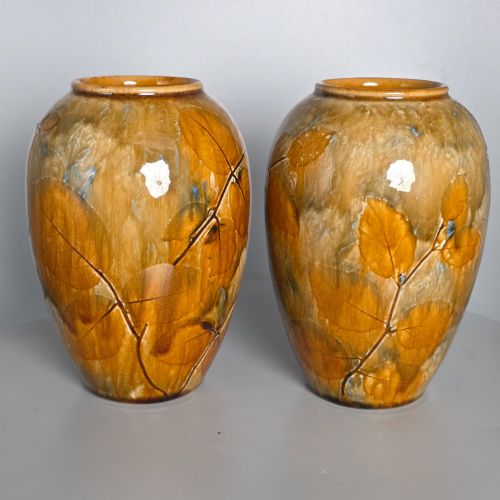
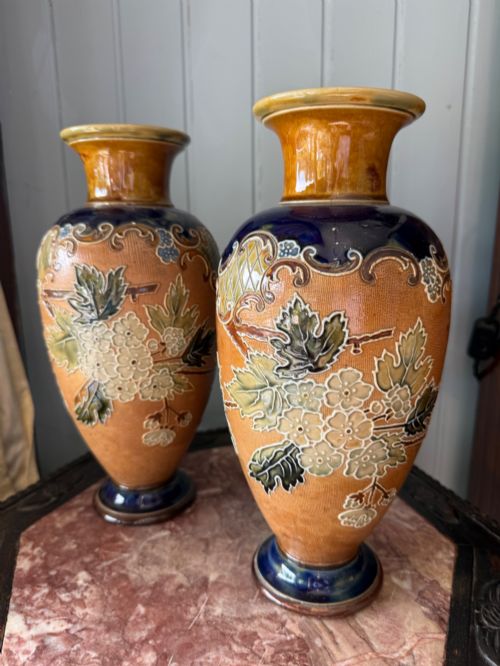
When you search for a brown ceramic vase, you encounter vessels shaped from earthenware, stoneware, and terracotta, often finished with rich glazes. The pieces span the Victorian era, the Art Nouveau movement, and the early twentieth century, reflecting diverse international traditions.
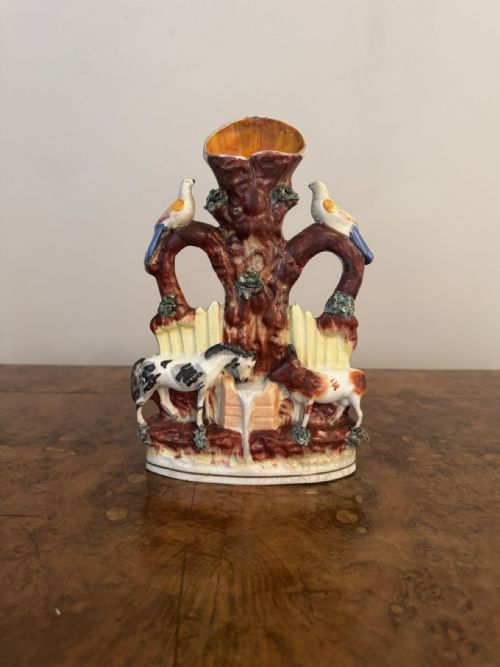
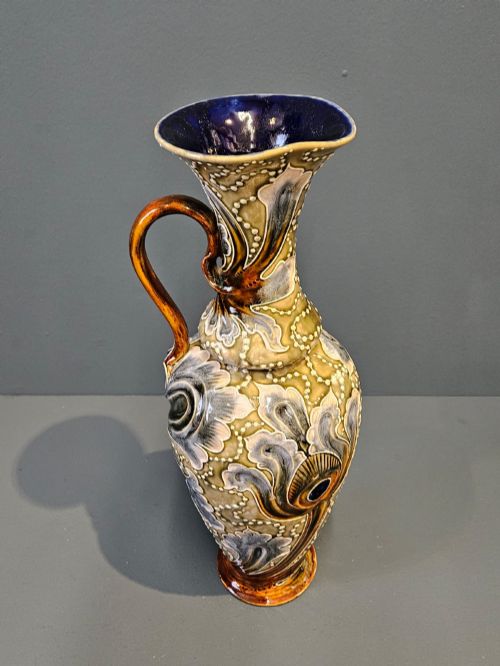
You are most likely to meet robust utilitarian jugs, decorative ewers, and tall spill vases hailing from British potteries alongside continental European ceramics. These objects range from modest domestic items to monumental exhibition pieces designed for prominent display.
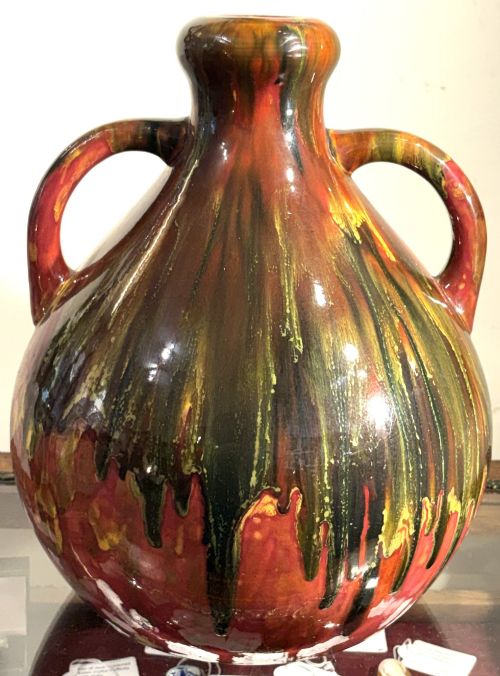
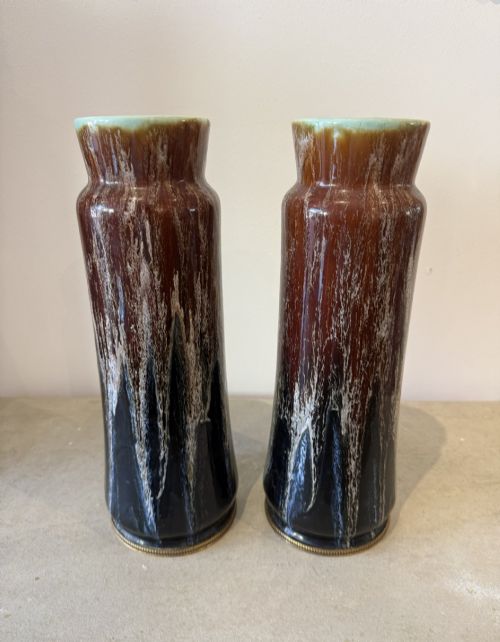
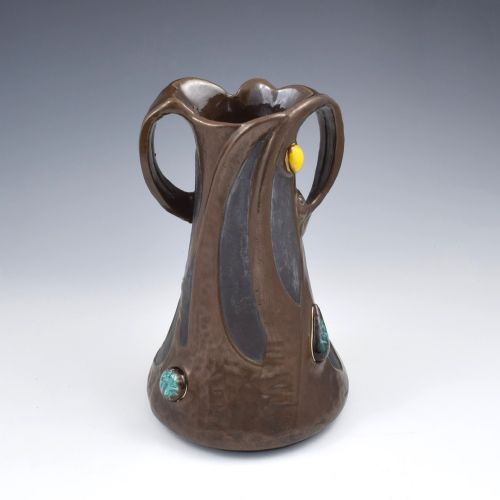
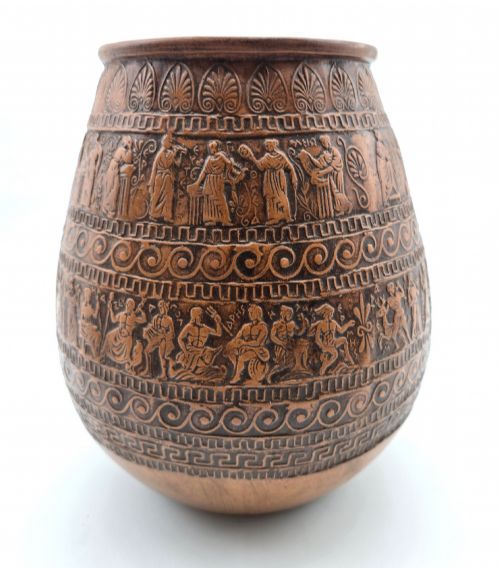
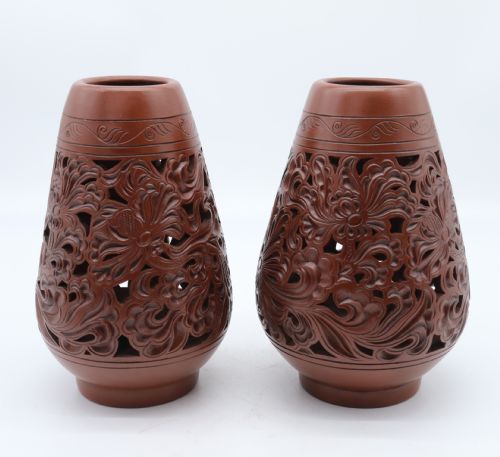
The selection includes specific forms finished in copper effect surfaces, metallic enamels, and deep running glazes that highlight the natural qualities of fired clay. Collectors find these diverse vessels gathered from English, German, Belgian, and Asian workshops.
Materials and Techniques
Potters built these vessels using earthenware and dense stoneware bodies, shaping them on the wheel or forming them in moulds before kiln firing. These absorbent and durable clay bases provided a stable foundation for complex decorative finishes.
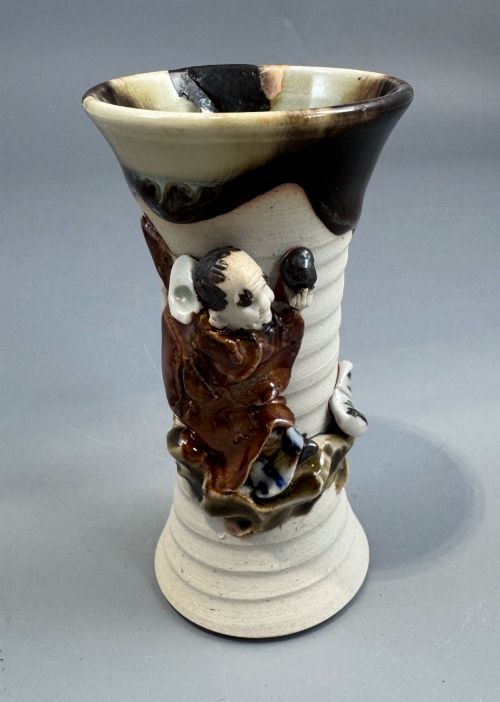
Glaze application defined the surface appearance, utilising runny running oxides, glossy enamels, and matte colourways to achieve deep brown hues. Many workshops incorporated applied elements such as jewelled cabochons, raised figures, and intricate slip trailing directly onto the leather-hard clay.
Brown Ceramic Vase Retail Price Guide 2026
Typical asking prices for brown ceramic vase among the pieces listed under this phrase on Sellingantiques today, from the lower quarter to the upper quarter. They describe what is for sale here now, not the wider market.
Listings feature Victorian earthenware and stoneware alongside pieces from the Art Nouveau and Edwardian Art Pottery movements.
Defining Quality
The standard of a piece rests upon the crispness of the modelled detail and the depth achieved within the glaze chemistry. Skilled modellers produced sharp, well-defined motifs, whereas lesser examples show blurred edges and muddy surface tones.
Attribution to named artists or esteemed potteries elevates a vessel, particularly when combined with ambitious scale and original matching stands. Master decorators applied hand-painted panels and careful incising that lift standard production wares into distinct artistic statements.
Royal Doulton·Doulton Lambeth·Burmantofts Faience·Boch Freres·Linthorpe Pottery·Paul Dachsel Amphora·Royal Worcester·Wileman Intarsio·Bretby Pottery·Mettlach Pottery
The Brown Ceramic Vase Glossary
- Earthenware
- Porous pottery fired at lower temperatures, requiring a glaze to hold liquids. It forms the body of many Victorian and nineteenth-century domestic vessels.
- Stoneware
- A dense, vitreous pottery fired at high temperatures until non-porous. This robust material withstands heavy use and takes rich salt or oxide glazes.
- Terracotta
- Unglazed or slip-coated brownish-red fired clay used for classical amphorae and garden vessels. It displays a natural, porous earthy texture.
- Faience
- Fine tin-glazed earthenware produced across Europe, known for bright decorative surfaces. Burmantofts and other British potteries adopted this term for specialised art pottery lines.
- Ewer
- A large jug with a wide spout and elaborate handle, traditionally used for holding water. Ceramic examples served decorative functions in nineteenth-century interiors.
- Spill vase
- A narrow cylindrical holder designed to keep tapers for lighting candles or fires. These domestic items appeared frequently in nineteenth-century parlours.
Brown Ceramic Vase: Frequently Asked Questions
What are brown ceramic vases made from?
These vessels utilise earthenware, terracotta, and dense stoneware bodies shaped by hand or mould. Potters covered these clay foundations with rich mineral glazes and enamels to produce deep brown colourways.
Makers also applied slip trailing, metallic lustres, and raised decorative elements to enhance the tactile surface before the final high-temperature kiln firing.
How do I identify Art Nouveau examples?
Art Nouveau pieces display flowing natural lines, organic motifs, and stylized floral patterns inspired by plant growth. Look for swelling gourd shapes, whiplash handles, and shimmering copper or iridescent glaze effects.
Potteries active around nineteen hundred embraced these sinuous contours to move away from rigid Victorian symmetry.
Where were these ceramic pieces produced?
The selection includes prominent British ceramic factories alongside continental European workshops in Germany, Austria, and Belgium. Asian export wares and classical Mediterranean terracotta vessels also appear within this category.
Regional centres developed distinct clay bodies and glaze recipes that distinguish British art pottery from continental production.
How should I display a ceramic vase?
Position these vessels on stable surfaces away from high-traffic areas where they might sustain accidental knocks. Ensure they receive balanced ambient lighting to appreciate the subtle variations within the dark glaze.
Keep them clear of direct, intense sunlight to protect any delicate enamel or painted surface details over extended periods.