


Gold Lacquer Box
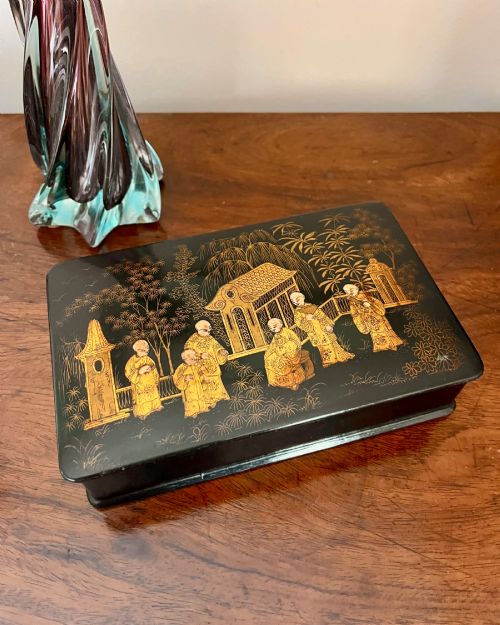
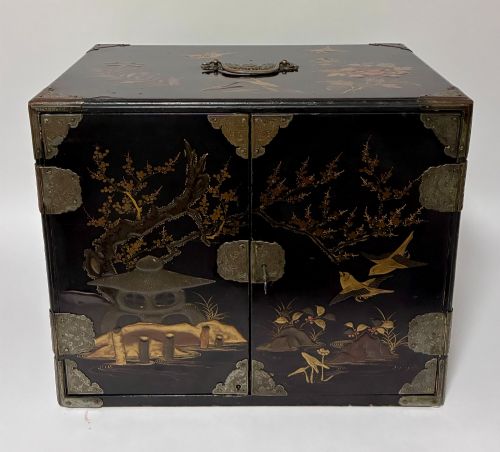
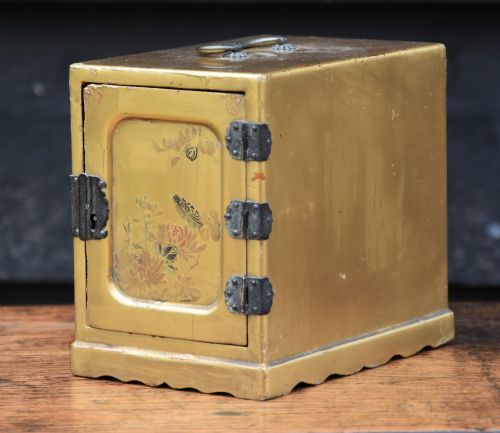
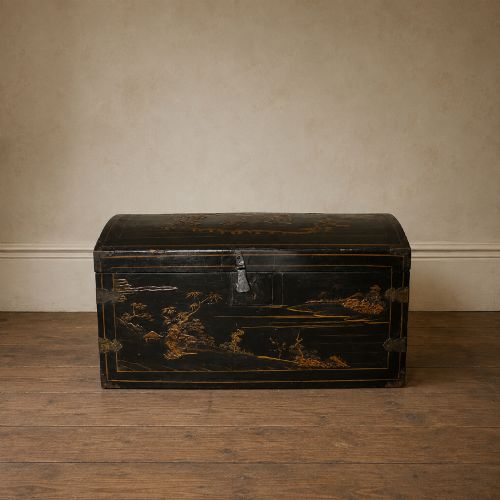
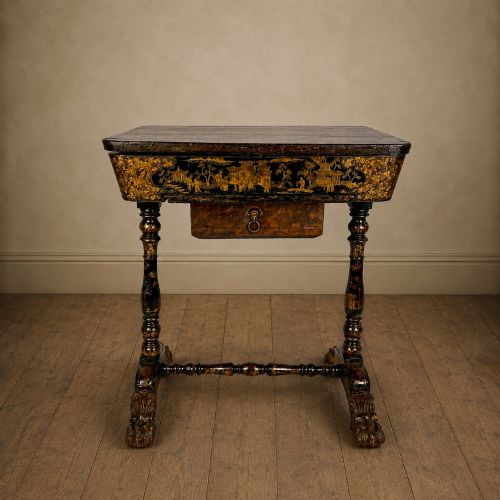
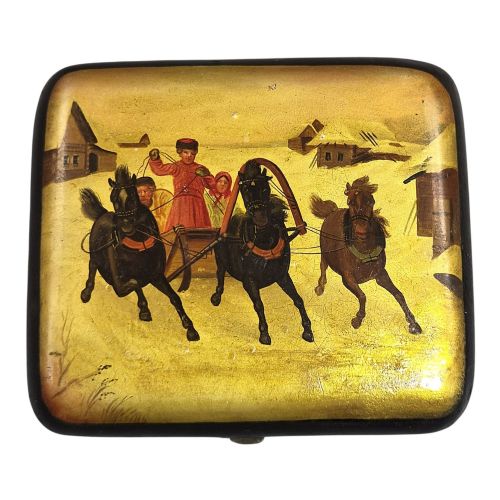
These gold lacquer box pieces bring intricate Japanese craftsmanship to your collection, offering both decorative beauty and practical storage.
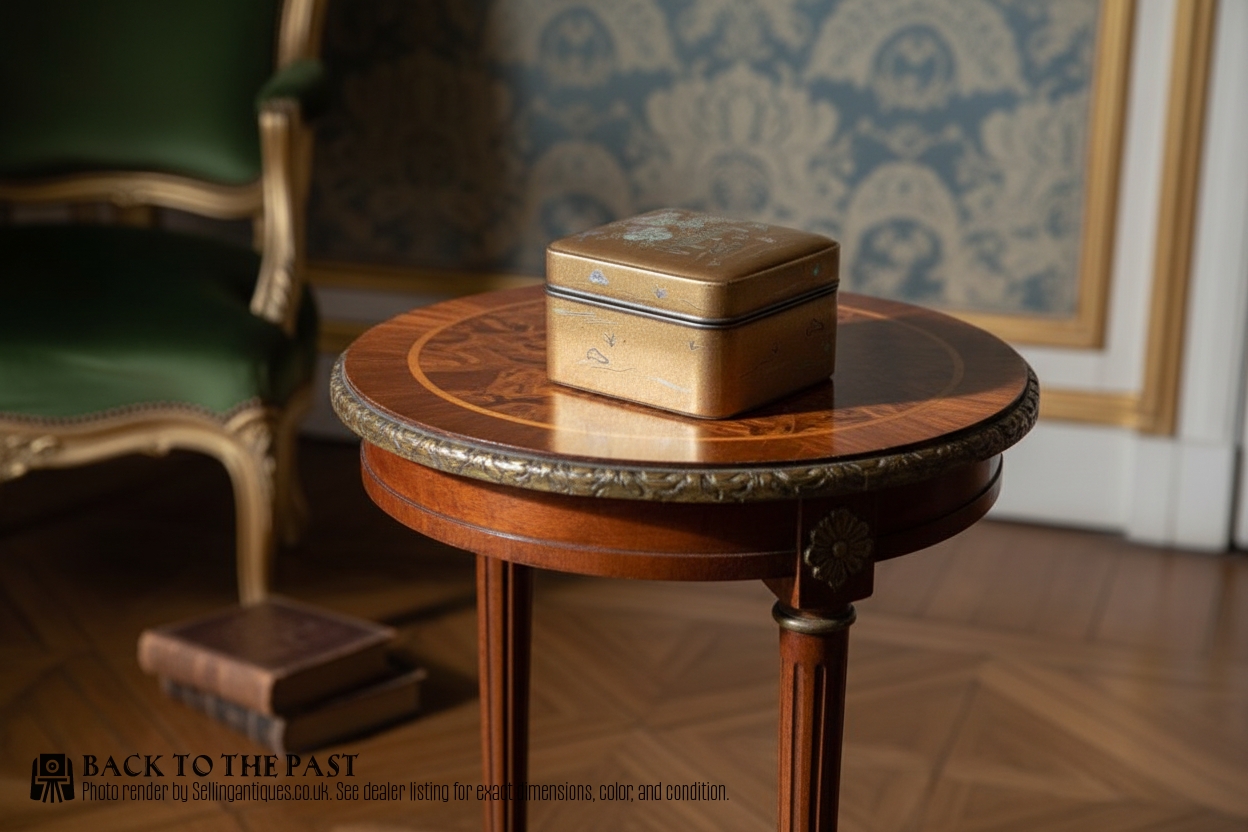
What a gold lacquer box is
When you search for a gold lacquer box, you encounter a range of forms originating primarily from the Edo and Meiji periods, alongside Victorian interpretations.
The selections span table cabinets, keepsake boxes, trinket boxes, writing boxes, document boxes, and letter boxes.
Many of these containers feature detailed motifs such as cranes, birds of prey, dragons, and floral patterns executed in gold leaf and lacquer.
How they were made
These items combine wood and boxwood as foundational materials, coated in multiple layers of lacquer and highlighted with gold leaf.
Additional surface detail is achieved through inlay work using mother of pearl and ivory, creating textured visual depth.
Some containers were built specifically to house solid gold dragon swords alongside standard writing equipment.
What varies in quality
The distinction between standard and superior pieces rests on the complexity of the lacquer application and the precision of the decorative motifs.
Inlaid elements and specialised techniques such as takamaki-e elevate the refinement of individual containers.
Goto Mitsutaka·Heian Zohiko
The Gold Lacquer Box Glossary
- Lacquer
- A durable resin finish applied to wooden cores to create a glossy, protective surface. It forms the primary medium for traditional Asian decorative boxes.
- Takamaki-e
- A Japanese technique of sprinkled metal lacquer relief decoration. It creates raised designs that stand proud of the surface.
- Suzuribako
- A traditional Japanese writing box designed to house ink stones and calligraphy brushes. These often match larger document boxes.
- Fubako
- A rectangular letter box utilised for storing correspondence and documents in historical Japan. They typically feature flat lids and secure proportions.
- Treen
- Small handmade wooden objects and household utensils produced before the modern era. The term encompasses utilitarian turned items and small containers.
Frequently Asked Questions
What is a gold lacquer box used for?
These boxes served diverse traditional functions in historical settings, ranging from writing implements and documents to tea ceremony accessories and personal trinkets.
Today, they function primarily as decorative display items or secure containers for small keepsakes and jewellery.
How do I date a Japanese lacquer box?
Dating relies on stylistic markers associated with specific eras such as the Edo, Meiji, or Taisho periods. Construction techniques and material choices also provide clues to chronological origin.
Examining the motifs and signature styles helps place the piece within a broader historical timeline.
How should I care for lacquerware?
Keep lacquer pieces away from direct sunlight and extreme fluctuations in temperature or humidity to prevent the wood and finish from cracking.
Dust gently with a soft, dry cloth and avoid using chemical cleaning agents or abrasive materials.
What is takamaki-e decoration?
Takamaki-e is a specialised Japanese lacquer technique where metallic powders are built up in relief to create three-dimensional designs.
This method gives the surface a tactile quality that catches the light differently from flat painted details.