




Asian Decorative Box
An asian decorative box gathers the rich detail of lacquer, enamel, and carved wood into a single compelling container.
Asian Decorative Box
An asian decorative box encompasses a varied group of containers spanning the 17th century through the early 20th century, including table cabinets, wedding boxes, snuff boxes, and keepsake cases. These items emerge from distinct traditions such as Qing Dynasty China, the Japanese Meiji and Taisho periods, and 17th century Afghanistan.
Buyers most frequently encounter 19th century examples finished in lacquer or constructed from hardwoods like rosewood. These range from small sharing boxes to larger wedding receptacles and writing boxes.
The forms serve multiple ornamental and practical functions, incorporating lidded bowls, small cabinets, and lidded gourd pots alongside traditional square or rectangular caskets.
How they were made
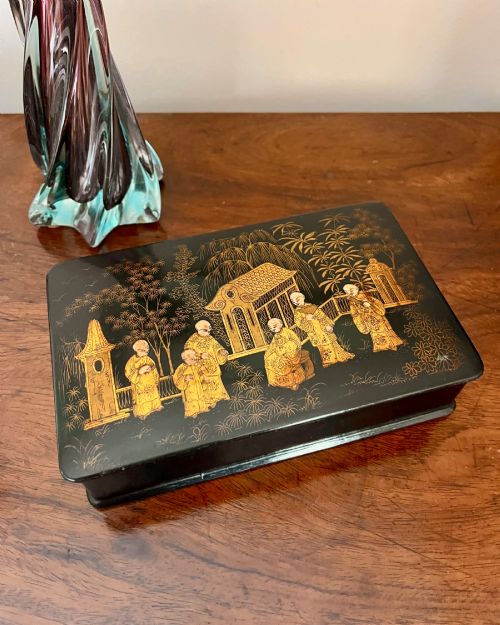
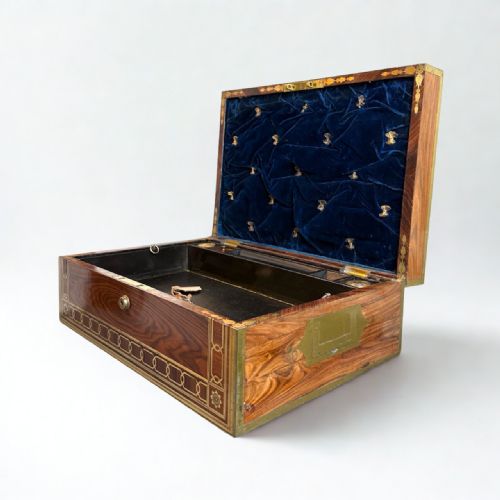
Wood serves as the primary structural foundation for many pieces, frequently paired with intricate lacquer finishes, mother of pearl inlay, and delicate gold leaf detailing. Hardwoods such as rosewood and huanghuali provide sturdy carcases for detailed carving and smooth surfaces.
Enamel techniques appear prominently across the items, utilising both Beijing enamel and vitreous cloisonne work on copper or brass bases. Artisans built up layers of lacquer, sometimes carving deep cinnabar reliefs or applying smooth black and red finishes.
Listings feature items from the 17th, 18th, and 19th centuries, alongside early 20th century pieces from the Taisho period and Japanese Meiji era.
What varies in quality
The degree of refinement in surface decoration separates examples, particularly the precision of mother of pearl inlay work into hardwood and the depth achieved in carved lacquer or cloisonne enamel. Pieces featuring complex multi-layered lacquer or detailed hand-painted Beijing enamel demonstrate superior artisan skill.
Materials and structural integrity dictate the standing of a piece, from solid rosewood construction to the evenness of applied gold leaf and lacquer coats over the wooden core.
The Asian Decorative Box Glossary
- Lacquer
- A durable finish applied in multiple layers to a wooden base, often carved or polished to a high sheen. This technique protects the underlying material while providing a smooth canvas for decorative elements.
- Cloisonne
- A decorative metalwork technique where enamel is applied within compartments created by soldered wire strips. Artisans fire the piece to fuse the vitreous enamel to a brass or copper foundation.
- Cinnabar
- A red mercuric sulphide mineral used to create vibrant red pigments for heavy lacquer carving. Craftsmen build up thick layers to carve intricate figural or floral scenes in relief.
- Huanghuali
- A prized aromatic hardwood native to China known for its rich grain patterns and durability. It frequently forms the structure of fine writing boxes and scholar's objects.
- Kodansu
- A small traditional Japanese tabletop cabinet featuring multiple drawers and compartments. These miniature pieces of furniture often display meticulous lacquer work and metal fittings.
Asian Decorative Box: Frequently Asked Questions
What were these boxes used for?
These containers served varied domestic and scholarly purposes, ranging from storing personal letters and writing implements to holding precious keepsakes, cosmetics, or tobacco.
Larger versions functioned as wedding boxes for ceremonial goods, while smaller caskets and snuff boxes held personal valuables and daily necessities.
How do I care for a lacquered box?
Keep wooden and lacquered pieces away from direct sunlight and extreme temperature fluctuations to prevent the finish from drying or cracking.
Dust gently with a soft, dry cloth and avoid chemical cleaners or excessive moisture that can damage delicate gold leaf or lacquer layers.
How can I tell the period?
Dating relies on stylistic clues, specific material combinations, and manufacturing techniques recorded across different eras like the Meiji period or Qing Dynasty.
Examining the underlying construction methods and the specific type of enamel or lacquer helps place the piece within its historical context.
Are these pieces purely decorative?
While highly ornamental, most items were built as functional containers with working drawers, lids, or compartments designed for everyday storage.
Their dual nature allowed them to serve as both striking display objects and practical receptacles in historic interiors.