



Gilded Wood Box
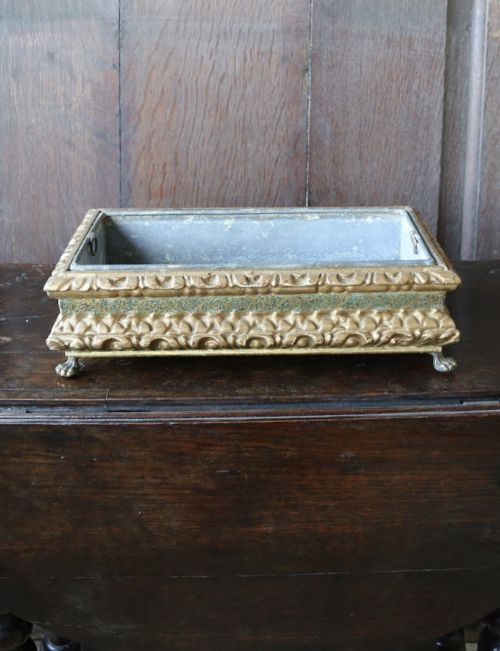
A gilded wood box brings warmth and reflective light to a room, offering a small container shaped by centuries of decorative craft.
Gilded Wood Box
A gilded wood box represents a distinct class of container shaped by historical periods ranging from the seventeenth century through to the nineteenth century. These objects include small storage pieces, table boxes and specialised caddies originating from various European and international traditions.
The selections available here reflect traditional forms rather than uniform production, showing how different makers applied gold leaf and surface decoration to timber bases. Buyers encountering these listings meet varied regional interpretations spanning Italian Baroque, French styles and English cabinet work.
How they were made
Construction relies upon seasoned timber foundations such as mahogany, elm or fruitwood, prepared with layers of gesso before the application of gold leaf or surface gilding. Craftsmen utilised traditional joinery methods to build the core structure of each box or cabinet.
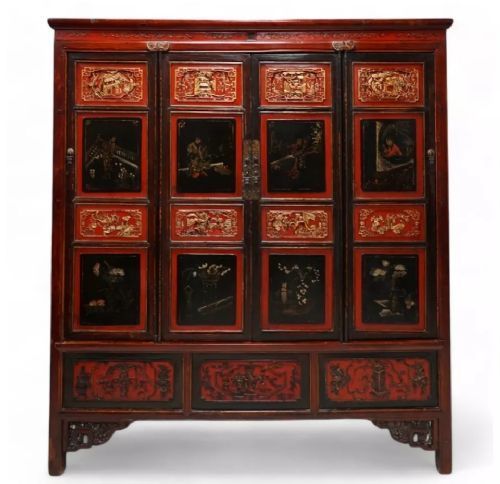
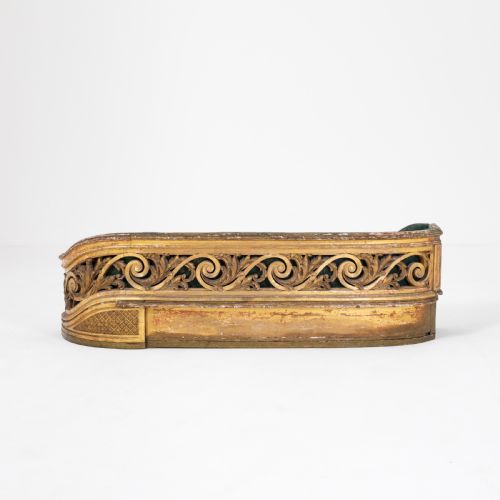
Surface ornamentation often combines applied carved gesso details with hand-applied metal leaf, creating the reflective finish characteristic of gilded wood pieces. Lacquering and polychrome decoration also appear across specific regional examples in the records.
Listings feature periods spanning the seventeenth century through to the Victorian era, alongside styles such as Italian Baroque and French Chateau.
What varies in quality
Quality depends upon the precision of the carving beneath the surface and the integrity of the original preparation layers applied to the wood. Skill in laying the gold leaf determines how light reflects across the contours of the box over time.
The depth of detail in carved elements and the retention of the original surface finish separate standard utility pieces from finer examples. Preservation of the underlying timber and the crispness of decorative motifs guide any assessment of a piece.
The Gilded Wood Box Glossary
- Giltwood
- Timber that has been coated with gold leaf or powder over a prepared gesso base. This finish provides the characteristic metallic sheen seen on historical frames and boxes.
- Gesso
- A plaster mixture applied to wood to create a smooth surface for subsequent gilding or painting. It allows carvers to achieve sharp relief details.
- Gold leaf
- Hammered gold beaten into extremely thin sheets for application onto prepared surfaces. It remains the standard material for traditional gilding.
- Japanned
- European imitation of East Asian lacquerwork using layered varnishes and decorative motifs. This technique was popular on English and continental cabinets during the eighteenth century.
Gilded Wood Box: Frequently Asked Questions
How do I clean a gilded wood box?
Dust the surface gently with a soft, dry brush to prevent accumulation. Avoid all liquid cleaners and abrasive cloths, which can damage the delicate gold leaf.
Keep the box away from direct sunlight and moisture to preserve the underlying gesso and timber from cracking over time.
What is the difference between giltwood and gold leaf?
Gold leaf refers specifically to the hammered metal material applied to objects. Giltwood describes the finished wooden object that has undergone the gilding process.
Understanding this distinction helps readers interpret historical descriptions correctly when examining box construction.
How can I tell the period of a box?
Examine the underlying timber, joinery methods and the style of the carving. Different centuries favoured distinct decorative motifs and structural proportions.
Comparing the specific preparation layers and regional characteristics provides further clues to the date of manufacture.
Were these boxes used for display or storage?
Historical boxes served practical functions for holding valuables, documents or specific household items. Their decorative finishes ensured they remained visible in rooms rather than hidden away.
Owners utilised them as functional containers that also doubled as decorative accessories on tables and desks.