

Antique Red Box
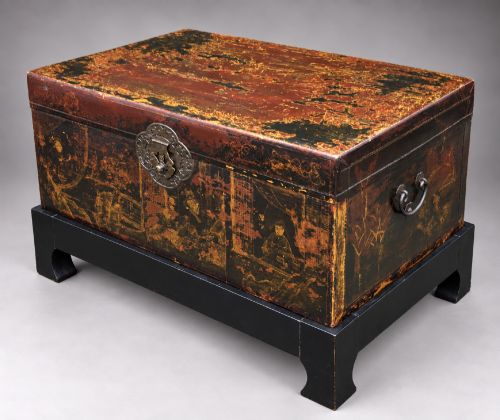
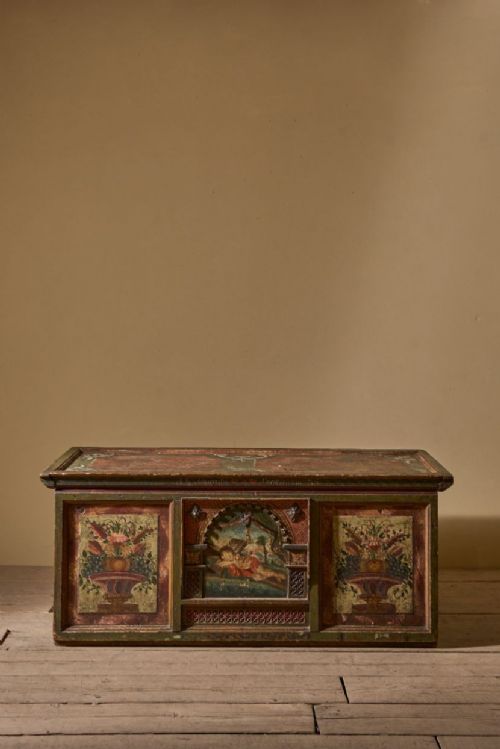
When gathering an antique red box, you encounter painted marriage trunks, lacquered caddies, and leather caskets spanning multiple centuries.
Antique Red Box
The term antique red box brings together a diverse assembly of vessels, from small desk accessories and tea caddies to large marriage trunks and blanket chests. These objects cross numerous periods, including Georgian, Victorian, and Edwardian eras, as well as distinct international traditions like Chinese lacquerware and European folk art.
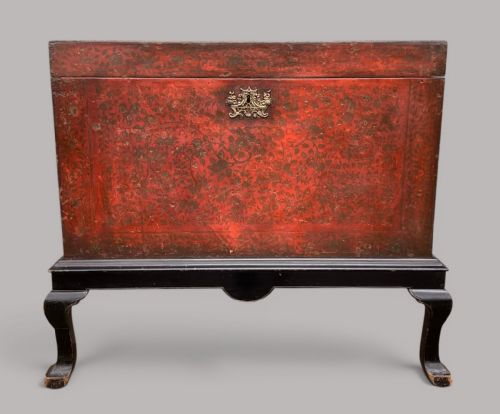
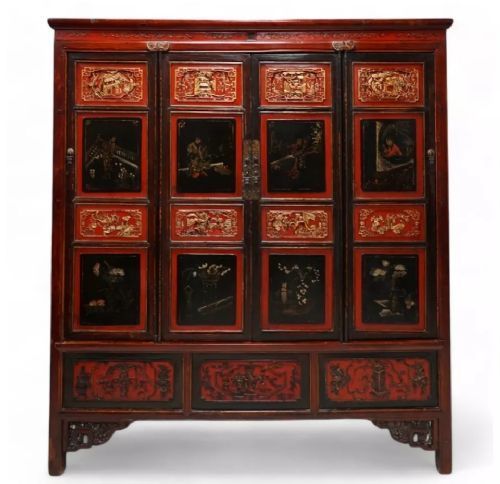
Buyers will most frequently find painted pine coffer boxes from Hungary, nineteenth-century mahogany writing or sewing boxes, and Asian lacquered dowry pieces. Such containers served practical domestic storage needs, holding everything from documents and jewellery to textiles and provisions.
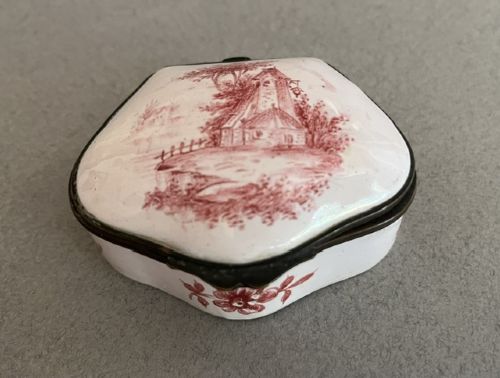
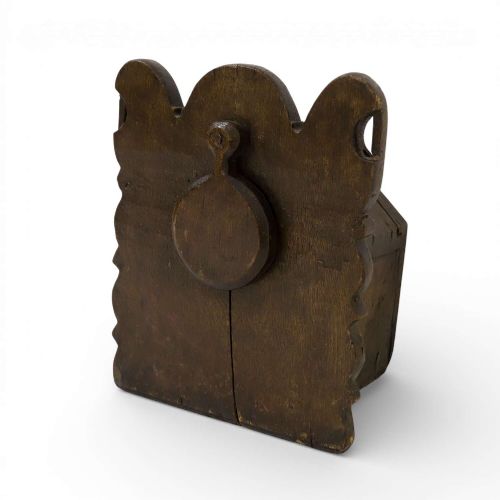
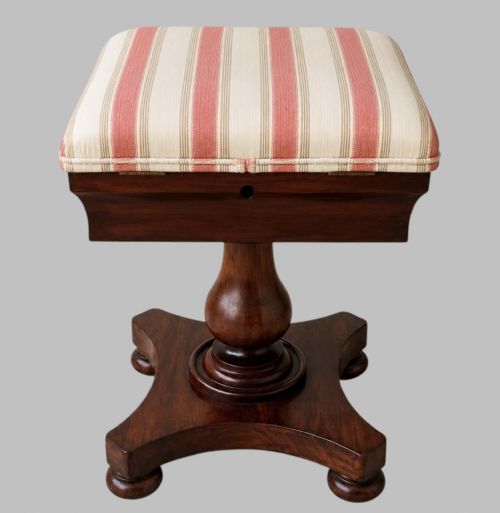
Larger examples include heavy iron-mounted salt boxes and upholstered ottomans, while smaller items comprise porcelain trinket dishes, snuff boxes, and glass caskets. Each form reflects the specific material culture of its origin, bridging utility with decorative craft.
Materials and construction methods
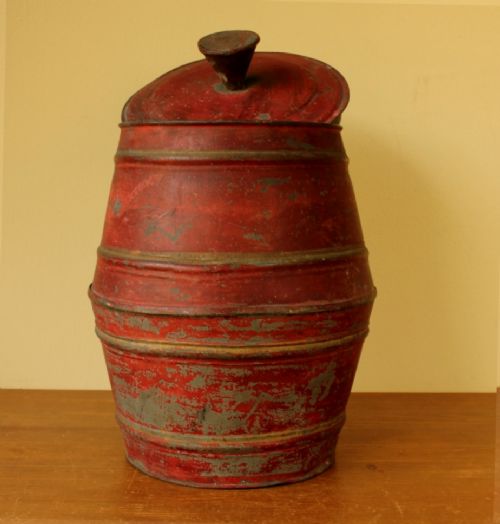
Carpenters and cabinetmakers utilised primary timbers like oak, walnut, pine, and mahogany, frequently applying veneers of exotic woods such as coromandel. Surfaces often received coats of red paint, Chinoiserie decoration, or multiple layers of pigmented lacquer to achieve a durable and vibrant finish.
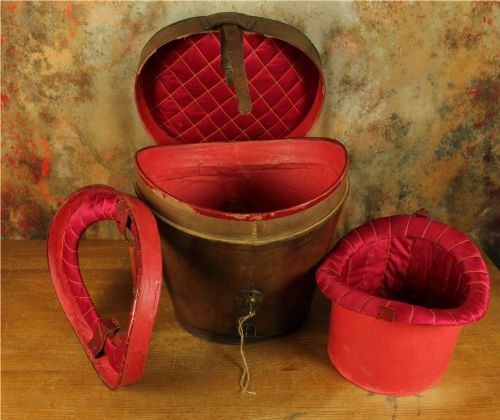
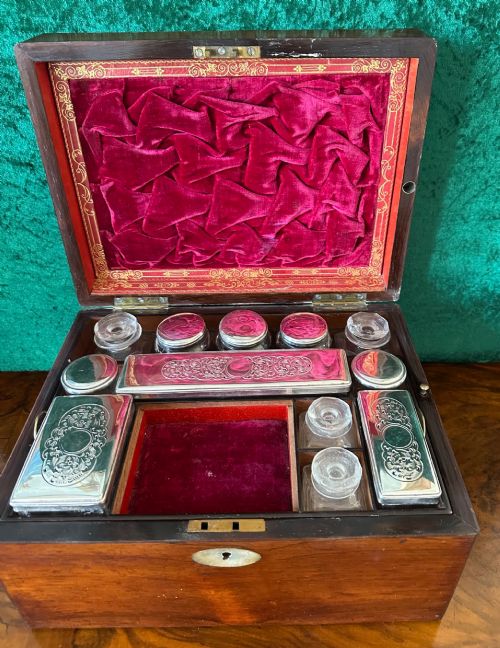
Hardware played an essential structural and decorative role, incorporating brass hinges, locks, and binding alongside original iron mounts and studs. Interior spaces frequently utilised leather, velvet, or silk linings to protect delicate contents such as jewellery, cutlery, and documents.
Some nineteenth-century travellers carried portable stationery boxes complete with secret compartments for hiding love letters from prying eyes.
Factors of distinction
Quality rests upon the integrity of the original surface finish, whether hand-applied red paint, delicate Chinoiserie motifs, or polished Oriental lacquer layers. Pieces retaining their primary hardware, original locks, and untouched interior linings command greater regard among collectors.
The refinement of the cabinetmaking distinguishes standard utility items from exceptional workshop productions, visible in tight dovetail joints, figured wood grains, and precise brass inlays. Maker attribution and documented provenance further elevate specific pieces above standard domestic containers.
Alfred Taylor·Nathaniel Mills·Cartier
The Antique Red Box Glossary
- Lacquer
- A durable resin finish built in multiple brushed coats and polished to a hard gloss. It frequently appears on Asian export pieces and European Chinoiserie items.
- Caddy
- A small box or chest originally designed for storing dry goods such as tea. These often feature internal compartments and secure locks.
- Cofer
- A heavy wooden chest used for storing valuables or household goods. They often display painted folk art or iron reinforcement.
- Vinaigrette
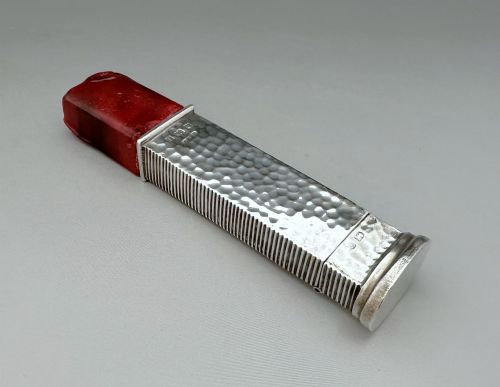
- A small ornamental box containing a perforated grill, used historically to hold a sponge soaked in aromatic vinegar. They are typically fashioned from silver or gold.
- Casket
- An elaborately decorated box or chest for holding jewels, letters, or small valuables. They frequently incorporate velvet or silk interiors.
Antique Red Box: Frequently Asked Questions
What were antique red boxes originally used for?
These vessels served diverse domestic purposes, holding valuable documents, tea leaves, sewing implements, or personal jewellery. Larger chests stored blankets, marriage dowries, and clothing within the home.
Smaller containers kept specialised items secure, such as writing instruments, snuff, or coinage. Their varied scales reflect the specific everyday storage requirements of past households.
How do I care for a lacquered wooden box?
Keep wooden and lacquered surfaces away from direct sunlight and excessive humidity to prevent the finish from cracking or fading. Dust gently with a soft, dry cloth without applying modern liquid polishes.
Maintain stable indoor temperatures to protect fragile adhesives, old paint, and historical leather or velvet linings. Proper placement preserves the original structural integrity of the piece.
How can I tell a Victorian box from a Georgian one?
Georgian containers often display restrained classical proportions, finer mahogany grains, and simple brass carrying handles. They frequently relate to writing, tea storage, or small personal items.
Victorian examples frequently incorporate heavier brass binding, walnut veneers, or elaborate upholstery and fitted interiors. Industrial production methods also became more prominent during the later nineteenth century.