






Qing Dynasty Box
A qing dynasty box brings carved lacquer, rich enamel and hardwood into a room, offering both history and practical storage.
Identifying qing dynasty box forms
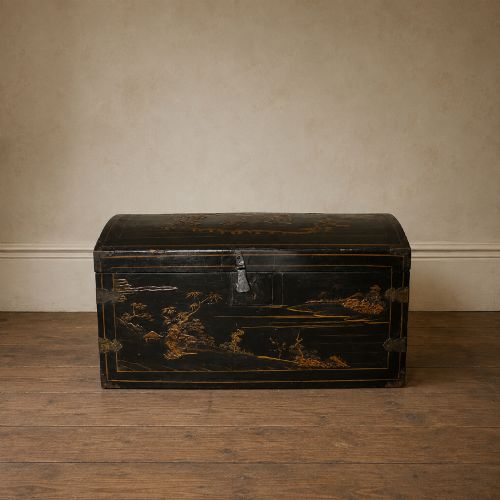
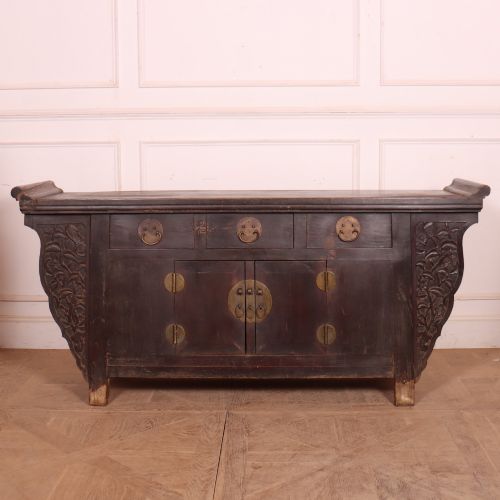
When you search for a qing dynasty box, you encounter a wide variety of containers spanning different centuries and uses. The selection includes decorative caskets, small trinket boxes, and large storage chests.
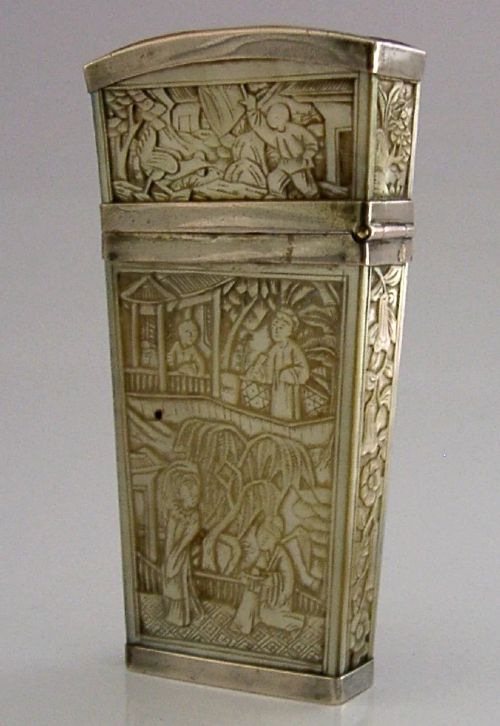
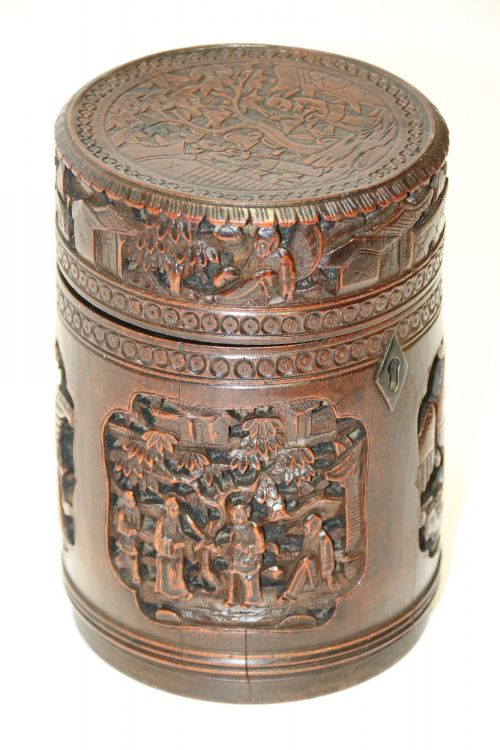
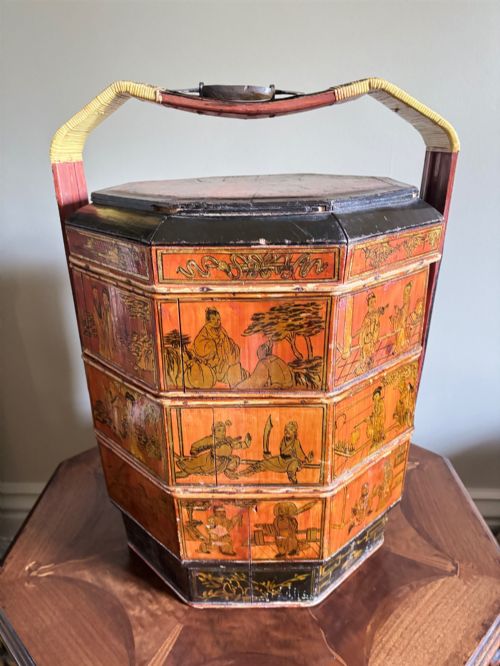
The pieces on this page range from intricate snuffs and glove boxes to substantial wedding and document boxes. Materials shift from cinnabar lacquer and vitreous enamel to boxwood and pigskin.
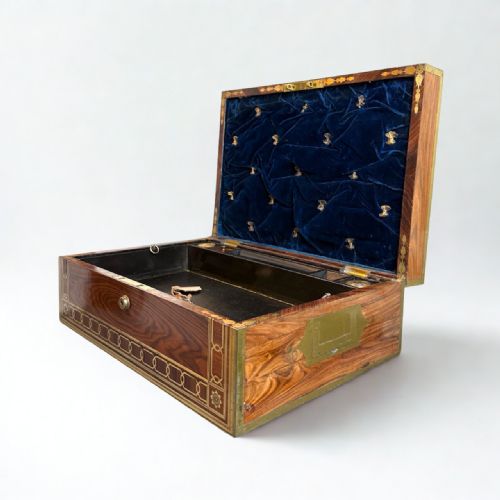
Dating stretches from the eighteenth century through the nineteenth century, alongside later pieces from the Edwardian period influenced by eastern aesthetics. Each form serves a distinct domestic purpose, from storing documents to holding personal treasures.
Materials and construction methods
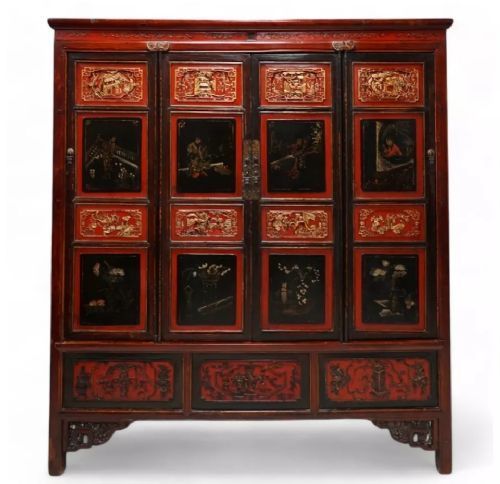
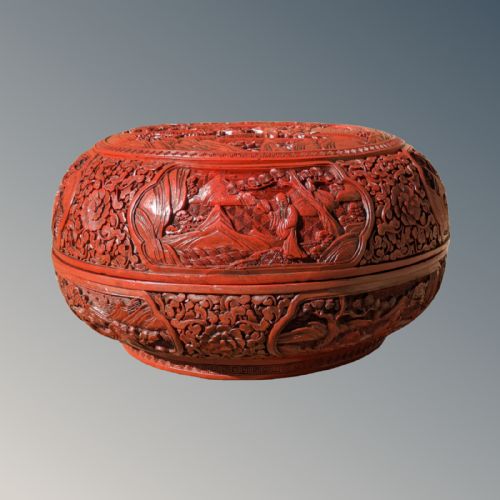
Maker techniques rely heavily on traditional Asian craftsmanship, combining dense hardwoods like boxwood with applied decorative layers. Cinnabar lacquer requires building up multiple coats before carvers cut intricate patterns directly into the surface.
Metalwork incorporates gilded copper and vitreous enamel, often forming detailed cloisonné patterns across the lids and sides. Inlaid decorative caskets utilise mother of pearl alongside wood to create contrasting surface textures.
Larger storage containers employ sturdy construction using pigskin or heavy timber frames designed to protect contents over long periods. Smaller items like snuff boxes demonstrate miniaturised precision in enamel painting and metal shaping.
Retail Price Guide 2026
Typical UK retail prices for qing dynasty box, calculated from the Sellingantiques database of over a million retail prices indexed since 2003. This retail price guide relies exclusively on Sellingantiques data; no external sources or auction records are used, so the figures do not describe the wider market.
Listings feature items spanning the 18th century, 19th century, and the Edwardian period, utilising wood, cinnabar lacquer, and enamel.
Judging quality in construction
Quality rests upon the depth and clarity of the carving within the lacquer or wood. Superior examples show crisp, confident lines where motifs like dragons emerge sharply from the background.
The integrity of the enamel work and the tightness of the joinery separate standard production from finer craftsmanship. Fitted lids close smoothly, and metal mounts remain securely fixed without excessive wear.
Materials dictate the upper tier of the range, particularly heavy cinnabar lacquer and fine Beijing enamel. Pieces retaining their original surface patination without modern restoration command greater attention.
The Qing Dynasty Box Glossary
- Cinnabar Lacquer
- A technique where numerous layers of red lacquer are applied to a base before being deeply carved with figures or landscapes. This method demands immense patience from the artisan.
- Cloisonne
- Enamelling work where thin metal wires are soldered to a metal base to form compartments, which are then filled with coloured vitreous paste and fired. The resulting surface presents distinct cells of colour.
- Beijing Enamel
- Painted enamelware produced in imperial workshops during the Qing period, known for delicate floral and figural scenes on copper bases. These pieces reflect direct ties to court tastes.
- Pigskin
- Tanned animal hide utilised for durable document and storage boxes, valued for its tough, resilient texture. It offers protection against moisture and wear.
- Boxwood
- A dense, pale hardwood favoured for intricate miniature carvings such as figures and small decorative vessels. Its fine grain allows for exceptionally sharp detail.
Frequently Asked Questions
How do I date a qing dynasty box?
Dating relies on stylistic markers, material choices, and recorded periods such as the eighteenth or nineteenth century. Examining the wear on the base and the method of construction helps clarify the era.
Changes in lacquer depth and enamel brightness also offer clues regarding the time of manufacture. Comparing pieces against known archive examples assists in confirming the correct period.
What were these boxes used for originally?
These containers served numerous domestic and administrative functions in historical Chinese households. Smaller items held personal items like snuff or gloves, while larger chests protected documents and wedding goods.
Valuables and letters found safe storage within sturdy pigskin or timber caskets. Each form was tailored to the specific value and fragility of its contents.
How do I care for lacquer and enamel?
Lacquer and enamel require stable indoor humidity and protection from direct sunlight to prevent fading and cracking. Dusting gently with a soft, dry cloth maintains the surface without abrasive cleaning.
Avoiding extreme temperature fluctuations ensures the underlying wood or metal does not expand and stress the decorative layers. Proper placement away from heat sources preserves the finish.
Are all these boxes from China?
While the style originates from the Qing Dynasty, trade and international influence mean some items reflect European interpretations from later periods. Edwardian pieces often incorporate Oriental motifs while being made in the West.
Examining the internal construction and materials reveals whether a piece originates from eastern workshops or western revivalist makers. Both categories appear within the broader scope of these listings.