

Antique Cloisonne Enamel
Antique cloisonne enamel brings together delicate wirework and vibrant glass powder fused to metal vessels, charging spaces with rich historical pattern.
Antique Cloisonne Enamel
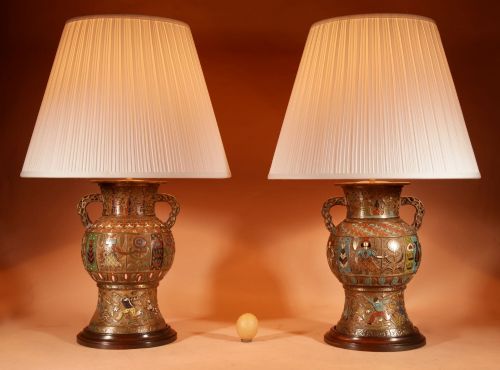
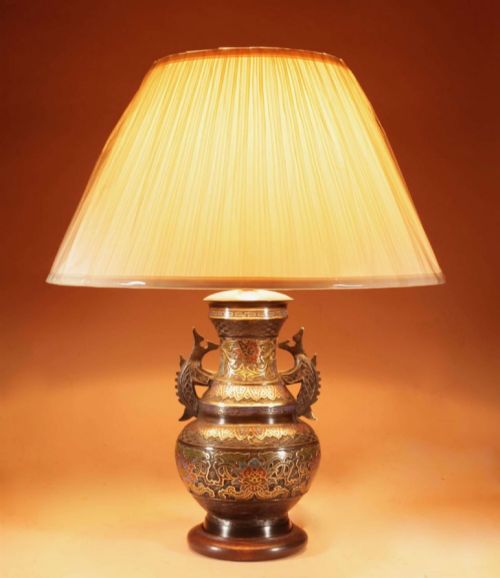
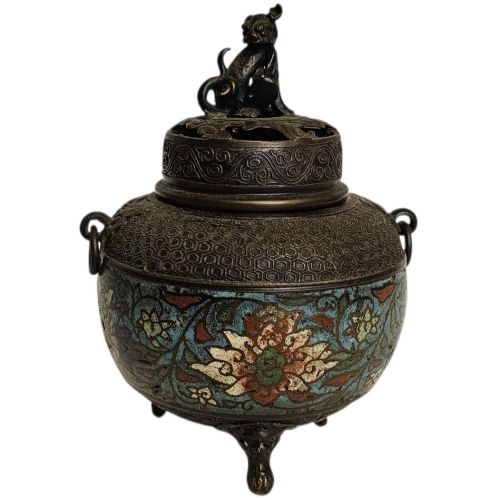
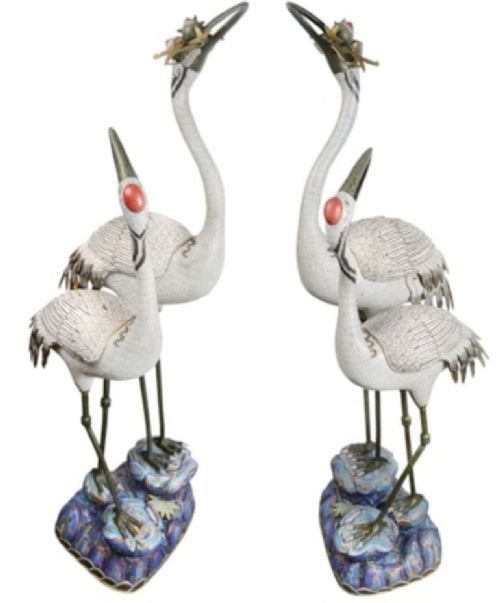
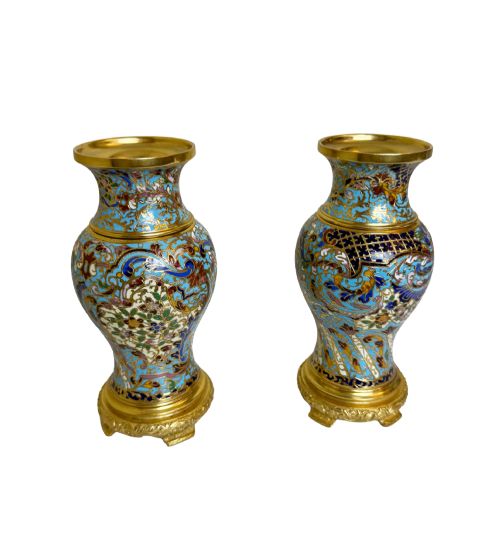
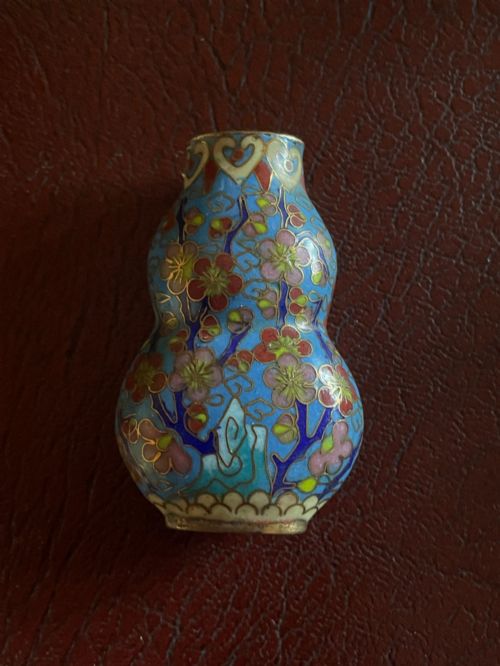
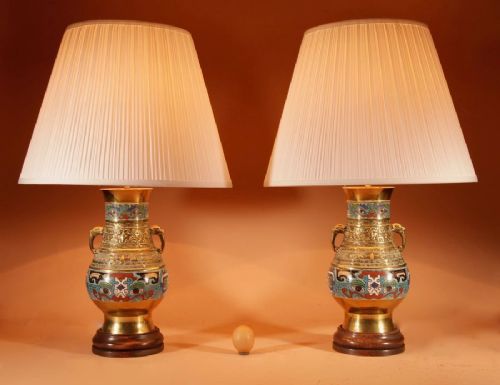
When searching for antique cloisonne enamel, buyers encounter a wide array of decorative objects including large chargers, elaborate vases, incense burners, and table lamps originating from various eastern and western workshops.
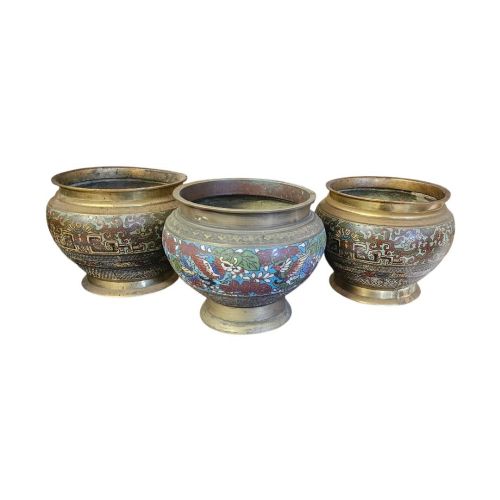
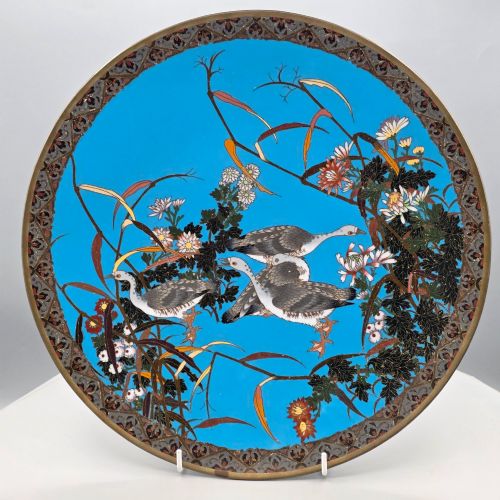
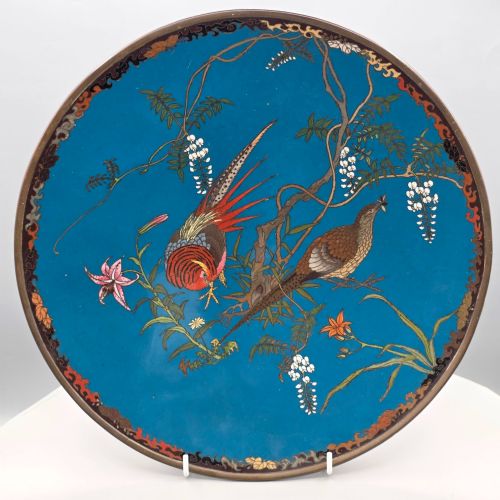
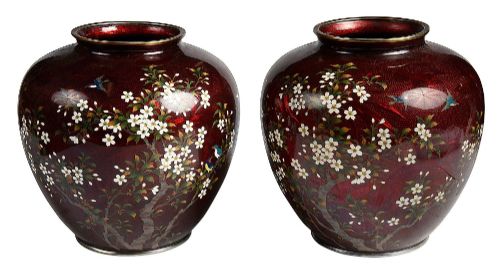
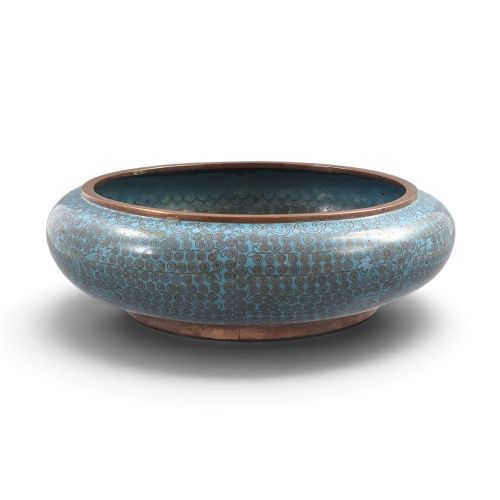
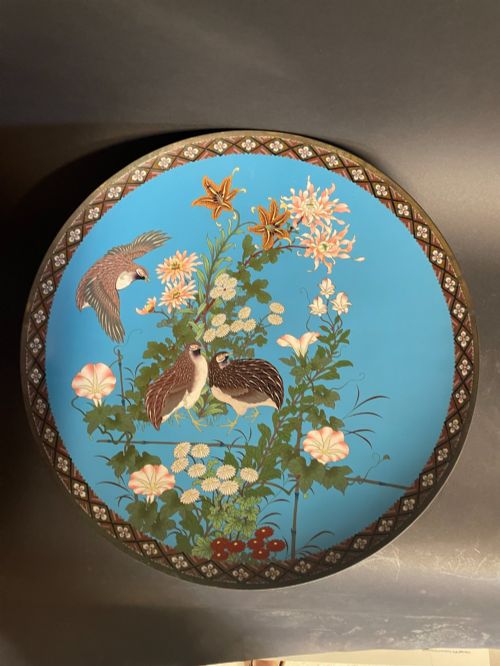
The most common forms on this page are Japanese Meiji period chargers and trays decorated with birds, flowers, and landscapes alongside Chinese Qing period vessels and censers.
Pieces span from the mid-nineteenth century through the early twentieth century, incorporating distinct styles such as Chinoiserie and Imperial Russian silver work.
Materials and construction
Craftsmen built these items by soldering thin brass or copper wire onto bronze or brass foundations to form intricate cells known as cloisons.
Coloured enamel paste was packed carefully into these individual compartments before the entire metal object underwent high-temperature firing.
Surfaces were then ground down and polished so that the metallic wire grid remained flush with the hardened vitreous enamel design.
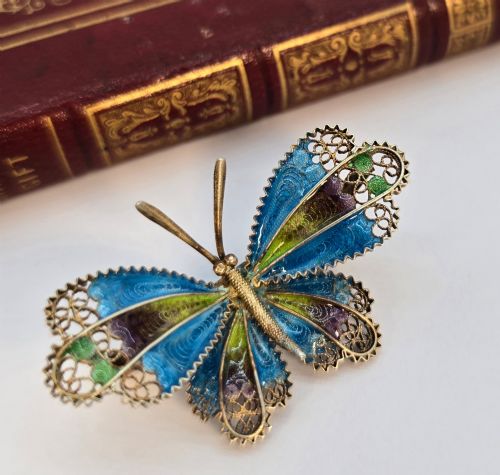
Listings feature items spanning the nineteenth and twentieth centuries, incorporating copper, brass, bronze, silver, and fabric alongside traditional enamel.
Distinctions in quality
Superior examples display absolute precision in the soldered wirework, where every individual cell aligns seamlessly without irregular gaps or thickened solder lines.
The depth and consistency of the enamel paste significantly differentiate masterworks from standard production pieces, with finer items showing smooth, evenly vitrified surfaces free from pitting.
Artistic complexity also dictates value, as naturalistic depictions of flora and fauna executed with subtle colour gradations demand greater technical mastery than repetitive geometric patterns.
Maria Semenova·Gustav Klingert·Vasily Agafonov·Zverev Nikolay Nikolayevich
The Antique Cloisonne Enamel Glossary
- Cloison
- A tiny metal cell formed by soldered wire on a metal base. These compartments hold the coloured enamel paste before firing.
- Champleve
- An enamelling technique where troughs or cavities are carved directly into the bronze or brass surface to hold enamel rather than using applied surface wires.
- Charger
- A large decorative plate intended for display rather than dining. These expansive surfaces often showcase elaborate pictorial scenes.
- Censer
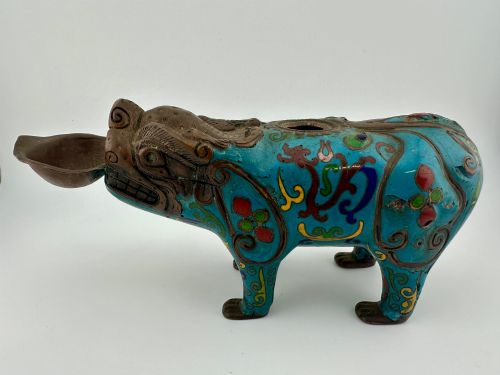
- An incense burner featuring a perforated lid or openwork top. Many examples take the form of mythical beasts or tripod vessels.
- Shippo
- The traditional Japanese term for cloisonne enamel, literally translating to seven treasures. This word frequently appears in descriptions of Meiji period works.
Antique Cloisonne Enamel: Frequently Asked Questions
How do I clean antique cloisonne enamel?
Dust these fragile surfaces gently with a soft dry cloth to prevent accumulation within the wire channels.
Avoid liquid cleaners, chemical dips, or abrasive cloths that can permanently scratch the vulnerable vitreous enamel or tarnish the exposed metal wires.
Are these pieces waterproof for daily use?
Most antique vessels and vases were created for ornamental display rather than functional containment.
Thermal shock from hot liquids or prolonged exposure to moisture can crack the historical enamel or corrode the underlying bronze and copper body.
How can I tell Japanese from Chinese pieces?
Japanese Meiji period works frequently utilise exceptionally fine brass wiring and depict asymmetric natural scenes like birds and flowers against smooth backgrounds.
Chinese Qing dynasty items often employ heavier bronze foundations, bolder colour palettes, and distinct border motifs reflecting traditional imperial designs.
What is champleve compared to cloisonne?
While cloisonne relies on raised wire welded to the surface to create cells, champleve involves carving depressions directly into a solid bronze or brass base.
Enamel is then fired into these recessed channels, resulting in a heavier tactile contrast between the polished metal walls and the coloured glass paste.