

Antique Enamel Dish
An antique enamel dish brings rich colour and meticulous metalwork into a room, spanning delicate Georgian patch boxes to striking Meiji chargers.
Antique Enamel Dish
When searching for an antique enamel dish, buyers encounter a diverse selection of decorative plates, bowls, chargers, and trinket boxes originating from European and Asian workshops.
The objects span multiple centuries, with significant representation from the eighteenth and nineteenth centuries, alongside pieces produced around nineteen hundred and the Art Deco period of the nineteen thirties.
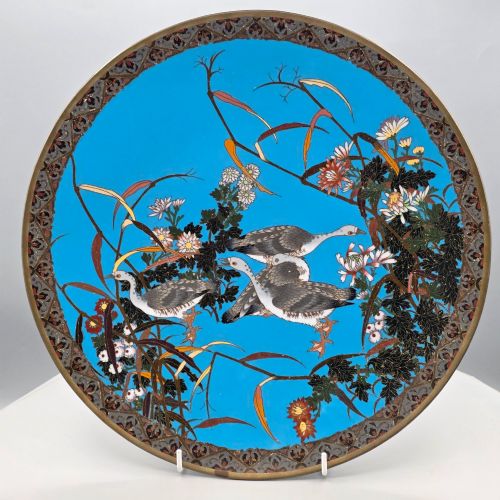
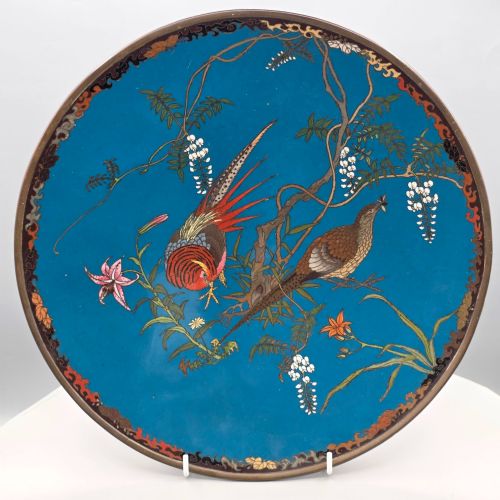
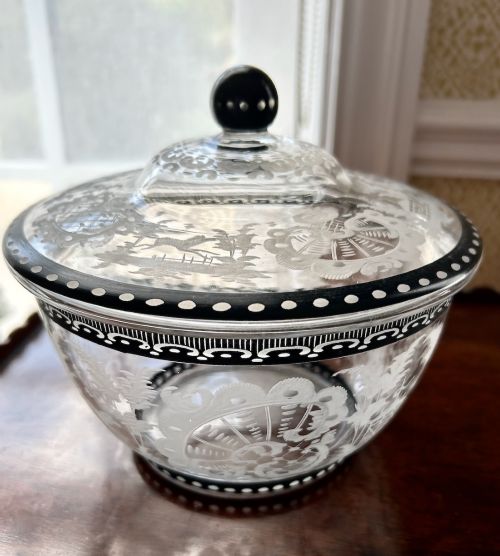
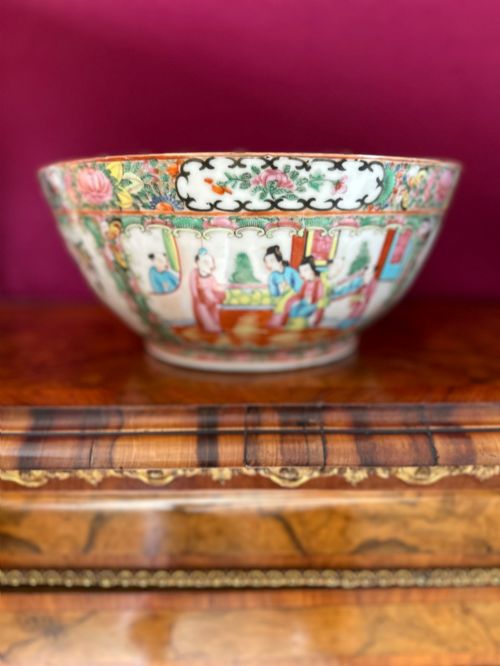
Formats range widely from small, hinged Bilston patch boxes and French glass trinket containers to large Japanese cloisonné chargers and Chinese export painted copper bowls.
How they were made
Maker utilise vitreous enamel fused onto metal bases such as copper, bronze, or sterling silver, often incorporating wire partitions in cloisonné techniques to contain vibrant coloured pastes.
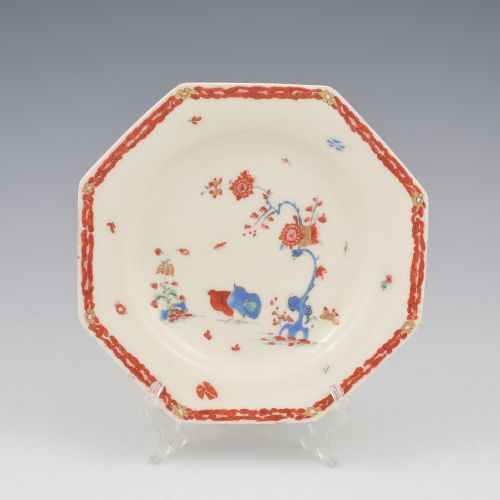
Porcelain and glass serve as alternative substrates, decorated with hand-painted enamel pigments, gilt detailing, and gold leaf applications before undergoing kiln firing.
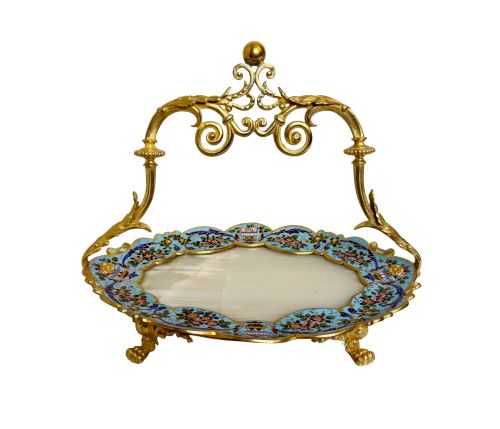
Mounts in gilt bronze, brass, or cut glass frequently complement the enamelled surfaces, particularly in nineteenth-century French and Chinese export pieces.
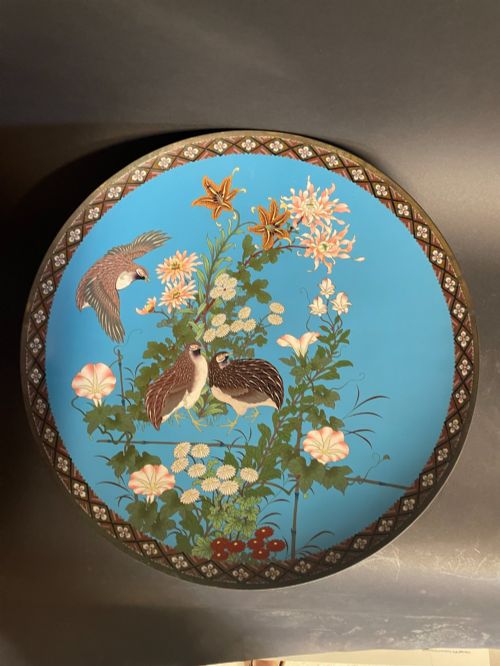
A nineteenth-century Japanese cloisonne charger records a moment in nature with depictions of a frog, a butterfly, and chrysanthemums.
What varies in quality
The distinction between standard and superior pieces rests upon the precision of the hand-painted detailing and the complexity of the compositional layout across the surface.
Excellence shows in the uniform fusion of the vitreous paste, the clarity of the colour saturation, and the refinement of the underlying metal or porcelain body.
Meiji period Japanese cloisonné and eighteenth-century European enamel boxes demonstrate varying degrees of intricacy in wirework and depth in the polychrome glazes.
The Antique Enamel Dish Glossary
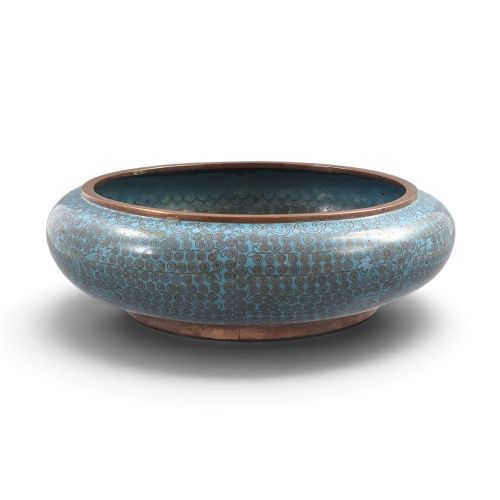
- Cloisonne Enamel
- A decorative technique where metal wires are soldered to a metal base to create compartments filled with enamel paste before firing. This method produces intricate cellular patterns across chargers and bowls.
- Champleve
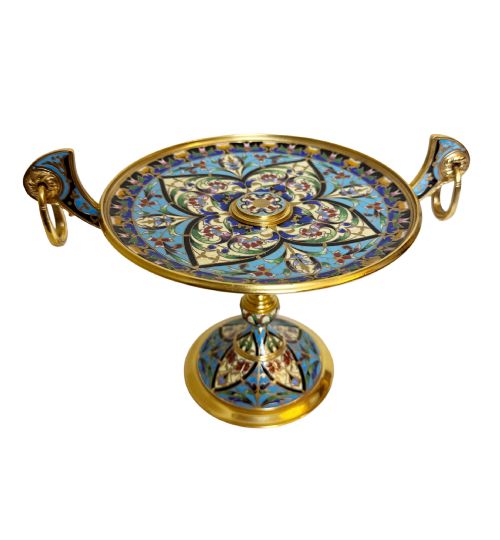
- A process in which troughs or cells are carved directly into a thick metal surface and filled with enamel before heating. It frequently appears on nineteenth-century bronze trays and tazzas.
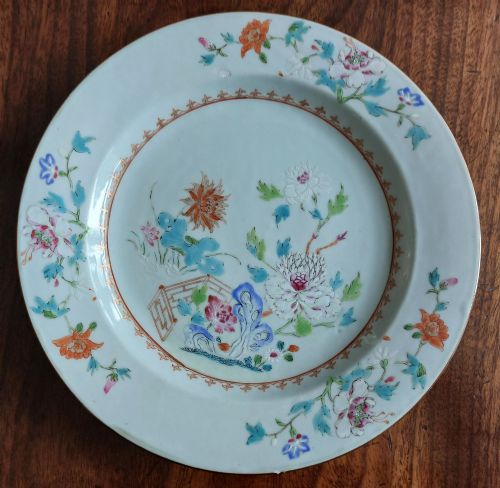
- Famille Rose
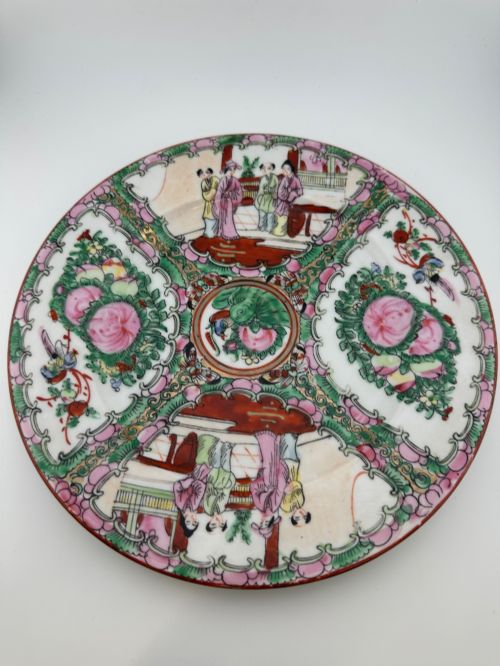
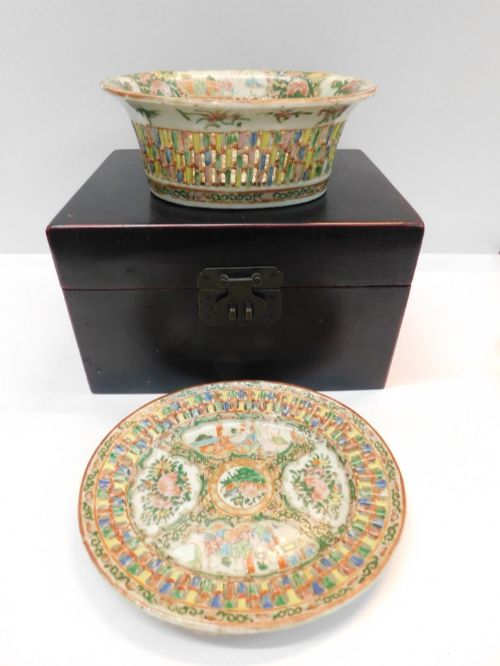
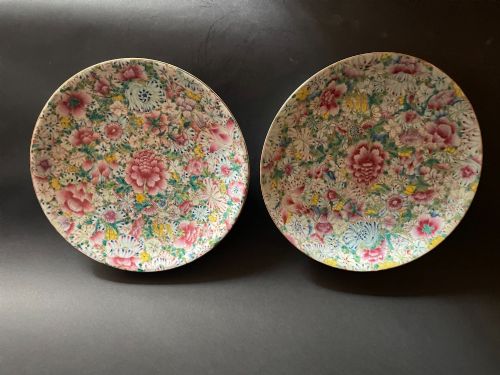
- A prominent palette of opaque pink and rose enamel colours introduced in Chinese ceramics during the Qing dynasty. It defines many eighteenth and nineteenth-century export plates and dishes.
- Guilloche
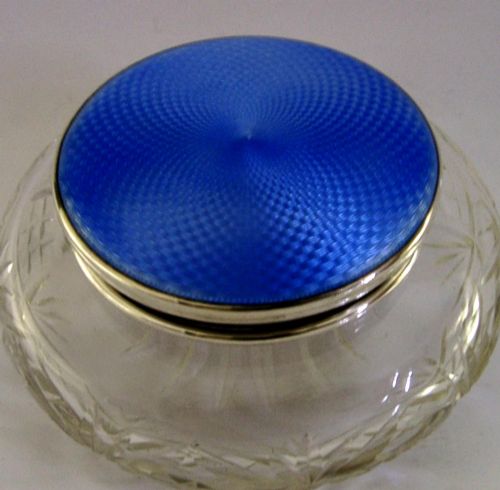
- An ornamental mechanical engraving technique applied to metal beneath a translucent layer of enamel. It creates repeating geometric patterns common on twentieth-century silver pin dishes.
- Meiji Period
- The era of Japanese history lasting from eighteen sixty-eight to nineteen twelve, celebrated for advanced metalwork and large decorative cloisonné chargers.
Antique Enamel Dish: Frequently Asked Questions
What materials make up an antique enamel dish?
These pieces combine vitreous glass pastes fused onto metal foundations like copper, bronze, or silver. Other examples apply the technique directly onto ceramic porcelain or moulded glass bodies.
Substrates often include supplementary mounts in gilt bronze or brass, depending on the manufacturing origin and period.
How are different manufacturing periods identified?
Dating relies on stylistic markers, material combinations, and regional motifs characteristic of specific eras. Eighteenth-century pieces often display distinct European box formats, while nineteenth-century items frequently show Japanese Meiji or Chinese Canton influences.
Marks, signatures, or specific colour palettes such as Famille Rose further anchor pieces within particular decades.
How were these dishes used historically?
Many served as decorative chargers, wall plates, or centrepiece trays displayed prominently in homes. Smaller items functioned as trinket boxes, patch boxes, or desk accessories for holding personal effects.
Enamelled dishes also acted as scholarly scholar's items or delicate vessels for serving sweetmeats and preserves.
How do I care for an antique enamel dish?
Preservation involves dusting gently with a soft, dry cloth and avoiding abrasive cleaning agents or harsh chemical immersion. Enamel and gilt surfaces remain sensitive to impacts and abrupt temperature changes.
Displaying pieces away from direct sunlight protects the vibrant pigments from fading over time.