

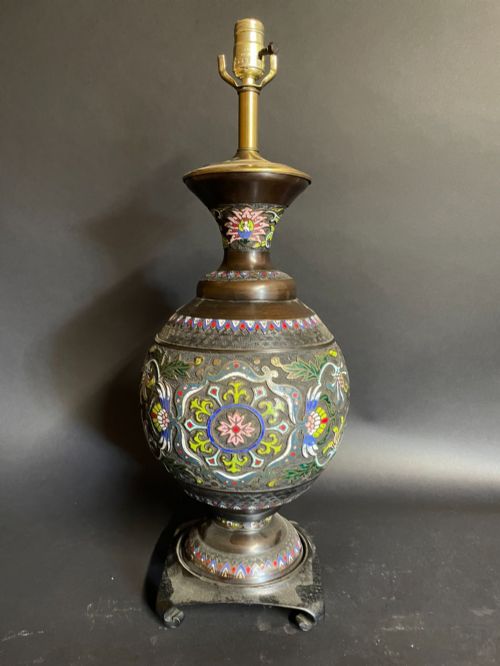


Antique Chinese Lighting
Antique chinese lighting brings together centuries of ceramic art and metalwork converted to illuminate modern interiors with distinct cultural character.
Antique Chinese Lighting
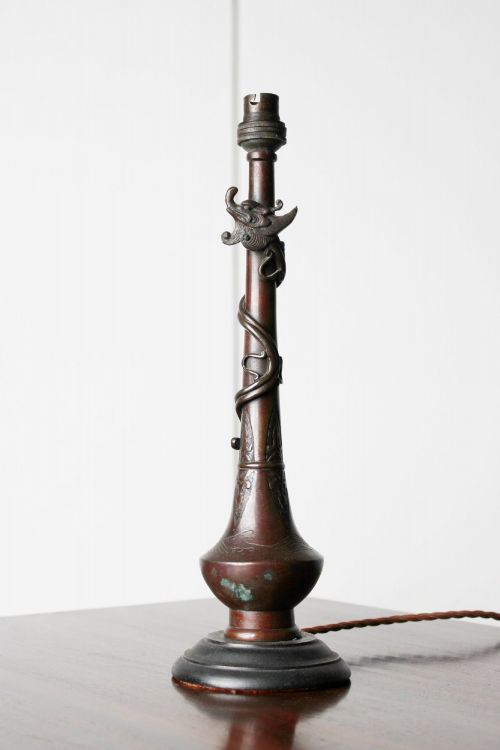
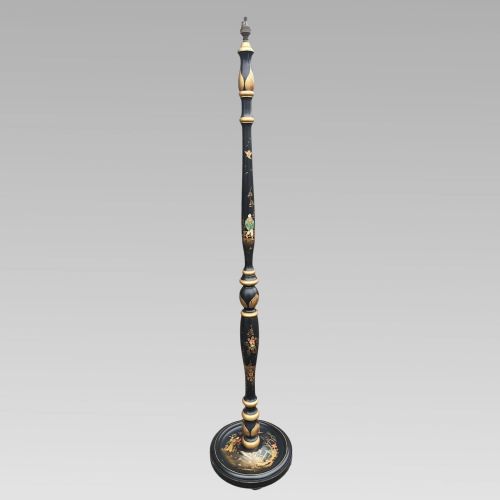
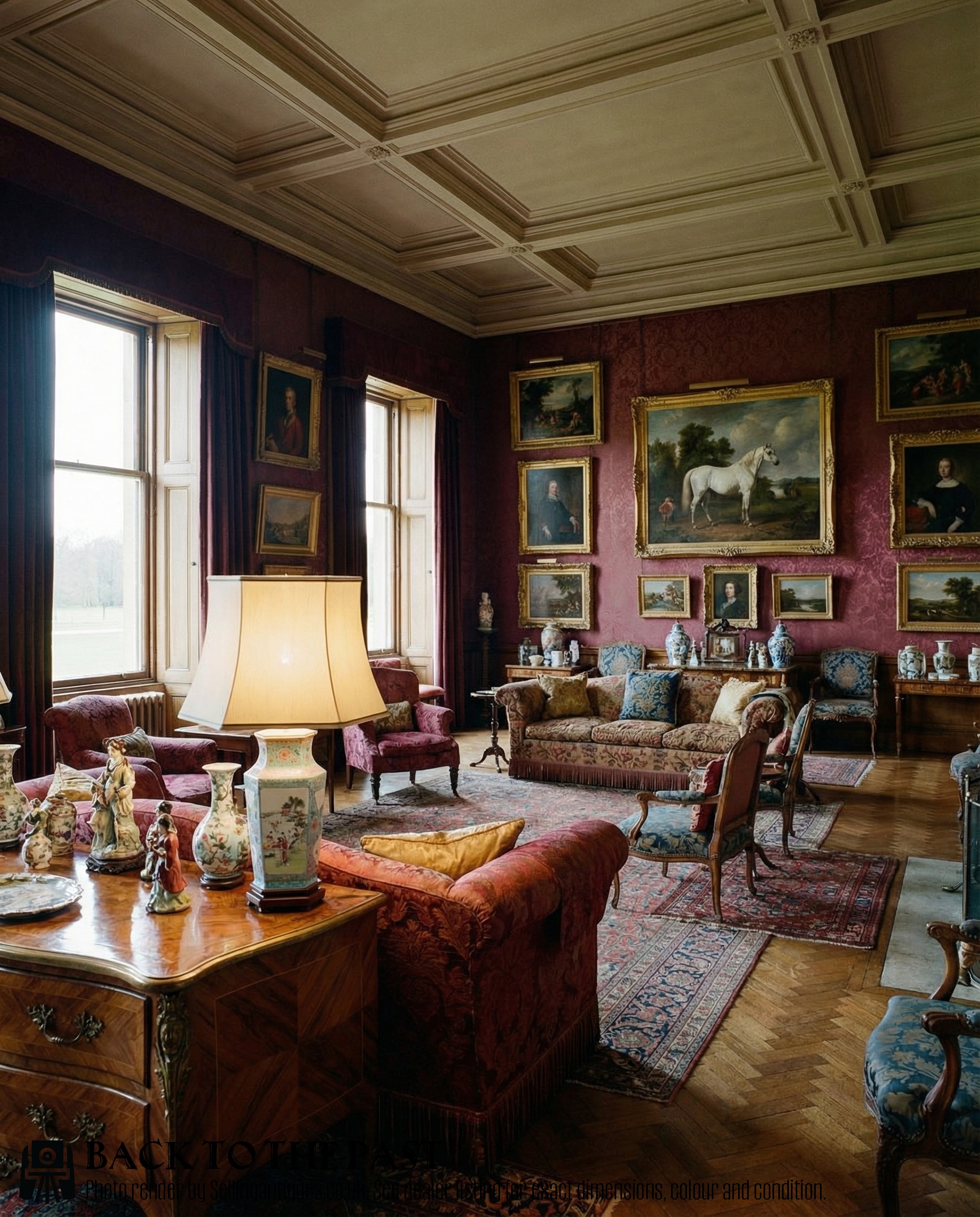
When searching for antique chinese lighting, collectors encounter a diverse selection of forms primarily centred on table lamps, floor lamps, and standard lamps. Many pieces originate from the nineteenth century and the early twentieth century, incorporating older ceramic vessels adapted for electrical illumination.
Stylistic influences span traditional Qing Dynasty aesthetics alongside Edwardian and later interpretations of Chinoiserie. These items function as sculptural centrepieces while retaining their original decorative motifs.
Materials and Construction Techniques
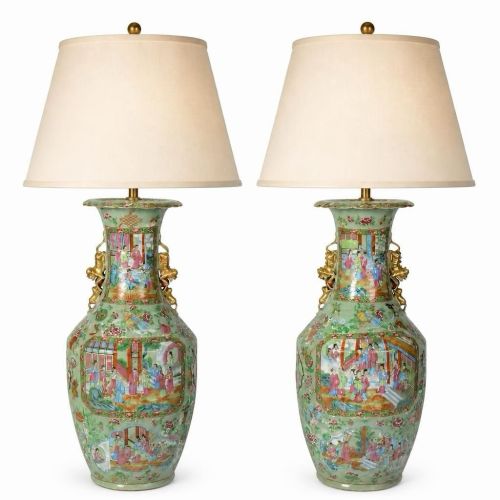
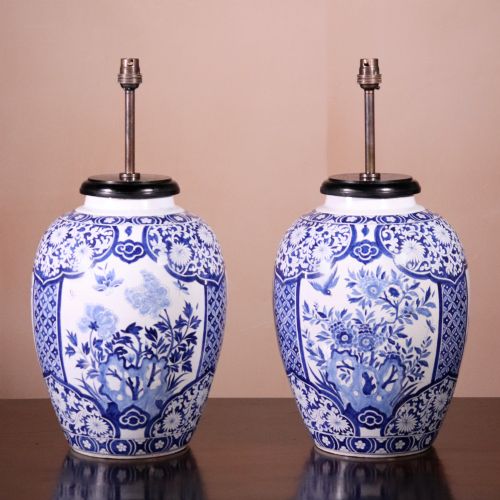
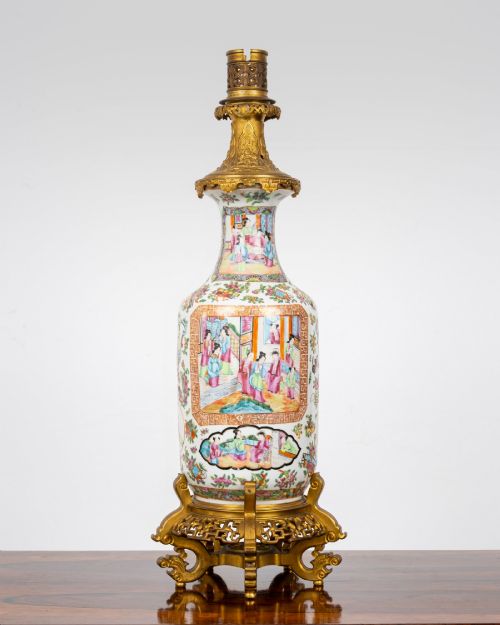
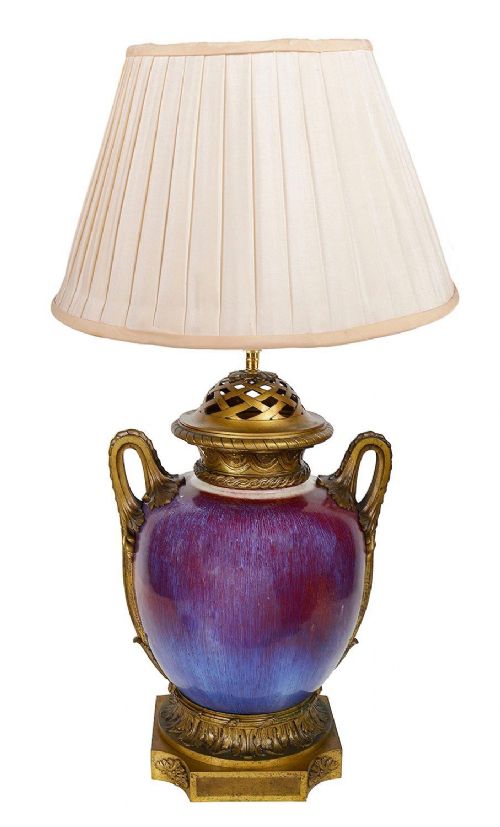
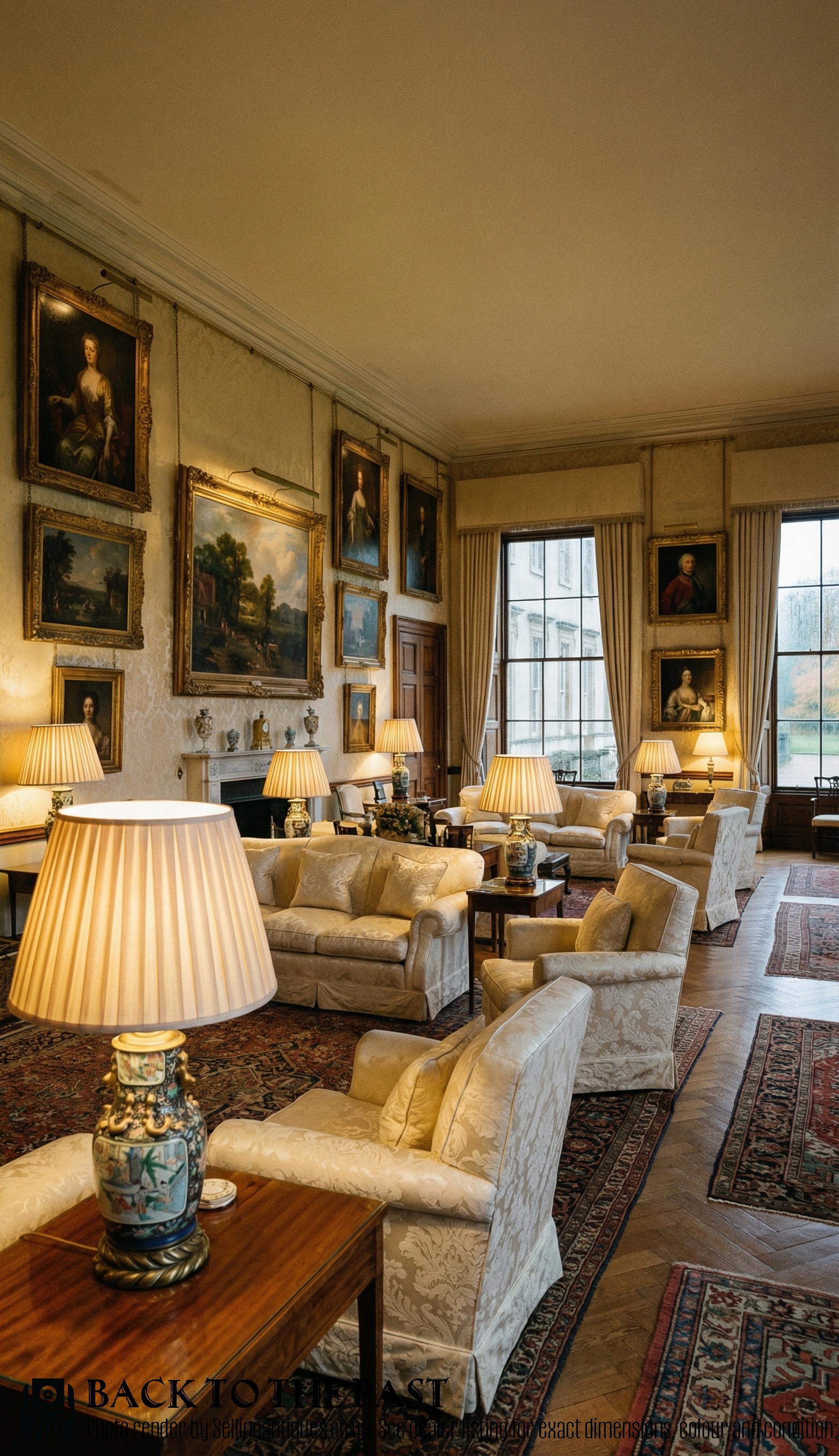
The manufacture of these luminaires relies heavily on high-fired porcelain and glazed ceramics combined with cast bronze, brass, and ormolu mounts. Artisans frequently repurposed antique ginger jars, temple vases, and tea canisters by drilling the bases for wiring.
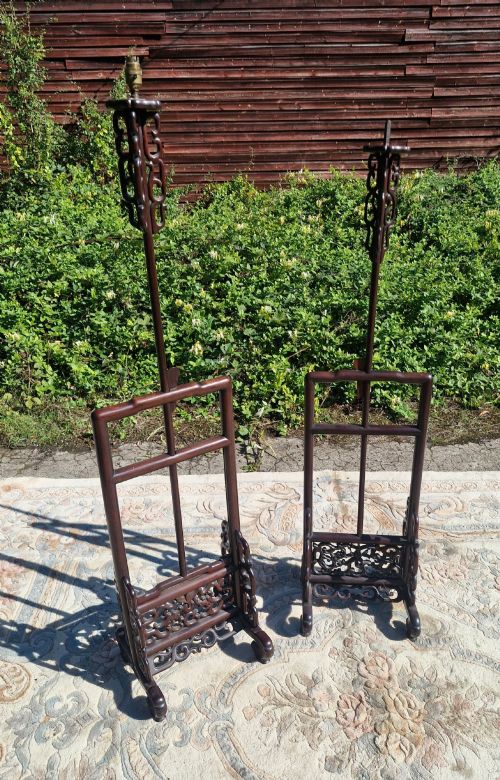
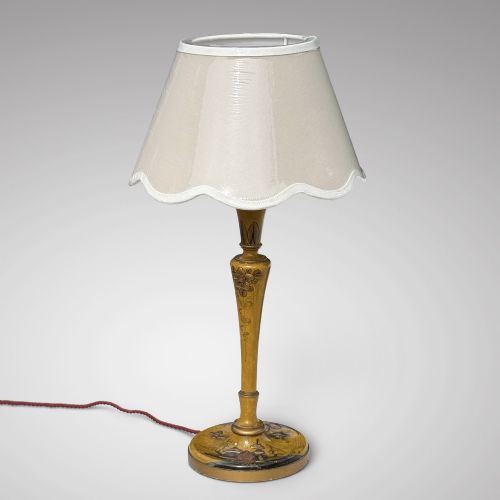
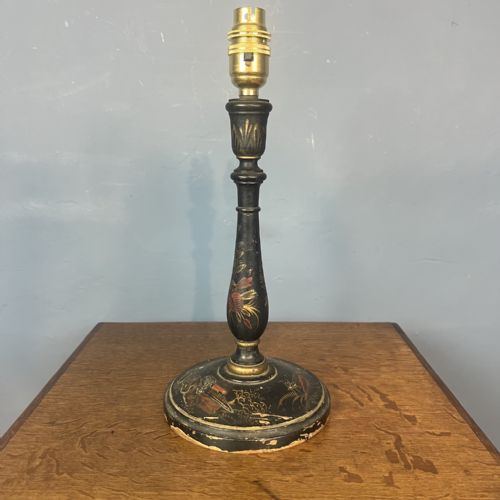
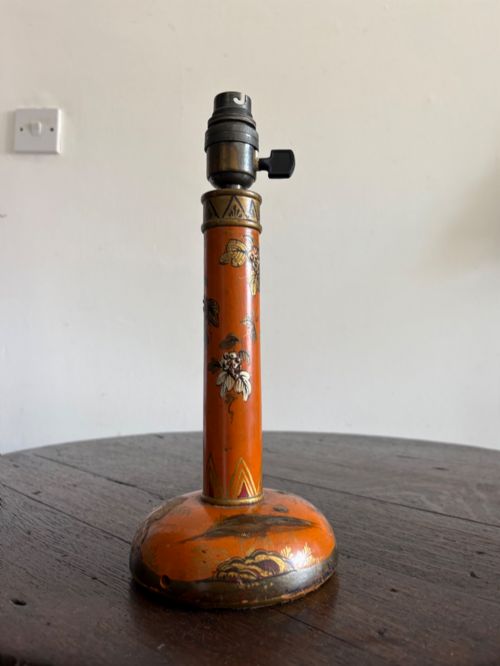
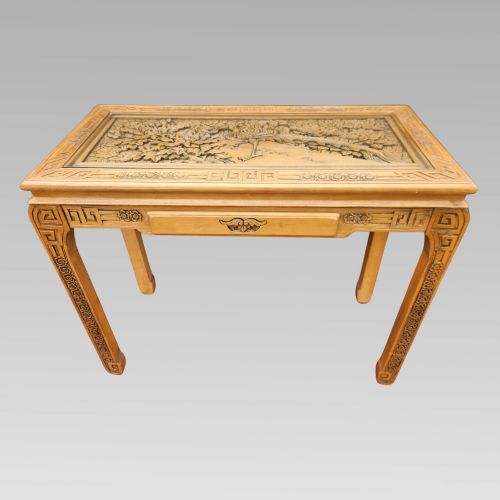
Wooden elements utilise carved hardwoods, root wood, and lacquered surfaces finished with hand-painted detailing in mandarin orange, ochre, and black pigments. Metal components often display patination or gilt finishing to complement the ceramic bodies.
Antique Chinese Lighting Retail Price Guide 2026
Typical asking prices for chinese lighting among the pieces listed under this phrase on Sellingantiques today, from the lower quarter to the upper quarter. They describe what is for sale here now, not the wider market.
Several fierce Foo Dogs stand guard over the living room, moonlighting as domestic illumination.
Distinctions in Quality
The standard of a piece often rests upon the fidelity and age of the primary ceramic vessel or metal casting before conversion. Finely painted Famille Rose or blue and white porcelain with crisp detail commands greater interest than plainer production.
The integration of mounts, such as cast bronze and ormolu framing, dictates the overall refinement of the object. Harmonious proportions between the body of the lamp and its wiring hardware separate superior examples from simpler conversions.
The Antique Chinese Lighting Glossary
- Famille Rose
- A major palette of Chinese ceramic glazes distinguished by opaque pink enamel, introduced during the Qing Dynasty. This colourful style decorates many porcelain vase lamps.
- Celadon
- A term for ceramics denoting a pale green jade-like glaze applied to porcelain. These vessels often date from the nineteenth century.
- Cloisonné
- An ancient technique for decorating metalwork objects with coloured material held in place by thin metal strips welded to the body. Pieces utilise this method for vibrant surface patterns.
- Ormolu
- Gilded bronze applied as decorative mounts on furniture and porcelain bases. This French technique frequently appears on nineteenth-century export pieces.
- Chinoiserie
- The European interpretation and imitation of Chinese artistic traditions in design and furniture. Edwardian makers embraced this style for lacquered lighting.
Antique Chinese Lighting: Frequently Asked Questions
How do I choose the right lampshade?
Selecting a shade involves balancing the visual weight of the ceramic body or bronze standard. Fabric choices often echo the period hues found in the hand-painted motifs.
Ensuring the drop of the shade matches the height of the stem keeps the proportions correct for placement on console tables or sideboards.
Are these lamps recently rewired?
Many antique lamps undergo rewiring to meet contemporary electrical standards while preserving the original body. Dealers frequently update components for safety during daily domestic use.
Checking the cord and plug style confirms whether a professional update has occurred since the piece arrived on the market.
Can I use these in modern interiors?
These luminaires adapt well to contemporary spaces by serving as sculptural accents that anchor a room's colour scheme. Their varied heights suit placement on side tables or as floor-standing standards.
Pairing them with neutral walls allows the lacquer, brass, and porcelain details to remain the focal point of the interior.
How do I date a porcelain lamp?
Dating relies upon examining the characteristics of the glaze, the style of the hand-painted decoration, and the construction of any metal mounts. Nineteenth-century pieces often display distinct potting traits characteristic of the Qing Dynasty.
Comparing the base fittings and any drilled apertures provides further clues regarding when the vessel was converted into a lamp.