
Oriental Table Lamp
An oriental table lamp brings distinct decorative depth to a room, combining rich materials with classic forms.
Oriental Table Lamp Types
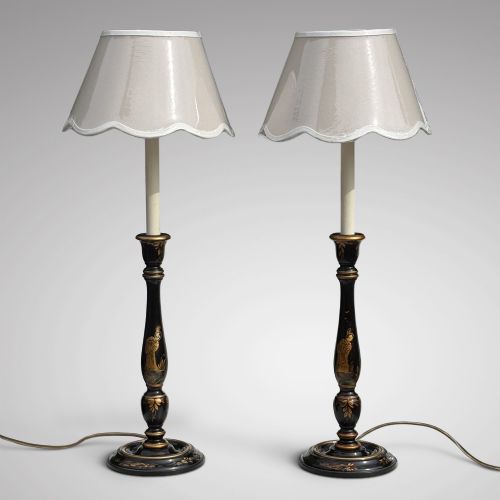
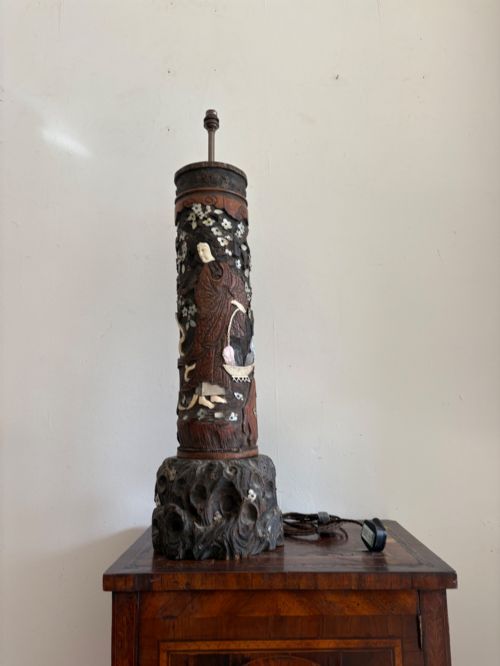
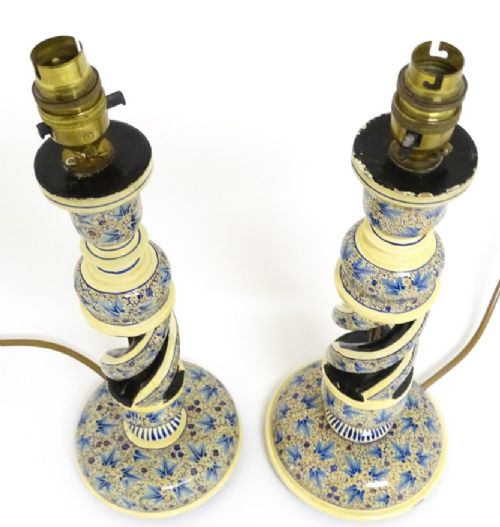
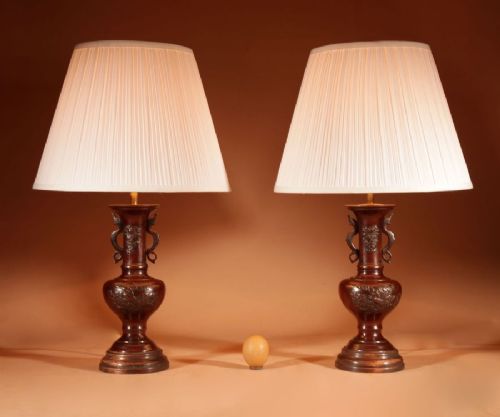
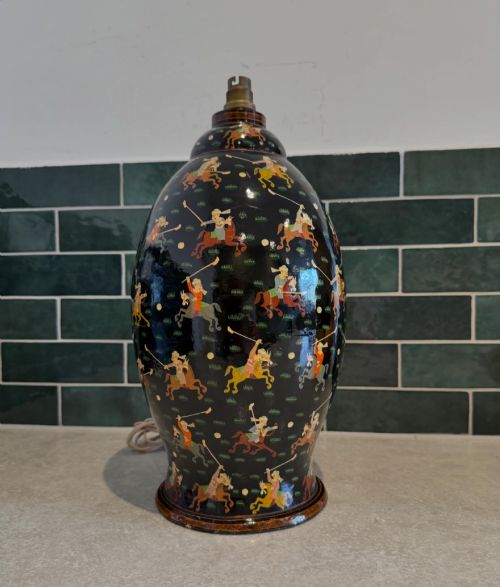
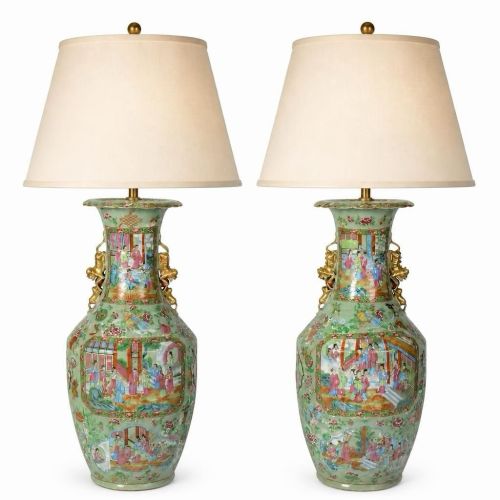
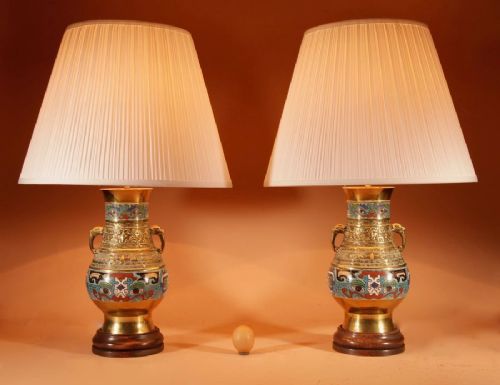
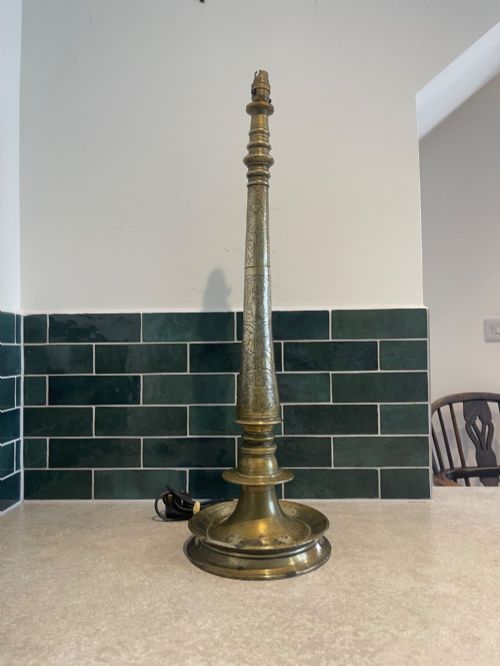
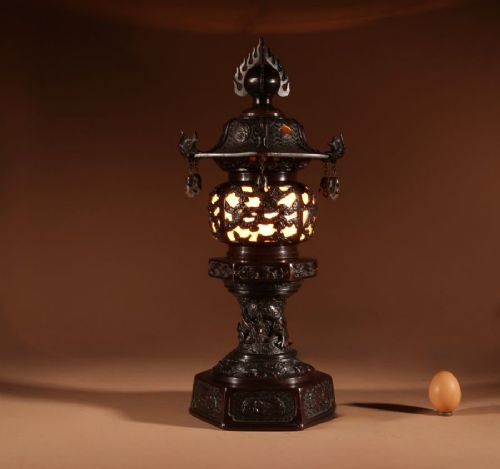
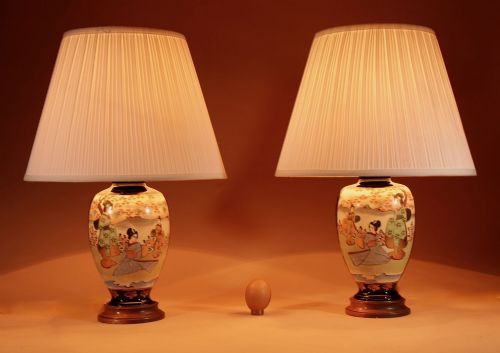
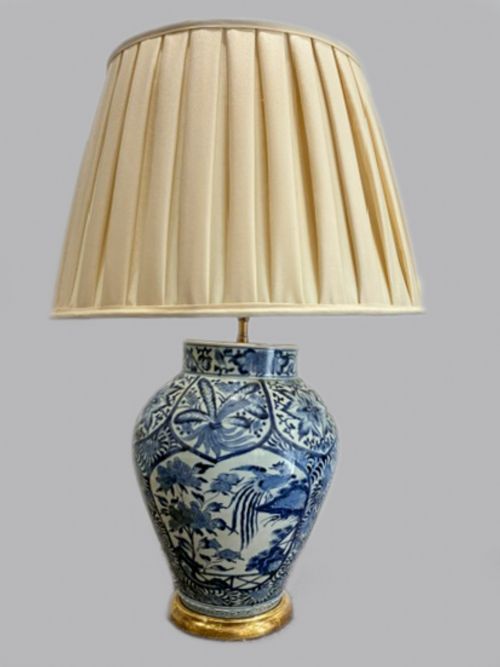
When you search for an oriental table lamp, you encounter pieces that range from converted antique ceramic vessels to purpose-built metal designs. The selection frequently includes porcelain baluster vases and bronze urns transformed into lighting.
The objects span from the nineteenth century into the twentieth century, encompassing varied aesthetic traditions such as Chinoiserie and Chinese Archaistic styles. Many examples utilise traditional bodies paired with later electrical fittings.
Ceramic forms often feature hand-painted details, whilst bronze and brass versions showcase cast ornamentation. Buyers are most likely to meet ceramic and metal constructions among the current selection.
Materials and Technique
The construction relies on durable materials including porcelain, bronze, brass, hardwood, and fabric. Artisans shaped metal through casting and pressing, whilst ceramic pieces display glazed and painted finishes.
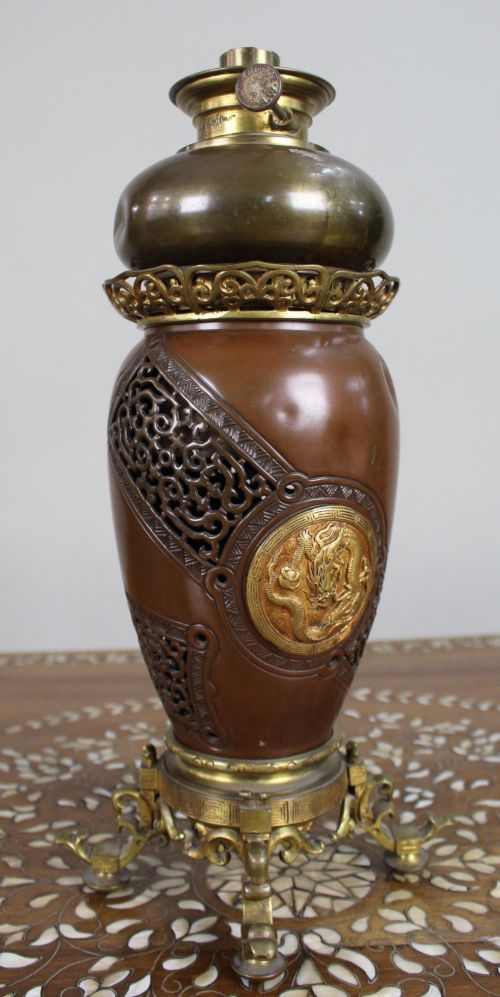
Mounts in ormolu and gilt bronze often accent the ceramic bodies, demonstrating careful assembly by period craftsmen. Structural elements combine wood and metal to support the weight of larger vases and urns.
Retail Price Guide 2026
Typical UK retail prices for oriental table lamp, calculated from the Sellingantiques database of over a million retail prices indexed since 2003. This retail price guide relies exclusively on Sellingantiques data; no external sources or auction records are used, so the figures do not describe the wider market.
Some lucky dragons caught in verdigris manage to brighten dark corners without breathing any actual fire.
Evaluating Quality
The standard of the body and the precision of any metal mountings dictate the overall caliber of the piece. Finer examples display crisp casting work and carefully applied hand-painted glazes that retain their depth.
Material selection plays a significant part, with substantial bronze or high-grade porcelain elevating the piece above simpler earthenware versions. The harmony between the original vessel and the added lighting hardware distinguishes superior conversions.
The Oriental Table Lamp Glossary
- Baluster
- A tall ceramic or wooden vase form characterised by a swollen lower portion and a narrow neck. This shape is frequently utilised for lamp bodies.
- Famille Verte
- A Chinese porcelain palette dominated by green enamel colours, developed during the Qing dynasty. Pieces featuring this palette often appear in nineteenth-century lamp conversions.
- Ormolu
- Gilt bronze mounts applied to furniture or ceramic bases for decorative effect. It provides a bright metallic accent to darker porcelain or bronze bodies.
- Archaistic
- A decorative style that imitates ancient forms and motifs from earlier historical periods. It appears on bronze and ceramic pieces within this category.
Frequently Asked Questions
How are these lamps powered?
Most antique lighting has been rewired for modern electrical standards to ensure safety during daily use.
Buyers should check the specific wiring details of each individual piece before connection.
Are these converted vessels?
Several pieces originate as antique vases, jars, or urns that later received electrical fittings to function as lamps.
This method preserves historical ceramics while giving them a practical purpose in contemporary interiors.
How do I clean the surface?
Dusting metal mounts and ceramic bodies with a dry, soft cloth prevents the buildup of grime.
Harsh chemical cleaners should be avoided to protect antique glazes and patinated bronze surfaces.
What periods do they date from?
The available selection spans the nineteenth century through to the early decades of the twentieth century.
Stylistic markers and material types help identify the approximate age of each piece.