



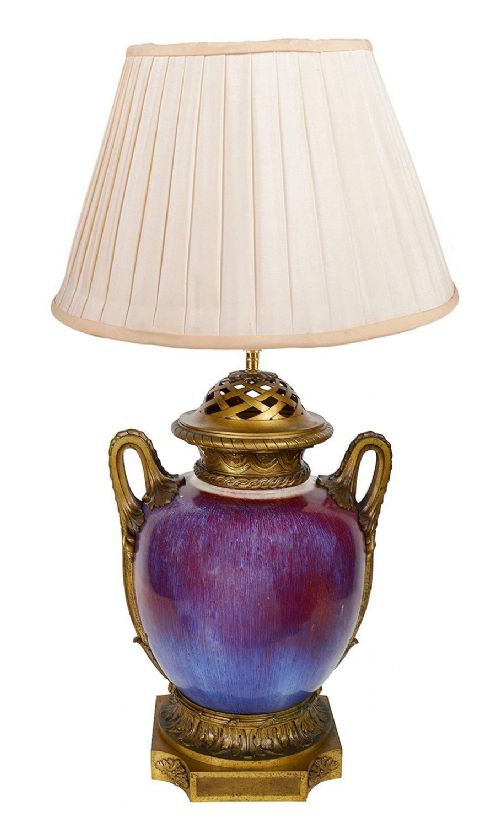


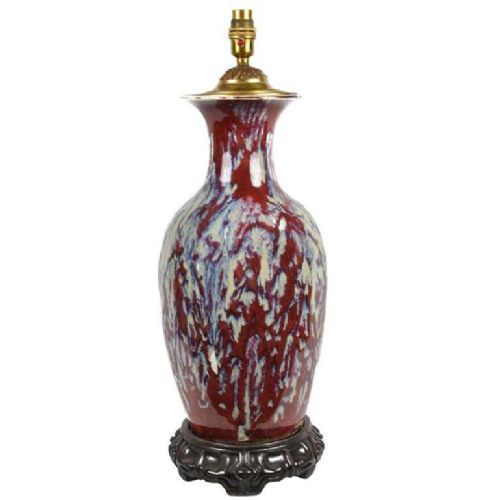


Qing Dynasty Style Lamp
These qing dynasty style lamp selections bring historic porcelain and hardwood into modern rooms.
Qing Dynasty Style Lamp
When you search for a qing dynasty style lamp, you encounter pieces transformed from earlier vessels into lighting, alongside stands designed to hold them. The selections span the eighteenth century through to the early twentieth century, incorporating Victorian interpretations and Chinese export work.
Porcelain forms dominate the available lighting, particularly ginger jars and baluster vases finished in blue and white, crackleware, famille verte, and sang de bouf. Alongside these ceramic bodies stand carved hardwood lantern stands, side tables, and occasional tables featuring marble inserts.

How they were made
Potters shaped the ceramic bodies by hand before applying intricate glazes and enamels, such as famille rose and powder blue, often mounted with ormolu and brass fittings. Artisans carved dense hardwood to create tiered tables and plant stands, frequently integrating inset marble tops for durability.
Many ceramic lamps began life as vases or jars before receiving electrical wiring and fabric shades in later decades. The combination of turned wood, polished brass, and hand-painted porcelain reflects traditional craftsmanship adapted for domestic illumination.
Qing Dynasty Style Lamp Retail Price Guide 2026
Typical asking prices for qing dynasty style lamp among the pieces listed under this phrase on Sellingantiques today, from the lower quarter to the upper quarter. They describe what is for sale here now, not the wider market.
Listings combine nineteenth-century porcelain vases with carved hardwood occasional tables and marble-topped jardiniere stands.
What varies in quality
The distinction between tiers rests upon the crispness of the porcelain painting, the depth of the glaze colours, and the integrity of the hardwood carving. Finer ceramic bodies display precise brushwork and stable glazing, while lesser examples show simpler decoration and heavier mounting.
Structural solidity defines the furniture and lamp bases, with well-joined hardwood and securely fitted mounts commanding greater attention. The subtlety of the crackleware patterns and the preservation of original ormolu and brass elements also signal superior execution.
The Qing Dynasty Style Lamp Glossary
- Famille Verte
- A palette of green enamels used on Chinese porcelain, prominent during the Qing dynasty. This style often depicts floral and figural scenes with great detail.
- Sang De Boeuf
- A deep red copper-glazed porcelain finish resembling ox blood, developed during the Qing period. It requires precise kiln control to achieve its characteristic rich hue.
- Crackleware
- Pottery featuring a network of fine cracks in the glaze, deliberately created during firing. This texture adds subtle pattern and tactile depth to the ceramic surface.
- Ormolu
- Gilded bronze mounts applied to furniture and porcelain bases for decoration. The technique involves coating metal in a gold amalgam to produce a bright finish.
- Baluster
- A vase or lamp body shaped with a bulbous lower portion tapering to a narrow neck. This classic silhouette provides stable proportions for domestic lighting.
Qing Dynasty Style Lamp: Frequently Asked Questions
Are these lamps wired for modern use?
Most of the porcelain and vase lamps listed show evidence of rewiring to suit contemporary electrical standards.
Buyers should check individual listings to confirm current plug types and fitting specifications before installation.
How do I identify a ginger jar lamp?
Ginger jars feature rounded bodies with broad shoulders and short necks, historically used for storage before conversion into lighting.
When mounted as lamps, they retain this distinctive spherical silhouette, often paired with silk fabric shades.
What wood is used for the lamp tables?
The tables and stands are constructed from dense Oriental hardwoods, frequently carved with traditional motifs.
Many incorporate marble tops inset into the timber frame to provide a sturdy, heat-resistant surface for display.
How do I care for antique porcelain?
Dust ceramic bodies gently with a soft, dry cloth to prevent accumulation on painted glazes and textured crackleware surfaces.
Avoid using chemical cleaners or submerging mounted metal fittings in water to preserve the original finish.