


Chinoiserie Vase Table Lamp
A chinoiserie vase table lamp brings storied ceramic bodies into domestic interiors, offering decorative painted scenes and rich metallic mounts.
Chinoiserie Vase Table Lamp
A chinoiserie vase table lamp transforms antique vessels into functional lighting, combining traditional ceramic bodies with electrical fittings. Buyers examine pieces originating primarily from the nineteenth and eighteenth centuries, alongside later twentieth-century interpretations.
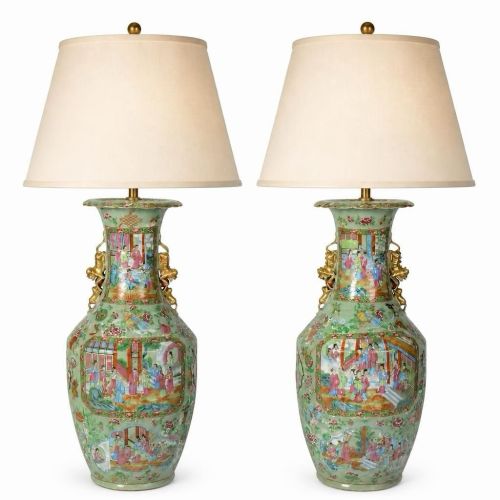
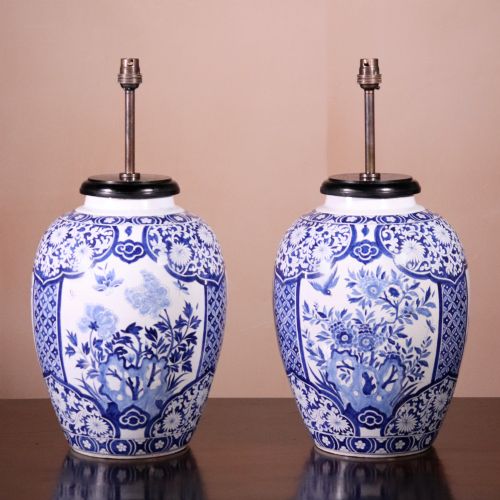
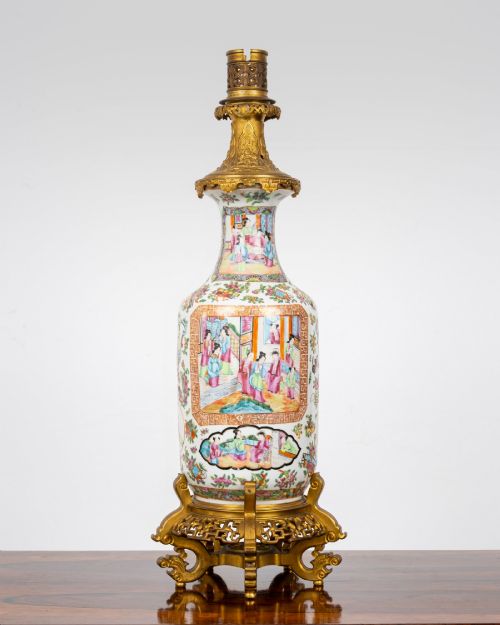
The most common examples on this page are nineteenth-century Chinese porcelain and Japanese ceramic vessels, frequently mounted with brass, gilt bronze, or ormolu. These table lamps adopt diverse forms, including blue and white jars, cloisonné enamel containers, and famille verte or famille rose vases.
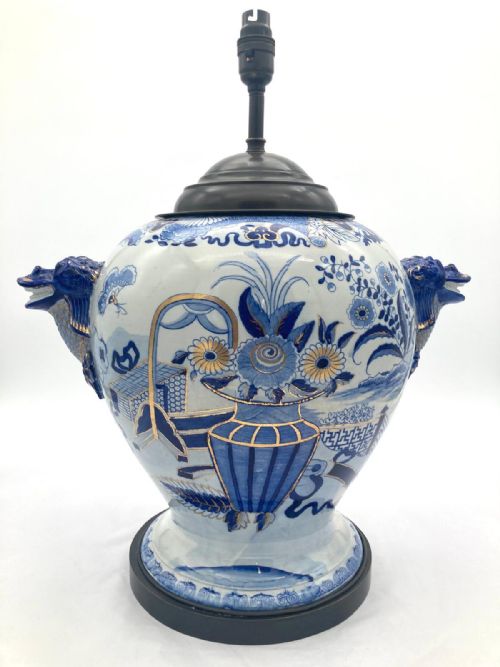
Additional variations include Dutch delftware and ironstone bodies, often adapted into lamps during subsequent decades. Many listings present matched pairs, providing symmetrical options for interior placement.
Materials and construction
Construction relies heavily on fired porcelain, ceramic, and earthenware bodies shaped into traditional vase or jar profiles. Artisans decorated these surfaces using hand-painted pigments, underglaze blue, enamel colours, and transfer-printed decalcomania techniques.
Metal components such as ormolu, brass, and gilt bronze provide structural mounts, bases, and neck collars that secure the electrical fittings. Silk and fabric shades frequently complete the assembly, casting light across the decorated ceramic surfaces.
Listings feature porcelain, brass, fabric, wood, silk, ceramic, enamel, and gilt bronze across eighteenth and nineteenth-century periods.
Quality and execution
Quality separates in the precision of the hand-painted ceramic detail and the crispness of the enamel or underglaze blue work. Finer vessels display confident brushwork and rich colour palettes, whereas simpler examples rely on more repetitive decoration or decalcomania applications.
The integration of the metal mounts heavily influences the character of the piece. Superior examples utilise heavy cast ormolu or gilt bronze mounts that complement the contours of the ceramic body, while standard versions incorporate simpler brass fittings.
Hicks and Meigh·Samson Porcelain
The Chinoiserie Vase Table Lamp Glossary
- Famille Rose
- A palette of opaque enamel colours dominated by rose pink, developed during the Qing dynasty. This palette frequently appears on Chinese porcelain vase table lamps.
- Cloisonné
- A metalworking technique where enamel is applied within compartments created by soldered wire strips. These vibrant vessels are frequently converted into distinctive lamps.
- Ormolu
- Gilt bronze mounts applied to furniture and ceramics, popular in French and English interior design. These metallic additions elevate the status of the underlying vase.
- Delftware
- Tin-glazed earthenware originating from the Netherlands, mimicking Chinese blue and white porcelain. Eighteenth-century examples of this ceramic frequently form the base of antique lamps.
- Rose Medallion
- A distinct style of nineteenth-century Chinese export porcelain featuring segmented panels of figures and birds enclosed by floral borders. These brightly coloured panels define many lamp bases.
Chinoiserie Vase Table Lamp: Frequently Asked Questions
What is a chinoiserie vase table lamp?
A chinoiserie vase table lamp is an antique ceramic vessel converted into a functional light fitting. These pieces combine historic pottery with electrical wiring to illuminate domestic spaces.
They typically feature hand-painted oriental scenes, floral patterns, or decorative metal mounts. Each lamp repurposes a historic decorative object for contemporary interior use.
How do I identify the period?
Dating relies on examining the ceramic paste, glaze characteristics, and painting style. Nineteenth-century examples often display vibrant famille rose or green palettes, while eighteenth-century pieces show earlier delft or export traits.
Metal mounts also provide clues, as Regency and nineteenth-century ormolu differs significantly from later twentieth-century brass work. Reviewing the listed period helps establish the age of the ceramic body.
Are these lamps rewired?
Many antique vase lamps undergo rewiring to ensure they meet modern electrical standards. Listings often specify whether a lamp has been recently rewired for contemporary use.
Buyers should inspect the internal wiring and plug type upon acquisition to confirm suitability for their home electrical system. Professional rewiring preserves the antique body while ensuring safety.
Where should I place these lamps?
These lamps suit sideboards, mantlepieces, or large side tables where their decorative ceramic bodies remain visible. Paired items work particularly well on matching console tables or bedside units.
The scale of the vase dictates the placement, with larger nineteenth-century specimens requiring sturdy furniture to support their height and weight.