


19th Century Porcelain Lamp
These 19th century porcelain lamp pieces combine ceramic bodies with metal mounts, offering period illumination and decorative presence for an interior.
Identifying a 19th century porcelain lamp
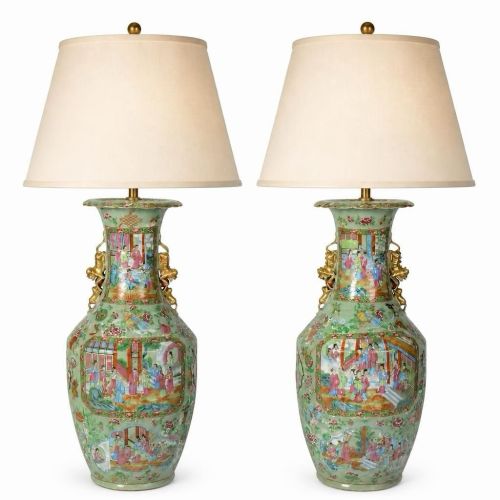
A 19th century porcelain lamp brings together glazed ceramic vessels and metal mounts to create functional lighting for tables and sideboards. These items often originate from Chinese kilns or European factories, reflecting diverse aesthetic movements like Chinoiserie and French Neoclassical design.
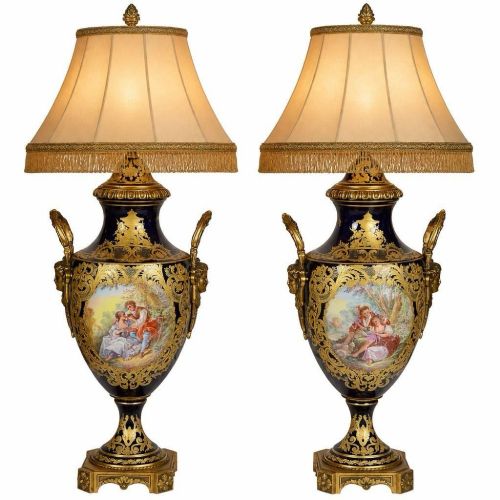
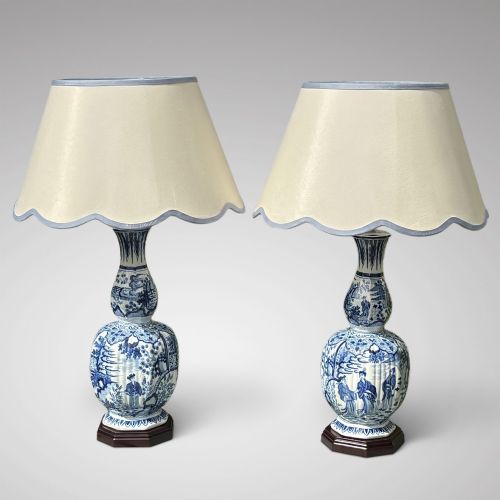
The selection ranges from large pair formats with intricate hand-painted decoration to diminutive enamel painted items and converted oil lamps. Buyers frequently encounter forms utilising ginger jars, vases, or figural subjects such as owls.
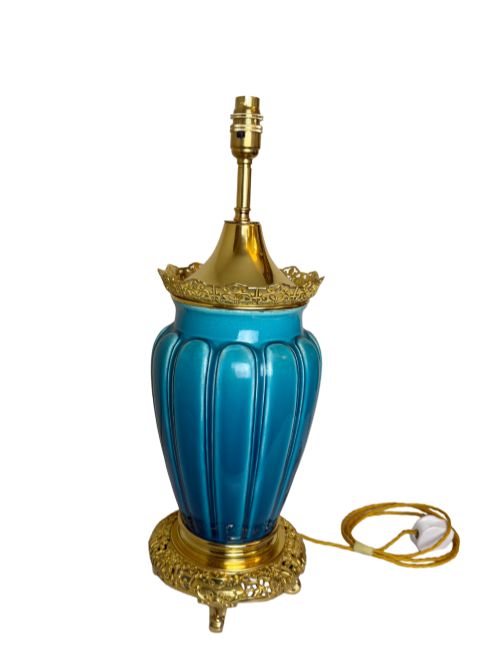
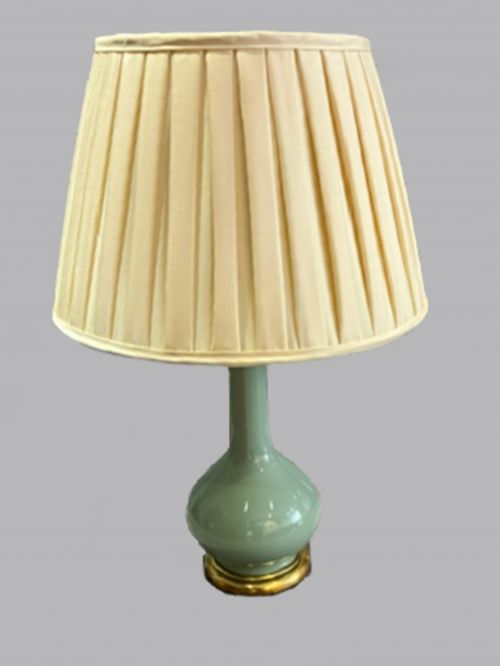
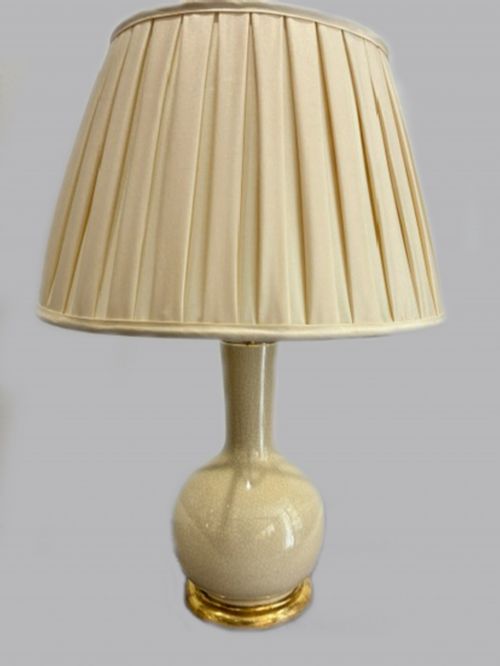
Originating across different decades of the 19th century, these items demonstrate various glaze colours including turquoise blue, sang de boeuf, and traditional blue and white. Many incorporate metal elements that transform earlier ceramic vessels into wired lighting.
Materials and construction
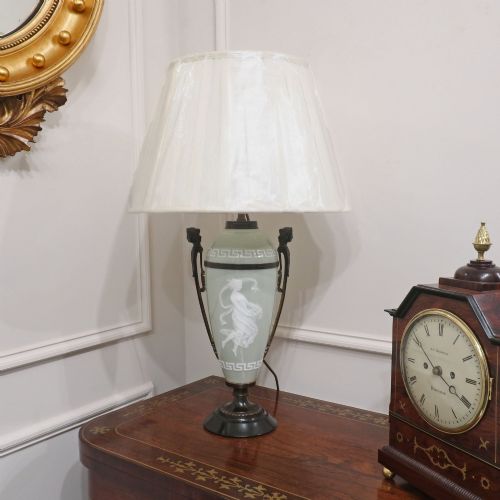
Makers utilised fired porcelain for the main body of each lamp, often applying hand-painted designs, enamel work, or pate sur pate decoration. These ceramic surfaces are paired with metal components such as brass, gilt bronze, and ormolu for mounts and bases.
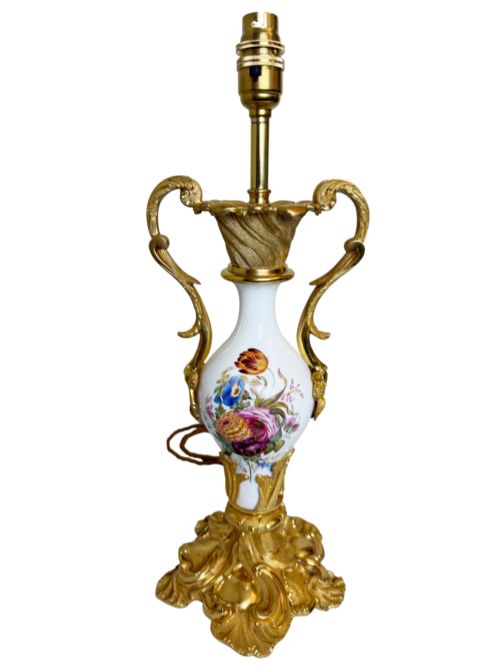
Metal mounts were cast and chased to secure the porcelain vessels, providing structural stability and decorative enrichment in styles ranging from French Chateau to 19th Century French. Fabric elements frequently complete the upper portion when configured as table lamps.
Retail Price Guide 2026
Typical UK retail prices for 19th century porcelain lamp, calculated from the Sellingantiques database of over a million retail prices indexed since 2003. This retail price guide relies exclusively on Sellingantiques data; no external sources or auction records are used, so the figures do not describe the wider market.
German ceramicists occasionally fashioned these nineteenth century light sources into the shape of wise owls.
Distinguishing quality in period lighting
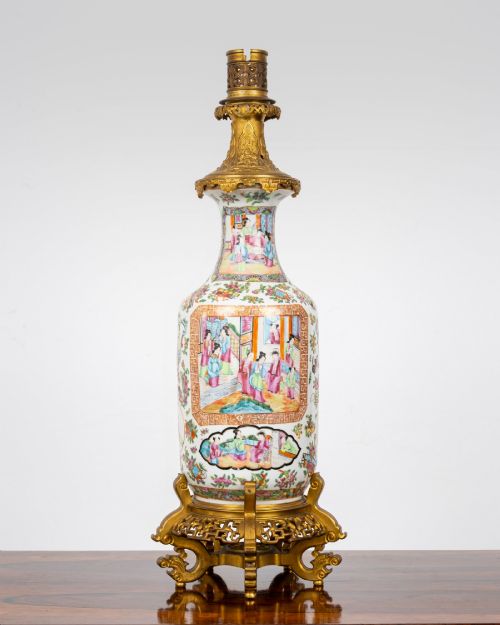
The standard of a piece depends heavily on the fineness of the porcelain body and the artistry of the hand-painted details. Superior examples exhibit precise brushwork, balanced glaze distribution, and sophisticated decorative schemes such as Famille Rose or Famille Vert.
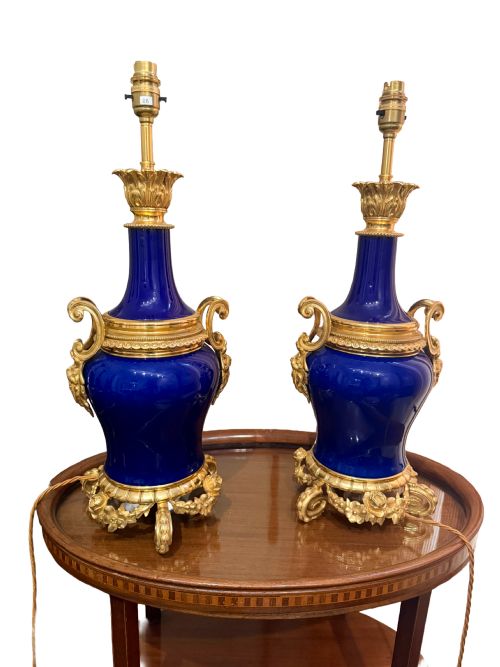
Mount quality plays a significant role, with finely chased gilt bronze or ormolu demonstrating superior craftsmanship compared to simpler brass fittings. The harmonious integration of ceramic vessels with metal mounts separates standard utility items from more ambitious decorative works.
Fischer J Budapest·Samson
The 19th Century Porcelain Lamp Glossary
- Famille Rose
- A palette of opaque overglaze enamels featuring a predominant pink colour. This style appears frequently on Chinese porcelain imported or adapted during the period.
- Ormolu
- Gilt bronze mounted onto decorative objects and furniture. It provides a rich golden contrast against porcelain bodies.
- Pate sur pate
- A ceramic decoration technique where layers of slip are built up to create a low relief cameo effect. This method is seen on late examples from the nineteenth century.
- Sang de boeuf
- A deep red oxblood glaze developed on high-fired ceramics. It creates a rich, mottled surface texture on select lamp bodies.
- Ginger jar
- A ceramic vessel with a broad shoulder and rounded body originally used for storage. Many examples are subsequently converted into table lamps.
Frequently Asked Questions
How do I wire an antique porcelain lamp?
Conversion usually involves routing a modern cord through the central axis or fitted metal mounts without damaging the ceramic body.
Professional electricians should handle the internal wiring to ensure safety while preserving the historical mounts.
Are these lamps converted oil lamps?
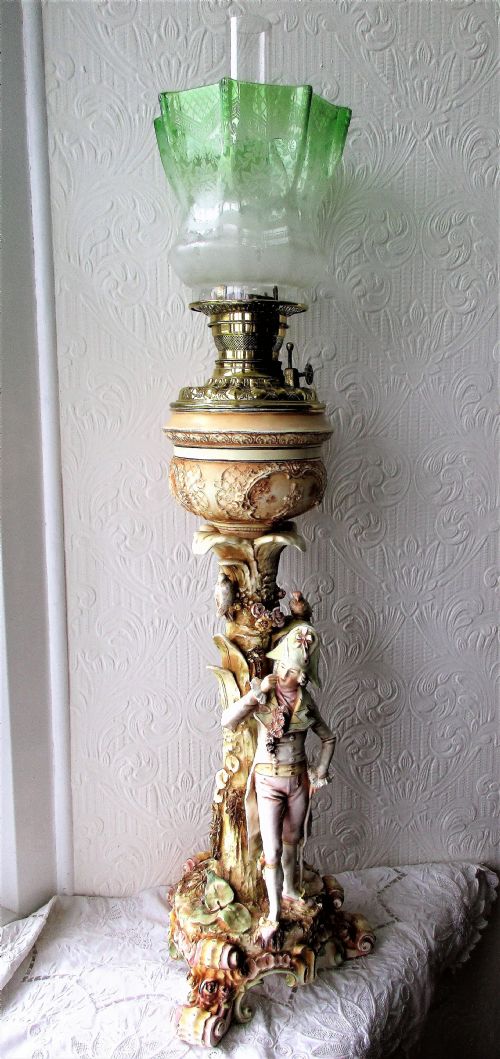
Several pieces originate as nineteenth century oil lamps that utilised brass and bronze burners before later conversion to electricity.
Other examples were created by mounting decorative vases into metal bases specifically for table lighting.
How do I identify Chinese versus European porcelain?
Chinese pieces often display traditional motifs like rose medallion, blue and white, or Famille Vert patterns characteristic of export wares.
European productions frequently emulate these styles through Sevres style decoration or adopt French Neoclassical and chateau aesthetics.
How do I clean a painted porcelain lamp?
Dust surfaces gently with a soft, dry cloth to protect delicate hand-painted designs and enamel work from abrasion.
Avoid harsh chemical cleaners or excessive moisture that might compromise gilt bronze mounts or historic glazes.