


Qing Dynasty Table Lamp
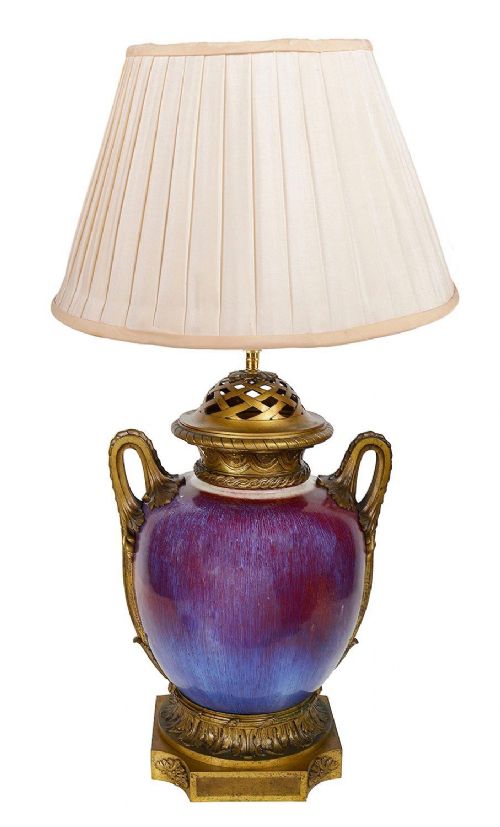
A qing dynasty table lamp brings genuine nineteenth-century porcelain and carved hardwood into a room, offering a rich anchor for traditional interiors.
What these pieces are
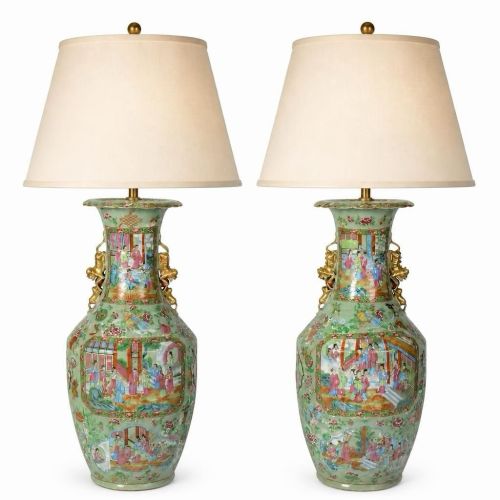
A qing dynasty table lamp typically starts life as a nineteenth-century Chinese vessel, such as a blue and white vase, a famille verte or famille rose jar, or a prunus blossom vase, later converted into lighting. These ceramic bodies bring hand-painted motifs and rich historical depth directly to a surface.
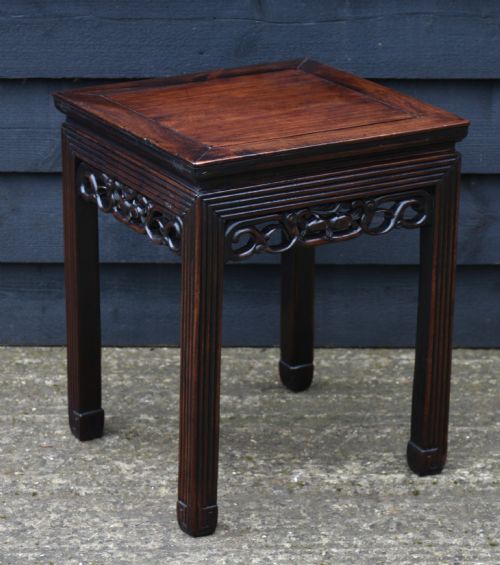
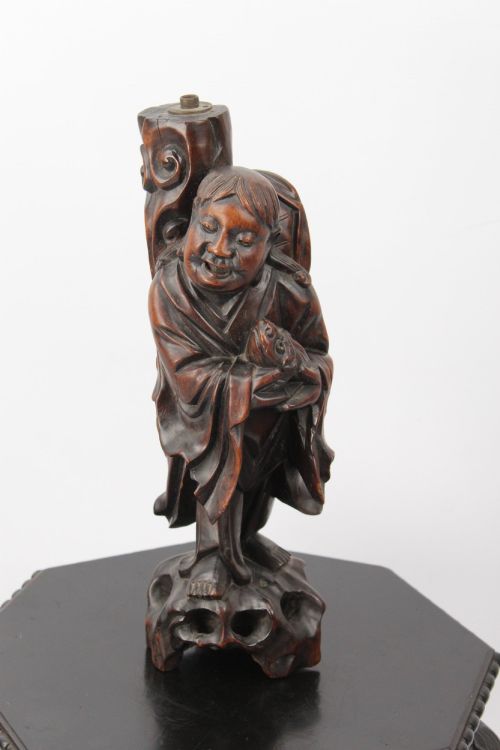
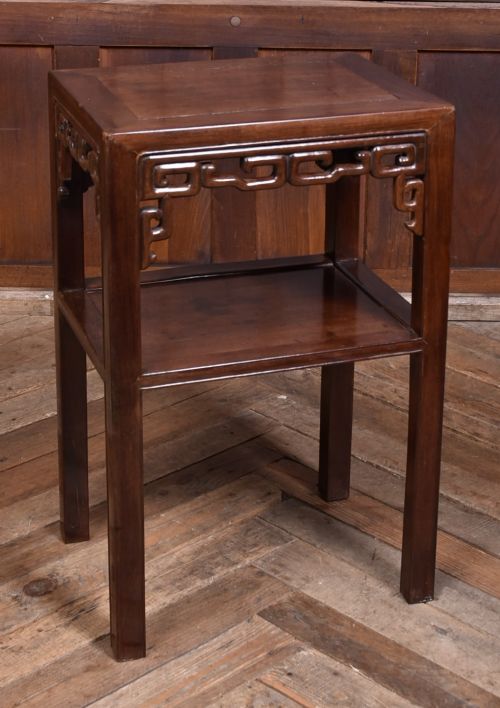
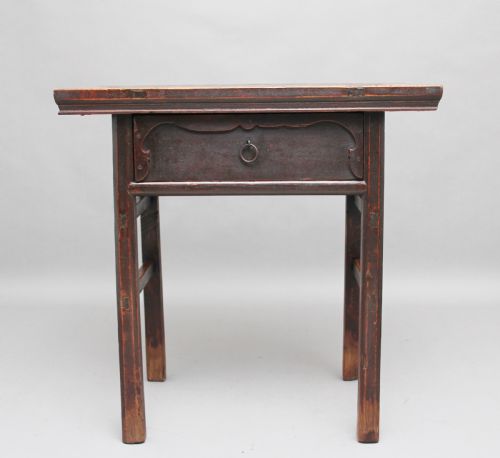
Beyond ceramics, the evidence also includes nineteenth-century rosewood and carved hardwood lamp tables and vase stands in rectangular, hexagonal, and two-tier forms. Buyers encountering this search phrase will find both converted porcelain lighting and solid hardwood occasional furniture designed to hold a lamp.
The periods and styles seen on these pieces span the nineteenth century, including specific dates around eighteen ninety and Chinese Qing Dynasty aesthetics. Chinoiserie styles also appear alongside direct Qing craftsmanship, offering varied ways to incorporate the look.
How they were made
The ceramic lamps employ traditional Chinese potting and hand-painting techniques on porcelain bodies, finished with vibrant blue and white pigments, famille verte enamels, or famille rose palettes. These vessels were originally created for domestic use before receiving electrical fittings.
The furniture pieces in the evidence are constructed from rosewood and carved hardwood, often featuring rouge marble inserts or multi-tiered architectural forms. These dense timbers were shaped with intricate joinery and hand-carving suited to supporting heavy vases and lamps.
Retail Price Guide 2026
Typical UK retail prices for qing dynasty table lamp, calculated from the Sellingantiques database of over a million retail prices indexed since 2003. This retail price guide relies exclusively on Sellingantiques data; no external sources or auction records are used, so the figures do not describe the wider market.
The listings combine nineteenth-century Chinese porcelain vases and ginger jars with rosewood and carved hardwood lamp tables.
What varies in quality
Quality in the ceramic lamps rests on the crispness of the hand-painted brushwork and the depth of the glaze, whether handling blue and white cobalt or polychrome enamels. Superior examples display precise detailing and well-balanced proportions that retain their original character despite conversion.
In the hardwood tables, quality is defined by the weight and grain of the rosewood, the crispness of the carved ornamentation, and the snug fit of any marble inserts. Pieces showing deep, fluid carving and robust structural integrity stand apart from simpler iterations.
The Qing Dynasty Table Lamp Glossary
- Famille verte
- A green-dominant palette of enamel colours used on Chinese porcelain, prominent during the Qing Dynasty. This style relies on iron red, yellow, blue, and black alongside various shades of green.
- Famille rose
- A porcelain enamel palette introduced in the Qing Dynasty, distinguished by opaque pink or purple-red colours mixed from gold. It allowed for softer shading and botanical detail.
- Prunus blossom
- A decorative motif depicting the winter-flowering plum tree, frequently hand-painted on nineteenth-century Chinese ginger jars and vases. It symbolises resilience and renewal in traditional Chinese art.
- Hardwood
- Dense, slow-growing timber such as rosewood utilised for nineteenth-century Chinese furniture and stands. It provides the structural strength needed for intricate hand-carving.
- Ginger jar
- A wide-shouldered ceramic vessel with a domed lid, originally made to store spices and later converted into table lamps. Their balanced forms suit domestic lighting proportions.
Frequently Asked Questions
What is a qing dynasty table lamp?
These pieces are typically nineteenth-century Chinese porcelain vases or ginger jars, such as blue and white or famille rose examples, that have been converted into functional lighting.
They combine historical ceramic artistry with modern electrical fittings to serve as decorative table lamps.
How do I identify a nineteenth century ceramic lamp?
Look for hand-painted cobalt blue and white decoration, famille verte enamels, or prunus blossom motifs typical of nineteenth-century Chinese porcelain production.
The potting and glaze characteristics also point to the Qing period origins of the converted vessel.
Were these hardwood tables made for lamps?
The nineteenth-century rosewood and carved hardwood pieces in the evidence function as lamp tables, occasional tables, or vase stands.
Their sturdy construction and surfaces, including hexagonal and two-tier designs, make them suitable for holding heavy lighting.
How do I style a porcelain vase lamp?
Pair the ceramic body with a complementary fabric or silk shade that balances the proportions and colours of the hand-painted motifs.
Position the lamp on a sturdy surface where the glaze details can be appreciated in natural or ambient light.