

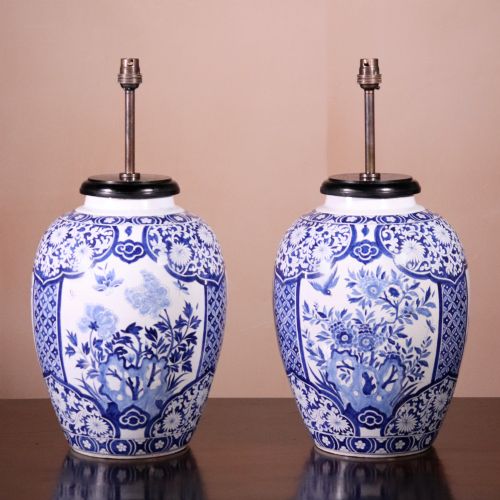
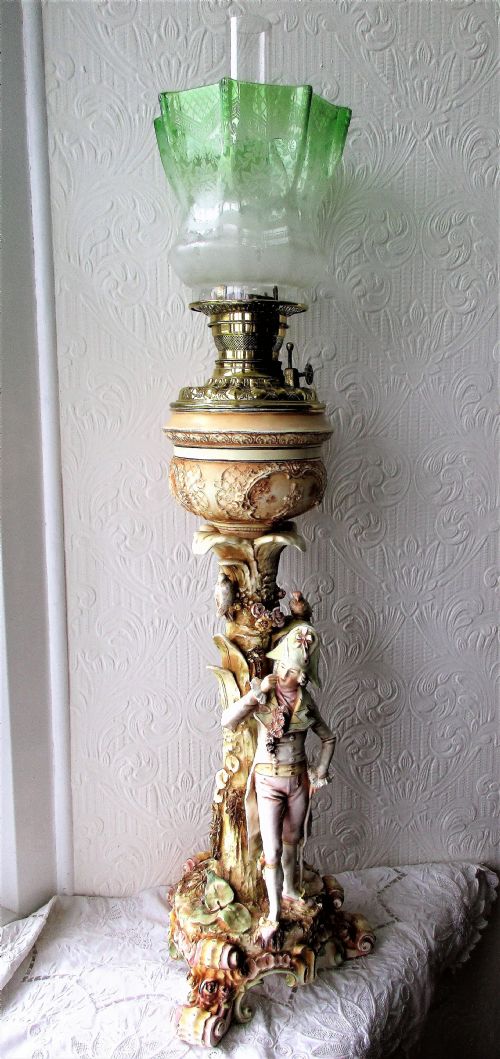
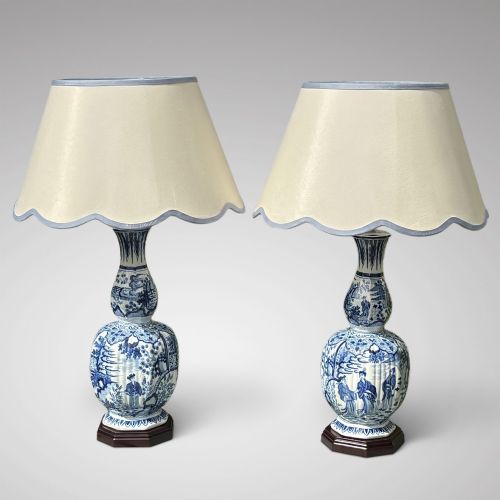
Porcelain Table Lamp
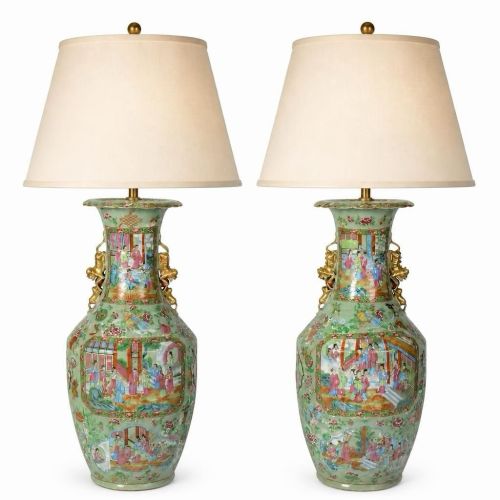
These porcelain table lamps combine centuries of ceramic artistry with period metal mounts to provide functional lighting for domestic interiors.
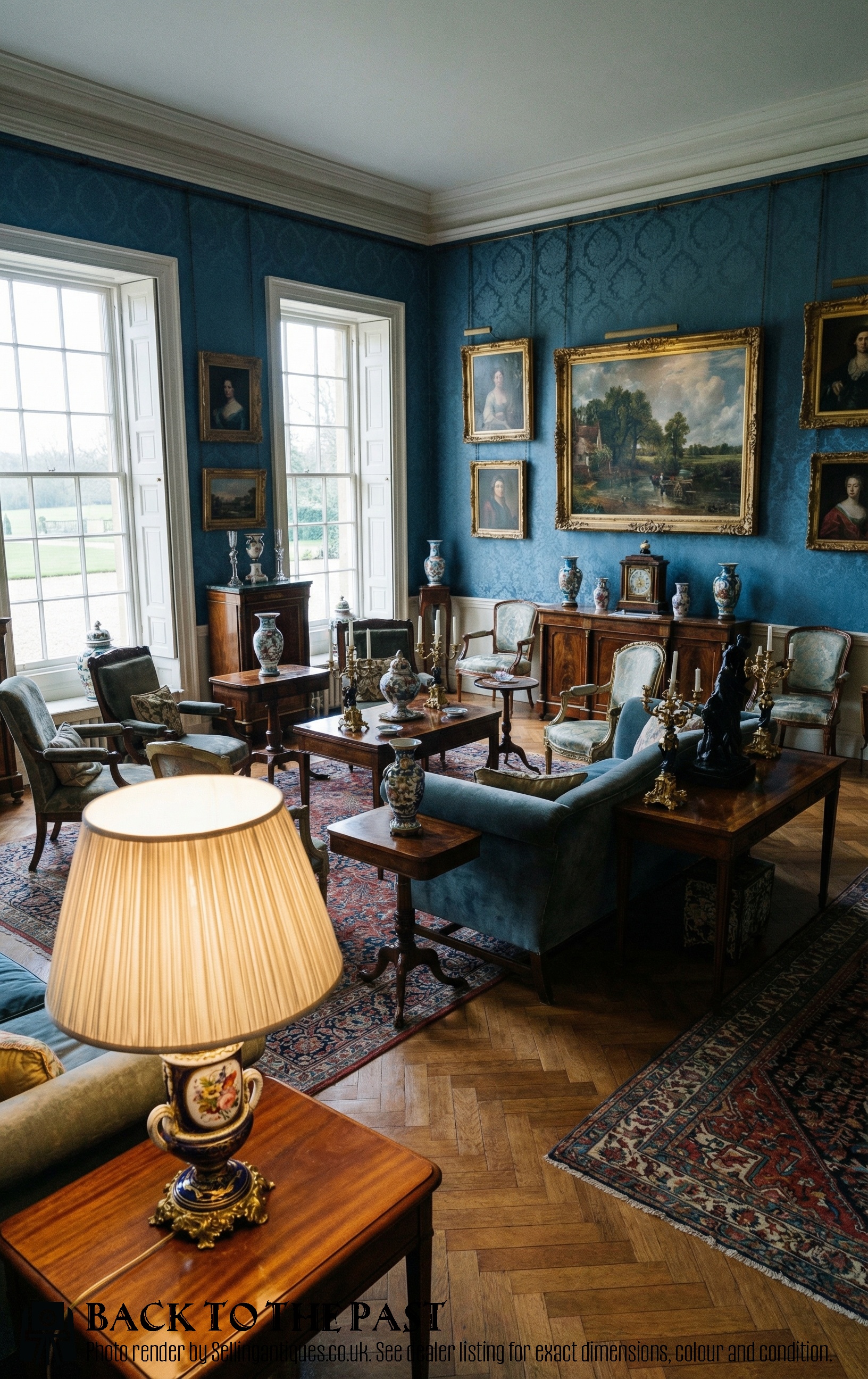
Porcelain Table Lamp
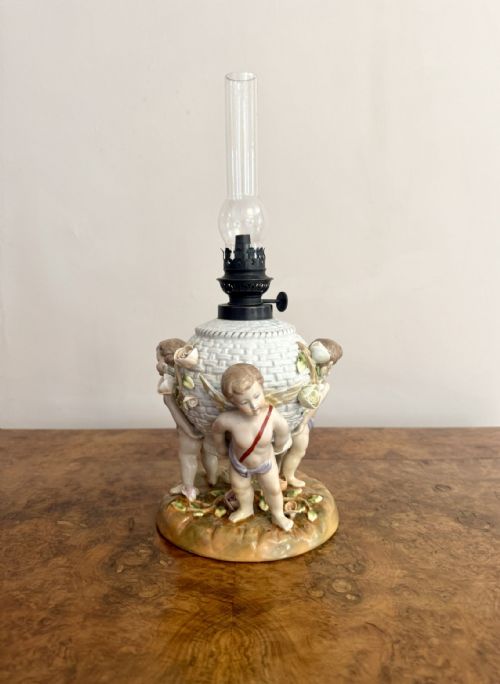
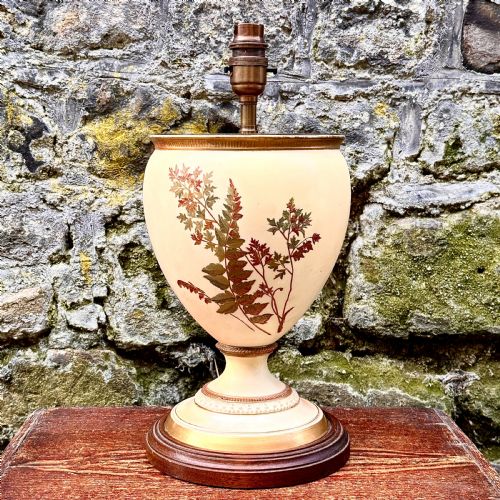
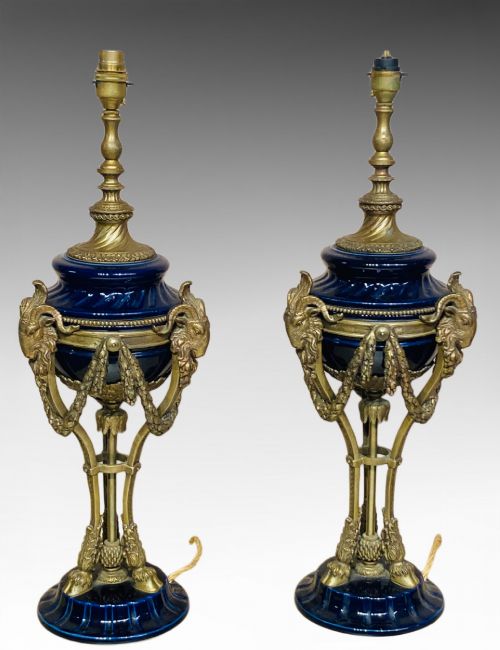
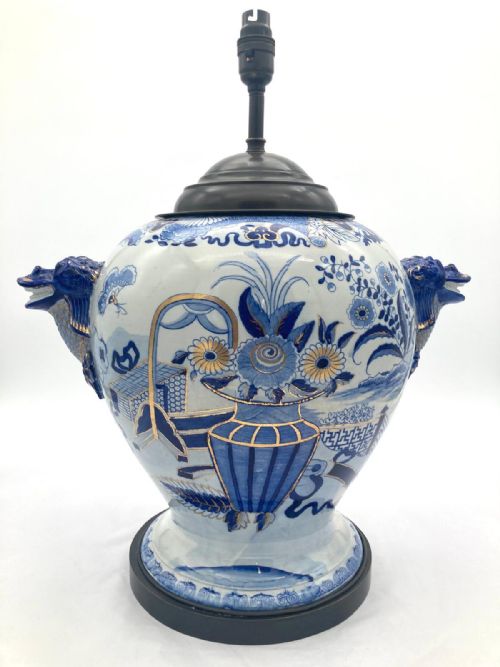
A porcelain table lamp transforms historic ceramic vessels, including Chinese export jars, Japanese Imari vases, and French factory pieces, into wired light sources. Buyers encounter pieces ranging from single monumental vases to balanced pairs intended for sideboards or bedside tables.
The body of the lamp typically originates as a lidded jar, baluster vase, or cabinet piece from the nineteenth century or earlier, which is later fitted for electricity. Many incorporate overseas imports mounted in European workshops using brass, bronze, or ormolu.
Stylistic influences span Chinoiserie, Renaissance Revival, and French Chateau aesthetics, drawing heavily on Chinese Qing Dynasty, Japanese Edo period, and European ceramic traditions. The resulting objects bridge decorative art and everyday illumination.
Materials and Construction
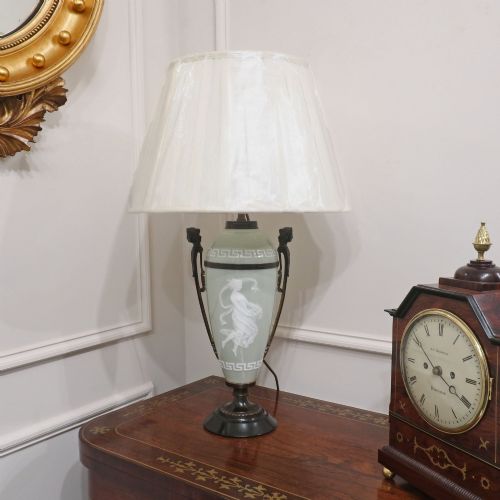
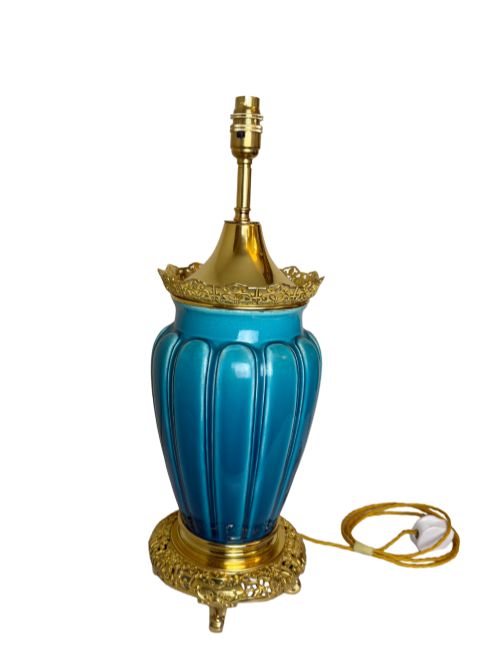
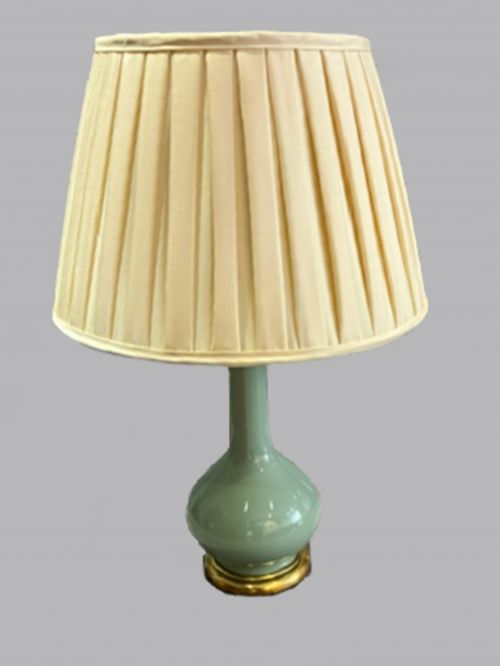
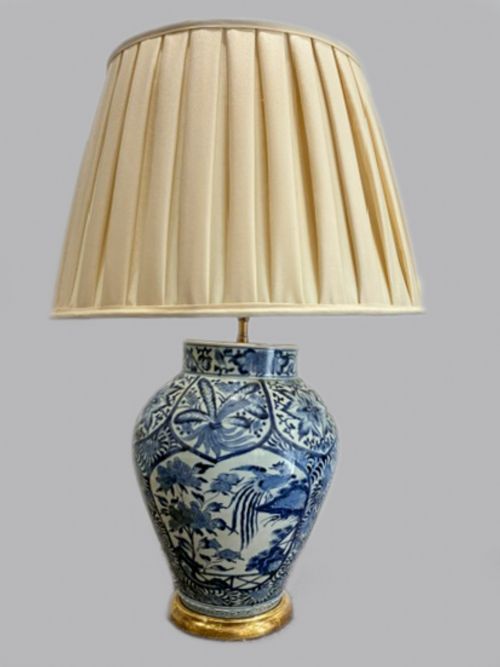
Makers utilised hard-paste and soft-paste ceramic bodies, decorated with hand-painted glazes such as blue and white, famille rose, celadon, and sang de boef. Advanced decorative techniques like pate-sur-pate build up raised white porcelain slips on coloured grounds to create detailed cameo effects.
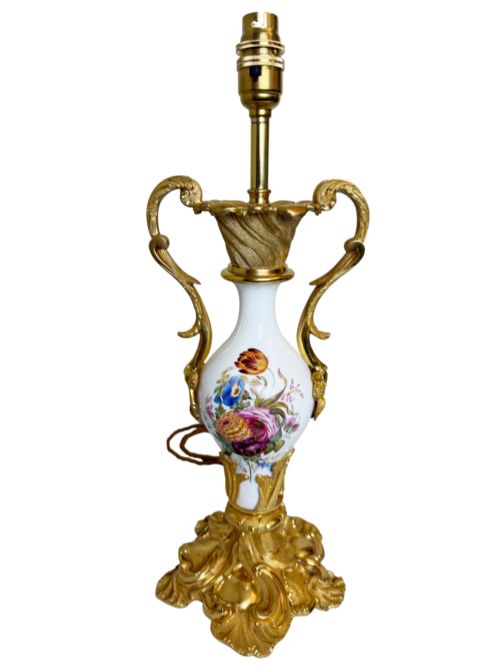
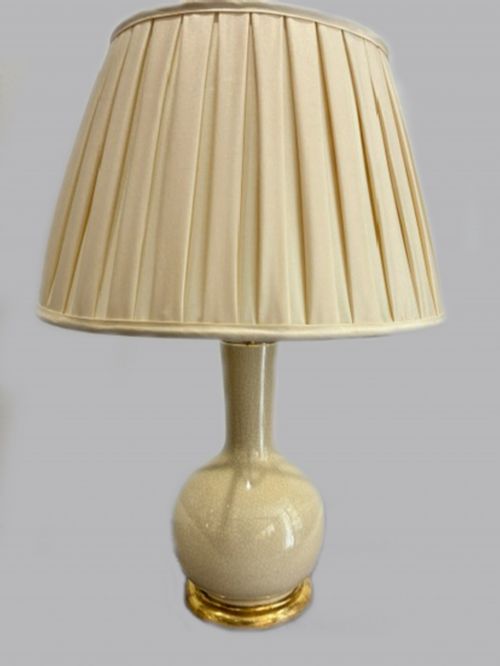
Metal components such as ormolu, gilt bronze, brass, and bronze form the bases, necks, and mounts that stabilise the ceramic vessel and secure the electrical fittings. Silk and fabric shades frequently complete the construction, paired alongside turned wood elements.
Retail Price Guide 2026
Typical UK retail prices for porcelain table lamp, calculated from the Sellingantiques database of over a million retail prices indexed since 2003. This retail price guide relies exclusively on Sellingantiques data; no external sources or auction records are used, so the figures do not describe the wider market.
Several lamps proudly retain their wiring history, reminding us that an eighteenth-century vase is remarkably accommodating when asked to hold a lightbulb.
Quality Variations
Quality rests primarily on the artistic merit of the ceramic body and the precision of the metal mounts. Hand-painted details executed with fine brushwork and rich colour saturation elevate a piece above standard decorative wares.
The integration of the metal mounts distinguishes high-end examples, where ormolu or gilt bronze cast specifically for the vessel hugs the contours of the porcelain rather than relying on generic hardware.
Gien·Samson·Maling·Fasold Stauch
The Porcelain Table Lamp Glossary
- Ormolu
- Gilded bronze mounts cast and chased to embellish the base and neck of ceramic lamp bodies. This technique was widely utilised in French workshops during the nineteenth century.
- Pate-sur-pate
- A ceramic decoration method where liquid white porcelain slip is painted layer upon layer onto a coloured clay body before firing. It creates a low-relief cameo appearance.
- Famille rose
- A palette of opaque overglaze enamels dominated by pink, introduced to Chinese porcelain production in the eighteenth century and emulated by European factories.
- Imari
- Japanese export porcelain decorated in underglaze blue, iron red, and gilt, featuring intricate floral and panel designs. Pieces were frequently mounted in Europe.
- Celadon
- A pale green jade-like translucent glaze applied to porcelain vessels. The subtle tone derives from iron oxide fired in a reducing atmosphere.
Frequently Asked Questions
Were these originally made as lamps?
Most porcelain table lamp bodies started life as vases, ginger jars, or decorative urns rather than lighting fixtures. Artisans later converted these ceramic pieces into lamps by adding electrical components and metal mounts.
This conversion process preserves historic decorative ceramics while adapting them for modern domestic use.
How do I identify French Sevres style lamps?
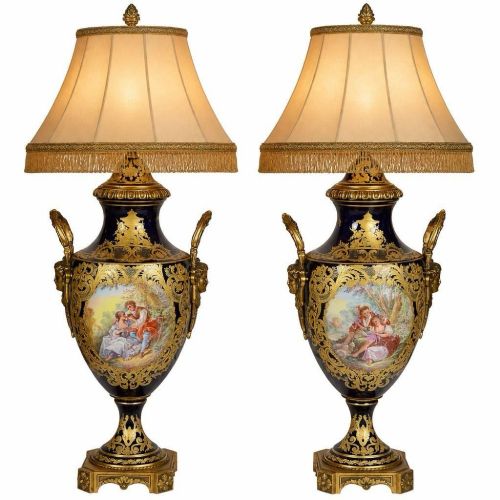
French Sevres style lamps typically feature rich cobalt blue or royal blue grounds accented with heavy gilding and elaborate ormolu mounts. They often incorporate hand-painted pastoral scenes or floral reserves.
Many pieces date from the nineteenth century and reflect the enduring popularity of eighteenth-century French royal aesthetics.
What is Chinese export porcelain?
Chinese export porcelain refers to ceramics manufactured in China specifically for the European and Western markets from the seventeenth century onwards. These pieces combined traditional Chinese forms and motifs with shapes suited to Western tastes.
Common styles found on these lamps include blue and white designs and famille rose enamels.
How should I clean my porcelain lamp?
Dust the ceramic body and metal mounts gently with a soft, dry cloth to prevent accumulation of grime. Avoid harsh chemical cleaners or abrasive sponges that could damage hand-painted glazes or delicate gilding.
Take care around fabric shades and ensure the lamp remains unplugged during any routine maintenance.