


Antique Ceramic Lighting
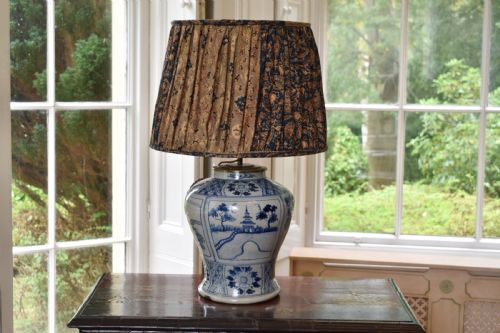
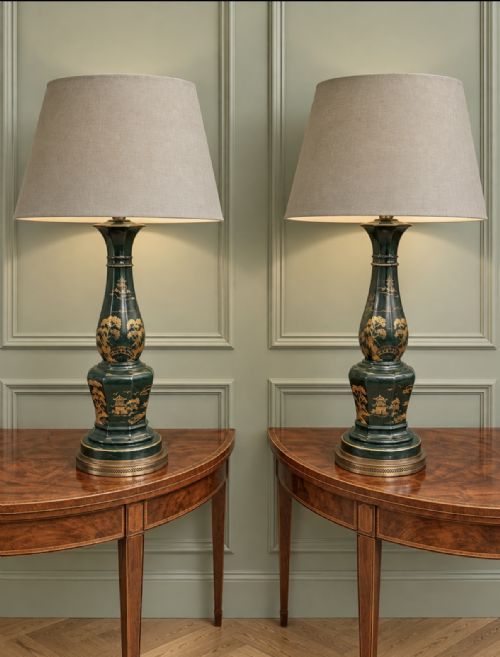
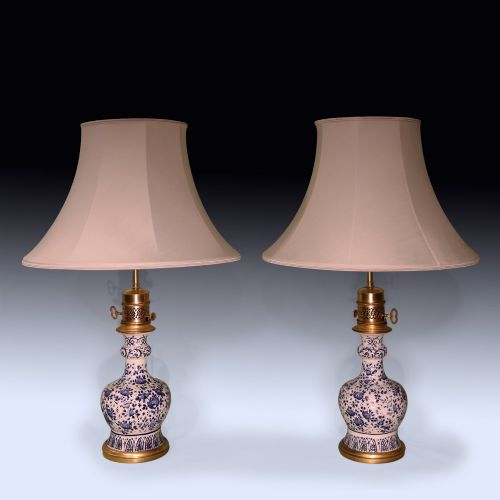
Antique ceramic lighting brings together centuries of fired clay, porcelain, and earthenware transformed into functional lamps, oil burners, and wall sconces.
Antique Ceramic Lighting
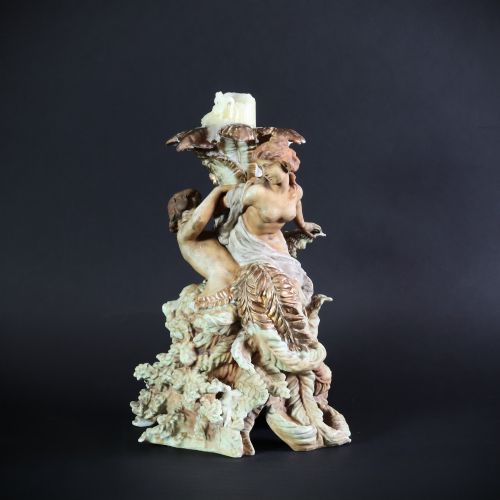
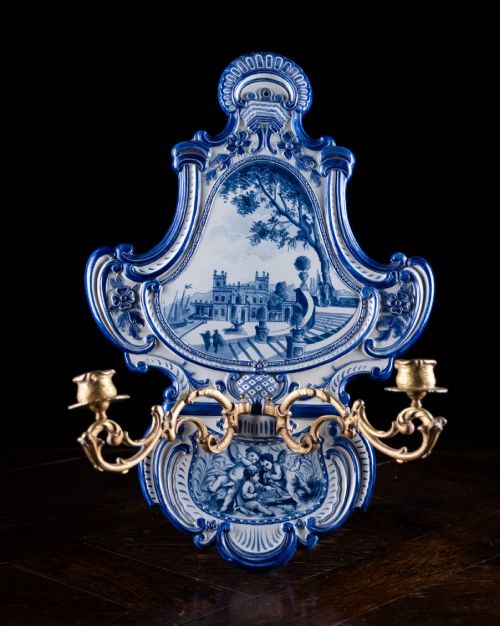
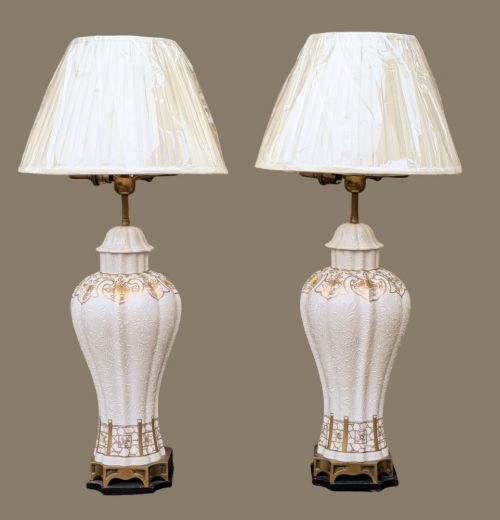
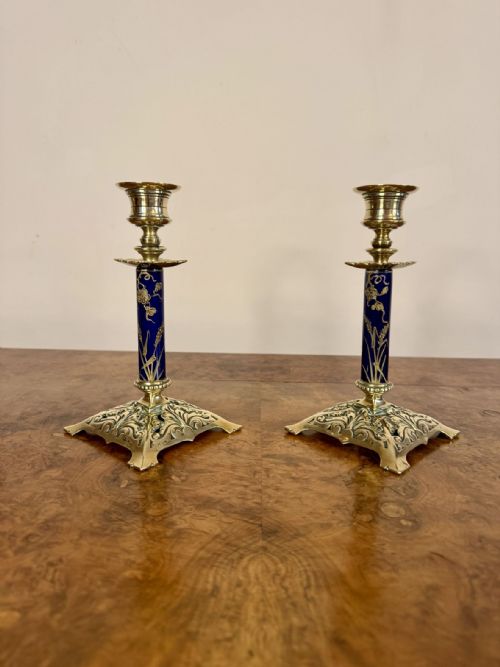
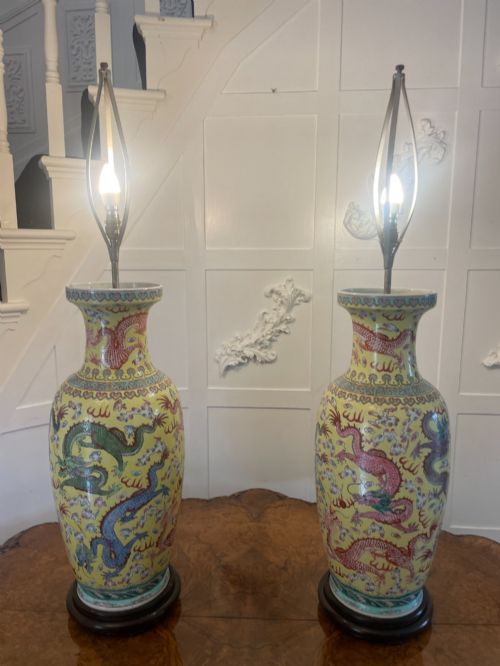
These pieces encompass table lamps, oil lamps, wall sconces, and candlesticks produced across the eighteenth, nineteenth, and early twentieth centuries. Many items started life as vases, jars, or figures before receiving electrical wiring or burner conversions later.
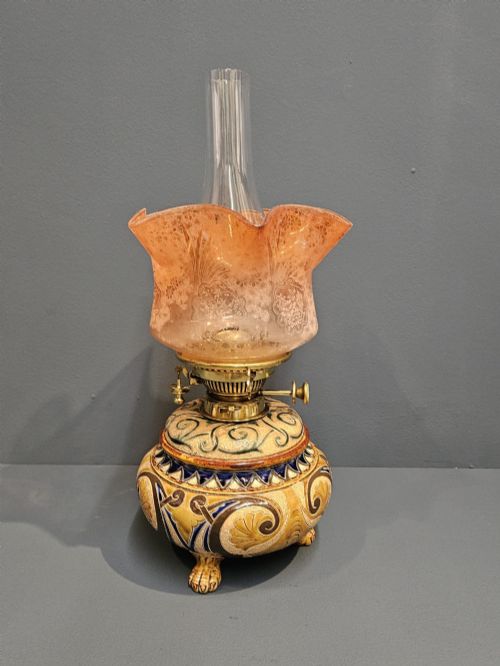
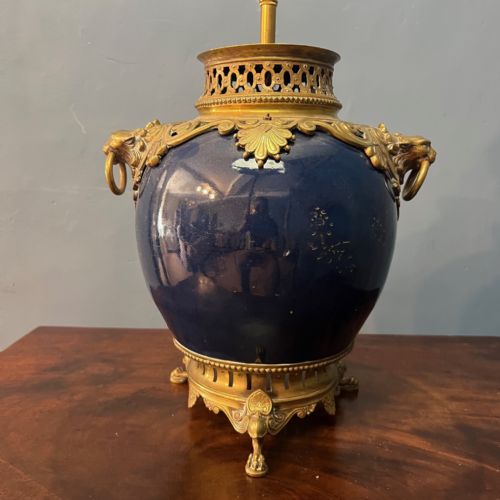
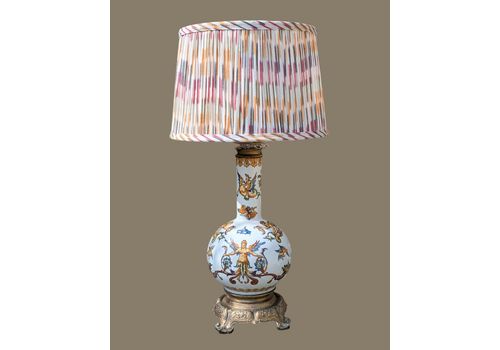
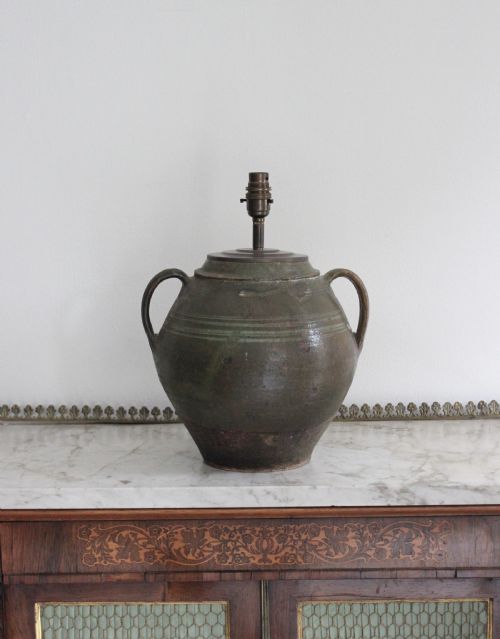
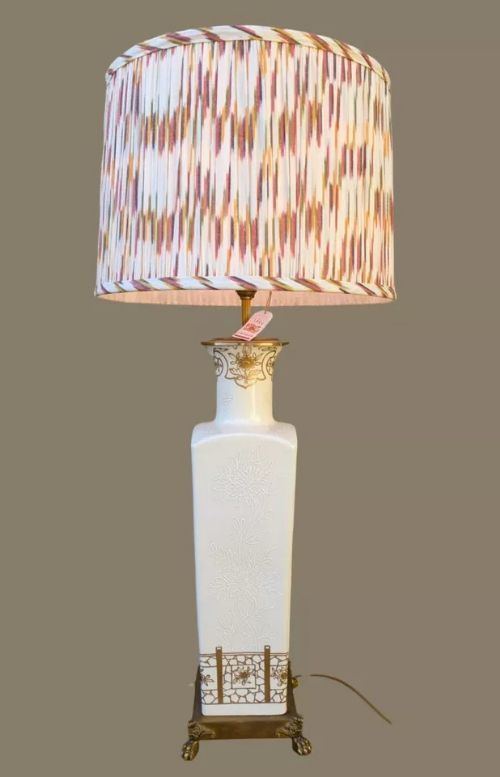
Victorian oil lamps and French porcelain table lamps dominate the selection, often combining glazed ceramics with brass or gilt bronze mounts. You also encounter earthenware jugs and pottery figures adapted to hold light.
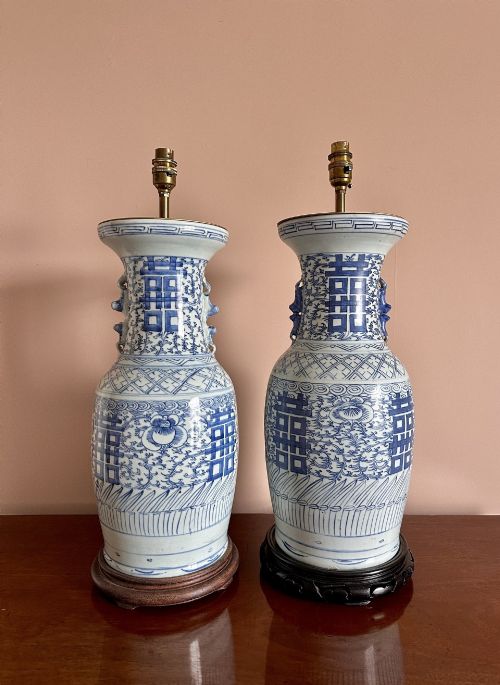
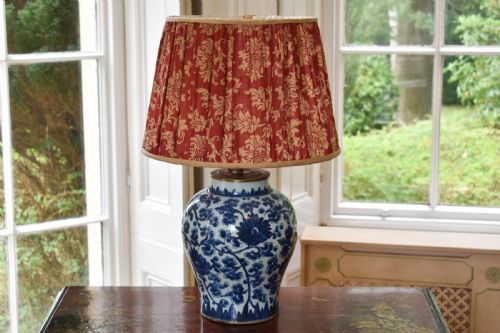
Stylistic influences range from traditional blue and white Chinese designs to Rococo Revival, Art Nouveau, and Dutch Delftware. The variety spans English manufactories, French studios, and German porcelain works.
Materials and construction
Makers shaped porcelain, creamware, ironstone, and earthenware bodies on the wheel or in moulds before applying hand-painted glazes, enamel colours, and gilt details. Firing at high temperatures set these ceramic surfaces permanently.
Metal components such as brass collars, gilt bronze mounts, and ormolu frames provide structural support and decorative contrast to the fired clay. Hand-blown glass shades and fabric elements complete many of the lighting configurations.
Antique Ceramic Lighting Retail Price Guide 2026
Typical asking prices for ceramic lighting among the pieces listed under this phrase on Sellingantiques today, from the lower quarter to the upper quarter. They describe what is for sale here now, not the wider market.
Listings feature 19th-century and early 20th-century items utilising brass, porcelain, ceramic, fabric, glass, earthenware, wood, and enamel.
Judging the standard
Quality rests upon the crispness of the porcelain modelling and the dexterity of the hand-painted decoration, where fine brushwork and rich glaze depth distinguish superior work from simpler commercial output. The integration of metal mounts also matters greatly, as well-cast brass or ormolu fit the ceramic body with exact precision.
The survival of original components, from matched burners to undamaged glass shades, elevates an individual piece. Makers with established reputations for porcelain bodies generally command closer attention from collectors.
Villeroy and Boch·Royal Worcester·Sitzendorf·Nymphenburg·Meissen·Moorcroft
The Antique Ceramic Lighting Glossary
- Porcelain
- A hard, translucent ceramic fired at high temperatures from kaolin and petuntse. It forms the smooth, white body of many fine lamps and vases.
- Ormolu
- Gilded bronze used for decorative mounts and bases on French and English lamps. The technique involves applying a gold amalgam to bronze.
- Creamware
- A refined earthenware developed in England during the eighteenth century with a pale yellow or cream-coloured glaze. It was widely used for jugs and tableware later adapted as lighting.
- Pate Sur Pate
- A French ceramic technique where raised white porcelain designs are painted in liquid slip onto a contrasting coloured body. It creates a cameo-like relief effect on lamp bases.
- Cloisonne
- A decorative metalwork method using soldered wire partitions filled with enamel paste. These enamelled surfaces frequently appear on Japanese vases converted into lamps.
Antique Ceramic Lighting: Frequently Asked Questions
Are these lamps safe to use today?
Most antique lamps require rewiring by a qualified electrician to meet modern safety standards before regular daily use in a home.
Original oil burner mechanisms are frequently preserved for aesthetic value while the internal wiring is updated for contemporary plugs.
How do I date an antique lamp?
Dating relies on stylistic clues like Victorian floral motifs, Art Nouveau curves, or Regency shapes combined with any maker marks stamped on the base.
Many pieces began as vases or figures before conversion, so the ceramic body often predates the electrical fittings by several decades.
Can converted vases be restored to original form?
Drilled holes in ceramic bases for electrical cords mean that most conversions are permanent alterations to the original vessel.
Collectors generally accept these modifications because the conversion process itself forms part of the object's documented history.
How should I clean porcelain lamp bases?
Gentle dusting with a soft brush keeps glazed porcelain and painted enamel surfaces free from everyday grime without risking the finish.
Harsh chemical cleaners must be avoided entirely to protect delicate gilt bronze mounts and hand-painted overglaze decorations.