


Green Porcelain Table Lamp
These green porcelain table lamps bring colour and light to a room, drawing on centuries of ceramic and metalwork traditions.
Green Porcelain Table Lamp
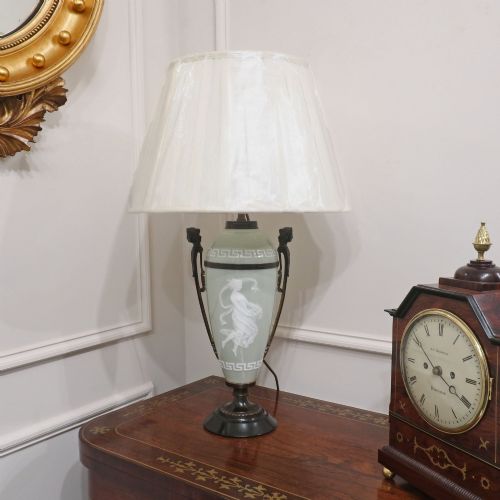
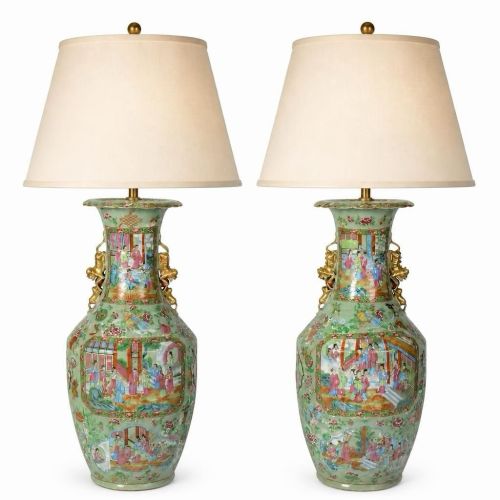
A green porcelain table lamp combines historic ceramic vessels with modern interior lighting, offering a practical way to display antique porcelain. Buyers searching for a green porcelain table lamp will find pieces ranging from Chinese export vases to French neoclassical designs.
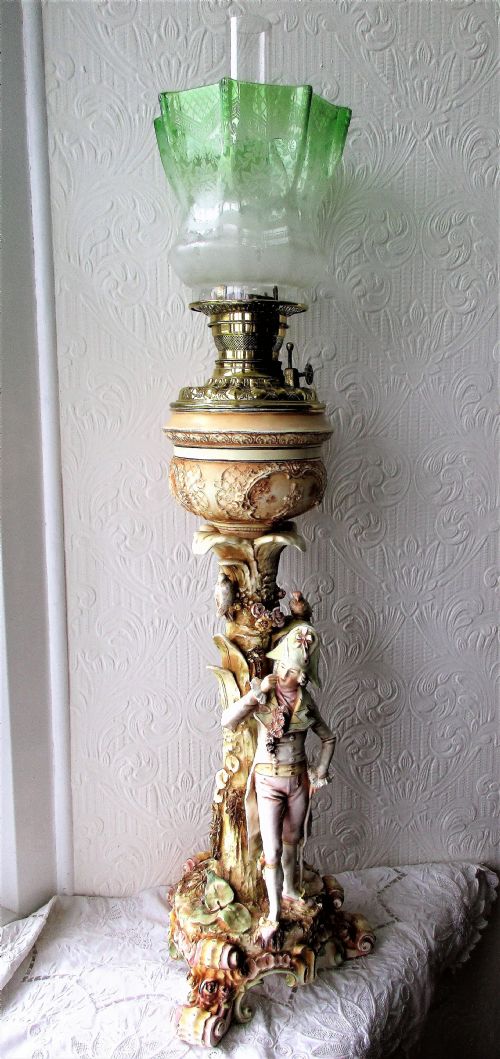
Victorian and French nineteenth century pieces frequently appear, often paired with gilt bronze or ormolu mounts. These lamps bring distinctive green glazes and intricate painted details into domestic interiors.
Materials and construction
Makers utilised porcelain bodies finished with celadon, famille verte, or rose medallion glazes, often incorporating enamel and painted decoration. These ceramic bases were frequently fitted with mounts in brass, gilt bronze, or ormolu to secure the lamp fittings.
Many of these conversions involve historic vases adapted with electrical wiring and fabric shades. The combination of delicate porcelain and heavy metal mounts required careful handling by period craftsmen.
Green Porcelain Table Lamp Retail Price Guide 2026
Typical asking prices for green porcelain table lamp among the pieces listed under this phrase on Sellingantiques today, from the lower quarter to the upper quarter. They describe what is for sale here now, not the wider market.
Listings feature porcelain, brass, fabric, enamel, ceramic, gilt bronze, ormolu, and wood across nineteenth century and early twentieth century periods.
Evaluating quality
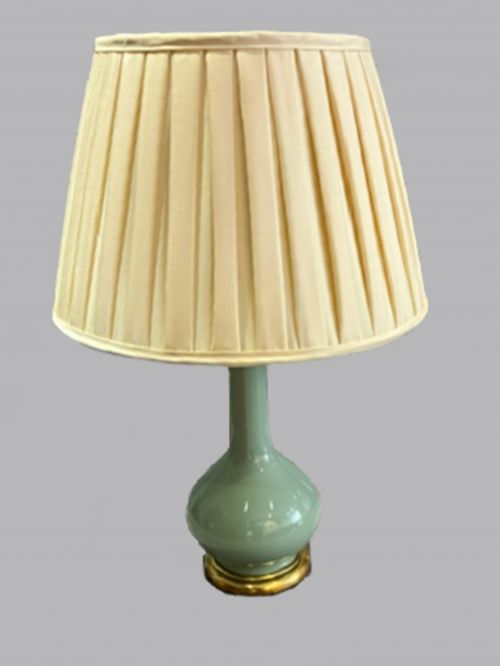
Quality rests primarily on the crispness of the porcelain painting and the richness of the green glaze. Finer examples display meticulous brushwork on famille verte or pâte-sur-pâte designs, whereas simpler pieces rely solely on the monochrome glaze of a celadon vase.
The integration of metalwork also distinguishes the range. Superior lamps feature finely chased ormolu or gilt bronze mounts that complement the contours of the porcelain vessel rather than overpowering it.
The Green Porcelain Table Lamp Glossary
- Celadon
- A transparent green glaze over a pale grey or green body, originating in China and prized for its jade-like appearance. It often exhibits subtle crackle lines within the glaze surface.
- Famille Verte
- A Chinese porcelain palette dominated by green enamel colours, introduced during the Qing dynasty and widely imitated in nineteenth century Europe.
- Pâte-sur-pâte
- A French ceramic technique where raised white porcelain paste is applied to a coloured background before firing, creating a cameo effect.
- Ormolu
- Gilt bronze mounts used extensively in French nineteenth century decorative arts to accent porcelain bases and table lamps.
- Rose Medallion
- A distinct style of Cantonese porcelain featuring panels of figures alternating with birds and flowers, executed in vibrant green and pink enamels.
Green Porcelain Table Lamp: Frequently Asked Questions
Can I replace the lampshade?
Replacement fabric shades can be fitted easily provided the harp and shade carrier match the existing proportions. Choosing a shade that complements the historic colour of the green porcelain base is essential for a balanced appearance.
Ensure that any new shade meets current safety standards and does not exceed the recommended wattage for the lamp fitting.
Are these lamps recently rewired?
Many antique lamps undergo rewiring to ensure they meet modern domestic electrical standards before sale. This process preserves the historic ceramic body while providing safe, everyday functionality.
Buyers should inspect the specific listing details or consult the dealer regarding the current state of the internal wiring and plug.
How do I date a porcelain lamp?
Dating relies on examining the characteristics of the porcelain body, the style of the painted decoration, and the nature of any metal mounts. Nineteenth century pieces often show specific stylistic traits associated with Victorian or French neoclassical workshops.
Comparing the glaze type and mounting techniques with documented period pieces helps narrow down the exact decade of manufacture.