




Oriental Ceramic Table Lamps
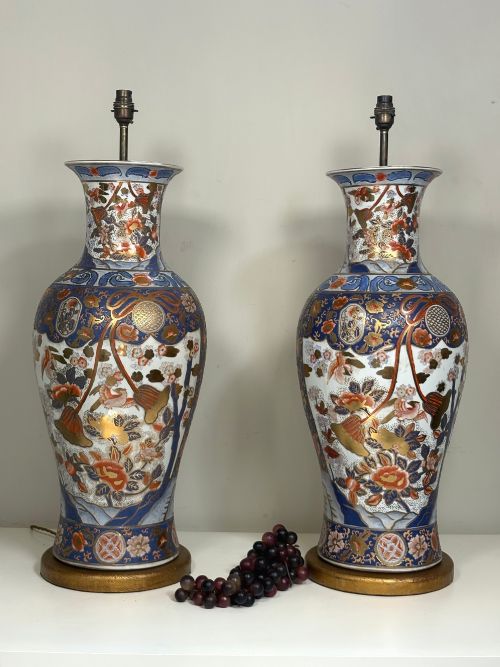
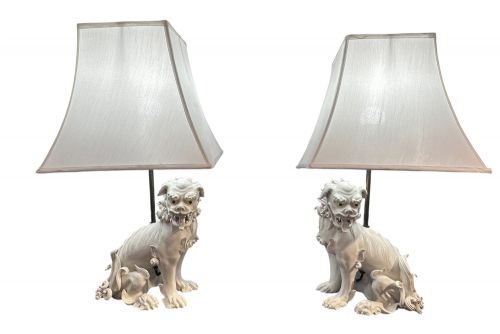
Oriental ceramic table lamps bring vibrant hand-painted colour and sculptural presence into a room.
Oriental ceramic table lamps
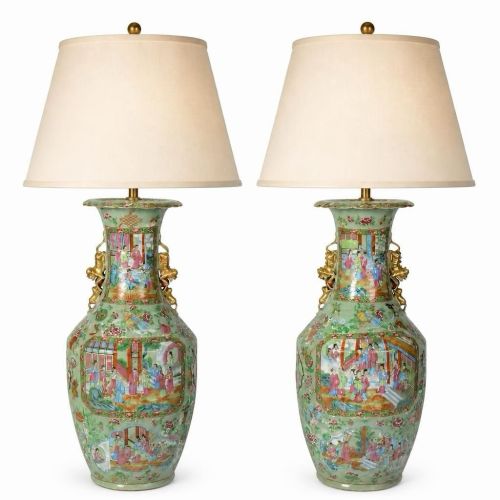
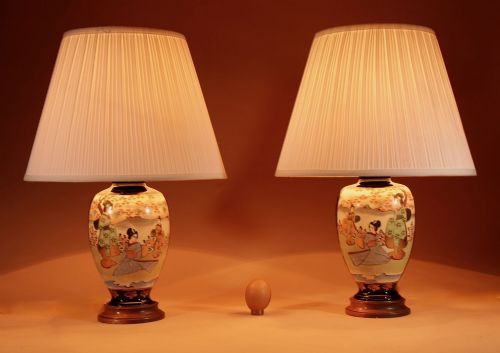
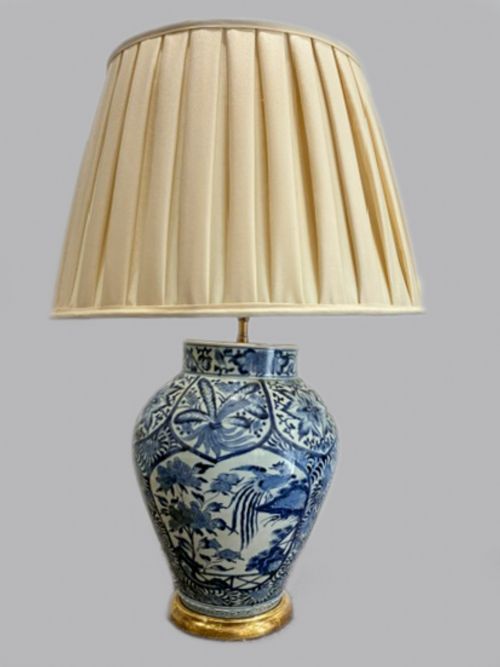
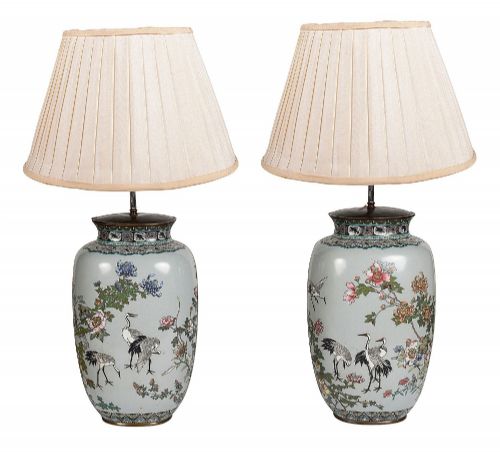
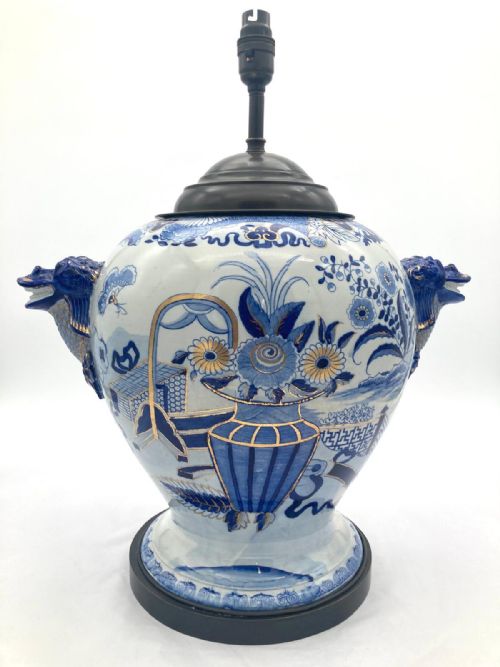
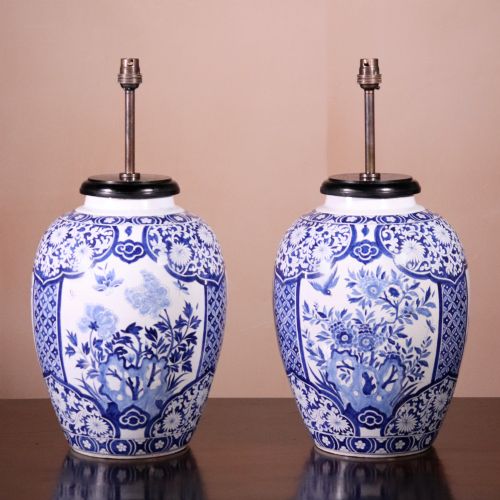
Oriental ceramic table lamps repurpose historic hand-painted vessels, turning ginger jars and vases into functional sources of light. These conversions draw from Chinese Export, nineteenth-century Chinese, and Japanese Meiji and Edo periods.
Materials and construction
The bodies consist of porcelain or earthenware, formed and fired in traditional kilns before receiving intricate enamel decoration by hand. Artisans applied detailed pigments depicting figurative scenes, flora, and fauna directly onto the ceramic glaze.
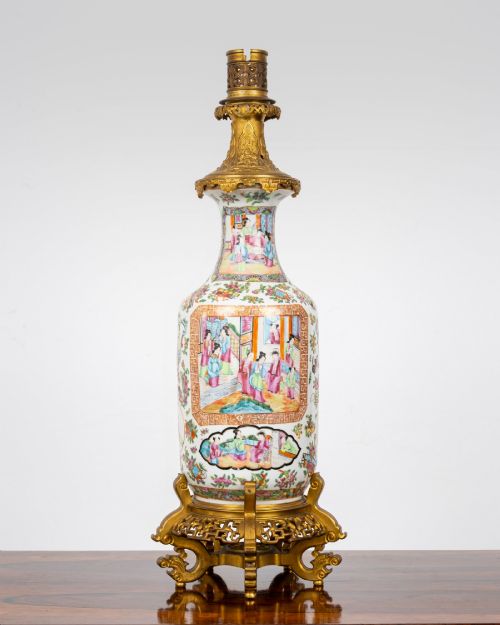
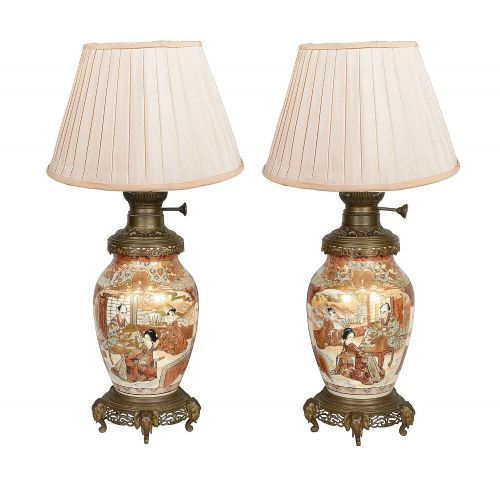
Mounted hardware incorporates brass, gilt bronze, and wood to support the electrical fittings and secure the ceramic vessel. Fabric and silk shades complete the structure, pairing with the historic bases.
Retail Price Guide 2026
Typical UK retail prices for oriental ceramic table lamps, calculated from the Sellingantiques database of over a million retail prices indexed since 2003. This retail price guide relies exclusively on Sellingantiques data; no external sources or auction records are used, so the figures do not describe the wider market.
Current listings span porcelain, earthenware, brass, gilt bronze, fabric, silk, and wood across the seventeenth, nineteenth, and twentieth centuries.
Assessing quality
Quality rests in the precision and density of the hand-painted enamel work across the porcelain body. Finer examples display crisp detail in the facial expressions of figures and botanical motifs, whereas lesser pieces show hurried brushwork.
The condition and period of the underlying vessel dictate desirability, with eighteenth-century Japanese Imari and nineteenth-century rose medallion commanding greater interest. The integration of metal mounts in brass or gilt bronze also influences the overall finish.
The Oriental Ceramic Table Lamps Glossary
- Famille rose
- A palette of opaque enamel colours dominated by pink, developed in China during the eighteenth century. This decorative scheme frequently adorns ginger jars and vases converted into lamps.
- Imari
- A style of Japanese export porcelain featuring underglaze blue and overglaze red, gold, and green. Pieces from the Edo and seventeenth-century periods display characteristic brocade patterns.
- Satsuma
- Japanese earthenware pottery featuring a crackle-glaze finish and intricate polychrome and gilt decoration. These pieces often depict traditional figures and landscapes.
- Rose medallion
- A distinctive nineteenth-century Chinese export pattern featuring panels of figures alternating with birds, butterflies, and flowers. The palette relies heavily on rose pink and green enamels.
- Ginger jar
- A globular ceramic container originally used for storing spices, later adapted by makers into lamp bases. Their generous proportions provide an ideal canvas for detailed hand-painted scenes.
Frequently Asked Questions
How do I clean an antique ceramic lamp?
Dust the porcelain body gently with a dry, soft cloth to prevent any buildup on the enamel surfaces.
Avoid using water or chemical cleaners, as moisture can damage historic glazes and aged metal mounts.
Are these lamps converted from old vases?
Many examples begin life as nineteenth-century vases or ginger jars before receiving professional conversion into lighting.
This practice preserves historic ceramic art while adapting it for modern interior use.
Can I replace the lampshades safely?
New fabric or silk shades fit easily onto standard fittings as long as the drop and proportions match the heavy ceramic base.
Select neutral or complementary tones to balance the vibrant colours of the hand-painted porcelain.