


Cranberry Glass Lamp Shade
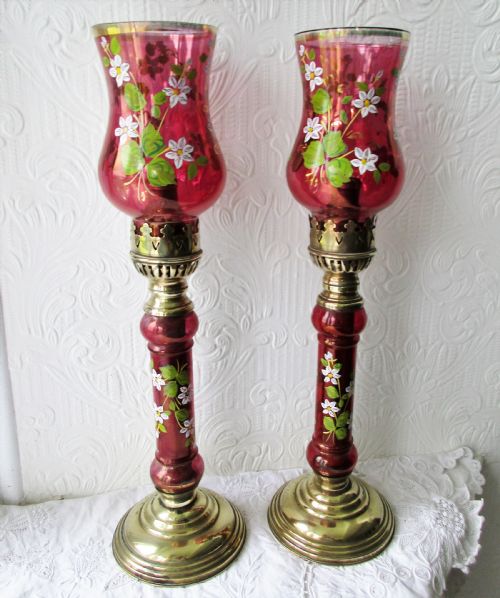
These cranberry glass lamp shade examples bring rich, warm colour to nineteenth and early twentieth century lighting.
What they are
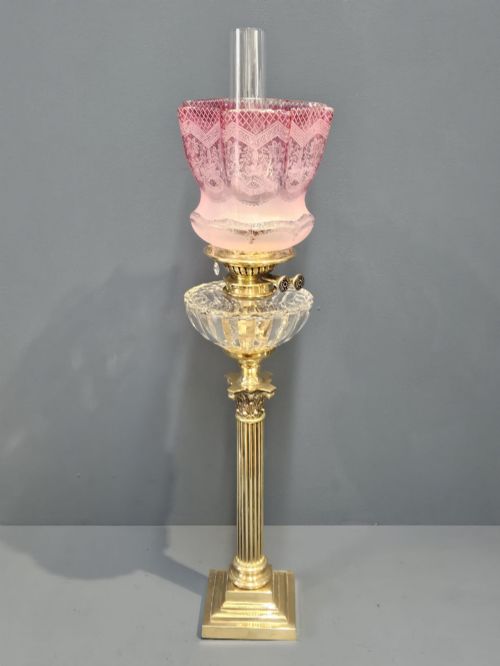
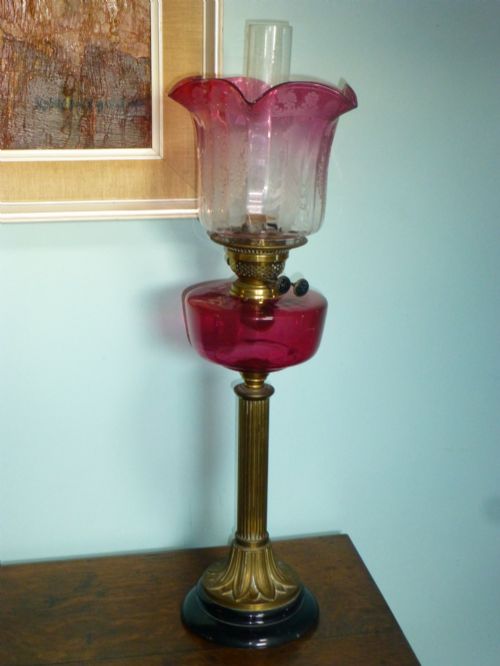
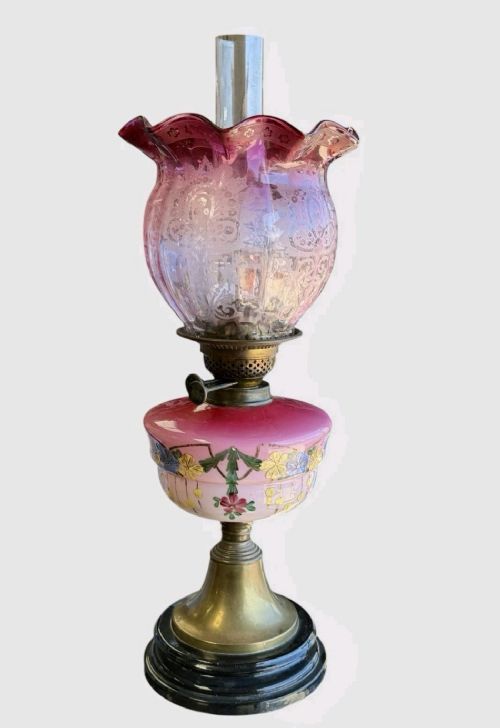
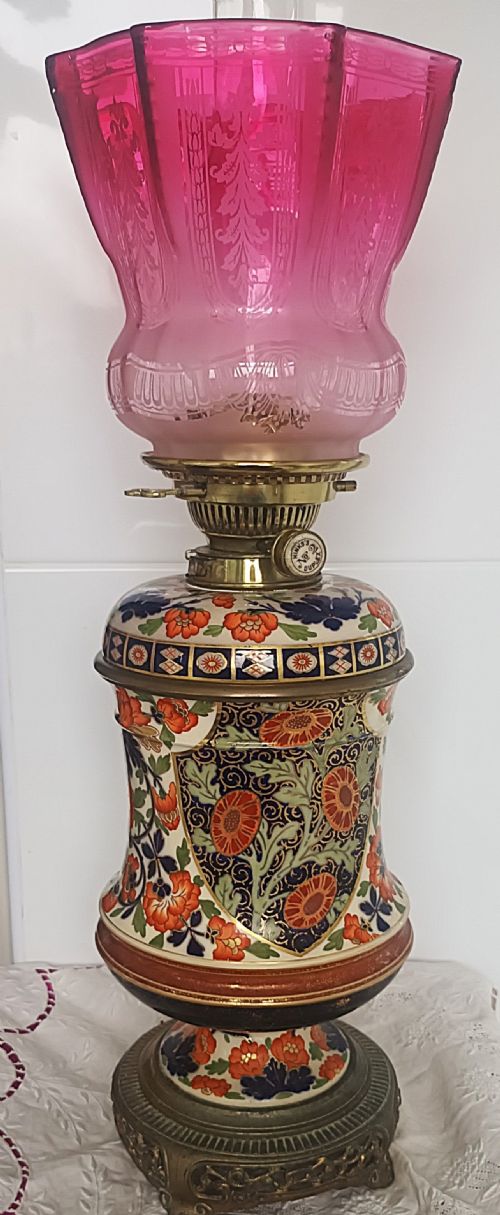
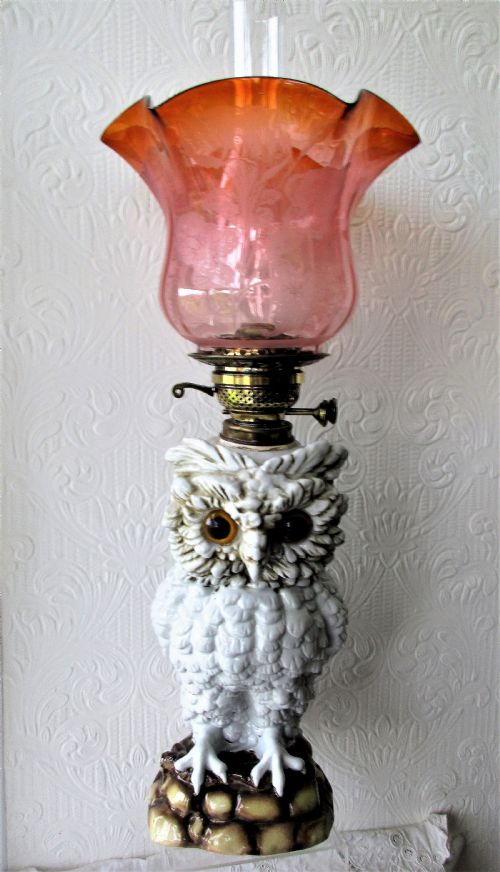
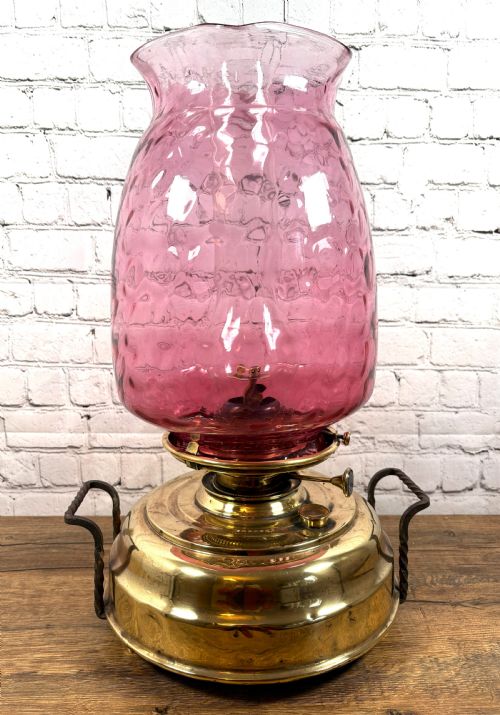
A cranberry glass lamp shade forms the glowing decorative top for oil lamps and floor lamps from the Victorian and Edwardian eras. Collectors encounter these pieces as standalone globes, frilled shades, or mounted upon brass, ceramic, and earthenware lamp bodies.
The evidence shows examples spanning the nineteenth century, including specific dates such as 1860, 1890, and the early twentieth century. These items served functional domestic lighting roles in homes before widespread electricity changed interior illumination.
Victorian and Edwardian styles dominate the pieces recorded in listings and archives. They appear frequently alongside brass and ceramic components, forming complete oil lamps or replacement globes.
How they were made
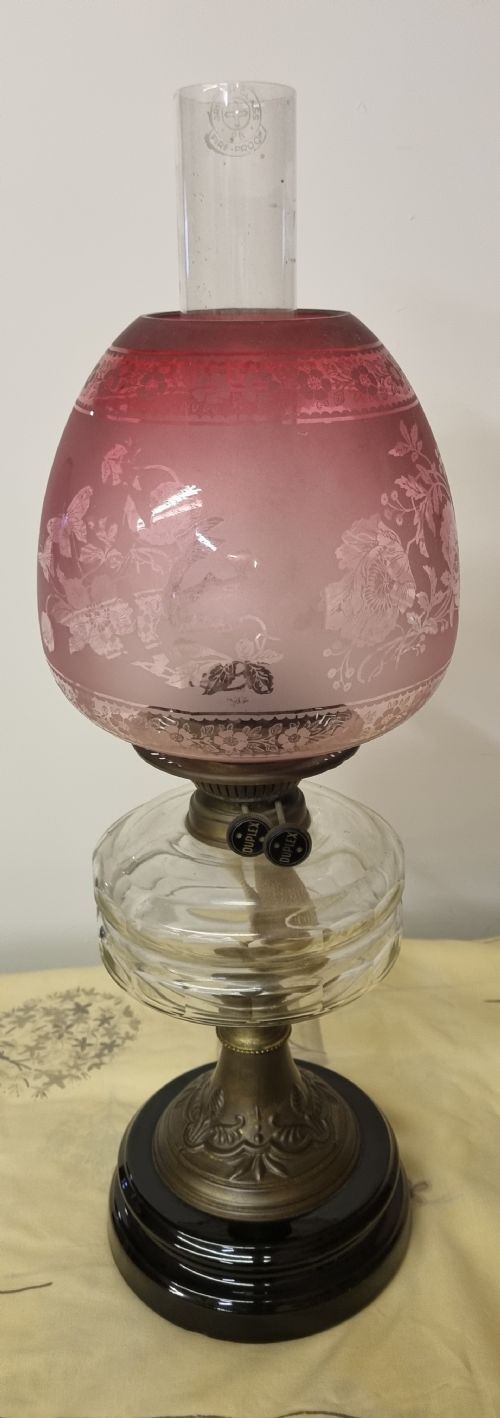
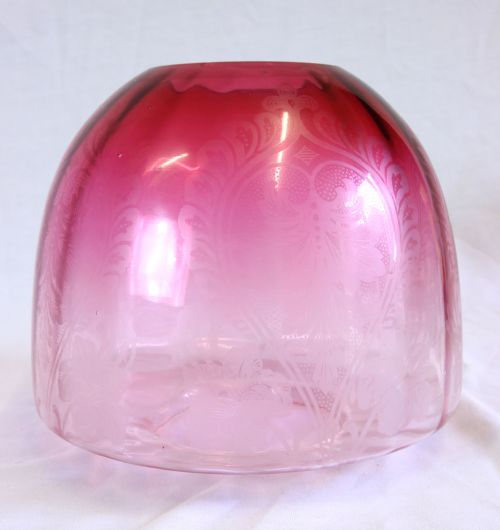
Glassmakers utilised gold chloride to achieve the distinctive deep pink and red tones characteristic of cranberry glass. Artisans shaped the molten material by hand, occasionally incorporating etched patterns into the surface of the shade.
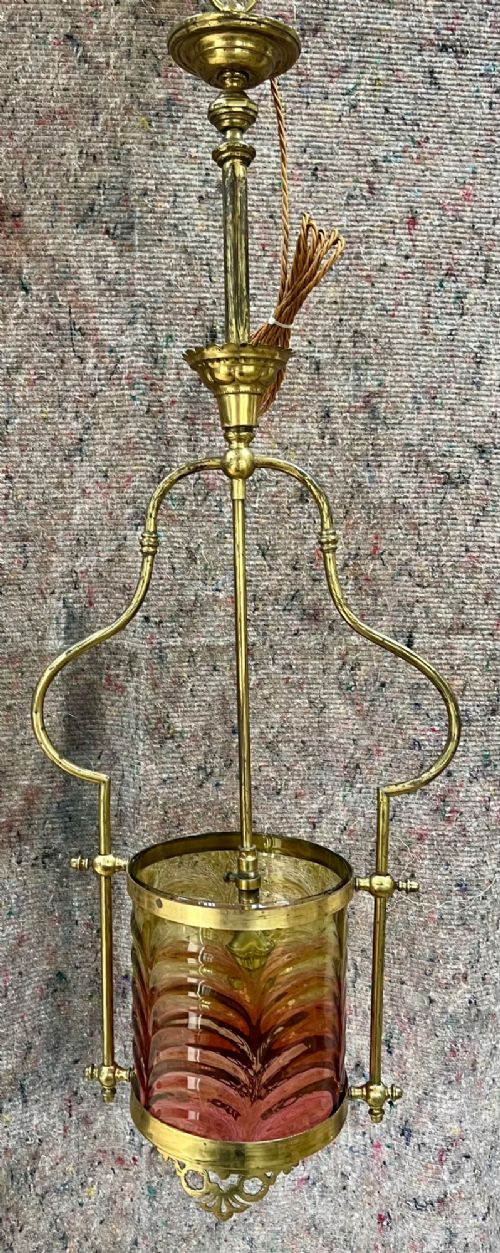
Metalworkers combined brass with the glass components, and some lamp bodies incorporated ceramic or earthenware elements. Makers constructed floor lamps and table lamps using sturdy metal bases to support the glass globes and shades safely.
Retail Price Guide 2026
Typical UK retail prices for cranberry glass lamp shade, calculated from the Sellingantiques database of over a million retail prices indexed since 2003. This retail price guide relies exclusively on Sellingantiques data; no external sources or auction records are used, so the figures do not describe the wider market.
Listings demonstrate that cranberry glass lamp shades frequently accompany Victorian and Edwardian brass and ceramic oil lamp bases.
What varies in quality
The depth and consistency of the cranberry colouration distinguish finer examples from simpler production. Superior pieces display an even distribution of tone throughout the glass body without muddy patches or uneven thickness.
The sophistication of the form also separates standard production from exceptional work, particularly where frilled rims or detailed etching are present. Metal mounts in brass demonstrate greater refinement when castings are crisp and fit the glass securely.
Hinks·Taylor Tunnicliff
The Cranberry Glass Lamp Shade Glossary
- Cranberry Glass
- A type of transparent glass coloured with gold oxide, producing hues from pale pink to deep crimson. It remains the defining material for these nineteenth century lamp shades.
- Frilled
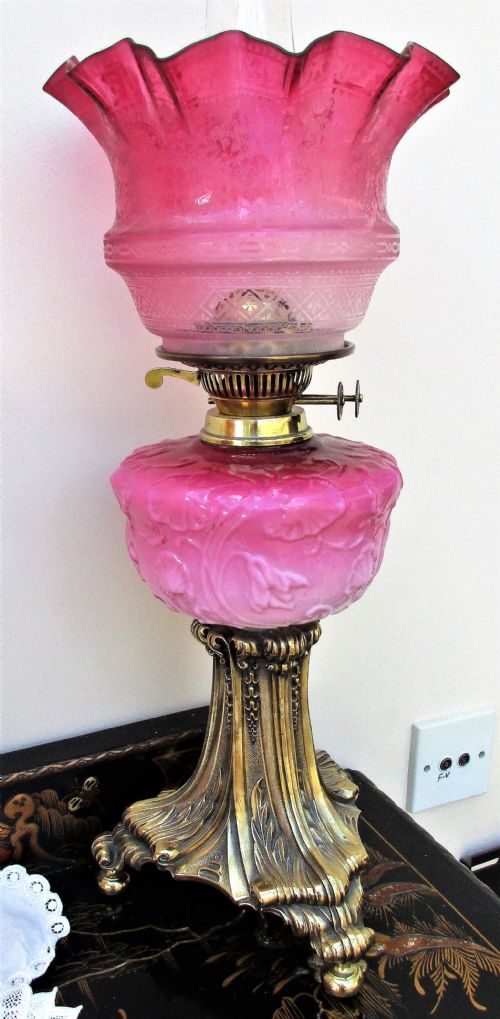
- A decorative treatment where the hot glass rim is manipulated into wavy or ruffled folds. This technique appears on Victorian examples to soften the profile.
- Oil Lamp
- A domestic lighting device that burns fuel via a wick beneath a glass shade or chimney. The surviving examples often retain their original brass burners and collars.
- Floor Lamp
- A tall standing lighting fixture designed to illuminate a room from floor level. Edwardian examples combine brass standards with cranberry glass shades.
- Etched Glass
- Glass decorated by applying acid to cut designs into the surface before or after blowing. This method created contrasting frosted patterns against the transparent cranberry background.
Frequently Asked Questions
What is a cranberry glass lamp shade?
A cranberry glass lamp shade is a coloured glass globe designed to diffuse light from nineteenth and early twentieth century oil lamps. These shades range from plain globular forms to frilled designs.
They sit atop brass or ceramic lamp bodies to soften the glare of the flame while adding rich colour to the room.
How do I date a lamp shade?
Dating relies on the manufacturing style, form, and associated materials recorded across Victorian and Edwardian periods. Frilled edges and specific etching styles often point towards the late nineteenth century.
Comparing the shade to complete lamp assemblies helps identify whether the piece originates from the mid-nineteenth century or later.
Were these shades used for oil lamps?
These shades were primarily manufactured for burning lamp oil in domestic settings before electric lighting became universal. They directed and softened the illumination in Victorian sitting rooms and parlours.
Many examples survive paired with brass columns, ceramic bases, or reading lamp fittings from the same era.
How should I clean my lamp shade?
Cleaning requires gentle washing in warm, soapy water using a soft cloth to protect the historic glass surface. Harsh abrasives must be avoided to preserve the original finish and any delicate etched details.
Careful handling prevents damage to frilled rims and thin glass walls during maintenance.