

Vintage Glass Shade Lamp
These vintage glass shade lamp pieces combine brass and glass across periods from Victorian to 1930, offering functional illumination with period character.
Vintage Glass Shade Lamp
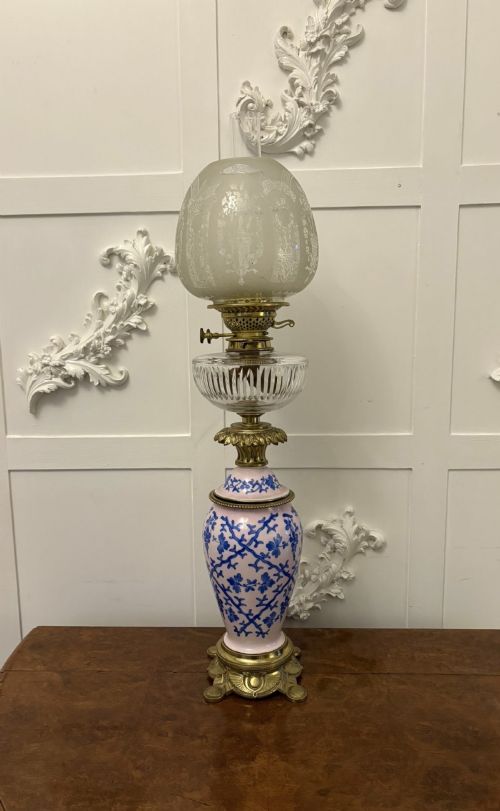
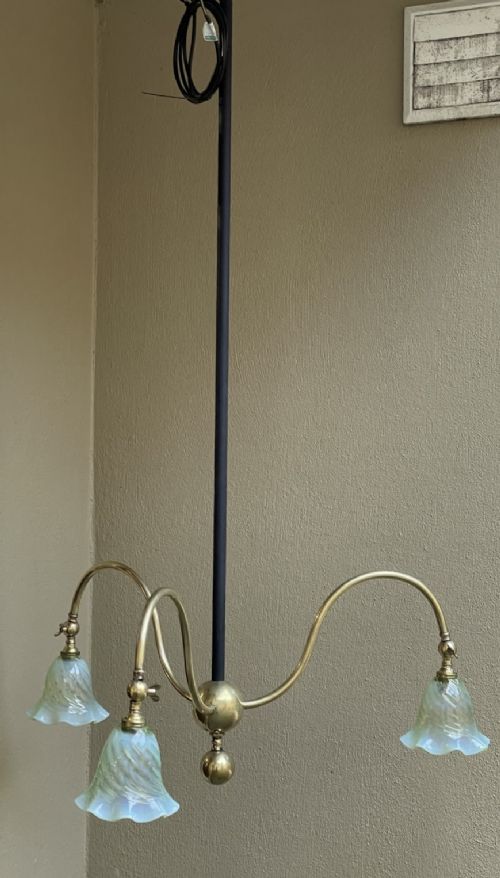
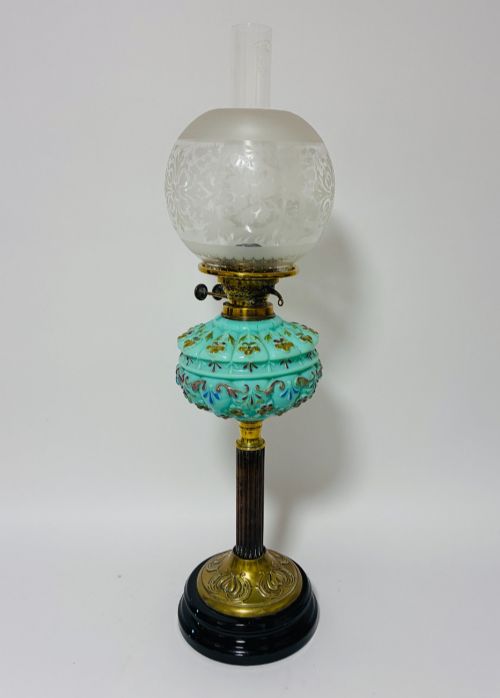
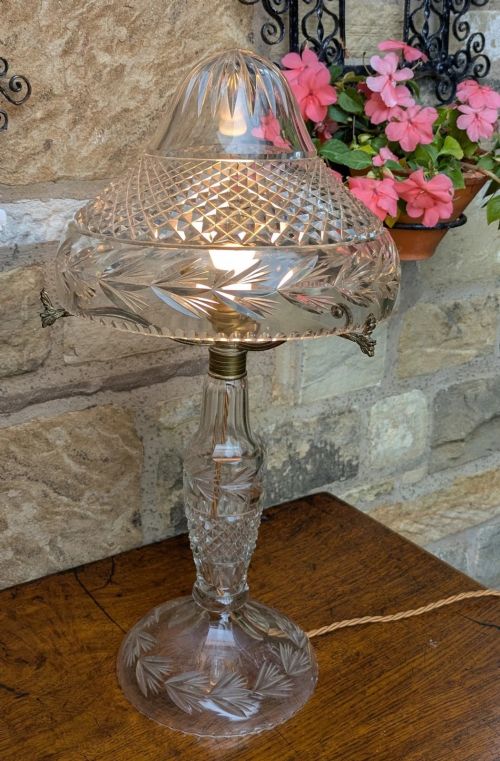
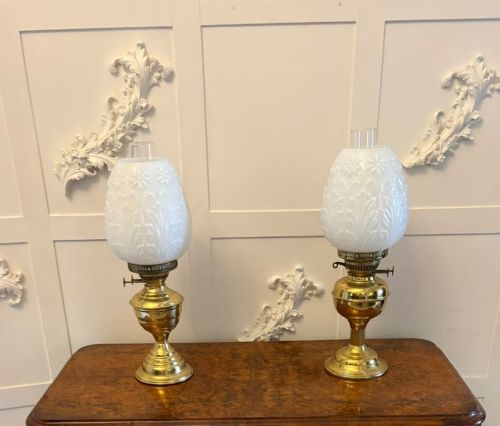
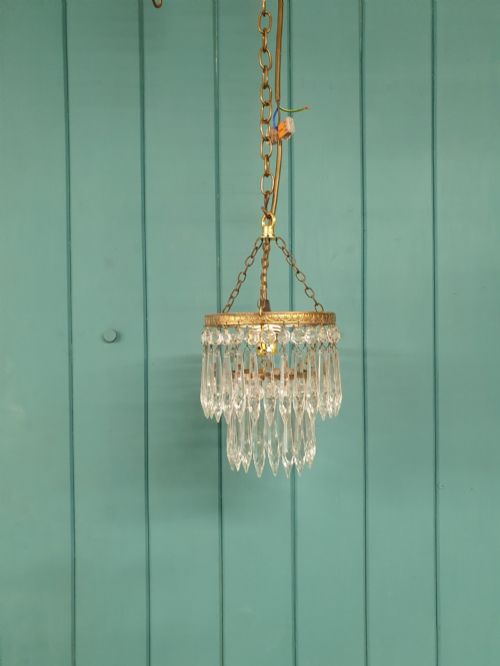
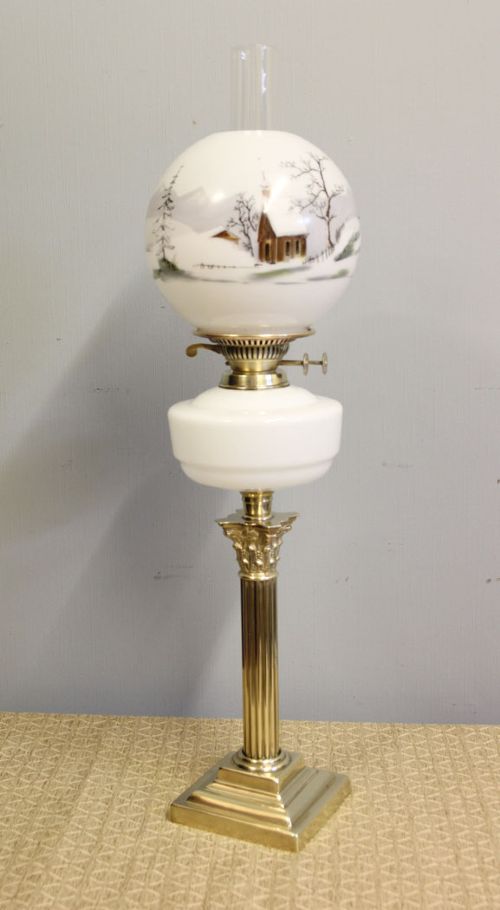
A vintage glass shade lamp brings together practical lighting and period design, drawing from forms such as oil lamps, table lamps, and pendant lights. When you search for a vintage glass shade lamp, you encounter diverse origins spanning the Victorian era, Edwardian period, and 1930 Art Deco designs.
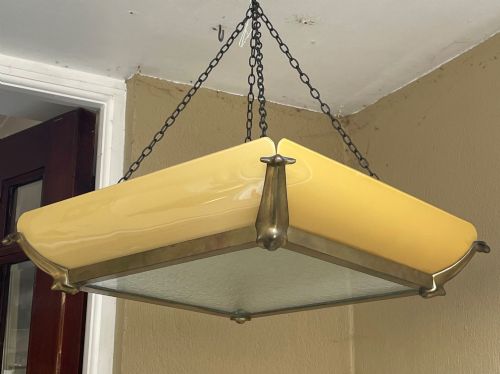
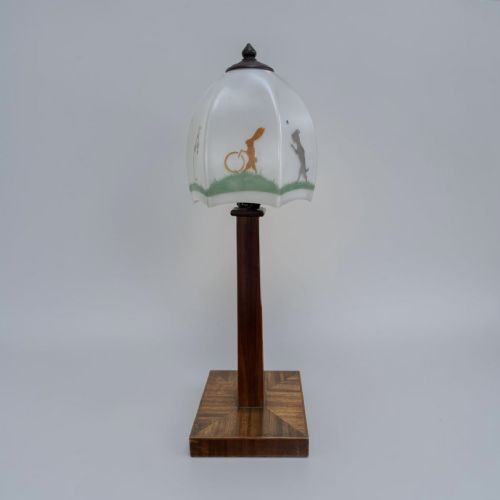
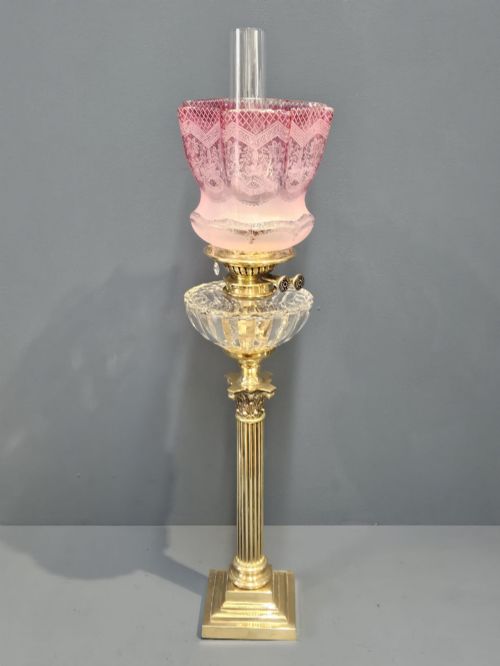
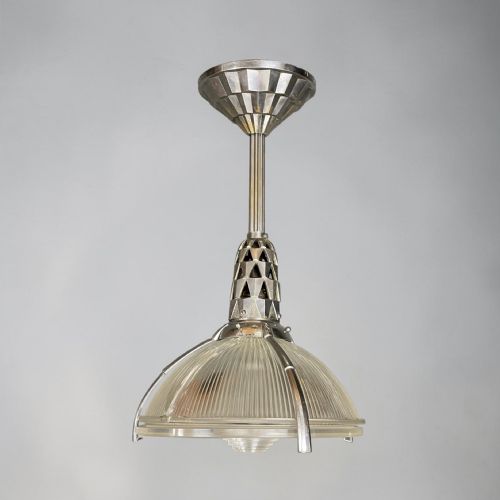
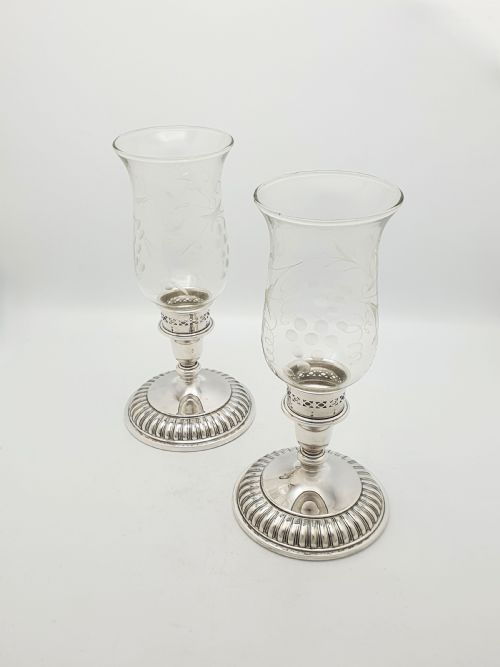
The selections on this page range from heavy brass columns with cranberry shades to industrial ceiling lights and French glass globe pendants. Many examples integrate brass and ceramic structures to support delicate glass components.
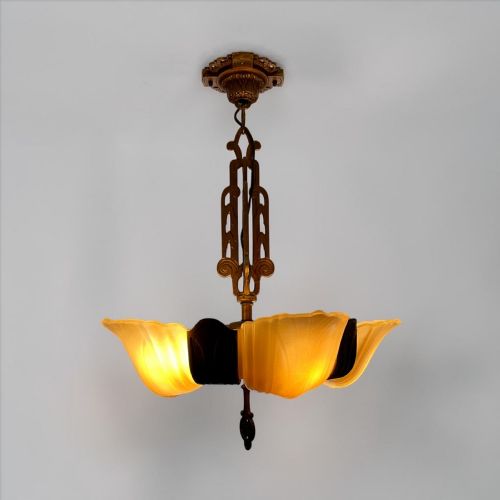
The heavier Victorian and Edwardian oil lamps sit alongside streamlined 1920 and 1930 pendant lights. Each form reflects the domestic lighting technology of its specific decade.
Materials and construction
Makers built these pieces using brass, copper, and cast metals combined with hand-blown, opaline, cut, or cranberry glass. Metal bases provide structural stability for the weight of the glass shades and crystal elements.
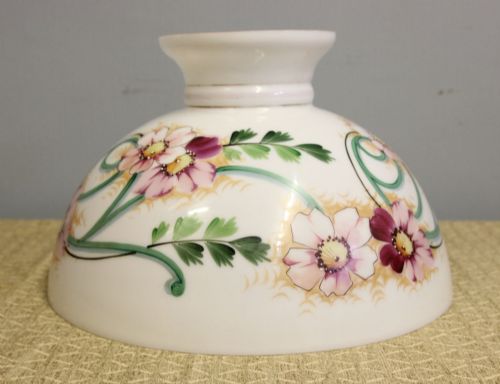
Glass production techniques involved mould-blowing, cutting, and hand-painting, resulting in textures from smooth frosted finishes to deep crystal facets. Brass components were often cast in classical column forms or engineered with rise and fall mechanisms.
Vintage Glass Shade Lamp Retail Price Guide 2026
Typical asking prices for vintage glass shade lamp among the pieces listed under this phrase on Sellingantiques today, from the lower quarter to the upper quarter. They describe what is for sale here now, not the wider market.
Certain French 1930 designs merge illumination with animal motifs, placing lights alongside whimsical ceramic dogs and parrots.
Assessing quality and craftsmanship
Quality rests in the weight of the brass mountings and the clarity of the glass. Superior pieces exhibit crisp cutting in crystal components or deep, even coloration in cranberry and opaline shades.
The integrity of the construction shows in the fit between metal collars and glass rims. Better examples retain original burner mechanisms, matching shades, and substantial metal gauges rather than replacement parts.
Émile-Jacques Ruhlmann·Gustave Serrurier Bovy·Hinks
The Vintage Glass Shade Lamp Glossary
- Opaline glass
- A semi-translucent white glass popular in Victorian and Edwardian lighting. It diffuses light softly through its milky composition.
- Plafonnier
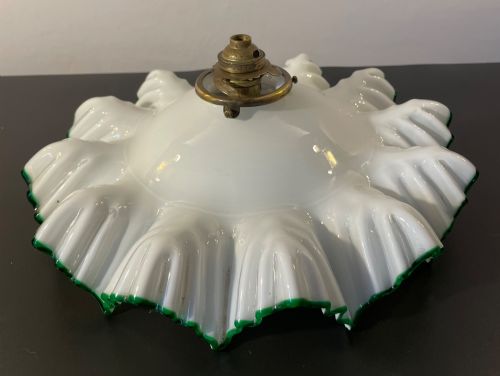
- A ceiling light fixture mounted flush or close to the ceiling surface. This French form often uses moulded or cut glass bowls.
- Duplex burner
- A heavy double-wick mechanism found on larger 19th-century oil lamps. It provided increased illumination intensity.
- Slip shade
- A moulded art deco glass shade that slots directly into a metal frame. It defines many 1930 pendant fixtures.
Vintage Glass Shade Lamp: Frequently Asked Questions
How do I date a glass shade lamp?
Dating relies on stylistic markers and material combinations such as heavy brass Corinthian columns from the Victorian era or geometric slip shades from 1930.
Changes in burner technology and glass manufacturing techniques further help narrow down the period of production.
Were these lamps originally for oil or electricity?
Many examples began as paraffin or oil lamps featuring burners and chimneys before later conversion to electricity.
Ceiling pendants and table lamps from the 1920 and 1930 periods were frequently manufactured specifically for electrical use.
How do I clean opaline and cranberry glass?
Wash the glass components gently in warm water using mild soap, avoiding harsh abrasives that might damage tinted surfaces.
Dry the pieces thoroughly with a soft cloth before reattaching them to their brass frames.
Are replacement shades period accurate?
Replacement shades can match the original style if the fitter size and glass type correspond to the base period.
Original glass elements display manufacturing traits consistent with their stated era, such as pontil marks or hand-finished rims.