

Art Deco Side Lamp
An art deco side lamp brings period geometry and warm ambient light to a room, offering functional illumination alongside distinctive thirties design.
Understanding the art deco side lamp
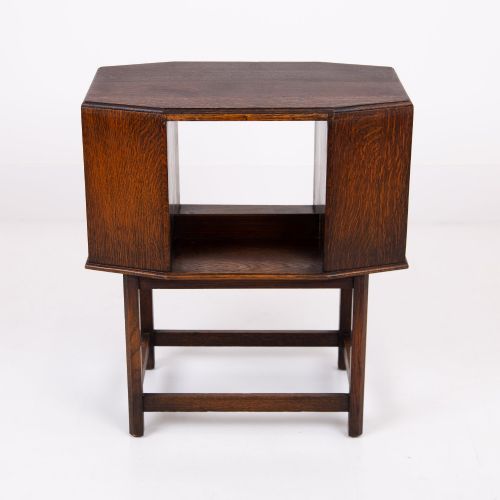
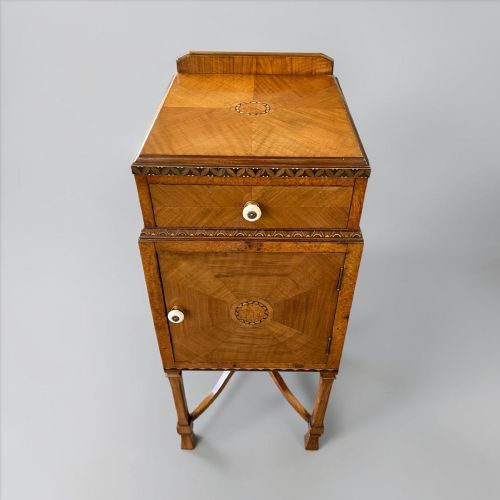
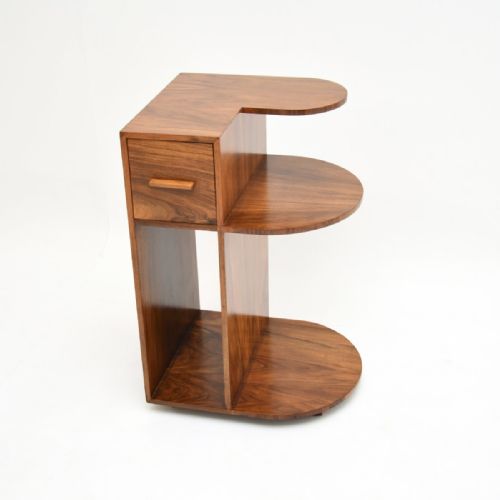
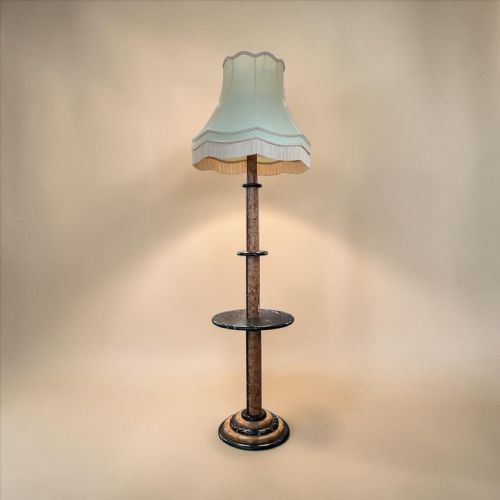
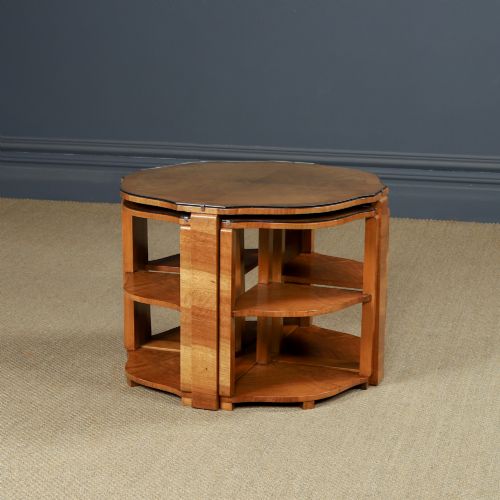
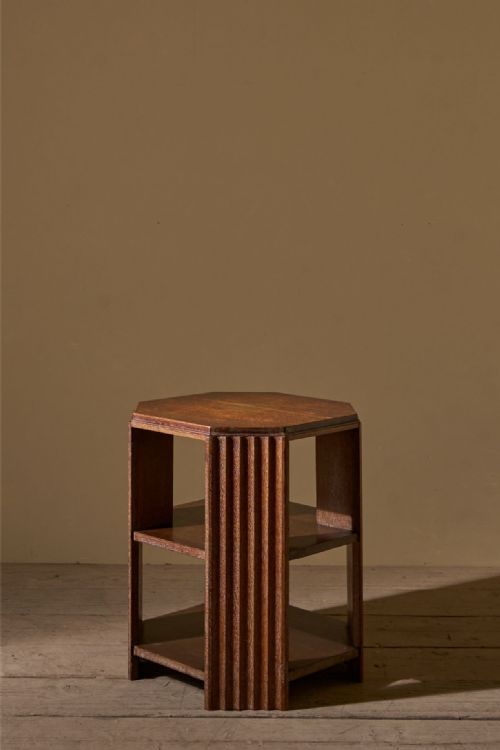
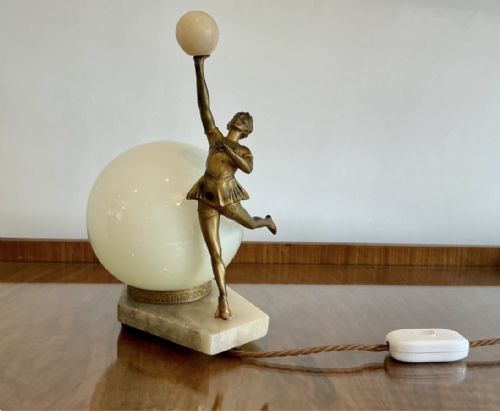
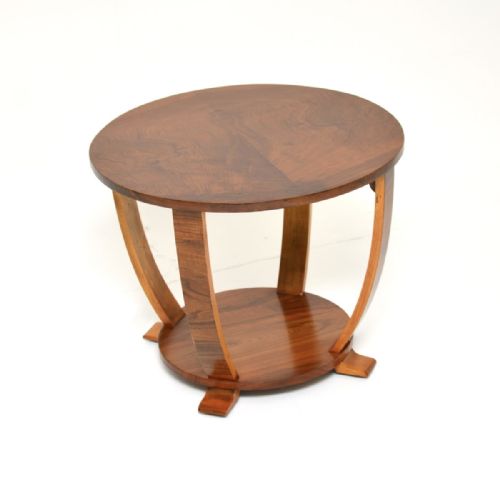
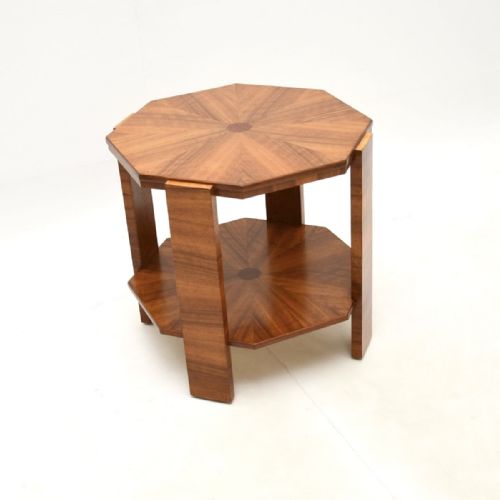
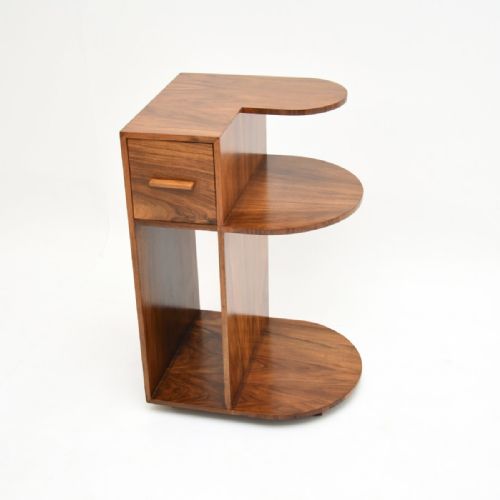
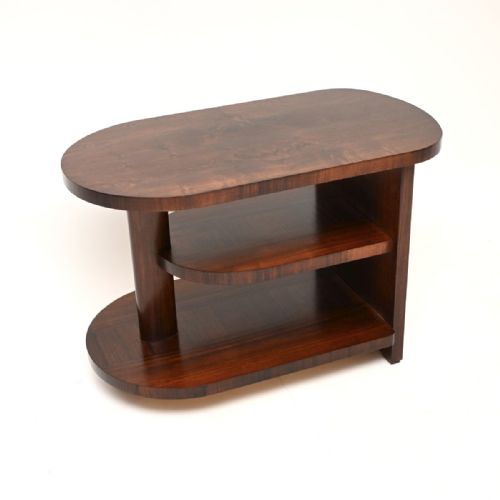
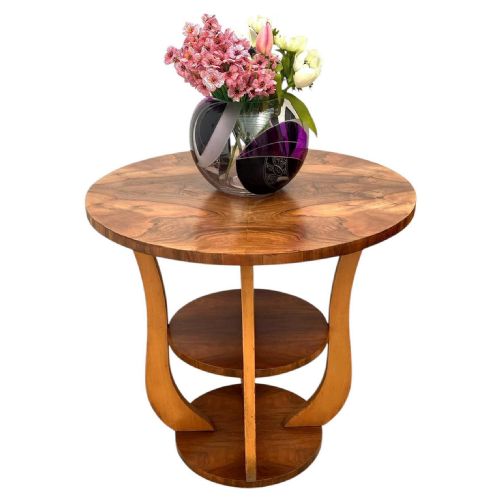
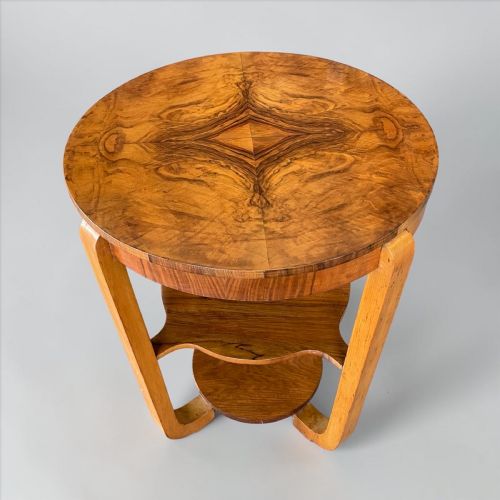
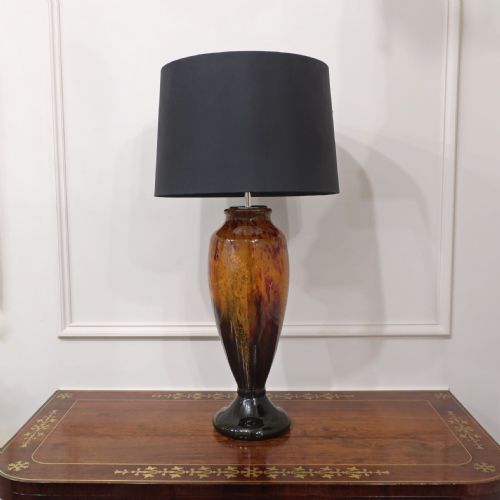
The art deco side lamp category encompasses a diverse range of items, blending lighting solutions with small furniture pieces and decorative figural table lamps. Buyers seeking an art deco side lamp often encounter table lamps featuring figural subjects such as ladies and cherubs, alongside dual-purpose furniture pieces that incorporate surfaces for display or storage. These objects bridge the gap between practical illumination and sculptural interior decor.
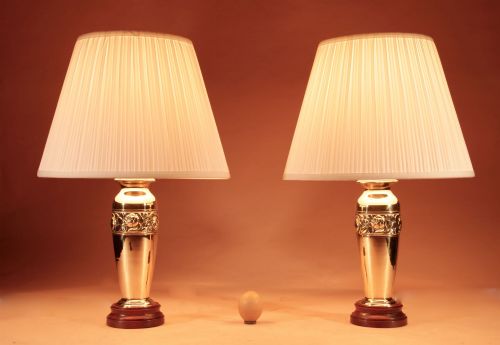
The items seen across current and past records span the nineteen-twenties and nineteen-thirties, reflecting the height of the modernist movement. Table lamps frequently employ glass shades paired with metal, marble, or spelter bases, while furniture forms combine timber surfaces with lighting fixtures. This variety ensures that collectors find pieces suited to specific interior spaces, from compact bedside units to console arrangements.
Mottled glass, opaline glass, and wrought iron frameworks appear alongside timber constructions in walnut, oak, and burr walnut. Such material diversity means that a side lamp might take the form of an illuminated occasional table or a dedicated desk light with a decorative glass shade. Each configuration demonstrates the period's preoccupation with streamlined silhouettes and tactile surfaces.
Determinants of quality
Quality rests upon the execution of the materials and the pedigree of the components, particularly where signed or attributed glass is concerned. Pieces featuring specialised glass shades by prominent makers demonstrate superior artistry compared to standard commercial productions. The crispness of casting in metal figures and the grain selection in burr walnut or maple furniture elements distinguish finer examples.
The integration between lighting and furniture structure dictates the overall standard of a combination piece. Superior examples exhibit seamless joinery, well-matched wood veneers, and robust internal wiring channels that do not compromise the stability of the table. Weight, balance, and the quality of the marble or metal base further separate standard items from superior workshop output.
Retail Price Guide 2026
Typical UK retail prices for art deco side lamp, calculated from the Sellingantiques database of over a million retail prices indexed since 2003. This retail price guide relies exclusively on Sellingantiques data; no external sources or auction records are used, so the figures do not describe the wider market.
Some models combined bedside illumination with a built-in alarm clock, ensuring sleepers woke to modernist punctuality.
The Art Deco Side Lamp Glossary
- Spelter
- An alloy of zinc and lead used as a cheaper alternative to bronze for casting decorative figures and lamp bases. It is frequently painted or electroplated to simulate bronze or brass finishes.
- Opaline Glass
- A semi-opaque glass with a milky appearance, popular for lighting shades because it diffuses light softly without glare. It often exhibits subtle pastel colour tints.
- Burr Walnut
- A wood veneer taken from the wart-like growths on walnut trees, prized for its complex swirling grain patterns. It was extensively used on high-end art deco furniture and table surfaces.
- Wrought Iron
- Iron worked by hammering or bending while hot, used to create structural frames and decorative scrolls for lamps and furniture bases. This material provides strong support with slender profiles.
Frequently Asked Questions
How do I date an art deco lamp?
Dating relies on stylistic markers, materials, and construction techniques typical of the interwar period. Pieces from the nineteen-twenties often retain transitional elements, while nineteen-thirties items favour bolder geometric forms and streamlined silhouettes.
Mottled glass shades and spelter figures align closely with production trends of these decades. Comparing structural details with documented archive examples helps narrow the production window.
Are lamp tables safe to use?
Original electrical components require inspection and rewiring by a qualified professional to meet current safety standards. Many vintage fixtures retain old cloth-covered wiring that is unsuited to modern mains voltage.
Retaining original lamp holders and switches is possible while updating the internal cable and plug. This approach preserves the historical integrity of the object without compromising household safety.
How do I clean mottled glass shades?
Cleaning requires warm water and mild soap applied with a soft cloth to avoid damaging the surface finish. Abrasive cleaners and harsh chemicals must be avoided, as they can strip patination or scratch tinted glass.
Shades should be removed from the metal base before cleaning to prevent accidental drops. Allowing components to dry completely before reassembly protects both the glass and any adjacent wiring.
Where should I place a side lamp?
These pieces suit occasional tables, sideboards, and bedside cabinets where they provide both surface utility and accent lighting. Combination units function well beside seating areas or in hallways as consolidated furniture and illumination points.
Placement should account for the reach of the power cord and the heat generated by traditional bulbs. Using low-heat LED bulbs protects antique glass shades from thermal stress during extended use.