



Art Deco Globe Lamp
An art deco globe lamp brings sculptural form and diffused illumination into a room, capturing the distinct industrial elegance of the interwar decades.
Art Deco Globe Lamp
An art deco globe lamp combines geometric forms and figural subjects with spherical glass shades, originating primarily from the 1920s, 1930s, and 1940s. These pieces function as both functional task lighting and decorative mood lighting within domestic spaces.
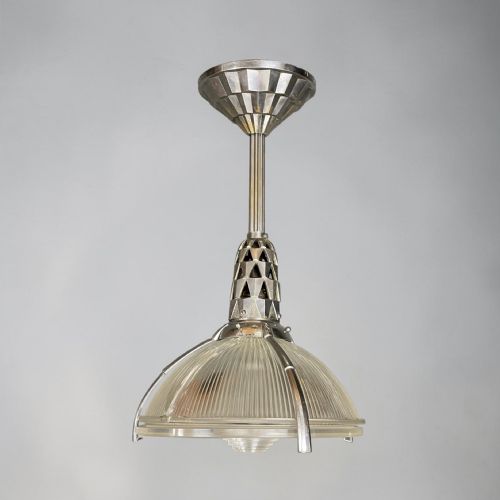
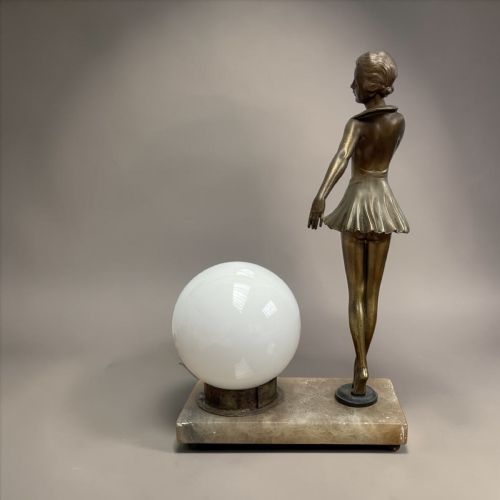
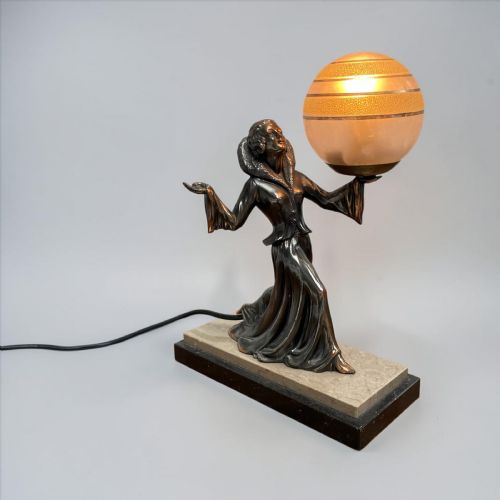
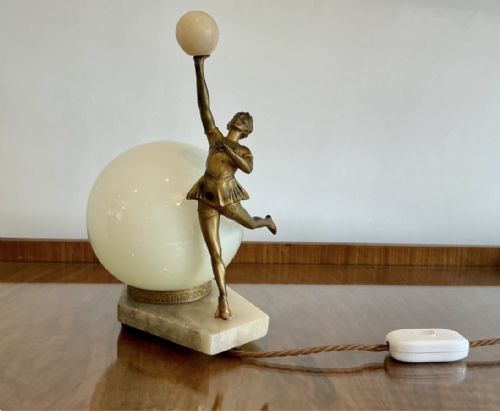
The most common variations on this page include figural lady lamps holding glass globes, alongside simpler marble and chrome table lamps and suspended ceiling pendants. French workshops and English makers contributed significantly to the designs found in this category.
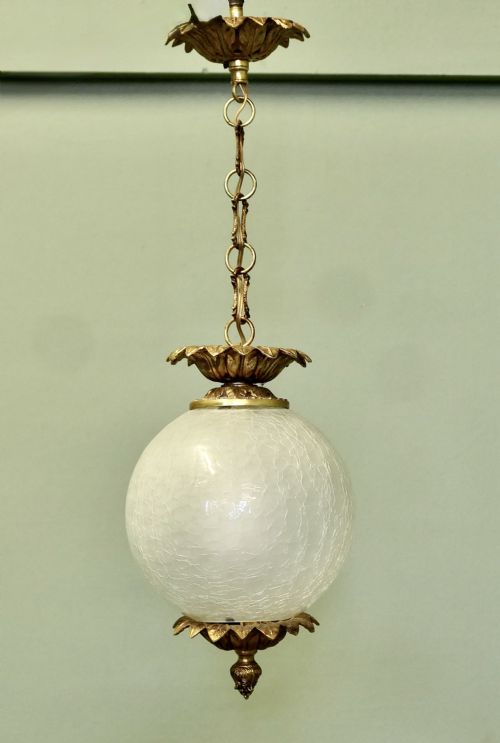
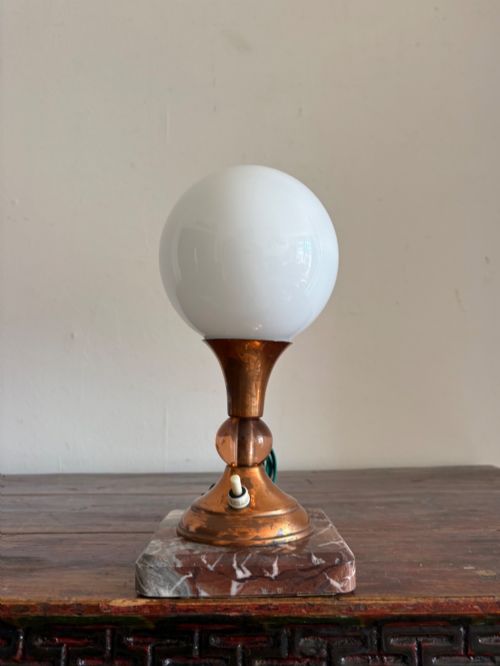
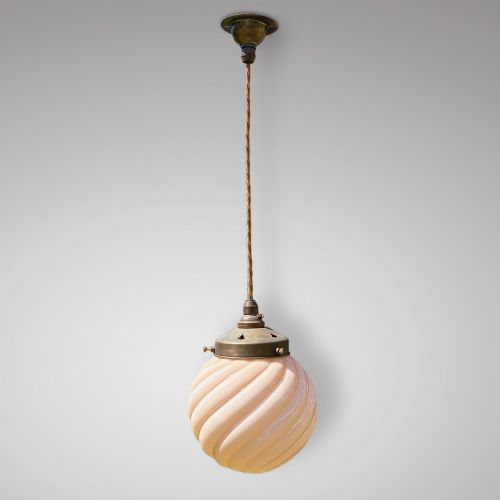
Table lamps, desk lamps, and hanging ceiling lights dominate the selection, often pairing spherical opaline or frosted glass with heavy stone bases. The visual impact relies heavily on the contrast between polished metal or metal alloys and translucent glass.
Materials and construction
Maker workshops utilised a combination of cast metals, including bronze, brass, spelter, and chrome, mounted onto bases of marble, granite, or alabaster. Figural components depict human figures and animals cast with considerable detail, supporting glass globes of varying opacities.
Shades are fashioned from opaline glass, frosted glass, or patterned crystal, designed to soften the electric light emitted within. Synthetic materials such as early plastics like bakelite, catalin phenolic, and copper also appear across desk and table variants from the 1930s and 1940s.
Art Deco Globe Lamp Retail Price Guide 2026
Typical asking prices for art deco globe lamp among the pieces listed under this phrase on Sellingantiques today, from the lower quarter to the upper quarter. They describe what is for sale here now, not the wider market.
Listings feature items spanning the 1920s, 1930s, and 1940s, constructed from materials including marble, bronze, chrome, opaline glass, and bakelite.
Judging quality and execution
Quality rests upon the crispness of the casting in figural elements and the weight and type of the stone base. Heavier marble or alabaster plinths paired with well-defined bronze or silver-plated figures represent higher tiers of production.
The integrity and originality of the glass globe distinguish superior examples from replacements. Etched crystal and patterned opaline shades integrated directly into the lamp's structural design command greater regard among collectors.
Émile-Jacques Ruhlmann
The Art Deco Globe Lamp Glossary
- Opaline glass
- A milky, semi-translucent glass that diffuses electric light evenly. It was widely utilised for globe shades during the interwar period.
- Spelter
- An alloy of zinc and lead used as a cost-effective substitute for bronze in decorative castings. It often received a bronze-coloured or painted finish.
- Torchiere
- A tall floor lamp that directs light upwards towards the ceiling. These fixtures provided ambient illumination in larger rooms during the 1930s.
- Bakelite
- An early thermosetting plastic utilised for electrical components and lamp bases. Its durability and distinct appearance defined modernist design.
Art Deco Globe Lamp: Frequently Asked Questions
What is an art deco globe lamp?
An art deco globe lamp is a lighting fixture featuring a spherical glass shade paired with metal or stone bases from the 1920s to 1940s.
These lamps often incorporate figural motifs like human figures or animals alongside industrial materials such as chrome and marble.
How do I date an art deco lamp?
Dating relies on identifying materials like bakelite, chrome, or spelter alongside stylistic cues from the 1920s, 1930s, and 1940s.
Earlier pieces often feature French origins and bronze work, while later 1940s examples lean towards streamlined modernist or machine age aesthetics.
Where were these lamps used?
These lamps functioned primarily as desk lamps, table lamps, and hallway pendant lights in interwar homes.
Smaller variants also served as night lights, whilst larger torchiere and ceiling globe configurations provided ambient room illumination.
Are the globes original?
Original globes typically consist of period opaline or frosted glass that matches the mounting hardware and patination of the base.
Examining the glass for period-specific blowing marks and fitting sizes helps confirm whether the shade belongs to the lamp.