
Victorian Oil Lamp Shade
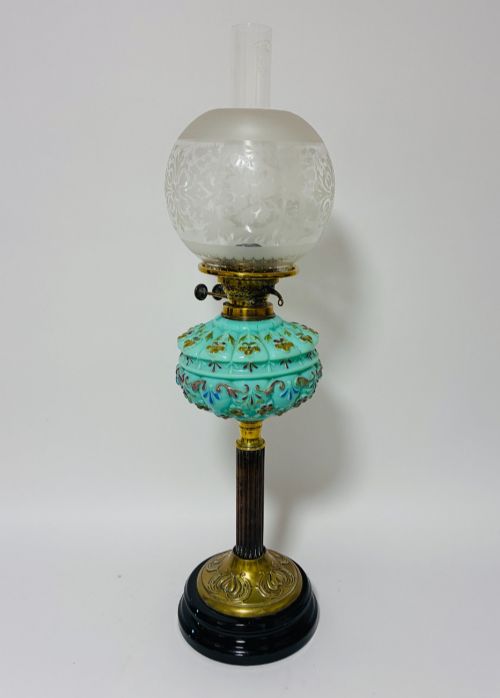
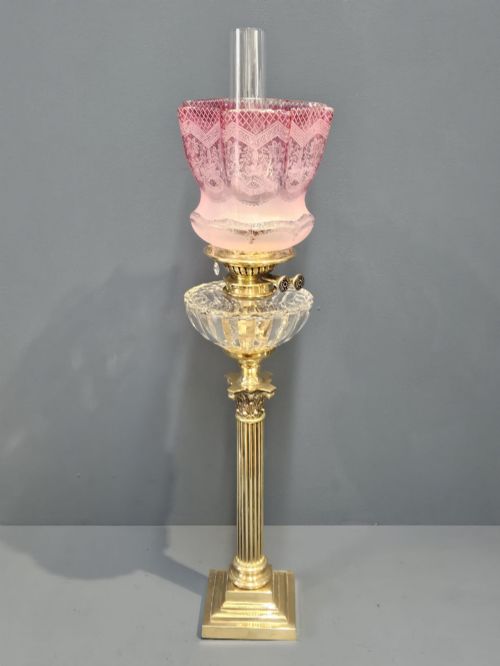
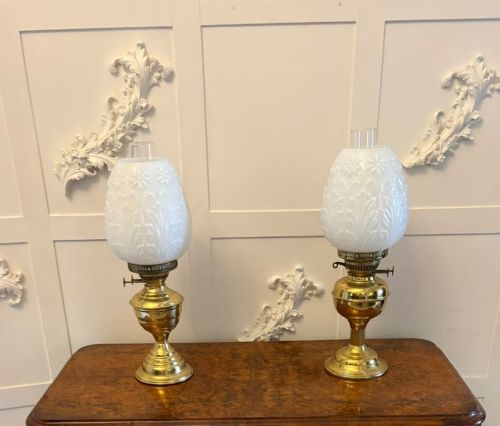
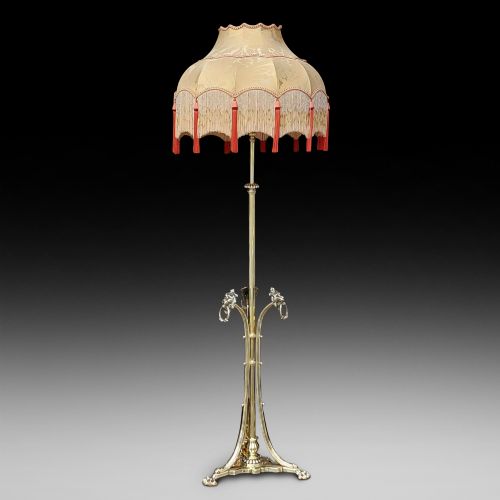
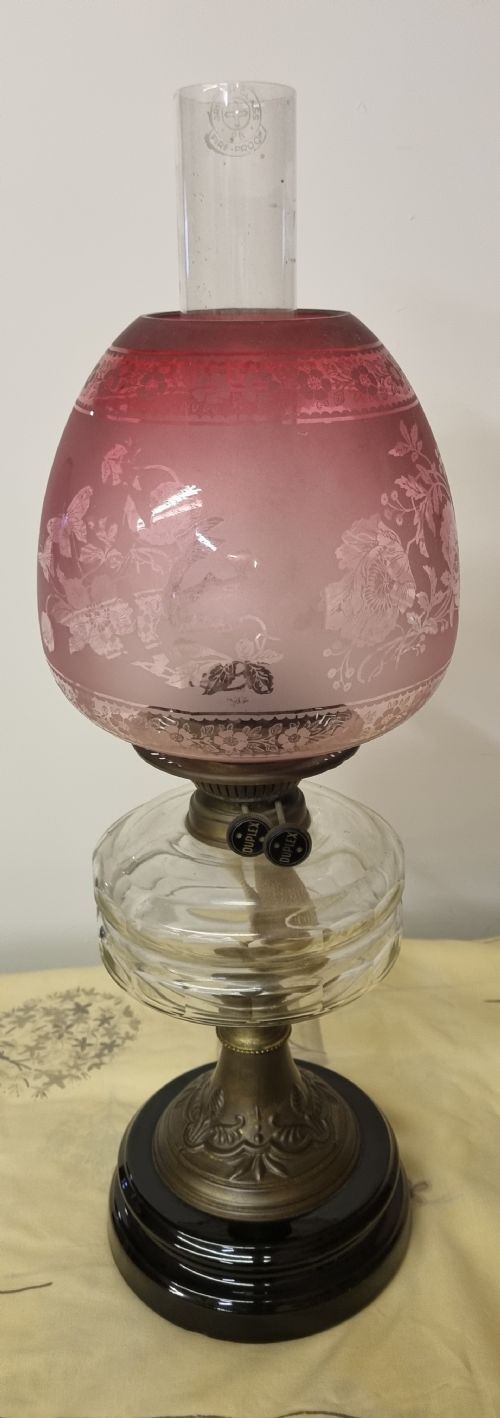
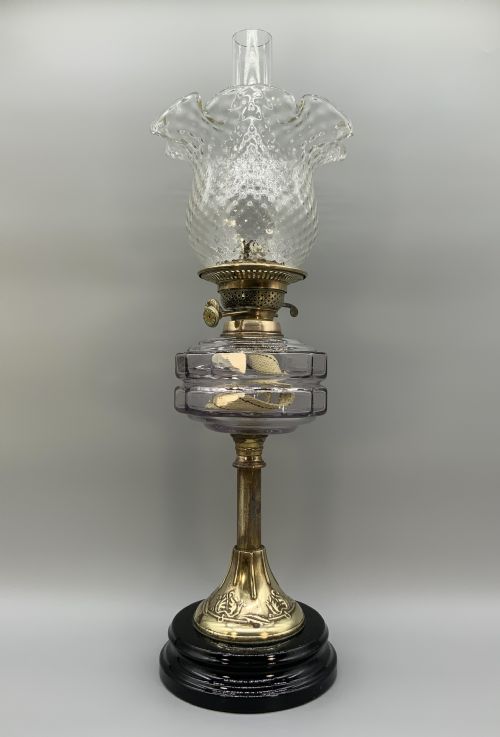
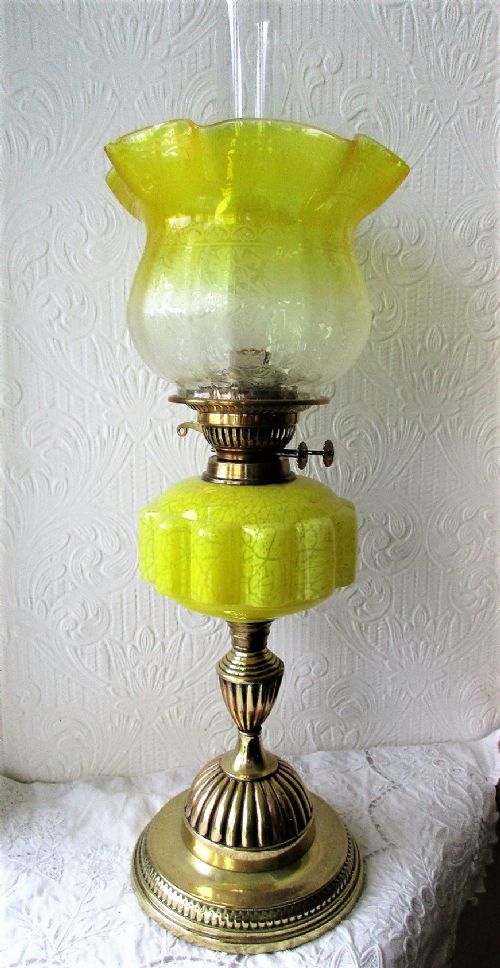
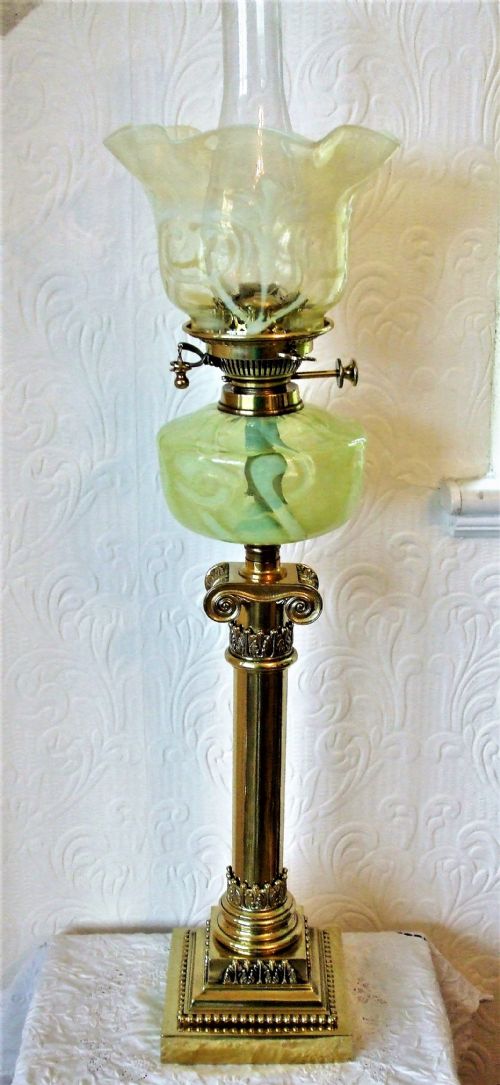
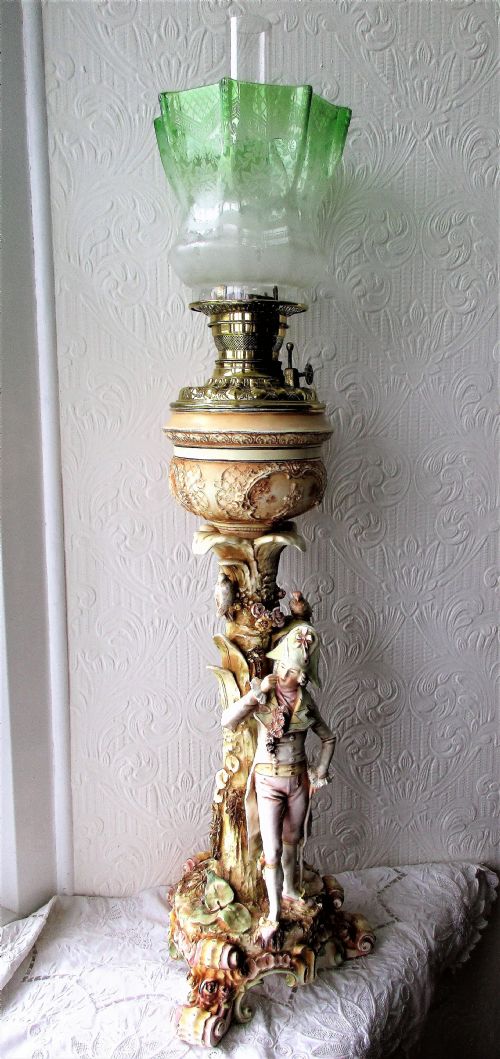
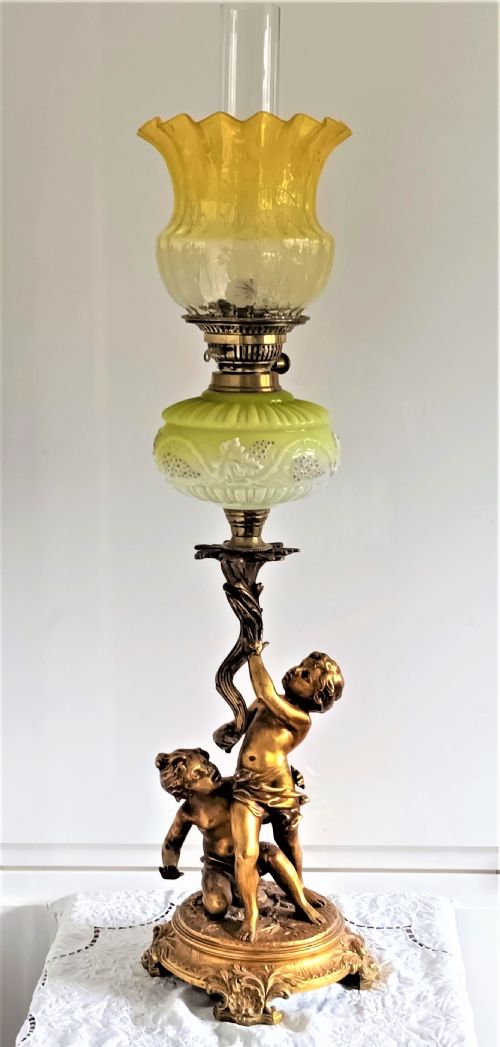
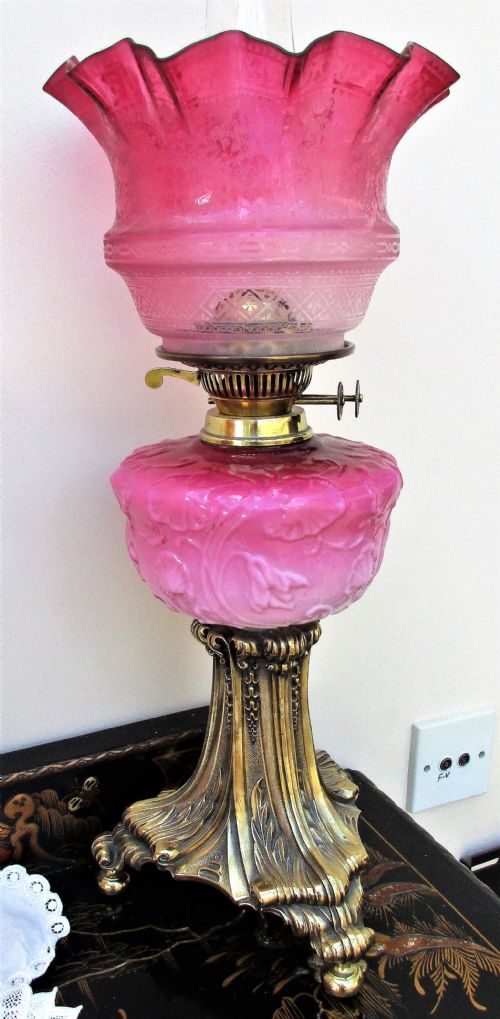
These Victorian oil lamp shade examples bring character to an interior through rich coloured glass and traditional forms.
What a victorian oil lamp shade is
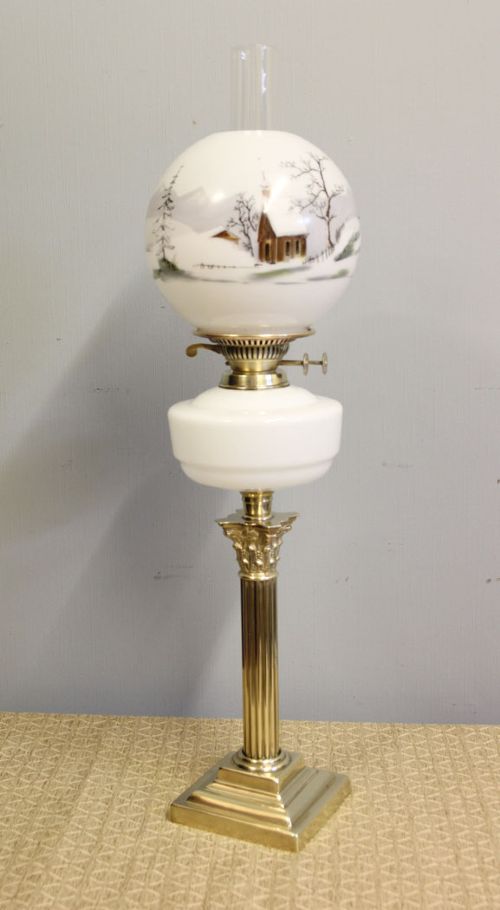
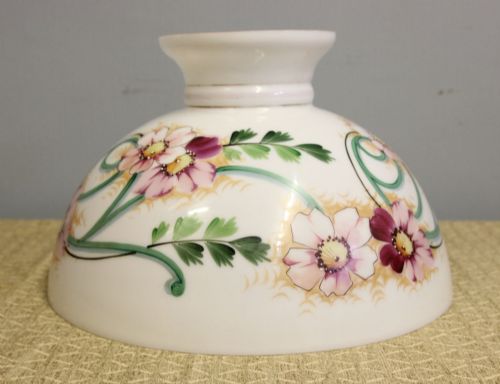
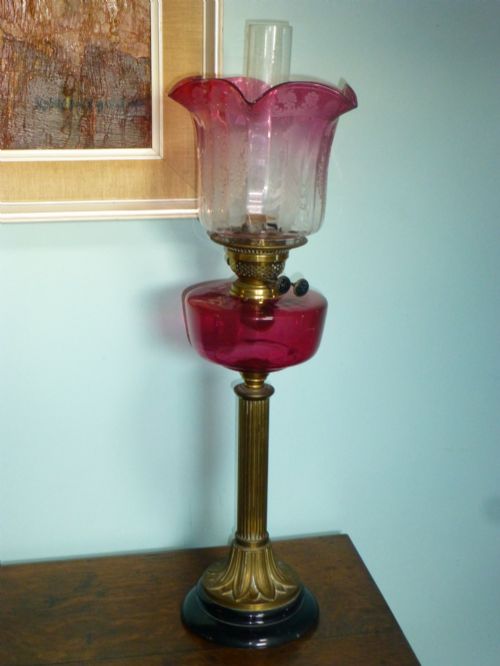
A victorian oil lamp shade is a glass or ceramic globe designed to sit atop a period lamp base, diffusing light while protecting the flame. You will most frequently encounter blown and moulded glass versions in solid colours, featuring frilled rims or etched motifs.
The materials and styles span the late nineteenth century into the early twentieth century, taking in both Victorian designs and later Art Nouveau shapes. Many pieces survive as independent globes, while others remain paired with their original brass columns or ceramic reservoirs.
How they were made
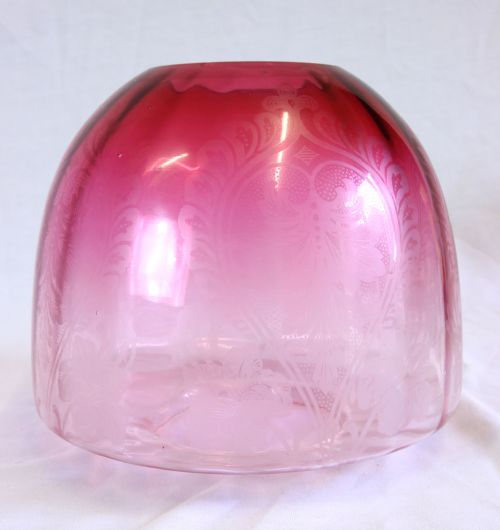
Glassmakers utilised techniques such as hand-blowing and moulding to shape glass into globes, tulips, and frilled shades. Materials range from clear glass treated with enamel paint to opaque opaline, vaseline, and cranberry glass coloured through mineral additions during melting.
Many shades feature surface decoration achieved by etching patterns into the glass or applying contrasting glass threads around the rim. Metal collars, brass rings, and ceramic mounts were incorporated to secure the shade to the burner mechanism.
Retail Price Guide 2026
Typical UK retail prices for victorian oil lamp shade, calculated from the Sellingantiques database of over a million retail prices indexed since 2003. This retail price guide relies exclusively on Sellingantiques data; no external sources or auction records are used, so the figures do not describe the wider market.
Materials recorded across the archive include cranberry glass, opaline, vaseline glass, brass, ceramic, and etched ruby finishes.
What varies in quality
The distinction between standard production and superior work lies in the depth of colour and the crispness of any etched or enamelled detail. Rich, saturated hues like cranberry and ruby glass require precise chemical control during firing.
Hand-formed elements such as frilled rims and applied glass borders show the skill of the original glassblower through their symmetry and weight. Heavier glass walls and finely proportioned tulip silhouettes generally indicate a higher grade of manufacture.
Doulton Lambeth Ware·Cadburys Cocoa·Hinks
The Victorian Oil Lamp Shade Glossary
- Cranberry glass
- A rich red-pink glass coloured with gold chloride, highly popular for Victorian lighting.
- Opaline glass
- A semi-opaque pale glass that diffuses light softly, often found in white or tinted shades.
- Vaseline glass
- A yellow-green glass containing uranium dioxide, which glows under ultraviolet light.
- Frilled rim
- An edge shaped into ruffles or waves while the glass was still hot from the furnace.
Frequently Asked Questions
How do I measure for a shade?
Measure the outer diameter of the fitter rim where the shade inserts into the brass gallery ring. Compare this dimension carefully with the opening of the lamp holder to ensure a secure fit.
Note the overall height and bulbous width of the shade to ensure it matches the proportions of the oil lamp base without tipping the balance.
Were these shades always made of glass?
While glass is the predominant material seen in coloured, etched, and opaline finishes, ceramic components were also utilised. Some examples integrate ceramic bodies alongside brass mounts.
Glass remained the preferred medium because it could withstand heat while effectively diffusing light across the room.
How do I clean an old shade?
Wash the glass gently in lukewarm water using a mild detergent and a soft cloth. Avoid abrasive sponges that can scratch enamelled surfaces or delicate painted details.
Take care around frilled rims and etched patterns where dust collects, and dry the piece thoroughly before placing it back onto a metal gallery.
Can I use these shades with modern lamps?
Many period shades fit standard modern galleries if the fitter rim diameter matches the holder size. Ensure that any electric bulb used generates a low enough heat output to protect vintage glass.
Using LED bulbs helps reduce thermal stress on nineteenth-century glass while maintaining the amber or cranberry glow intended by the maker.