
Paraffin Table Lamp
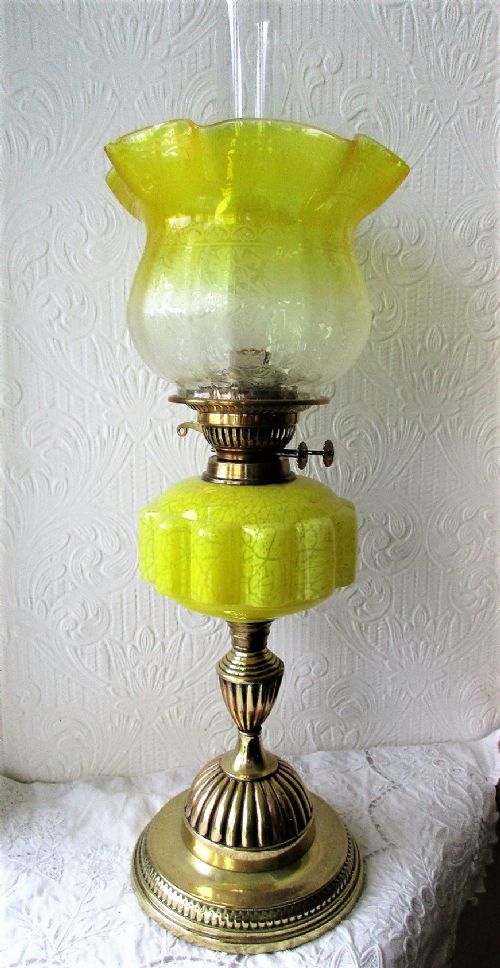
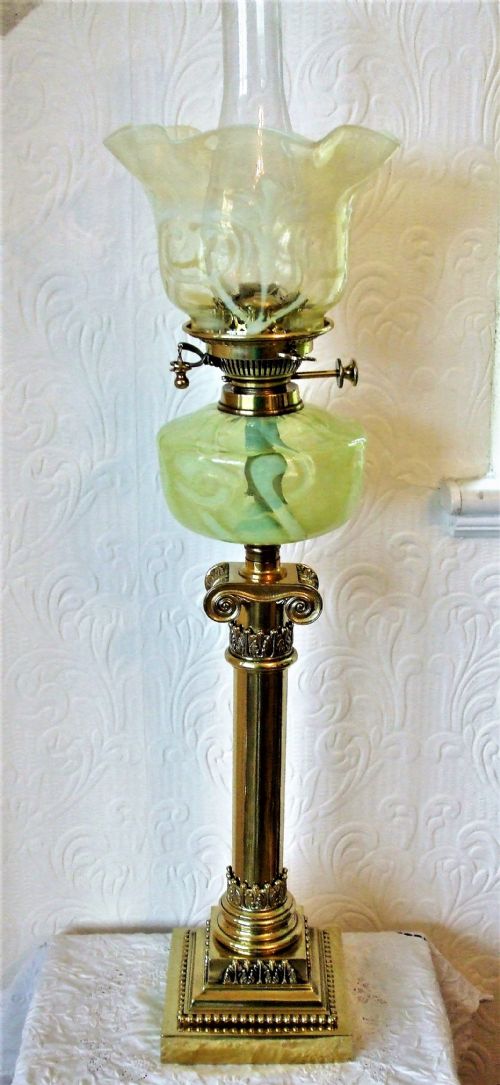
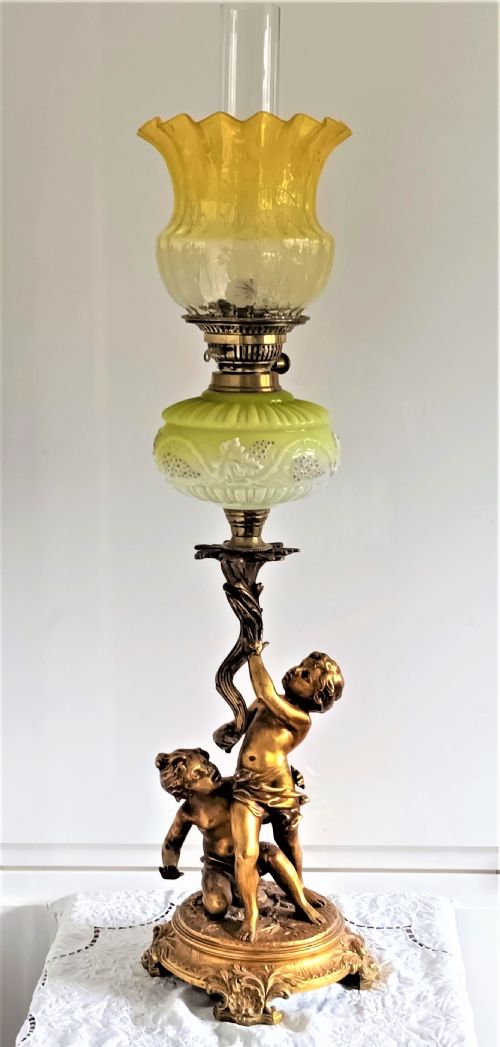
A paraffin table lamp brings warm Victorian and Edwardian character to a room with its gleaming brass and colourful glass.
What paraffin table lamps are
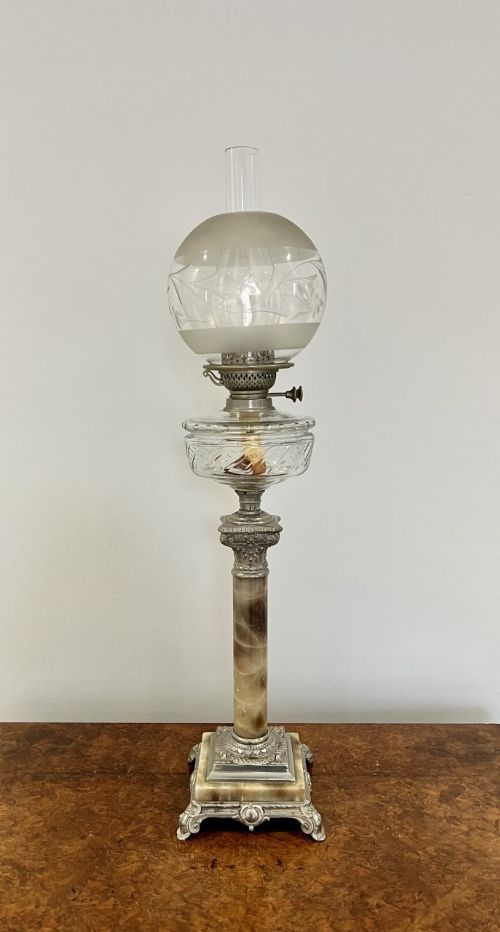
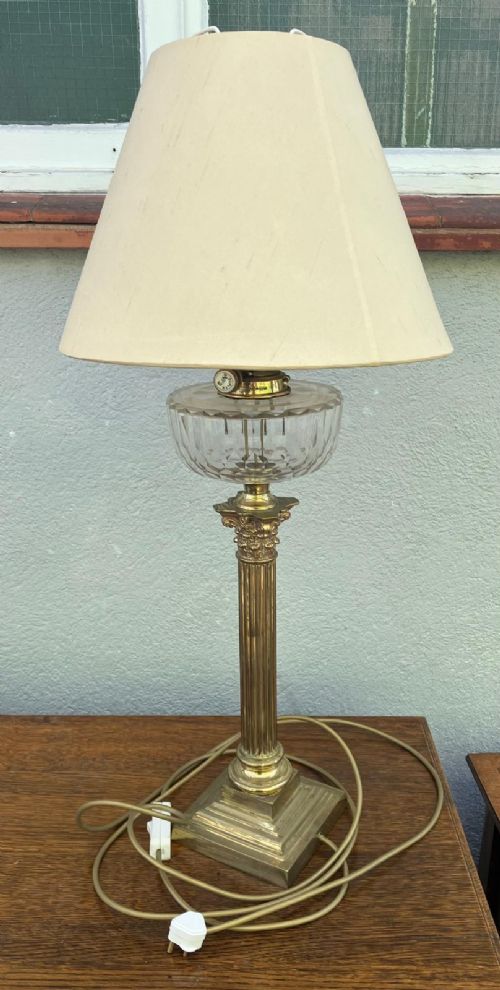
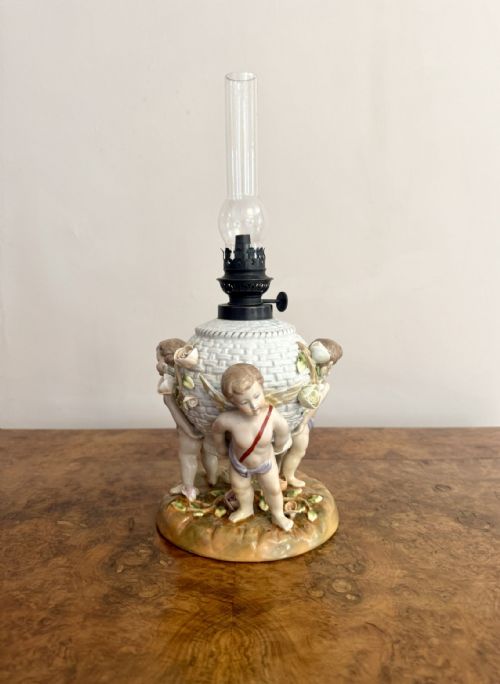
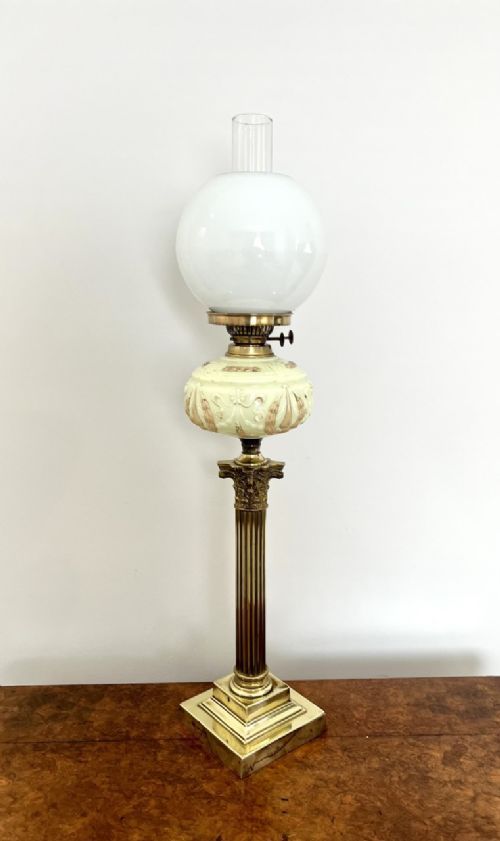
A paraffin table lamp is a functional domestic lighting piece designed to sit on a surface, usually combining a heavy metal base with a fuel reservoir and a glass shade.
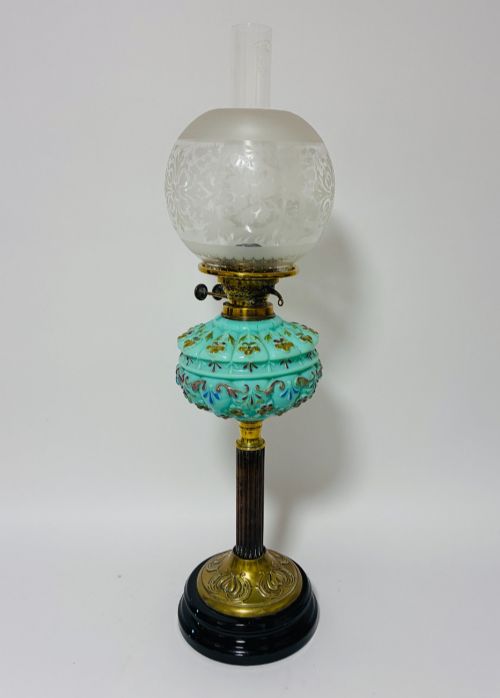
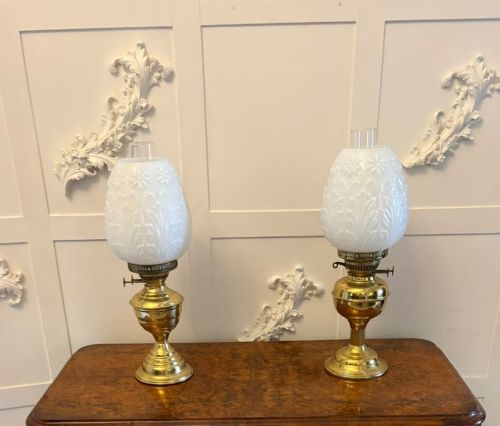
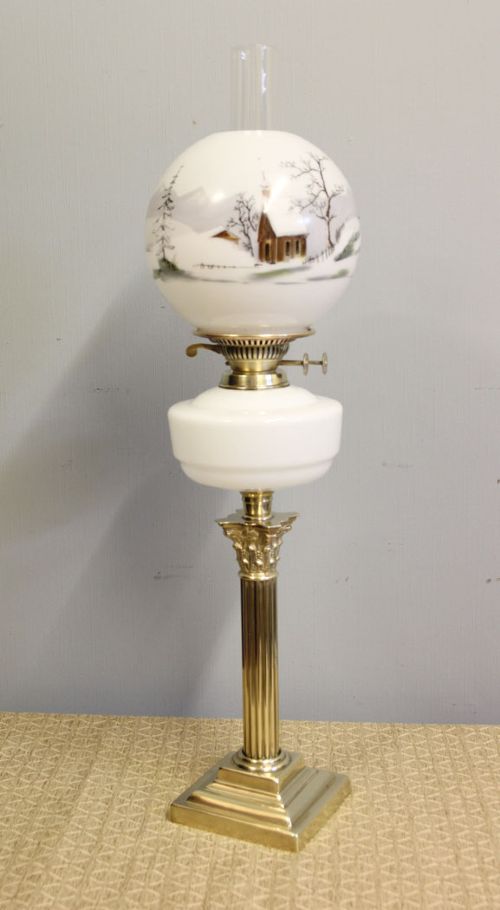
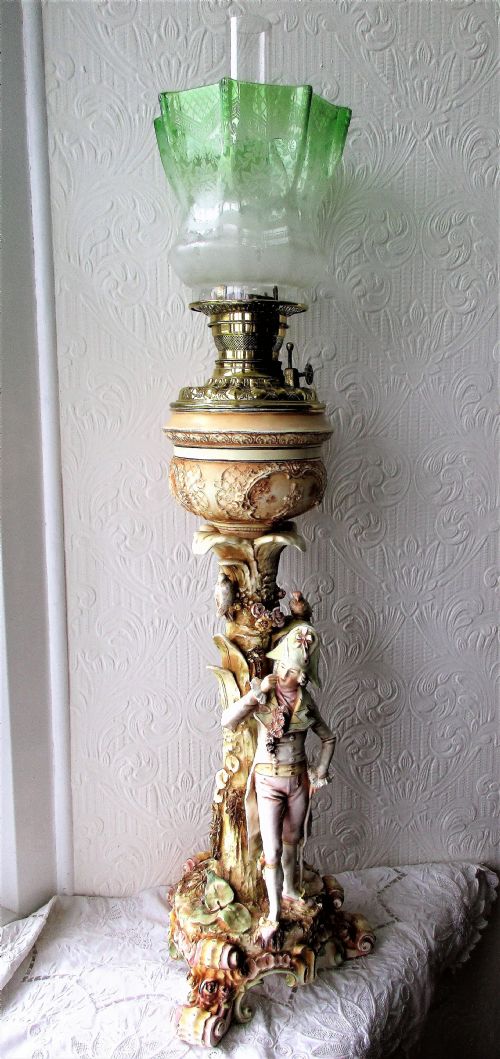
You are most likely to meet Victorian and Edwardian examples on this page, spanning the nineteenth and early twentieth centuries in brass, ceramic, and glass.
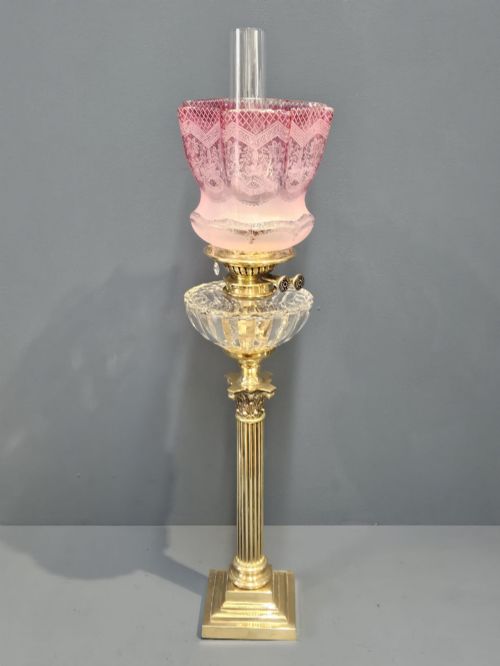
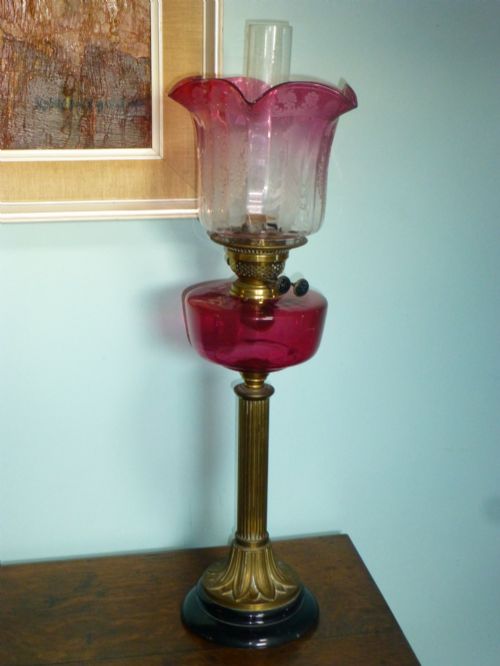
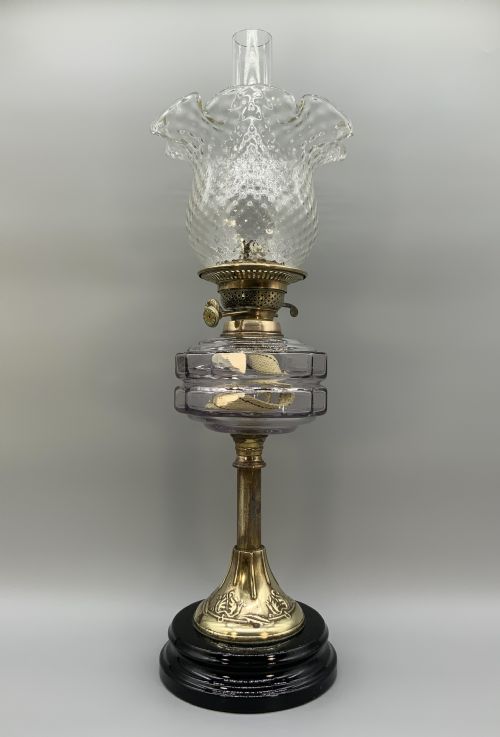
Forms range from simple nineteenth-century brass columns to taller Art Nouveau and Secessionist designs featuring twin burners and hand-blown shades.
How they were made
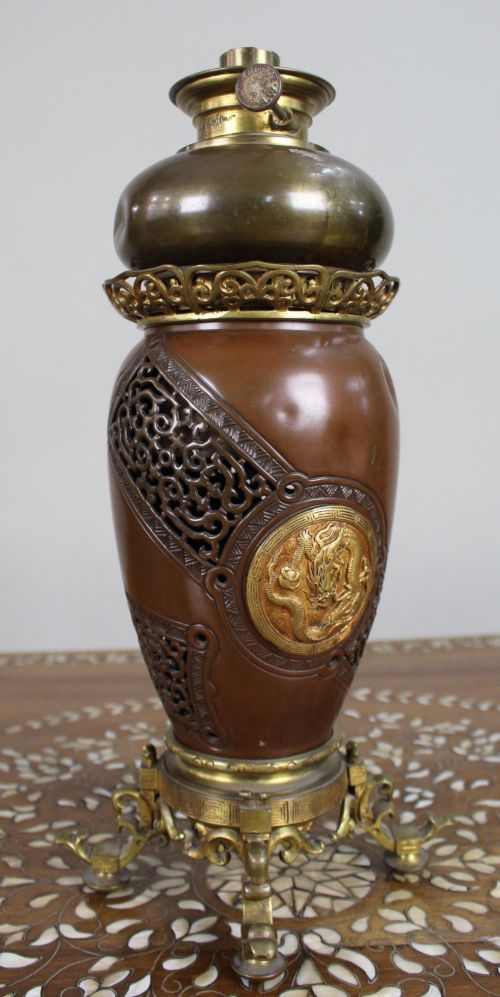
Maker workshops built these lamps using spun or cast brass and copper, frequently mounting them on ebonised wood bases for stability.
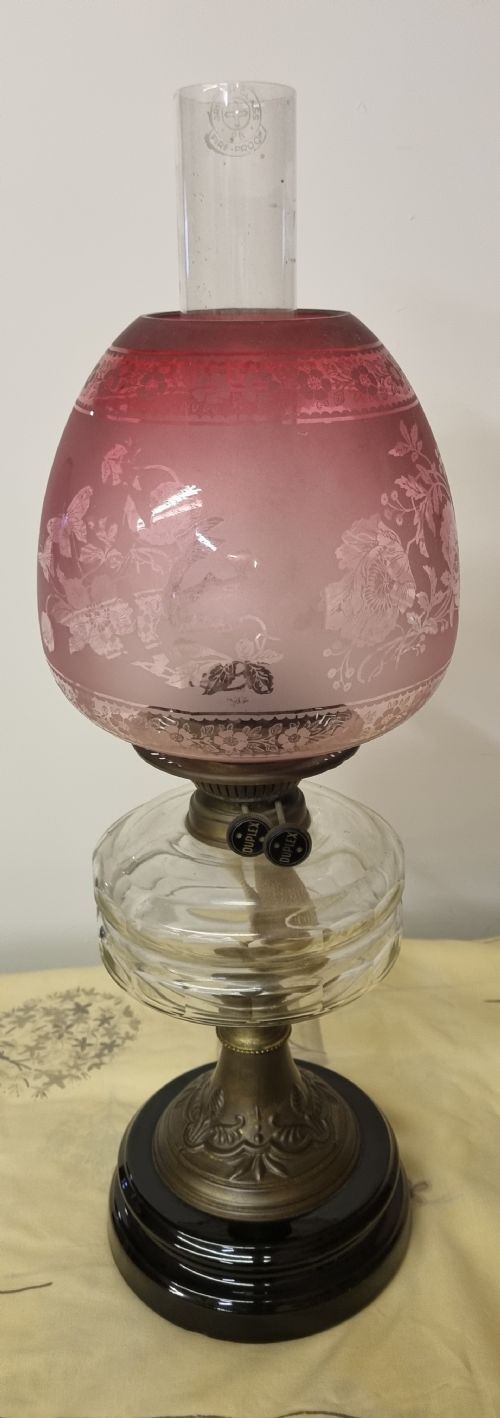
Reservoirs combined opaque ceramic bodies with metal collars, while shades were often formed from hand-blown cranberry glass or delicate fabric.
Retail Price Guide 2026
Typical UK retail prices for paraffin table lamp, calculated from the Sellingantiques database of over a million retail prices indexed since 2003. This retail price guide relies exclusively on Sellingantiques data; no external sources or auction records are used, so the figures do not describe the wider market.
Some makers added telescopic shafts so people could adjust the height while reading.
What varies in quality
The distinction between standard domestic lighting and finer work rests on the weight of the metal castings and the presence of telescopic mechanisms.
Artistic ambition sets certain examples apart, particularly Secessionist and Art Nouveau pieces with integrated brass and copper detailing.
Hinks of Birmingham·Gustave Serrurier Bovy
The Paraffin Table Lamp Glossary
- Paraffin table lamp
- A portable domestic lighting fixture fueled by paraffin oil and designed to stand on a table. These pieces utilise glass reservoirs or shades paired with metal burners.
- Telescopic oil lamp
- A standard lamp featuring an adjustable column that allows the height of the light source to be raised or lowered. This mechanical feature enabled users to direct illumination as required.
- Cranberry glass
- A rich pinkish-red glass created by adding gold chloride to the molten mixture. It was widely used for Victorian lampshades to cast a warm glow.
- Secessionist
- An early twentieth-century design movement favouring clean geometric lines and stylised floral motifs over ornate Victorian revivalism. Works from this period show distinct continental influence.
- Twin-burning
- A burner configuration employing two separate wicks to produce a brighter flame. This arrangement required careful trimming to ensure an even light.
Frequently Asked Questions
How do I date a paraffin table lamp?
Dating relies on observing material combinations, burner patents, and stylistic cues such as Art Nouveau curves or heavy Victorian brass casting.
Simpler columns often point to the mid nineteenth century, while lighter frames and geometric motifs suggest the Edwardian era.
Were these lamps used for main lighting?
Before electricity reached most homes, these stood on side tables and desks to provide focused task illumination in sitting rooms and studies.
They sat alongside candles and gas lighting to brighten specific areas of the home during evening hours.
Can I still burn oil in them?
While many collectors wire them for electricity to use them safely today, original brass burners and mechanisms remain intact on numerous examples.
Using them as period lamps requires checking the condition of the internal reservoir and replacing old wicks.
What maintenance do brass lamps need?
Polishing depends on personal taste, as many collectors prefer to keep a mellow patinated surface rather than a bright polished finish.
Dusting the glass shades with a soft cloth keeps the material clear and preserves hand-blown details.