
Vintage Kerosene Lamp
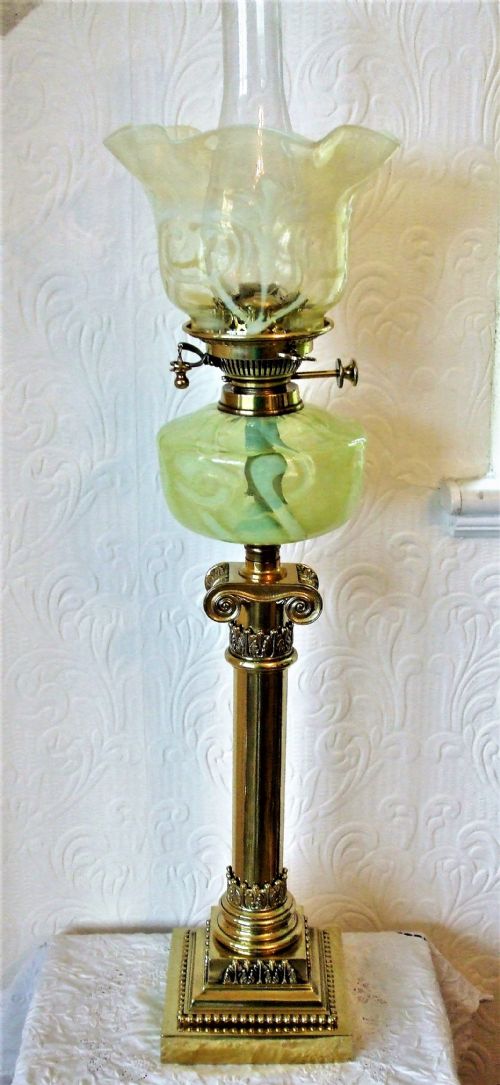
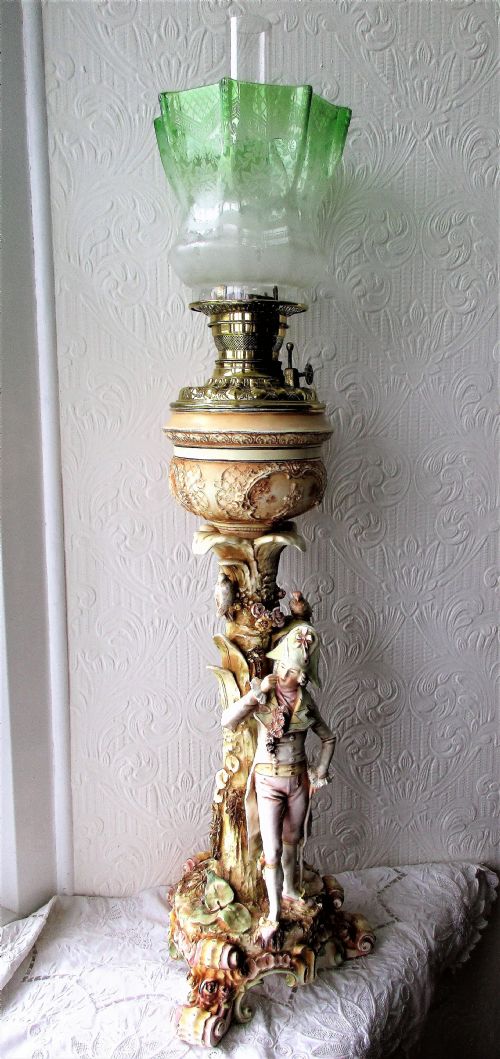
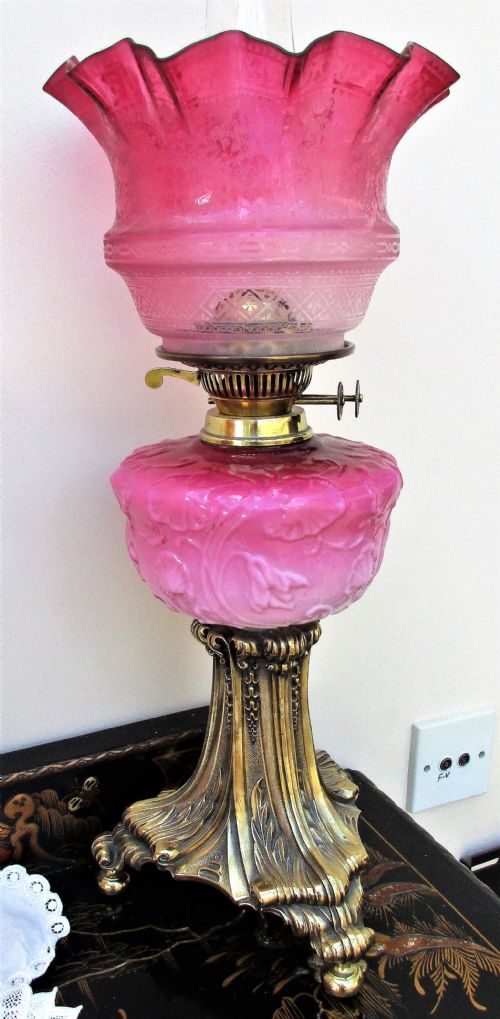
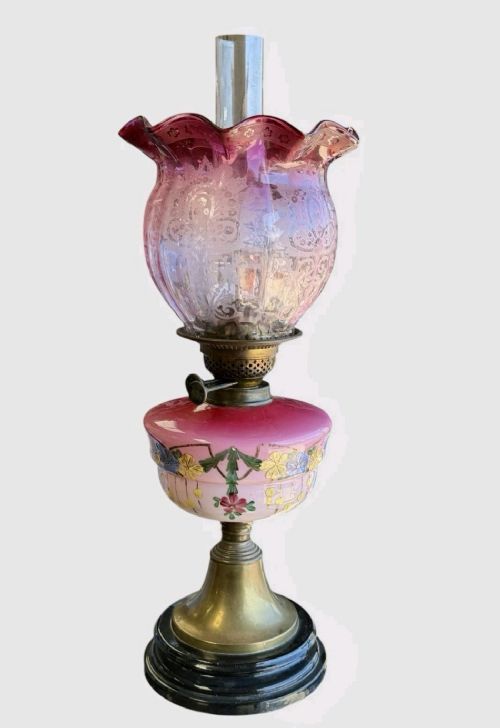
These vintage kerosene lamp pieces bring bright period character and warmth to a room.

Understanding the Vintage Kerosene Lamp
A vintage kerosene lamp offers functional lighting rooted in the Victorian era, combining historical utility with decorative appeal. These pieces provide a tangible link to late nineteenth-century interiors.
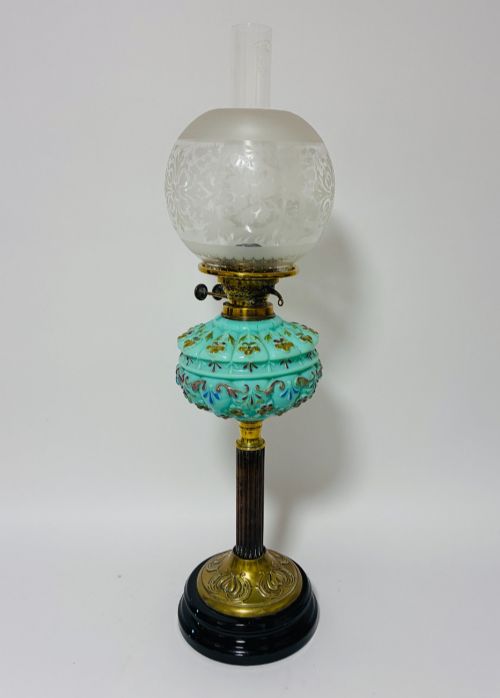
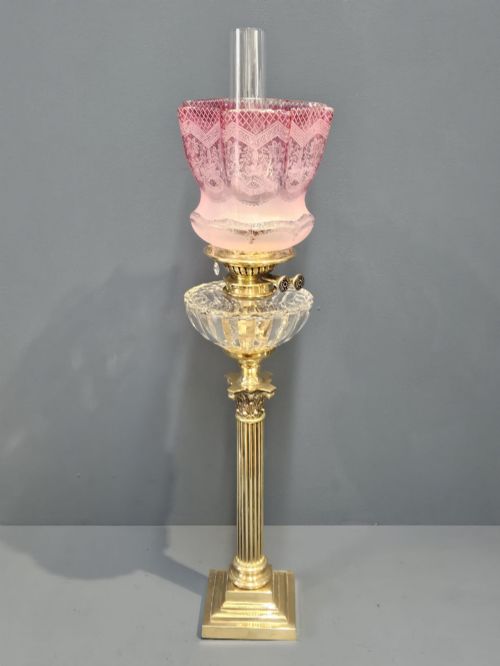
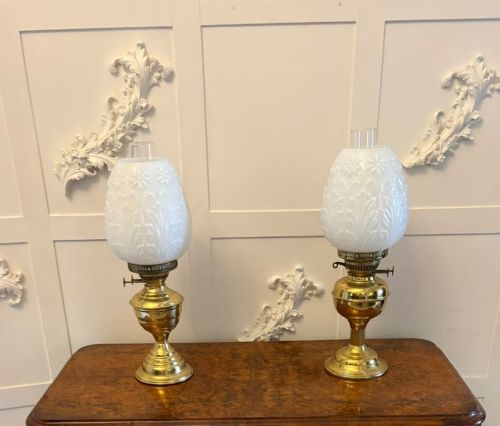
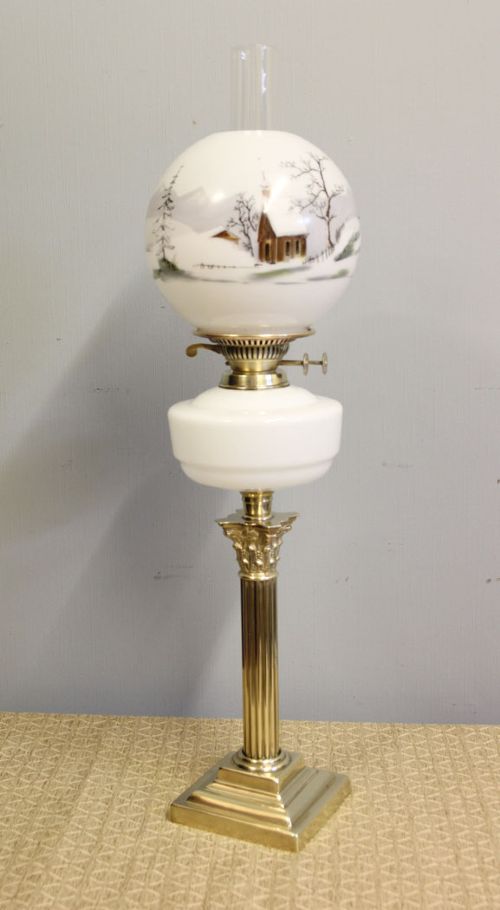
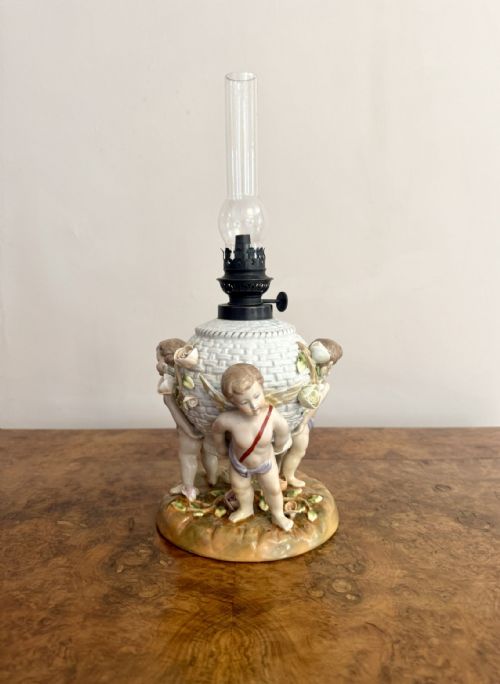
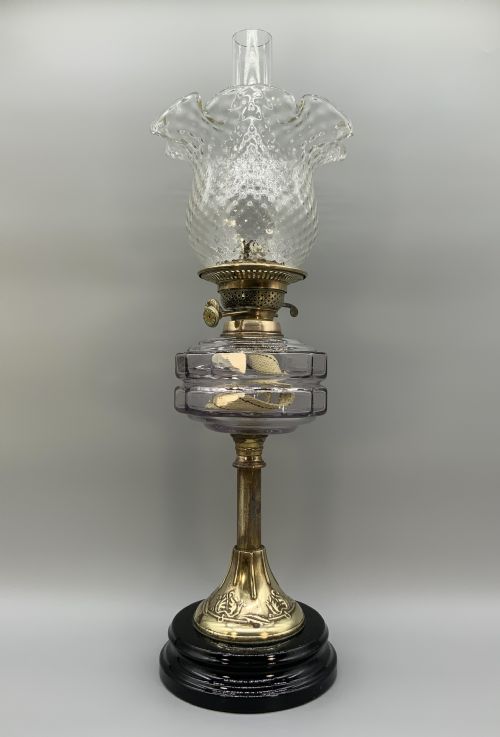
Most examples found here hail from the Victorian period, including items dated to eighteen eighty and around eighteen eighty-five. They manifest primarily as oil lamps, table lights, and specialised pulpit heaters.
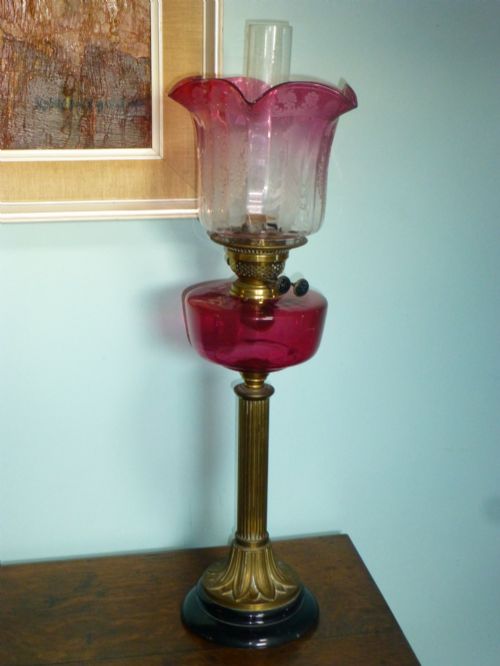
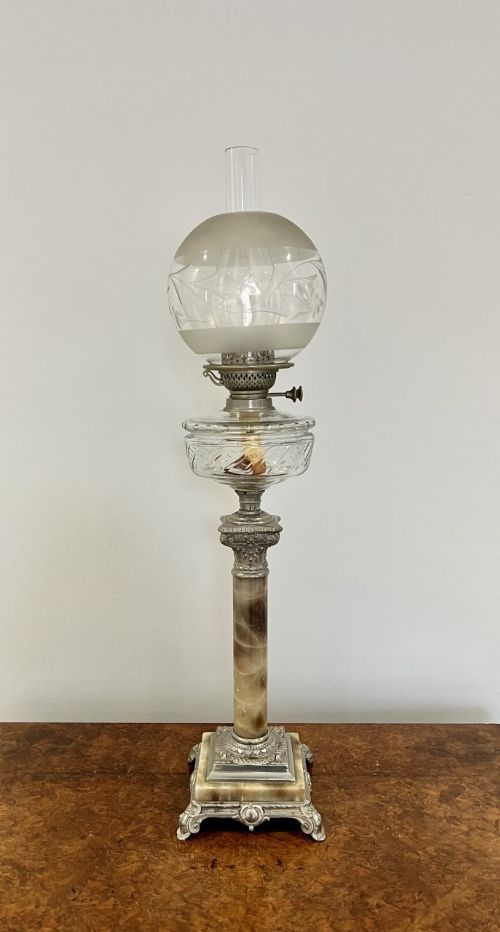
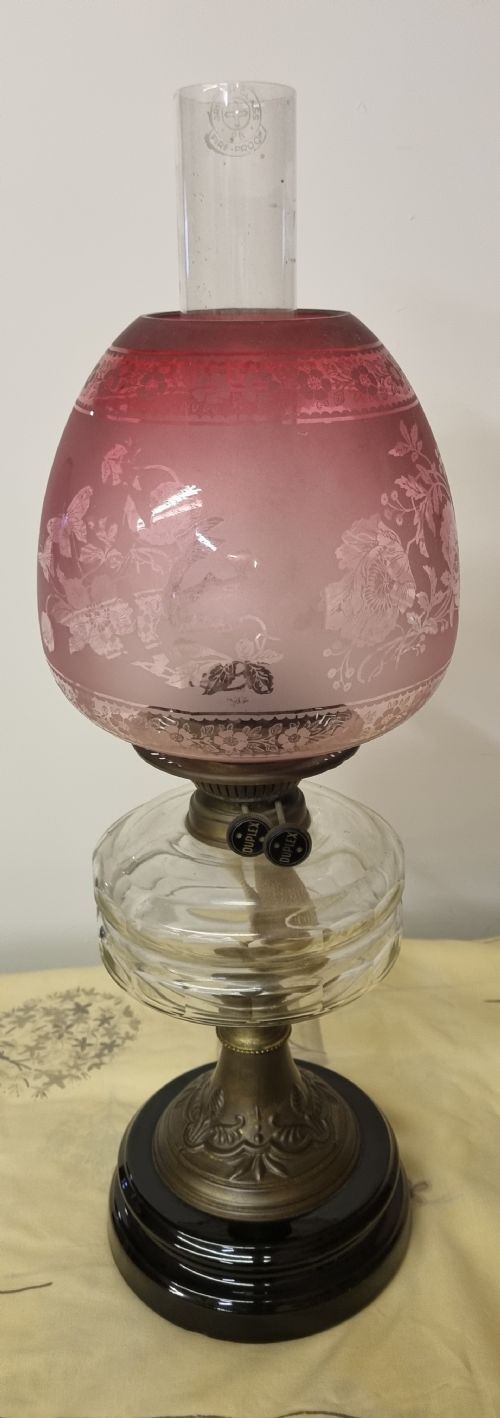
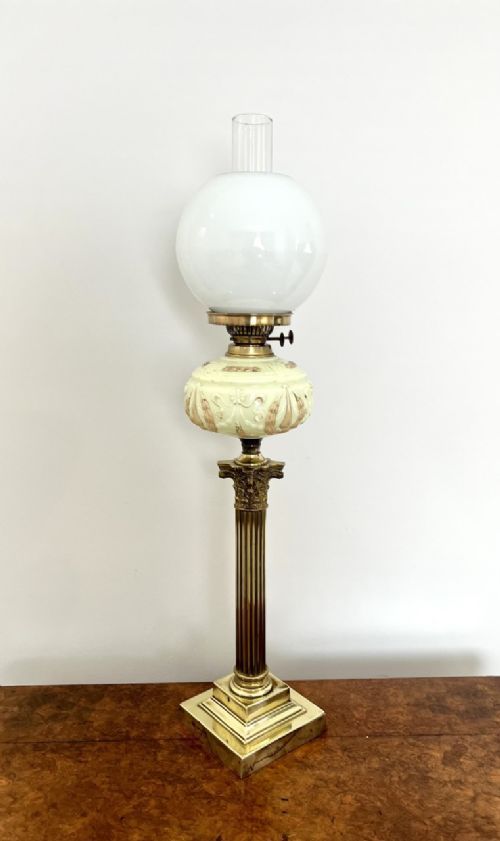
The assortment includes British-made designs featuring brass, porcelain, and various forms of glass. Buyers frequently encounter standard table configurations alongside pieces with terrestrial globe shades.
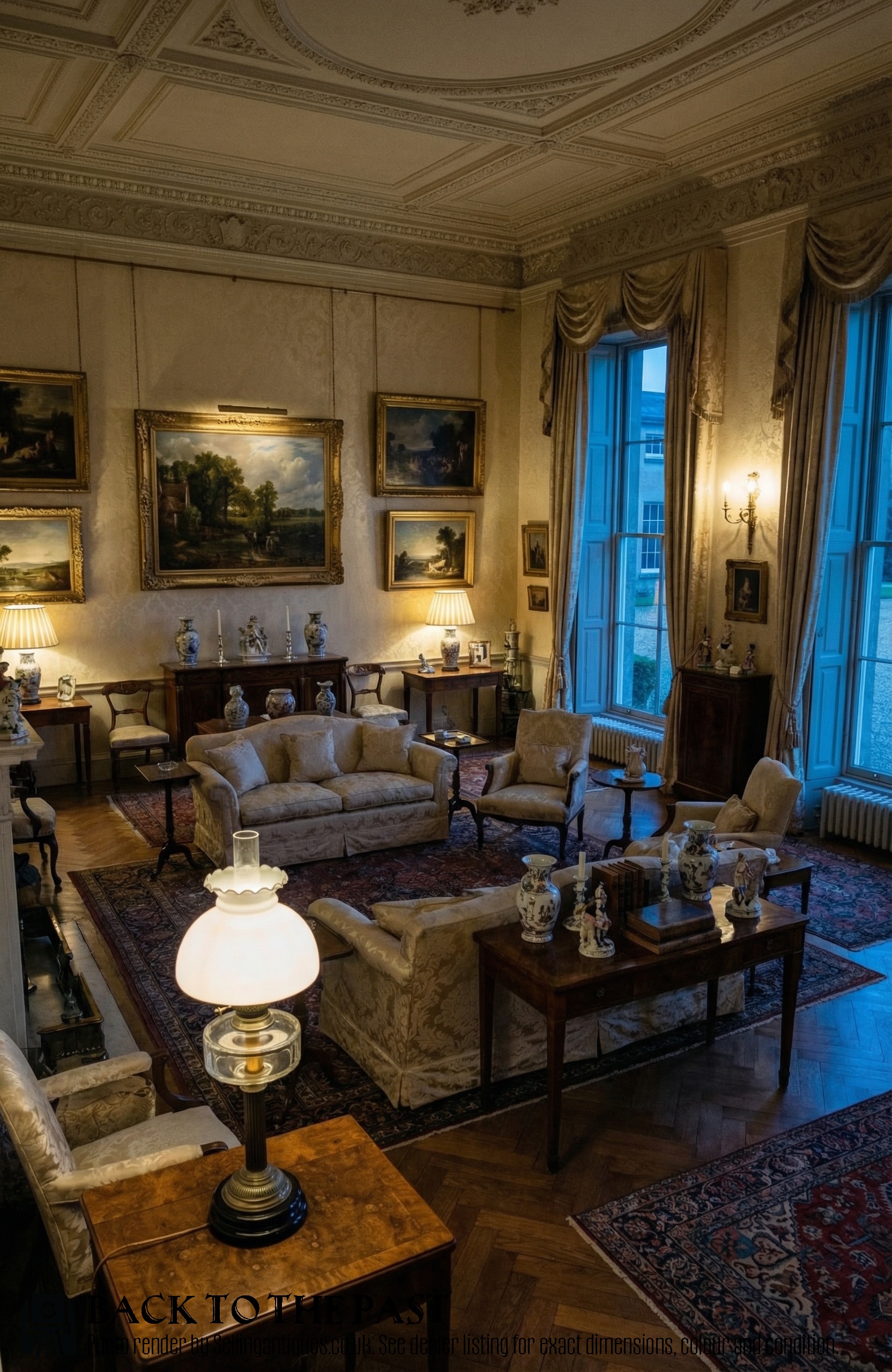
Materials and Construction
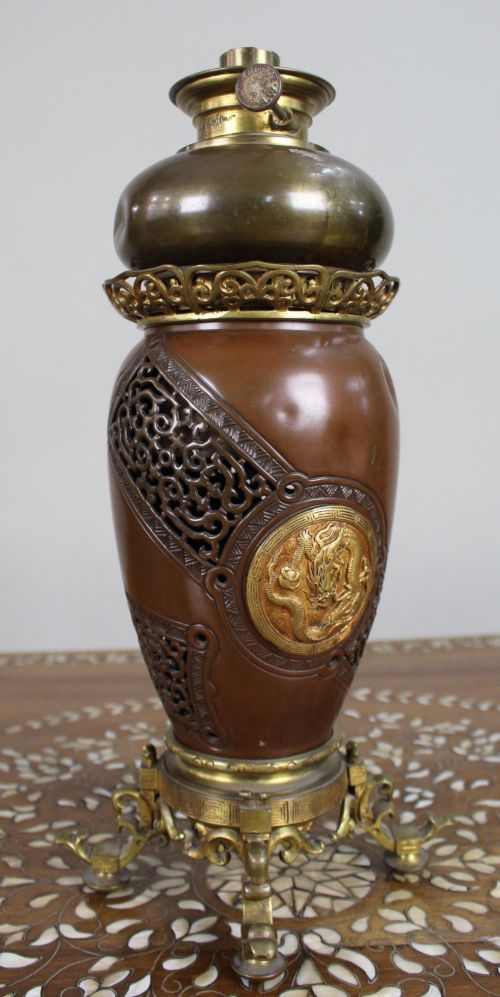
Manufacturers utilised robust metals like brass and iron to construct the foundational structures and fuel reservoirs of these lamps. These metallic components provide stability and weight to the finished objects.
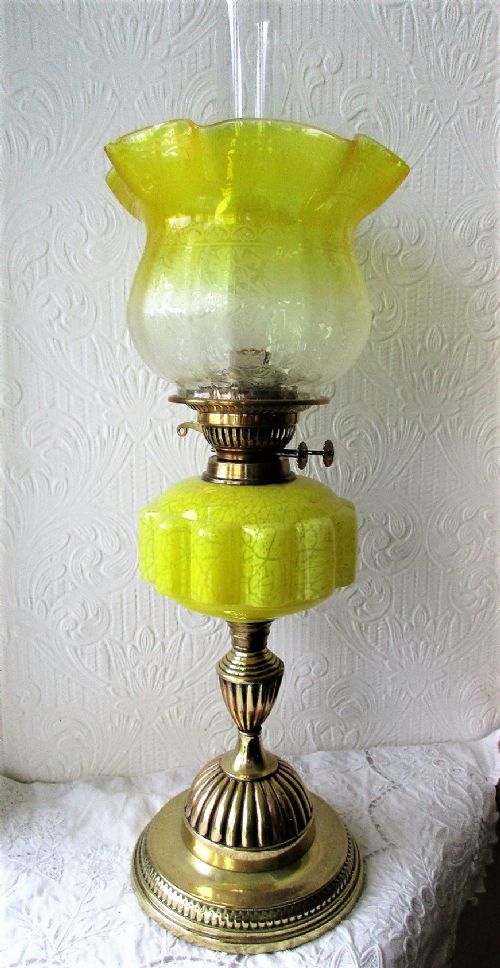
Glass forms a major component, appearing as opaline, green, frosted, or clear elements alongside decorative ceramic bodies. Gilt porcelain accents frequently add a refined finish to Victorian table lights.
Retail Price Guide 2026
Typical UK retail prices for vintage kerosene lamp, calculated from the Sellingantiques database of over a million retail prices indexed since 2003. This retail price guide relies exclusively on Sellingantiques data; no external sources or auction records are used, so the figures do not describe the wider market.
Current listings feature Victorian items dated around eighteen eighty, utilising brass, ceramic, iron, and various types of glass.
Assessing Quality and Merit
Distinction in these lamps rests upon the integration of materials, such as the marriage of gilt porcelain with substantial brass mountings. Finer pieces demonstrate careful proportion and harmonious colour relationships between the font and the shade.
Maker attribution elevates an object, as demonstrated by marked examples from established firms like Hinks of Birmingham. The presence of specialised forms, such as terrestrial globes or pulpit configurations, further separates standard domestic lighting from more ambitious works.
Hinks of Birmingham
The Vintage Kerosene Lamp Glossary
- Font
- The reservoir that holds the kerosene or paraffin fuel. It is typically formed from glass, ceramic, or brass.
- Globe shade
- A rounded glass shade that diffuses the light emitted by the burner. Terrestrial versions feature map designs.
- Opaline glass
- A milky, semi-translucent glass popular in Victorian lighting. It softens the glare of the flame effectively.
- Paraffin
- The British term for kerosene fuel utilised in these lamps. Many period pieces are designed specifically to burn this liquid.
Frequently Asked Questions
What fuels do these lamps burn?
These lamps operate on kerosene or paraffin fuel, as indicated by period descriptions. They were designed to provide reliable domestic illumination before widespread electrification.
Modern users should verify burner integrity and wick condition before attempting any functional operation.
How do I identify a Victorian lamp?
Victorian pieces often combine heavy brass construction with gilt porcelain, opaline glass, or frosted shades. Specific design motifs and structural proportions align with the aesthetic standards of the late nineteenth century.
Dates around eighteen eighty appear frequently among these manufactured domestic objects.
Where were these lamps manufactured?
Many of these lighting pieces are British made, produced by domestic workshops and firms during the Victorian era. Birmingham served as a major manufacturing hub for metalwork and lighting.
Local production methods ensured robust construction suited to everyday household use.
What is a terrestrial globe shade?
A terrestrial globe shade is a spherical glass cover decorated with map details of the Earth. These unusual shades transform standard illumination into a decorative display piece.
They represent a more specialised variation within Victorian lighting design.