
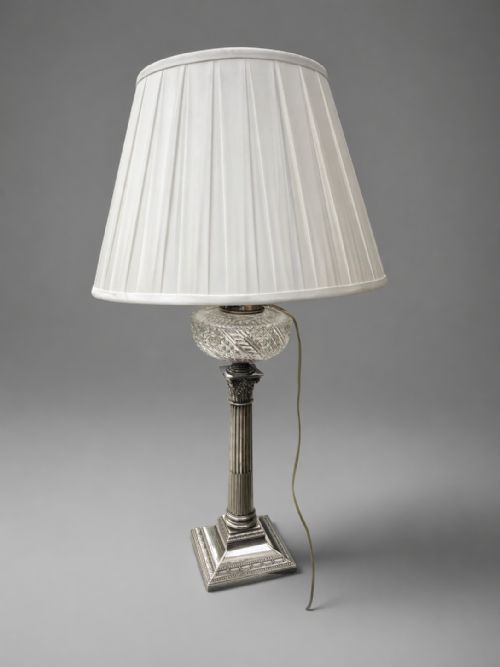


White Glass Oil Lamp
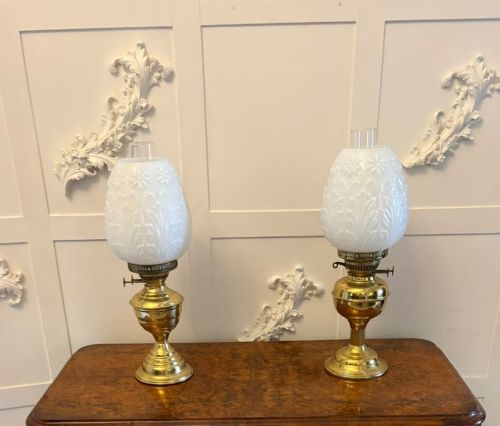
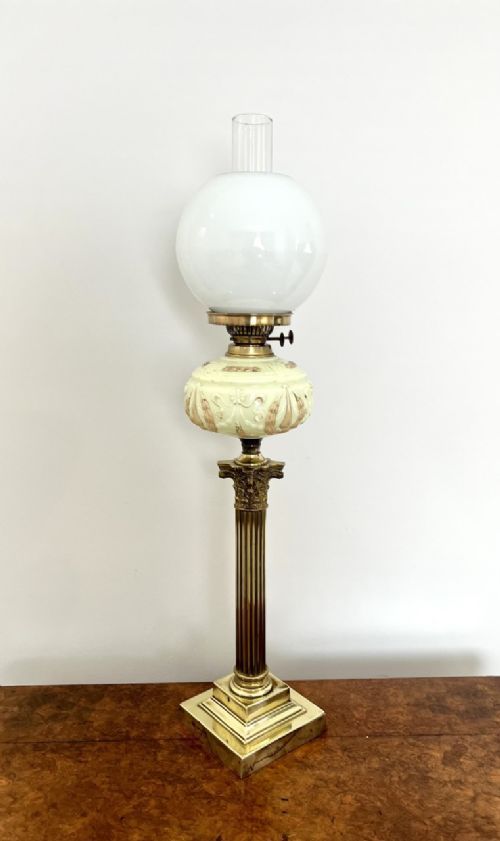
A white glass oil lamp brings soft luminosity to a room, pairing milk glass or opaline reservoirs with brass and ceramic columns.
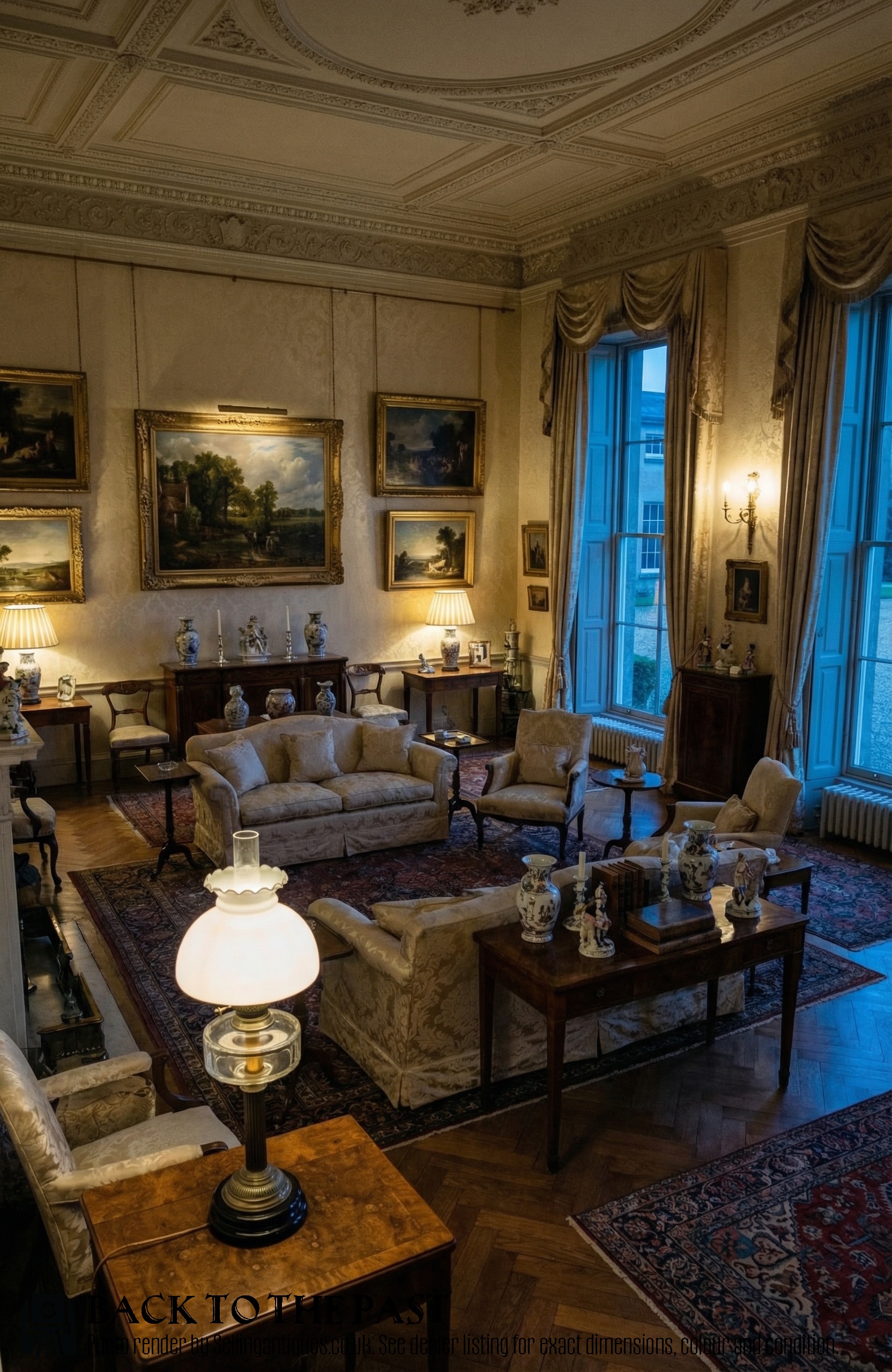
White Glass Oil Lamp
A white glass oil lamp combines translucent milk glass or opaline reservoirs with solid brass, bronze, and ceramic bases, originating predominantly from the Victorian and Edwardian periods.
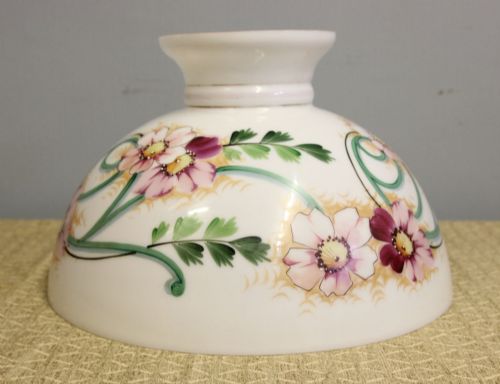
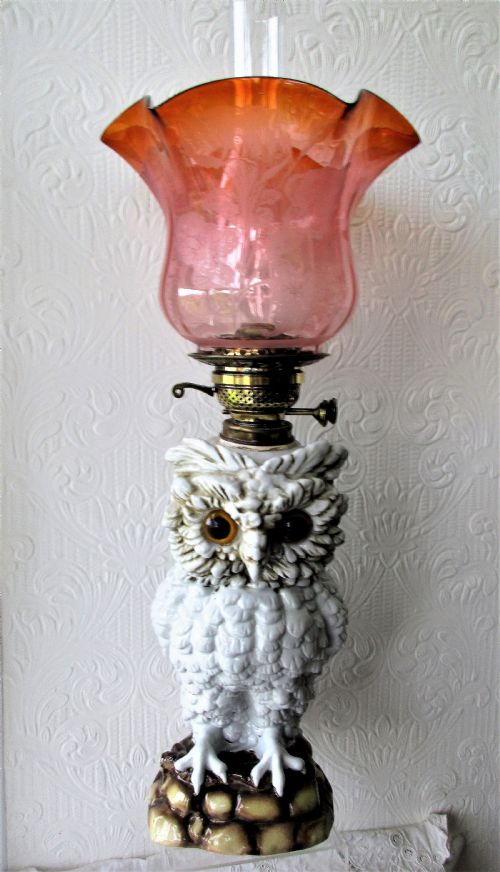
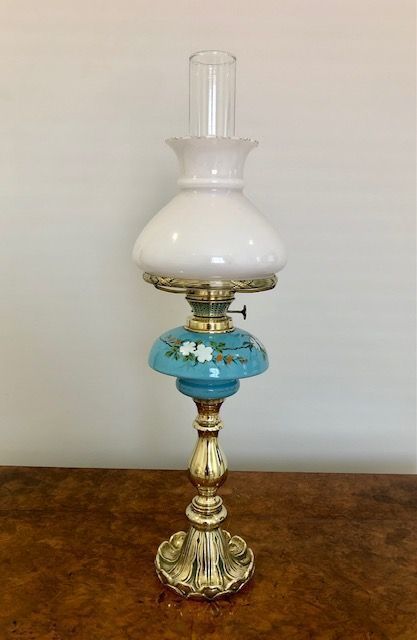
Buyers seeking a white glass oil lamp typically encounter table lamps and hanging shades featuring hand-painted floral motifs or figural owl designs, alongside floor-standing variants.
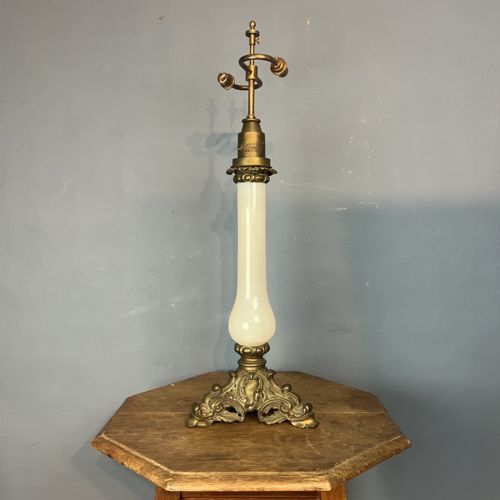
The material palette spans the nineteenth and early twentieth centuries, capturing Neoclassical columns and Rococo revival styling alongside simpler domestic lighting forms.
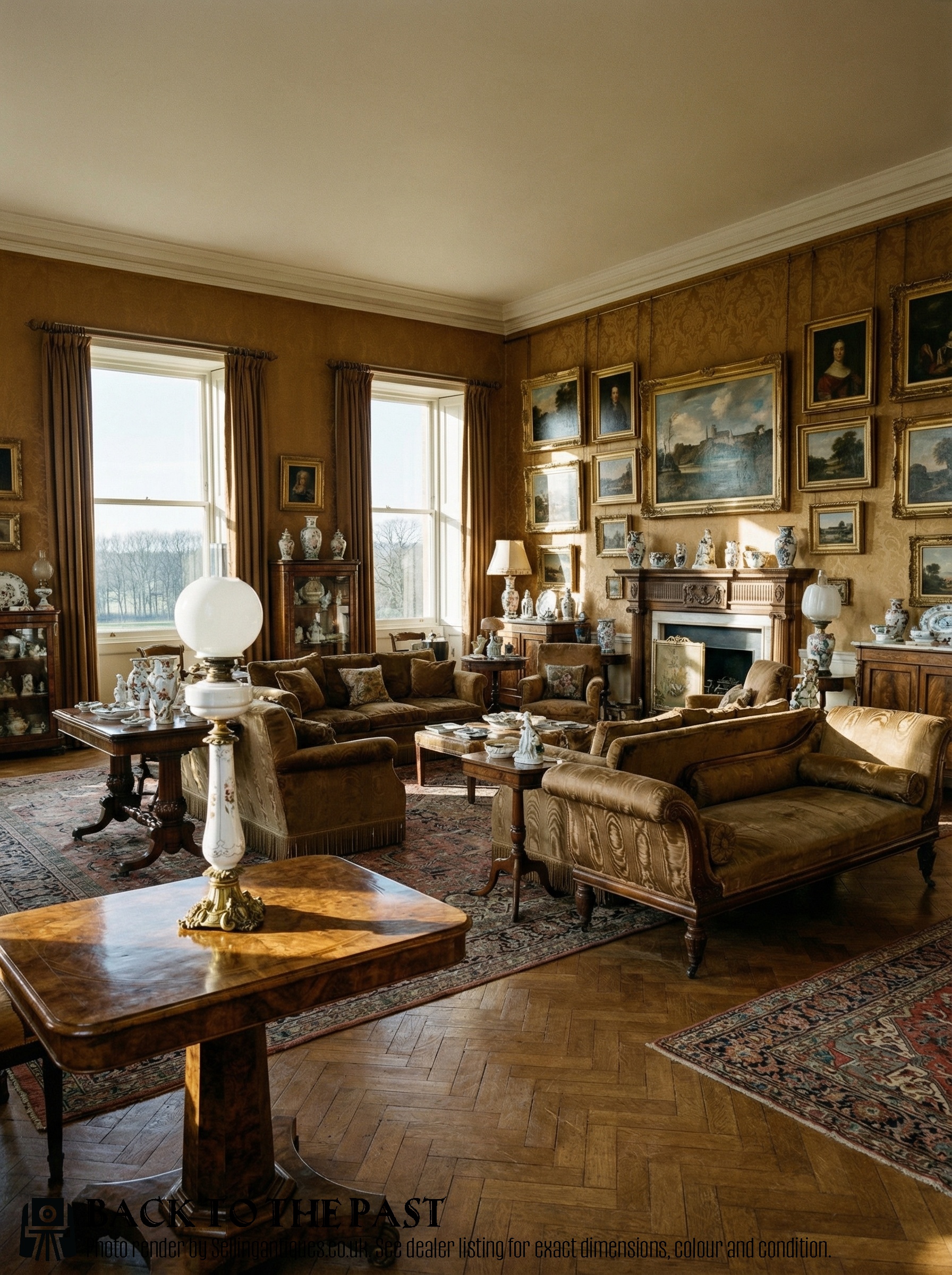
Materials and construction
Reservoirs and shades utilise blown opaline, milk glass, or porcelain, sometimes decorated with hand-painted details or gilt accents over opaque white surfaces.
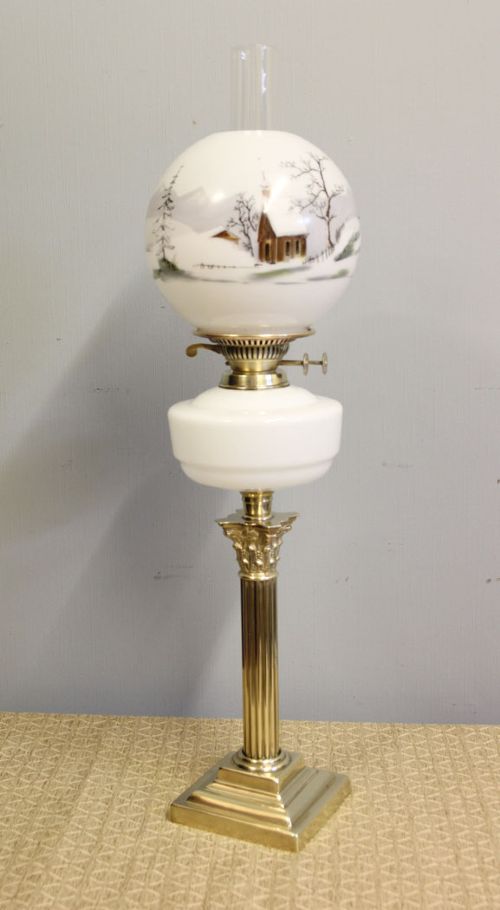
Metal components rely on cast brass, bronze, and iron for structural columns, tripod bases, and burner mechanisms, occasionally paired with black glass bases or marble plinths.
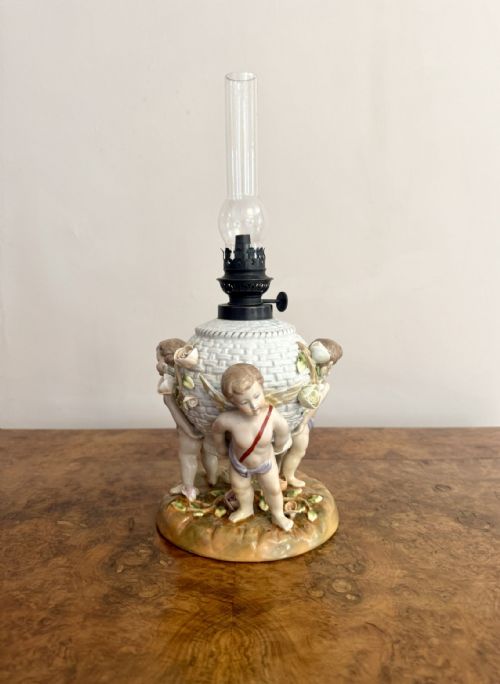
Coloured glass elements and ceramic figures are integrated directly into metal collars, whilst shades secure via brass ring mounts or heavy galleries.
White Glass Oil Lamp Retail Price Guide 2026
Typical asking prices for white glass oil lamp among the pieces listed under this phrase on Sellingantiques today, from the lower quarter to the upper quarter. They describe what is for sale here now, not the wider market.
Listings feature opaline glass, porcelain, and milk glass paired with brass, bronze, and marble across Victorian and Edwardian periods.
Distinguishing quality
Superior examples demonstrate crisp casting in the brass columns and finely detailed hand-painting on the porcelain or opaline glass shades, distinguishing them from plainer production.
The weight and stability of the base, whether marble, heavy brass, or black glass, separate robust table lamps from lighter or purely decorative substitutes.
Maker signatures on mechanisms or porcelain bodies indicate higher workshop standards and better-preserved mechanical components.

Sitzendorf·Joseph Hinks·Wild And Wessel
The White Glass Oil Lamp Glossary
- Opaline glass
- A pale, translucent white glass frequently utilised for Victorian lamp shades and reservoirs. It diffuses light gently whilst retaining a smooth surface texture.
- Milk glass
- An opaque, milky-white glass popular in nineteenth-century decorative objects and lighting. It provides a dense, solid alternative to translucent opaline.
- Corinthian column
- A classical architectural column style featuring ornate acanthus leaves on the capital. This design is often cast in brass to form the stem of Victorian desk and table lamps.
- Gallery
- A metal ring or collar designed to hold a glass lamp shade securely above the burner. It forms a key structural junction between the burner and the globe.
- Burner
- The mechanical assembly mounted atop the reservoir that controls the wick and flame. Common period mechanisms include duplex systems designed to maximise illumination.
White Glass Oil Lamp: Frequently Asked Questions
How do I date a white glass oil lamp?
Dating relies on combining the style of the metal mounts, such as Victorian Neoclassical or Edwardian brass, with the manufacturing techniques of the glass shade and burner mechanism.
Marked components or patents stamped onto the brass collars offer precise chronological markers, whilst simpler unmarked pieces are attributed through material characteristics and period design traits.
Were these lamps converted to electricity?
Many surviving examples have been adapted for modern electrical use by running a flex through the central column where the original wick mechanism once sat.
Some retain their original paraffin burners and fuel reservoirs intact, allowing them to function as period lighting or remain preserved in their original state.
How should I clean an opaline shade?
Gentle washing in lukewarm water with mild soap removes accumulated dust without risking hand-painted enamel decoration or gilt highlights.
Harsh abrasives must be avoided entirely, particularly around painted winter scenes or floral motifs that sit on the exterior surface of the white glass.
What is the difference between opaline and milk glass?
Opaline glass possesses a subtle translucency that allows light to glow through the body when illuminated from within by a burner or bulb.
Milk glass is denser and completely opaque, presenting a solid milky-white appearance without the soft light diffusion characteristic of opaline.
Can I use a replacement shade on an antique base?
Replacing a broken shade requires matching the fitter diameter precisely to the brass gallery ring to ensure the globe sits securely without wobbling.
Period-appropriate opaline or frosted white glass globes maintain the visual harmony of the original nineteenth-century composition.