
Nineteenth Century Lamp
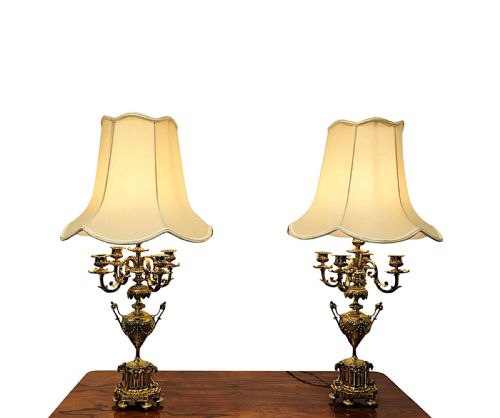
A nineteenth century lamp brings tangible history into a room, combining period illumination with practical design.
Nineteenth Century Lamp
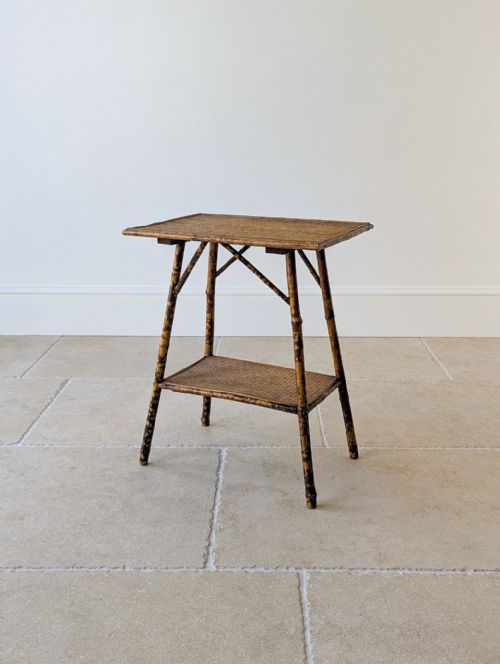
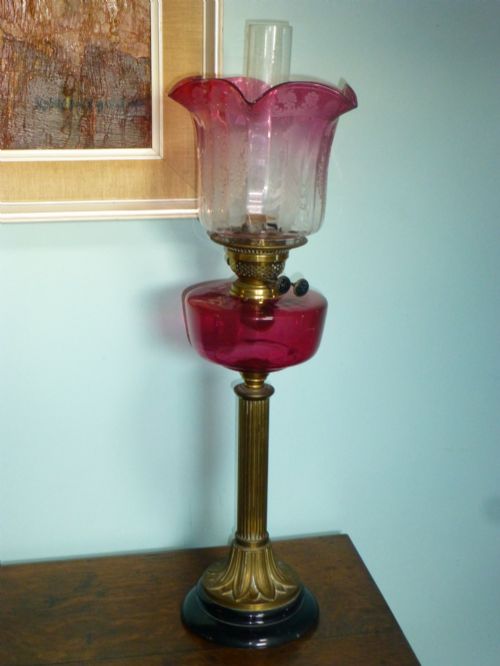
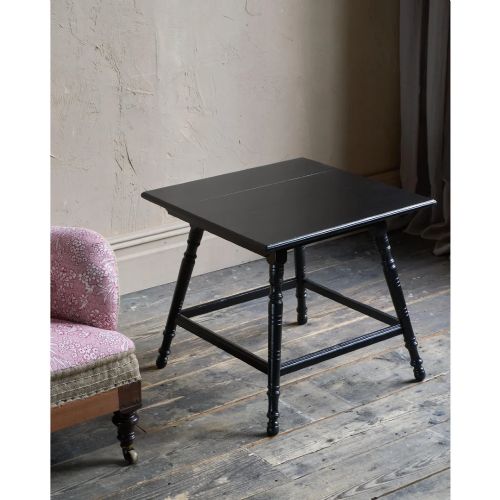
When you search for a nineteenth century lamp, you encounter a diverse group of objects spanning oil-burning vessels, converted candelabra, and specialised occasional tables designed to support lighting.
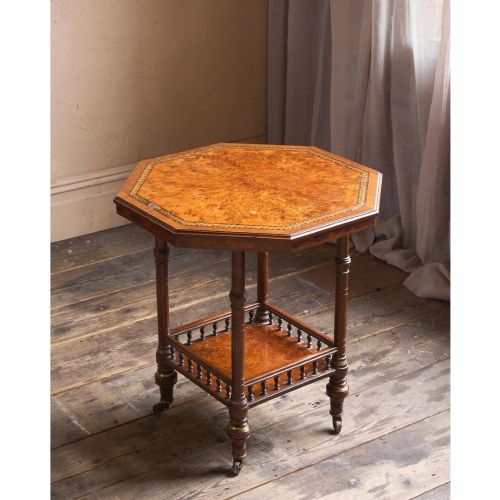
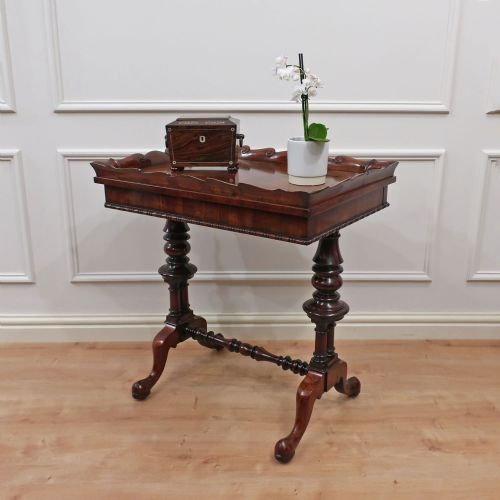
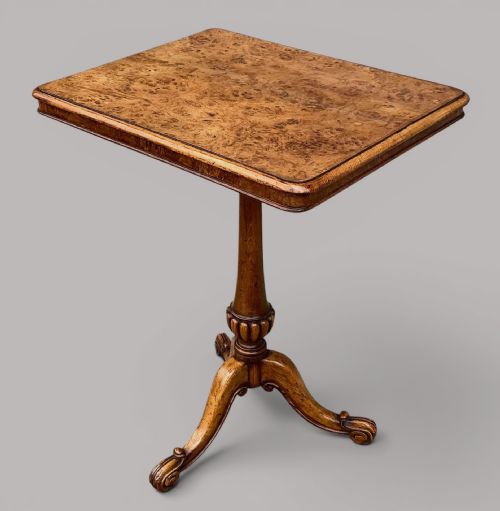
The material record includes brass, copper, ormolu, porcelain, and glass, alongside structural timbers such as mahogany, rosewood, walnut, and amboyna.
Many items survive as pairs, reflecting formal interior arrangements from the Victorian, Regency, and William IV periods.
How they were made
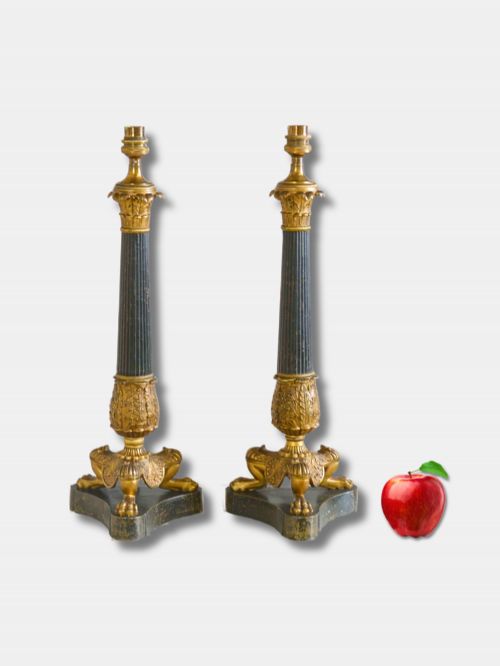
Metal components utilise casting, chasing, and gilt or silver plating, seen in ormolu mounts and Corinthian columns.
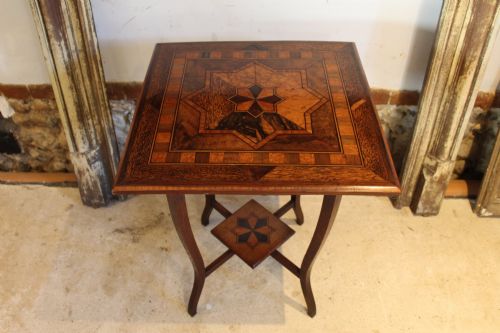
Wooden forms employ dense hardwoods shaped by turning, carving, and intricate marquetry or boxwood stringing.
Glass lighting relies on cutting, decalcomania, and cloisonné integration, often paired with ceramic oil reservoirs.
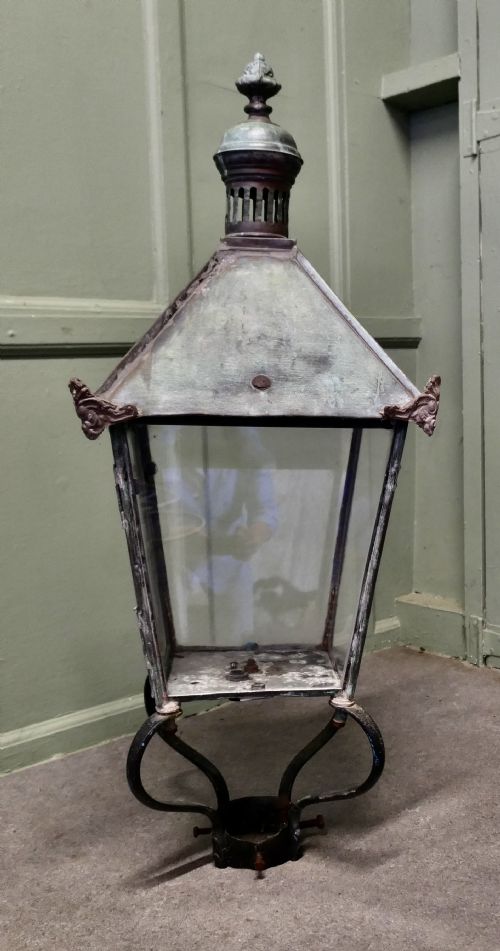
Several tables listed as wine tables share shelf space with street-lighting copper lanterns and blackamoor figures.
What varies in quality
The distinction between standard production and top-tier work rests on the precision of the carving, the weight of the bronze or brass castings, and the selection of figured veneers such as amboyna and rosewood.
Attribution to documented makers or specific cabinet-making firms elevates an object, as does the survival of original gilding, polychrome paint, and specialised burner mechanisms.
Hindley and Sons·Gillows·George Bullock·Johann Cassel of Vienna
The Nineteenth Century Lamp Glossary
- Ormolu
- Gilt bronze mounted onto furniture or lighting components. This technique uses a mercury amalgam to adhere gold to bronze.
- Cassolette
- A decorative vase or vessel shaped like an urn, frequently adapted into a lamp base. These often feature removable lids.
- Duplex burner
- A double-wick mechanism developed during the Victorian era to increase light output from oil lamps. It requires specific twin-wick carriers.
- Decalcomania
- A transfer decoration technique applied to glass or ceramic lamp bodies. The method involves transferring printed designs onto the surface before sealing.
- Padouk
- A heavy tropical hardwood with a reddish hue used in overseas cabinet making. It appears in carved side tables from the period.
Nineteenth Century Lamp: Frequently Asked Questions
How do I wire an old oil lamp?
Conversion typically involves running a discreet flex through the original burner aperture or font without altering the structural metalwork. Many pieces arrive already adapted for modern electricity while retaining their period form.
Consult a qualified electrician to ensure vintage brass and ceramic bodies meet contemporary safety standards before plugging them in.
What is the difference between a lamp table and an oil lamp?
A lamp table is a small occasional or wine table specifically proportioned to hold a portable light source. An oil lamp is the actual lighting vessel constructed from glass, ceramic, or metal.
Both categories fall under nineteenth century lighting searches due to their shared domestic function.
How do I identify a Regency period lamp base?
Regency pieces often display classical motifs such as ormolu mounts, lion paw feet, and architectural columns reflecting early nineteenth-century neoclassical tastes. Rosewood and mahogany are the predominant timbers from this era.
Construction details like hand-cut dovetails and traditional joinery help confirm the date alongside stylistic markers.
Can I use standard modern bulbs in these lamps?
Most converted fittings accept standard screw or bayonet bulbs depending on the replacement lamp holder installed during conversion. Low-wattage LED options work well to protect delicate glass and painted shades from excess heat.
Check the maximum wattage tolerance of the internal wiring with each specific piece.