


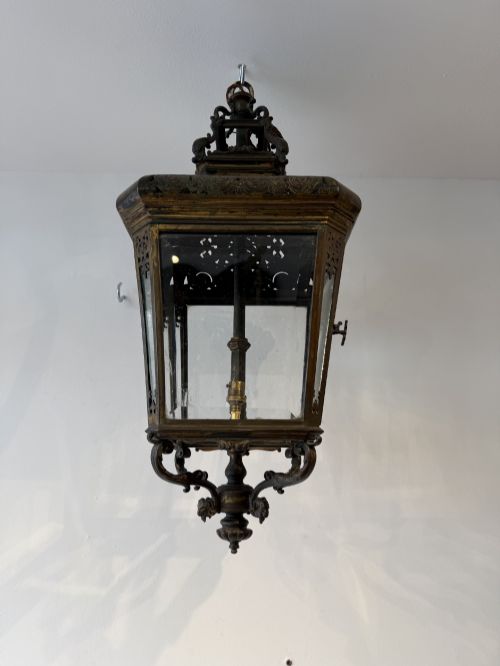
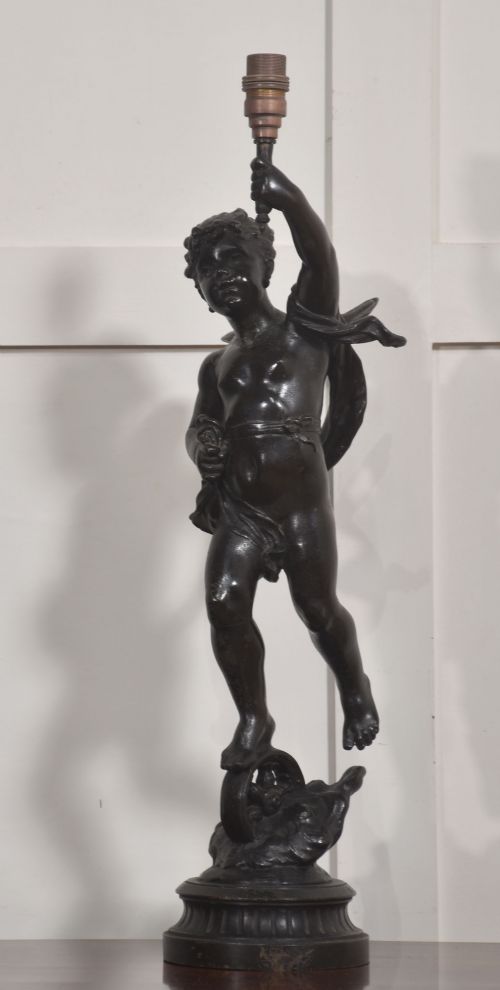
Dark Bronze Lamp
A dark bronze lamp brings rich tone and solid weight to a room, offering both practical light and sculptural presence.
What these pieces are
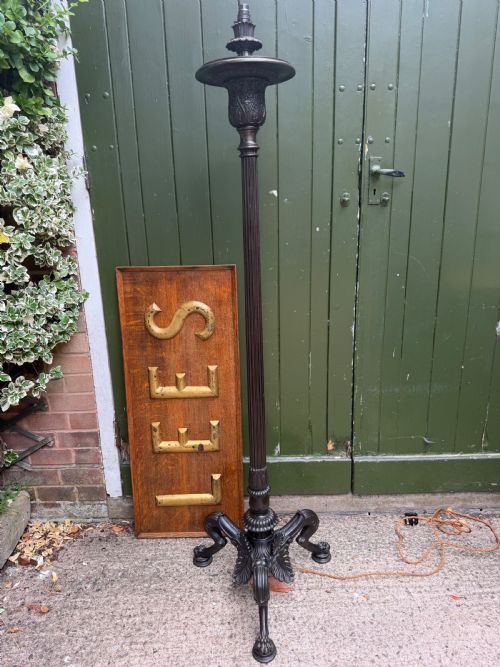
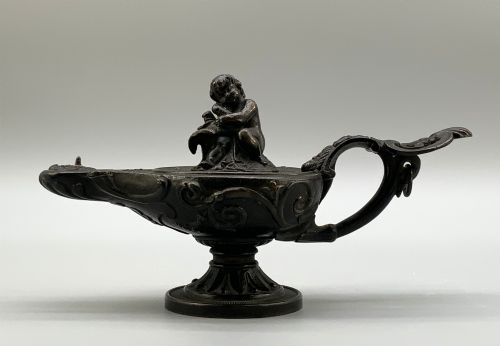
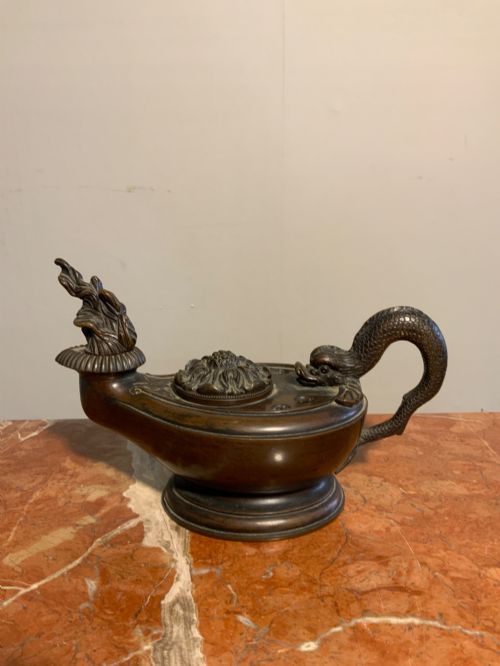
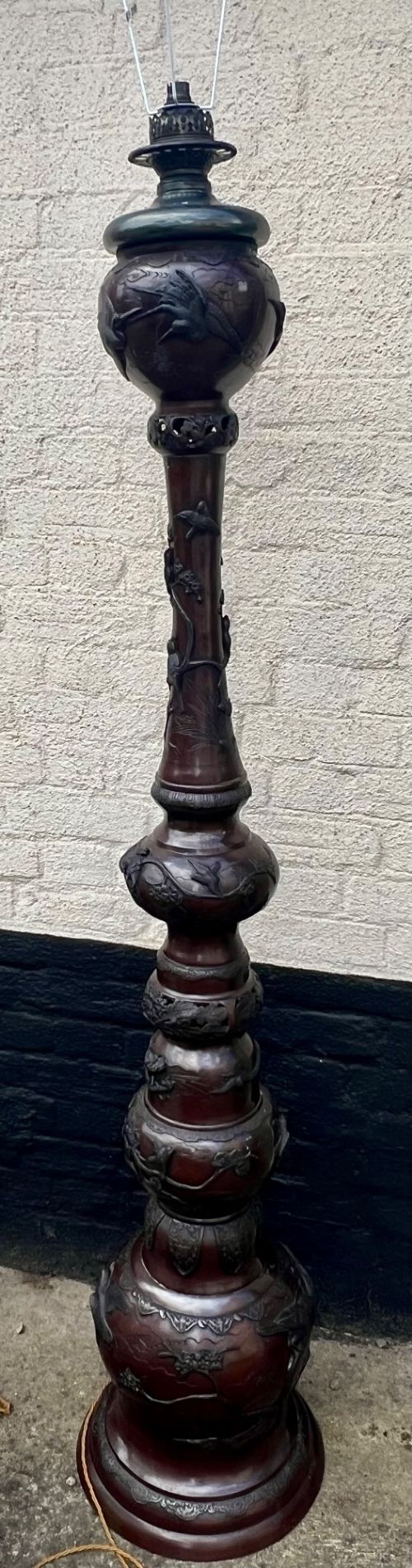
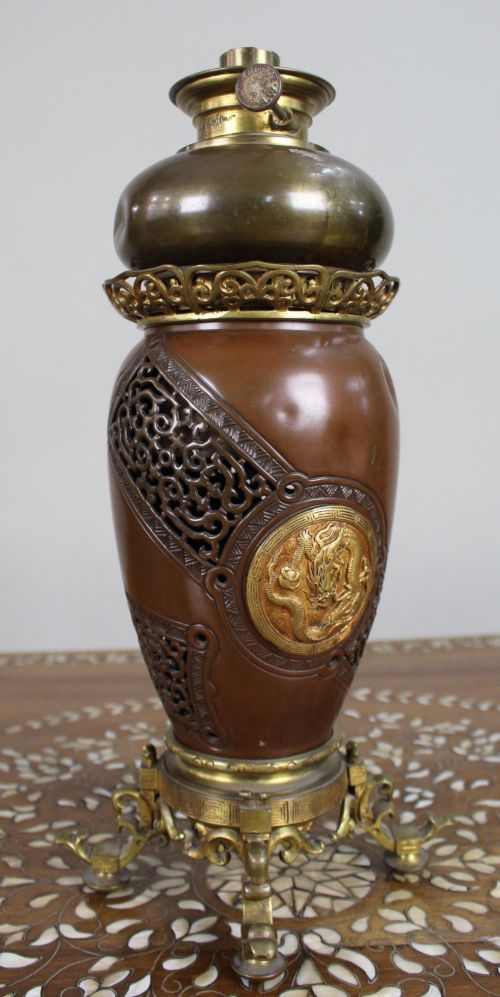
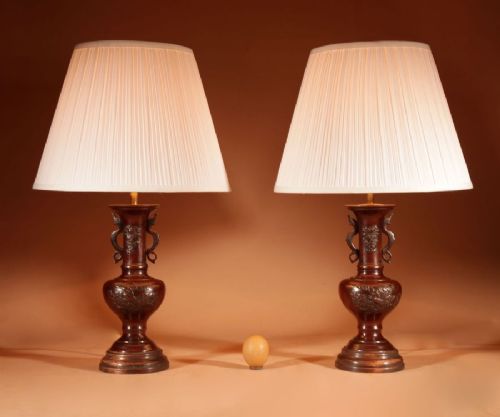
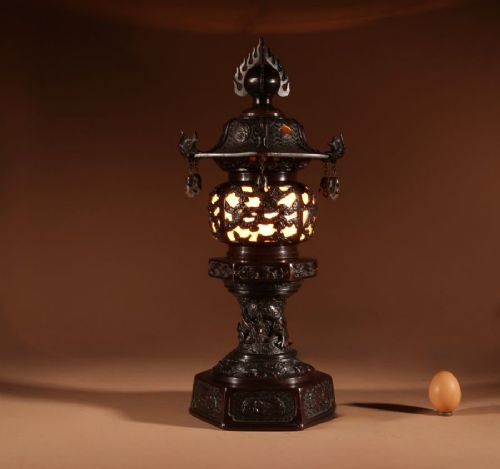
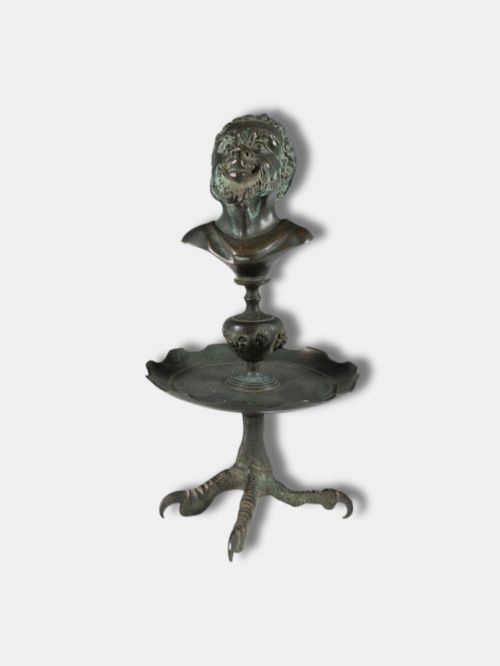
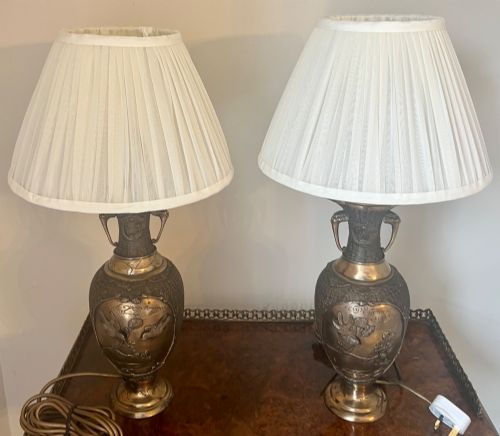
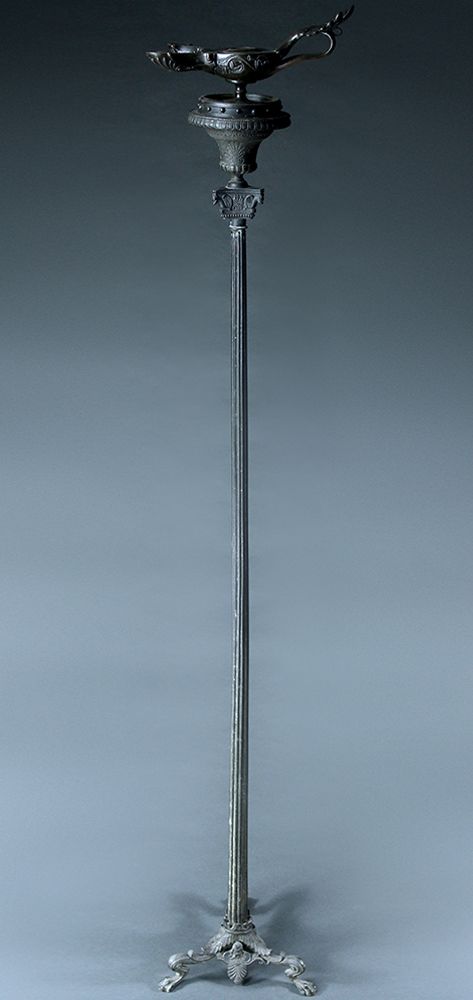
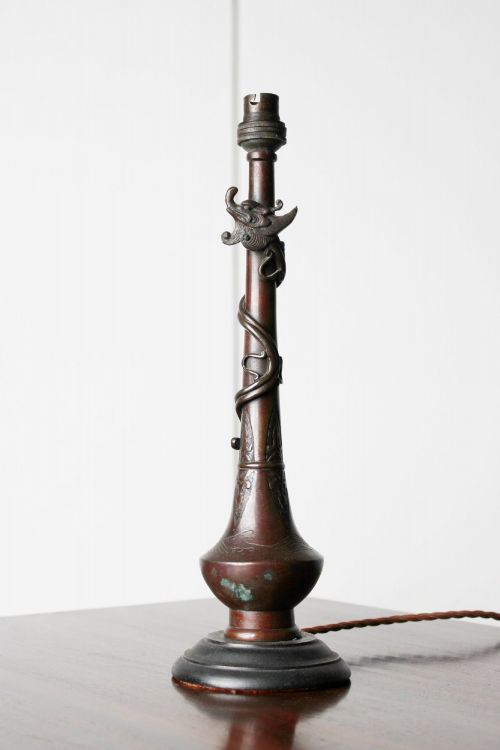
When you search for a dark bronze lamp, you enter a field of heavy metalwork spanning table lamps, oil lamps, and converted lanterns. These pieces range from early nineteenth-century Italian and French Empire creations to Edwardian interpretations and Japanese Meiji period examples.
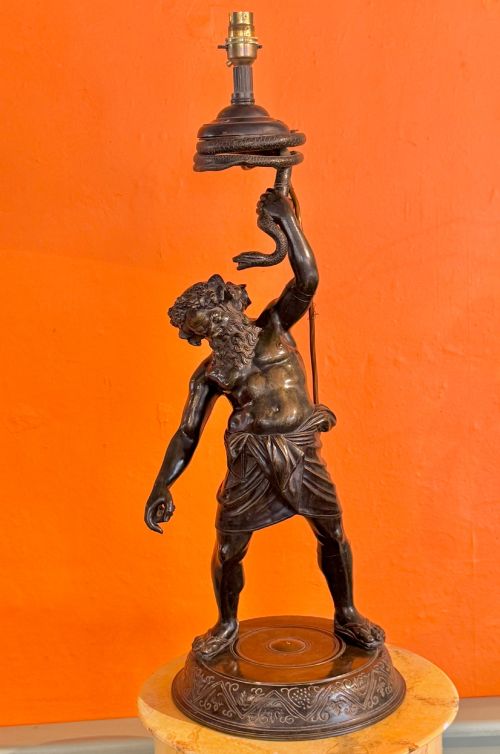
You are most likely to meet figural designs, classical motifs, and Chinoiserie styles. Makers utilised patinated bronze alongside brass, Siena marble, enamel, and glass to create functional objects of distinct character.
How they were made
The foundation of these pieces lies in cast bronze, often given a dark patinated finish or bronzed surface treatment. Artisans incorporated contrasting materials such as Siena marble bases, applied enamel details, and delicate frosted glass shades.
Many examples began life as oil lamps or hanging lanterns before receiving later electrical conversion. Structural elements frequently combine cast bronze figures, claw feet, and detailed mounts with brass fittings and fabric components.
Retail Price Guide 2026
Typical UK retail prices for dark bronze lamp, calculated from the Sellingantiques database of over a million retail prices indexed since 2003. This retail price guide relies exclusively on Sellingantiques data; no external sources or auction records are used, so the figures do not describe the wider market.
Listings feature periods from the early nineteenth century through the Edwardian era, alongside Japanese Meiji and Taisho examples.
What varies in quality
Weight and balance also separate the better pieces, alongside the harmonious integration of secondary materials like Siena marble or detailed glass shades. The treatment of the bronze surface determines whether the piece retains its intended visual gravity.
The Dark Bronze Lamp Glossary
- Patinated Bronze
- Bronze treated with chemical solutions to produce a dark, aged surface tone. This finish protects the metal while enhancing sculptural depth.
- Chinoiserie
- European artistic style reflecting Chinese motifs and decorative techniques. It appears frequently in nineteenth-century decorative lighting.
- Grand Tour
- Cultural travel undertaken by wealthy Europeans that inspired the acquisition of classical antiquities and bronzes. Many pieces reflect this neoclassical aesthetic.
- Meiji Period
- Japanese historical era marked by opening trade with the West, producing distinct bronze lanterns and metalwork exported to Europe.
Frequently Asked Questions
What is a dark bronze lamp?
A dark bronze lamp is a lighting fixture constructed primarily from cast bronze with a deep patinated finish. These pieces include table lamps, oil lamps, and converted lanterns dating from the nineteenth and early twentieth centuries.
They often incorporate classical figures, animal motifs, or architectural elements, combining utility with heavy sculptural form.
How do I date a bronze lamp?
Dating relies on stylistic clues, casting techniques, and accompanying materials such as Siena marble or frosted glass. Pieces range from early nineteenth-century Empire and Italian designs to Edwardian and Japanese Meiji period works.
Construction methods and wiring also provide hints, though many older lamps have received modern electrical conversions for contemporary use.
Were these always electric lamps?
Many examples began as oil lamps or hanging lanterns before being converted to electricity at a later date. The original function often dictates the height and weight distribution of the base.
This conversion history is standard for antique lighting and adds to the individual character of each piece.
How do I style a bronze lamp?
The dark, heavy metalwork pairs well with traditional interiors, wood panelling, and classic study spaces. Their strong silhouettes allow them to anchor a room as accent lighting on side tables or desks.
Consider the scale of the base and the choice of fabric shade to balance the dark bronze tones within your existing scheme.