


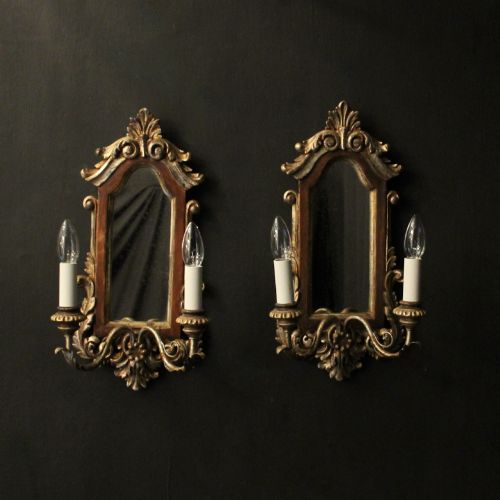
Antique Light Fixture
An antique light fixture brings period character and practical illumination to a room, offering everything from brass lanterns to crystal chandeliers.
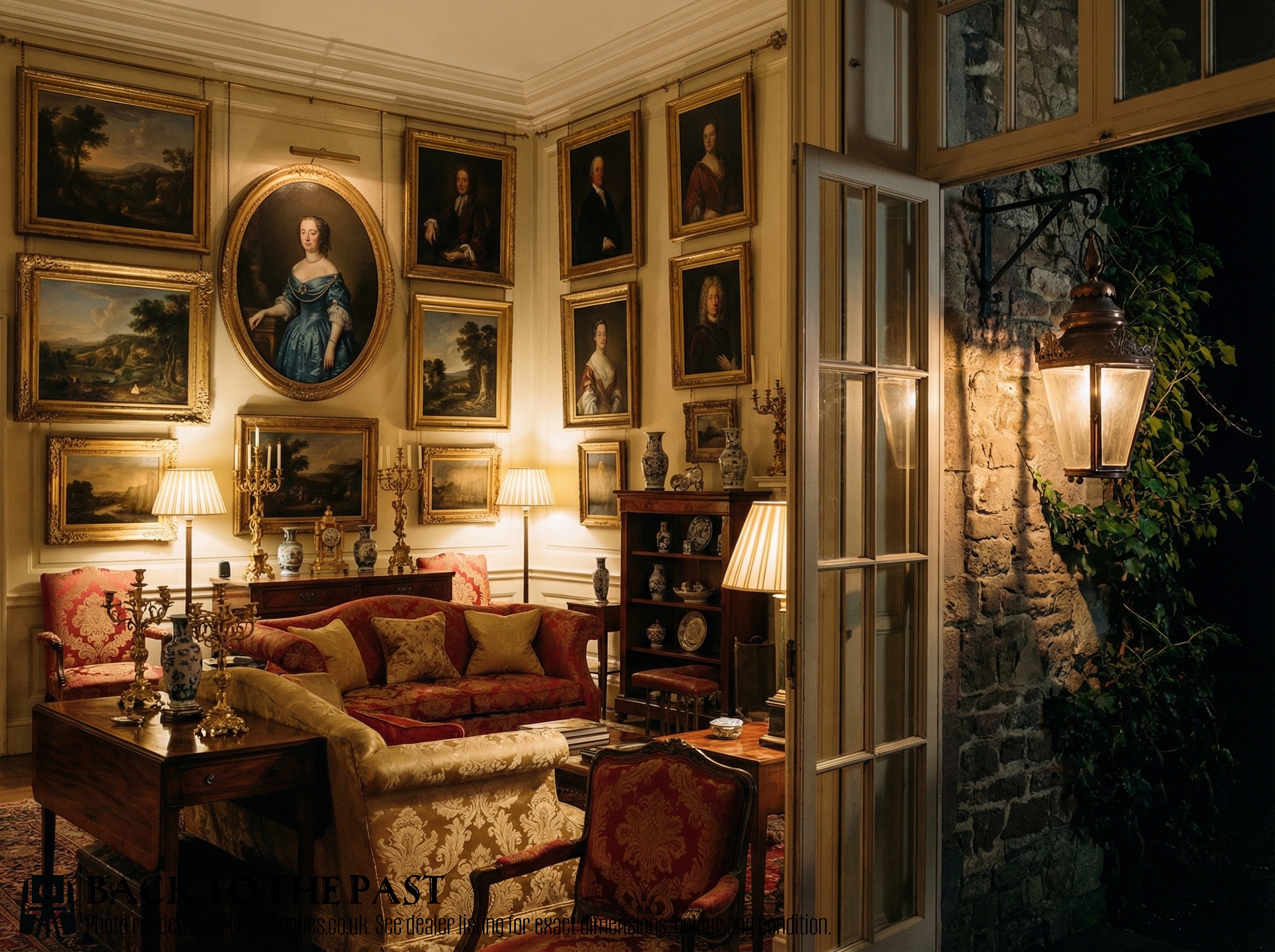
Antique Light Fixture
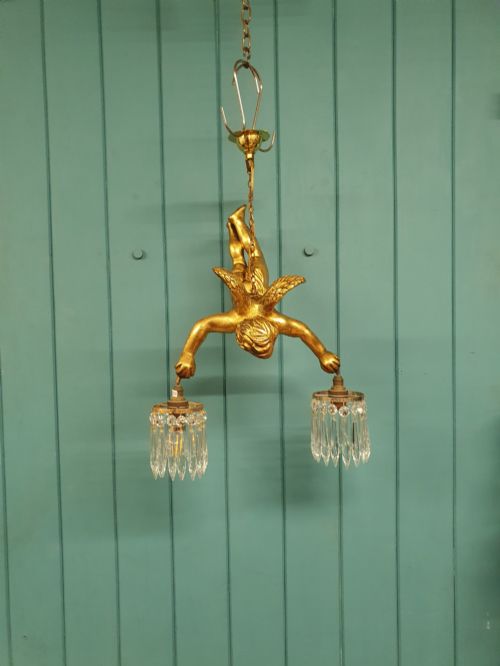
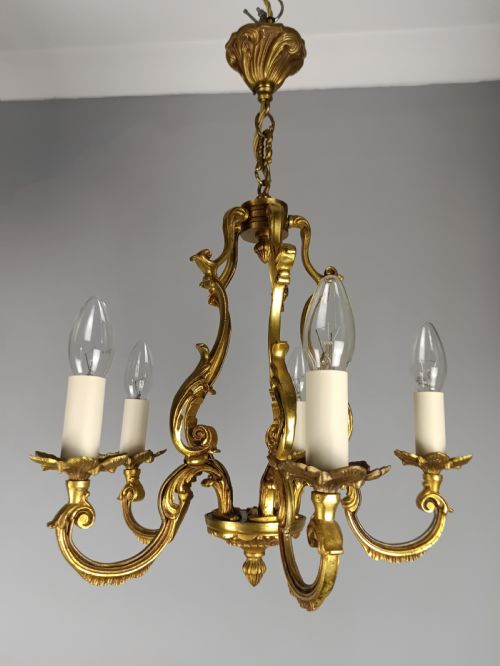
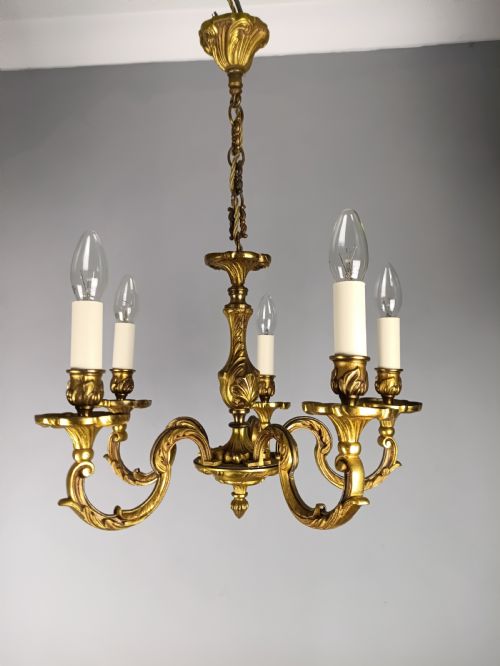
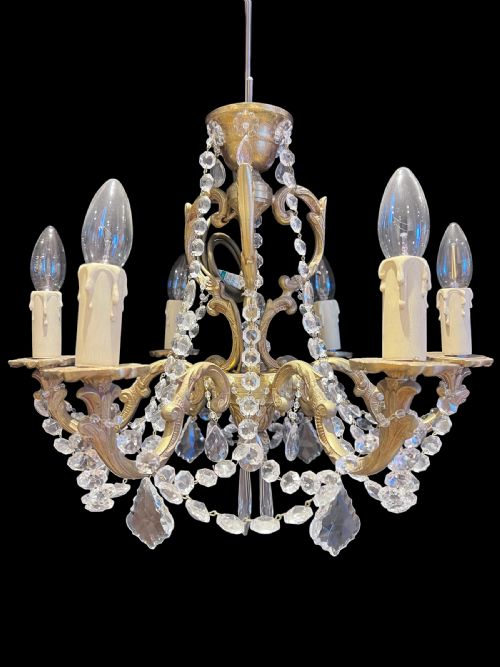
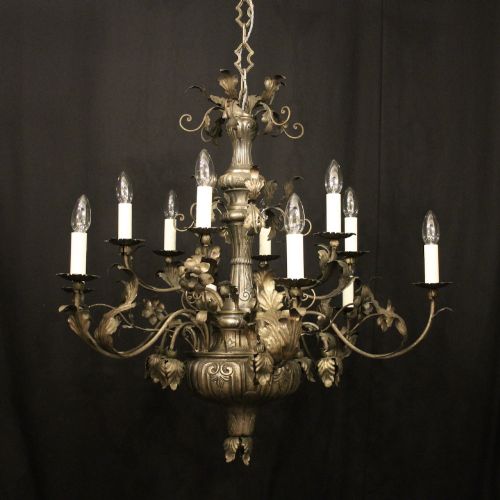
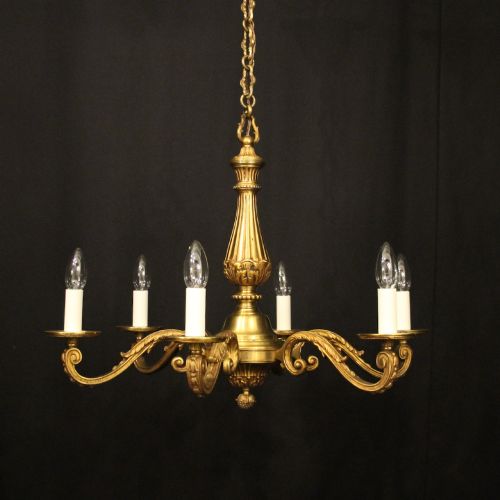
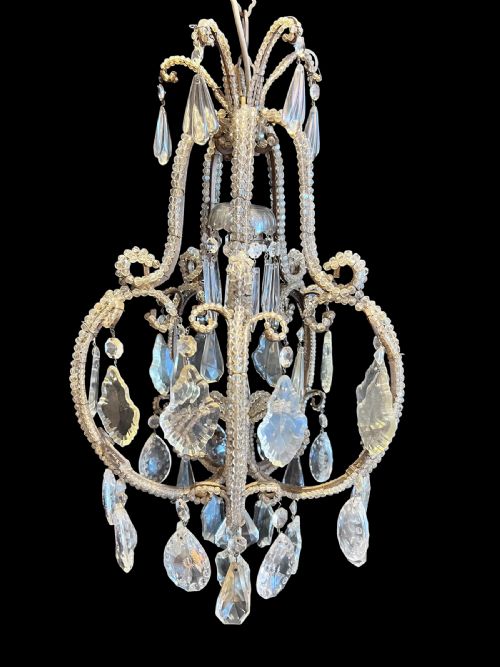
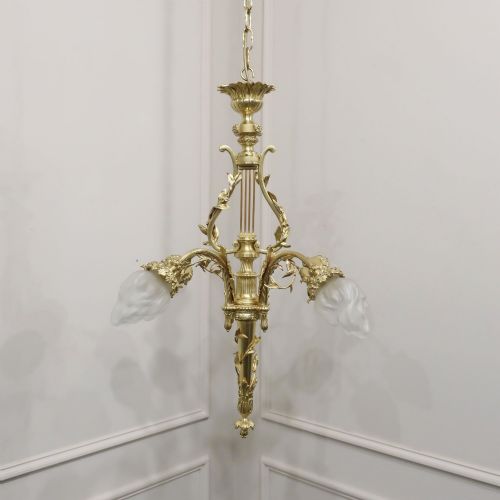
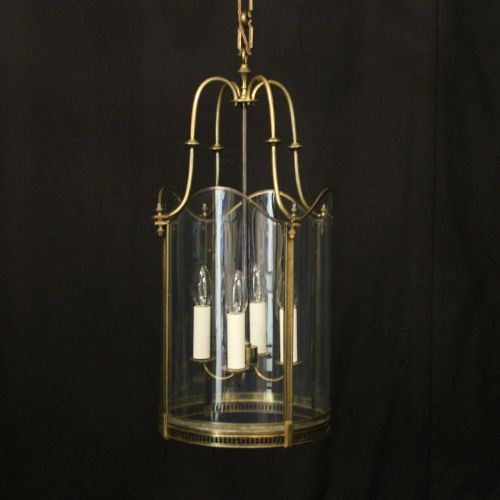
The selections on this page centre heavily on multi-arm chandeliers and hall lanterns dating from the late nineteenth century through to the 1930s. Buyers often select these pieces to anchor a high ceiling or provide focused illumination in a hallway or dining space.
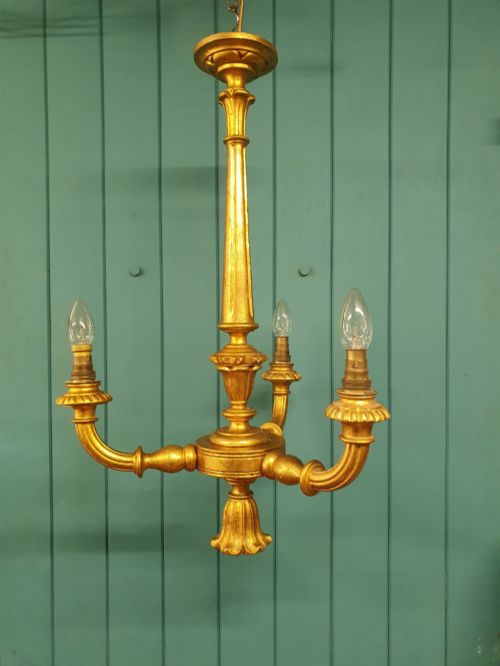
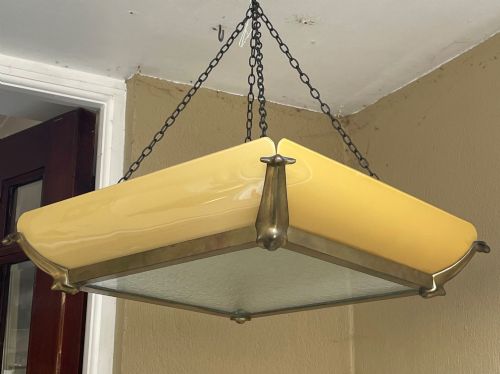
Forms vary from utilitarian billiard lights and pullman lamps to ornate giltwood girandoles and multi-tiered crystal fixtures. Each style reflects the interior lighting requirements of its original period, transitioning from gasoliers to electricity.
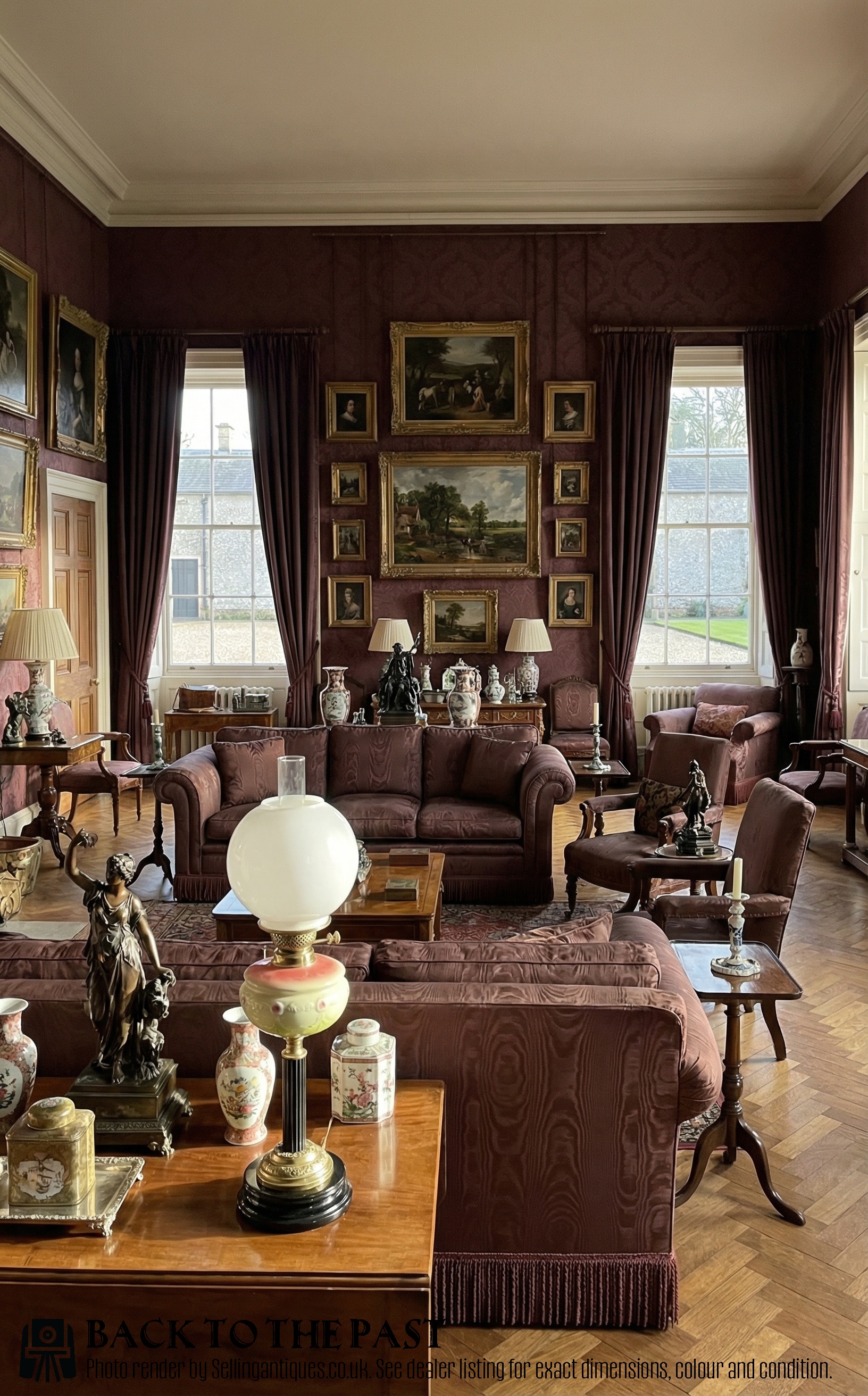
Materials and construction
Metalworking formed the structural backbone of these pieces, utilising cast and chased gilt bronze, spun brass, wrought iron and chrome. Artisans shaped these metals into complex frames, suspension rods and decorative wall brackets.
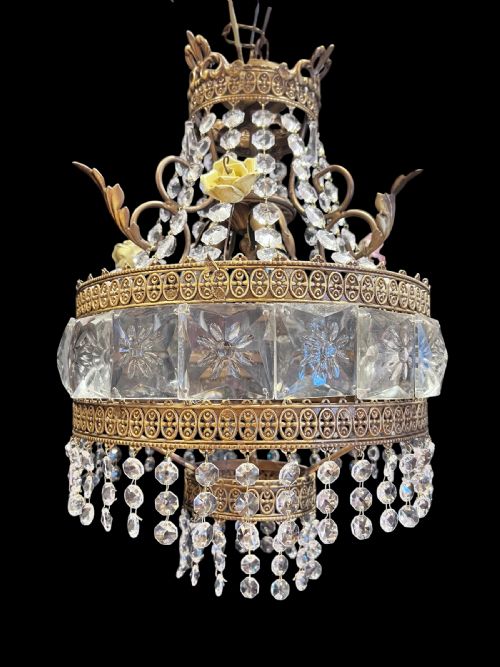
Glass elements added brilliance and diffusion, ranging from cut glass pendants and bevelled glass panels to moulded slip shades and opalescent shades. Crystal lustres and drops were frequently wired or pinned to brass and bronze frameworks to catch and refract light.
Antique Light Fixture Retail Price Guide 2026
Typical asking prices for light fixture among the pieces listed under this phrase on Sellingantiques today, from the lower quarter to the upper quarter. They describe what is for sale here now, not the wider market.
The inventory spans Victorian gasoliers, Edwardian lanterns, Arts and Crafts wall lights and Art Deco slip-shade fixtures.
Quality factors
The distinction between tiers of quality rests on the crispness of the metal casting and the depth of the gilding or patination. Heavier gauge brass and hand-carved giltwood demonstrate superior workmanship compared to lighter, pressed metal alternatives.
The integration of decorative components - such as hand-cut crystal prisms, porcelain flowers, or leaded bevelled glass panels - determines the refinement of the piece. Complete sets of matching shades and original, unpolished surfaces elevate the overall integrity of the fixture.
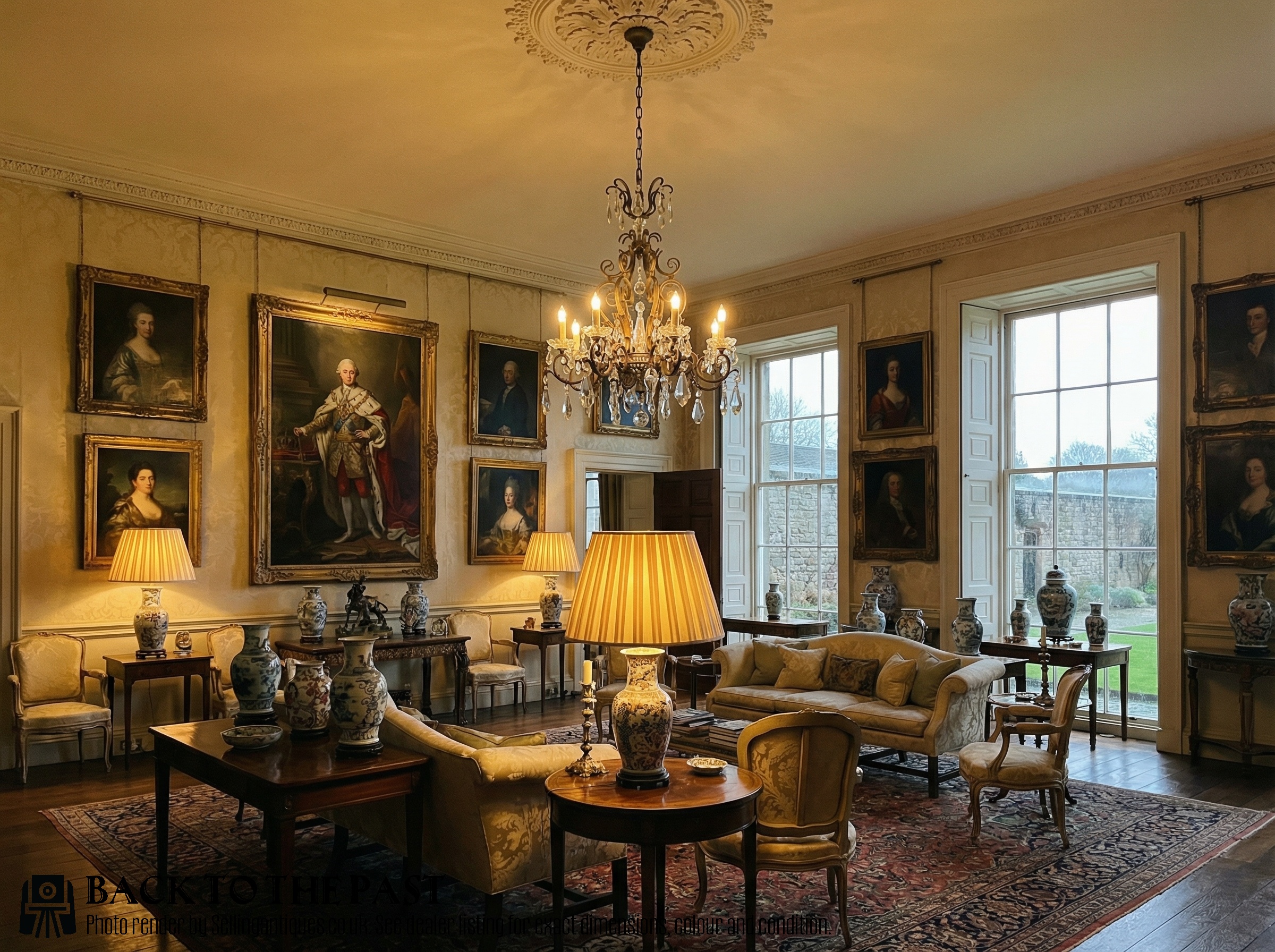
Émile-Jacques Ruhlmann
The Antique Light Fixture Glossary
- Chandelier
- A branched ornamental light fixture suspended from the ceiling. These fixtures hold multiple lamps or candles across various tiers.
- Girandole
- A decorative wall-mounted candelabra or light fixture featuring a reflective mirror backplate. The reflective surface amplifies the illumination within the room.
- Gasolier
- A ceiling or wall fixture originally designed to burn coal gas before being converted to electricity. They often retain specialised key taps and heavy brass tubing.
- Lustre
- A cut glass or crystal pendant hung from a chandelier to refract light. Lustres are typically suspended in strings or cascades around the metal frame.
- Slip shade
- A moulded piece of art glass that slides directly into a metal frame or bowl. These shades are characteristic of Art Deco lighting design.
Antique Light Fixture: Frequently Asked Questions
Can I convert gasoliers to electricity?
Most antique gasoliers and early electric fixtures are successfully adapted for modern domestic use by running insulated internal wiring. Qualified restorers update the internal components while preserving the exterior metalwork and original key taps.
This process allows fragile historical pieces to function safely under current electrical regulations. The original aesthetic remains entirely intact after professional conversion.
How do I clean crystal and brass safely?
Brass components require gentle dusting with a soft cloth to protect the underlying patina and gilt finishes. Harsh chemical cleaners strip the aged surface and diminish the value of the metalwork.
Crystal lustres and glass shades can be detached and washed in lukewarm soapy water before being dried thoroughly. Reattaching them carefully restores their original brilliance and light refraction.
What is the difference between an Edwardian and Art Deco light?
Edwardian lighting frequently incorporates traditional motifs, heavy brass frames and cut glass drops influenced by Victorian and French neoclassical styles. These pieces often feature polished brass or bronze alongside ornate detailing.
Art Deco lighting embraces geometric lines, chrome finishes, moulded slip shades and streamlined profiles. The focus shifts toward industrial materials and simplified forms that reflect modernist design principles.