


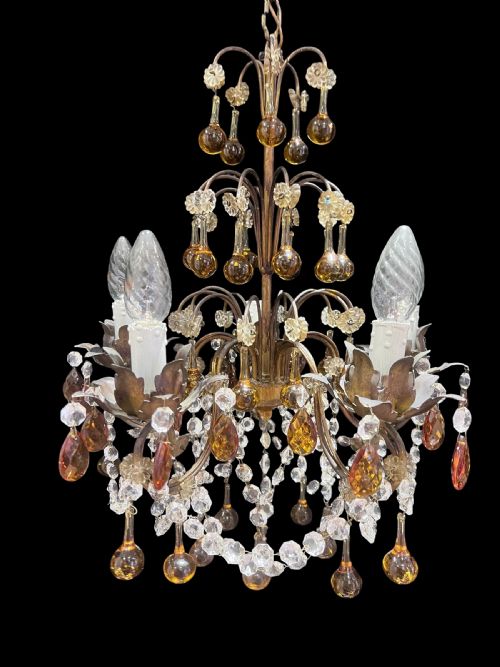
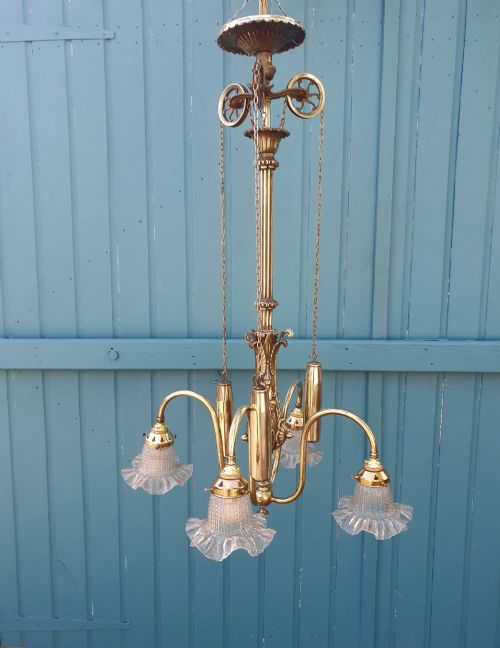
Edwardian Ceiling Lamp
An edwardian ceiling lamp brings period character to a room, offering functional illumination through shaped glass and polished metal.
What an edwardian ceiling lamp is
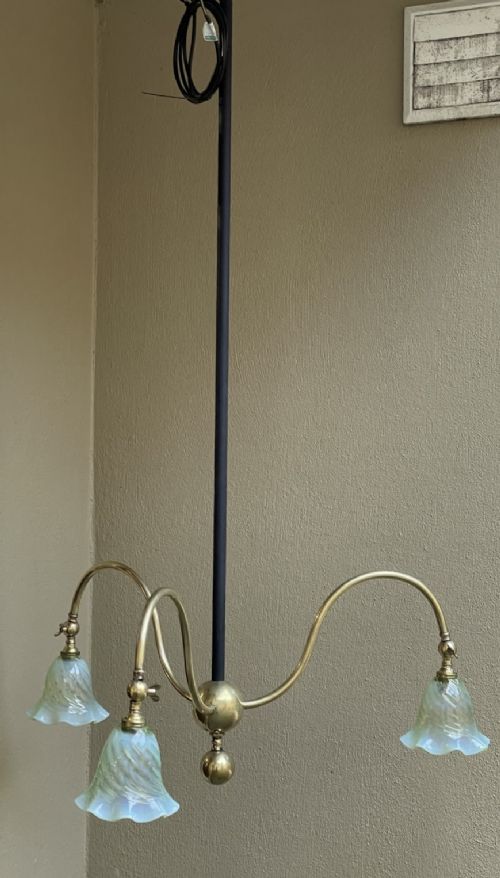
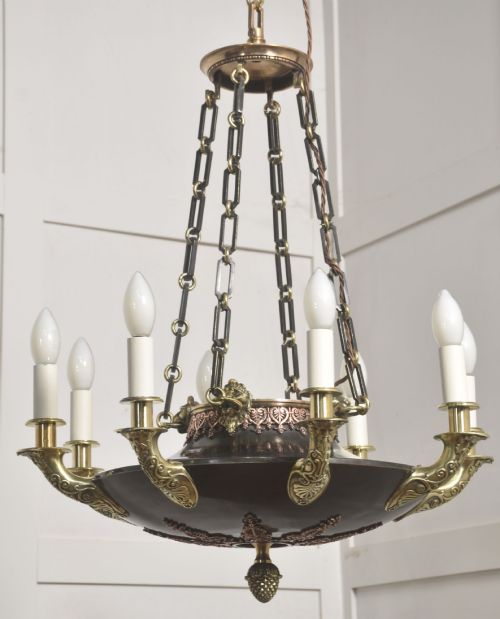
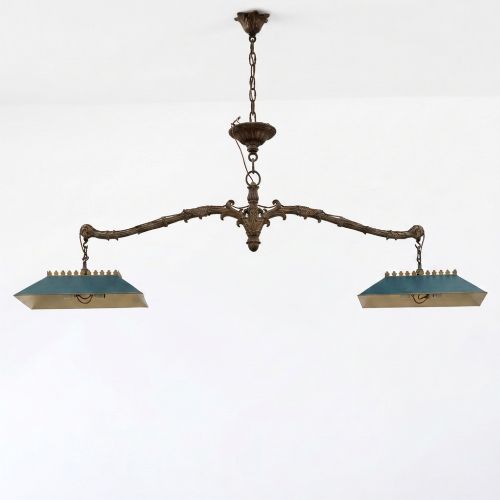
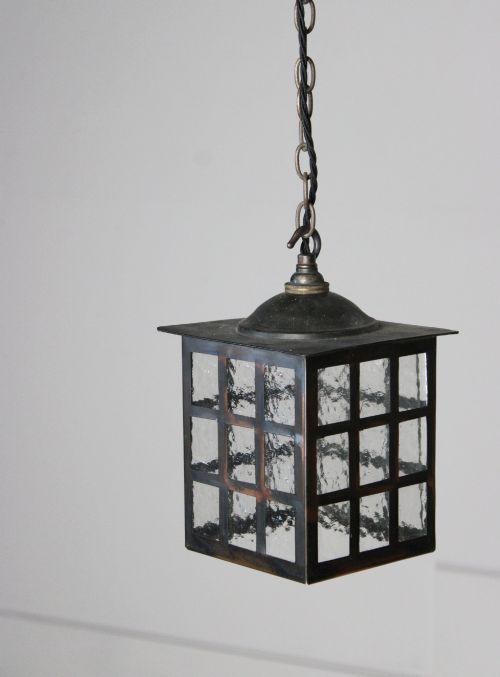
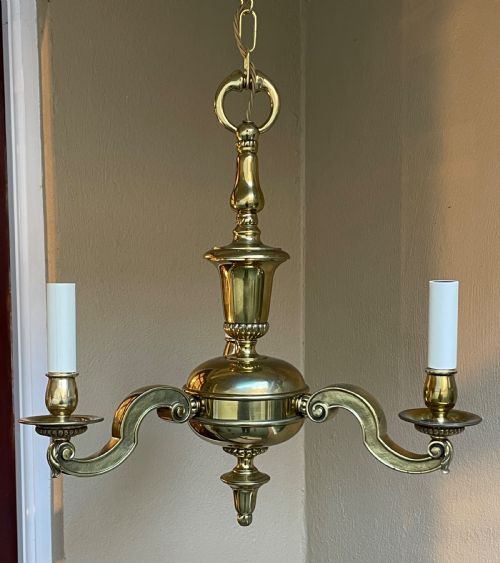
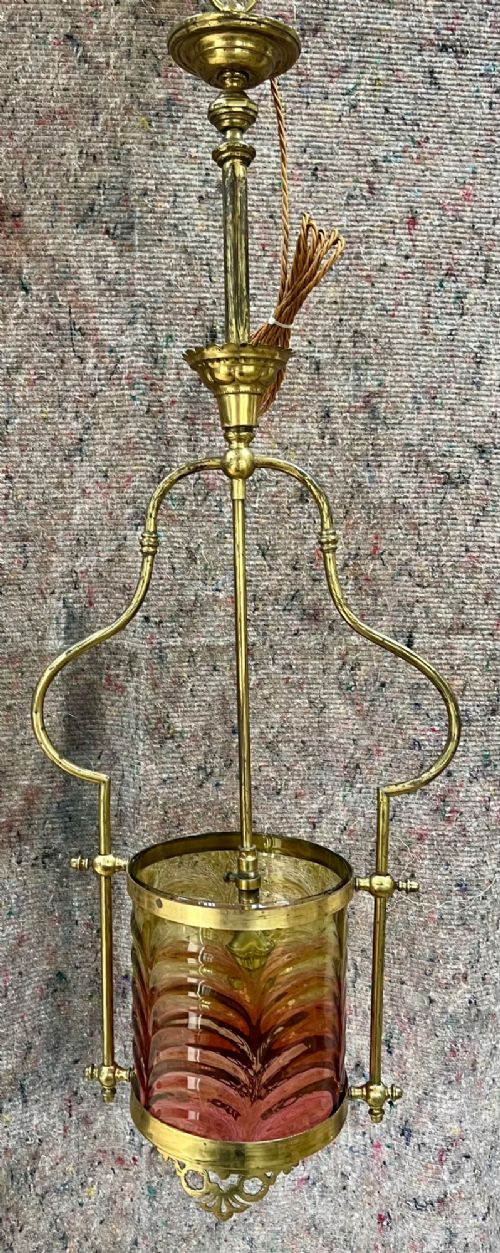
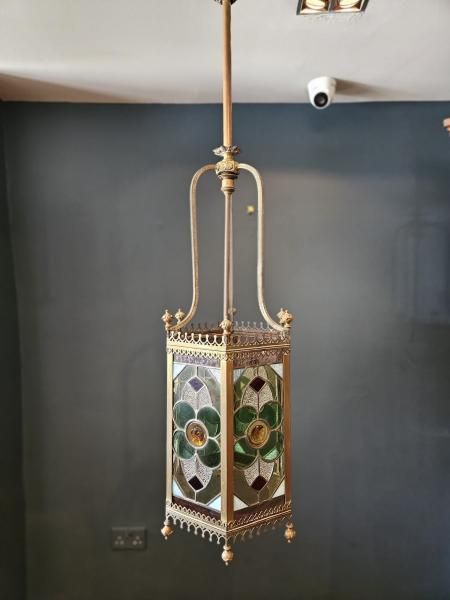
An edwardian ceiling lamp encompasses hanging lighting fixtures designed during the early twentieth century, spanning pendant lights, lanterns, and chandeliers. Buyers seeking this phrase encounter pieces that light a room from above while displaying period craftsmanship.
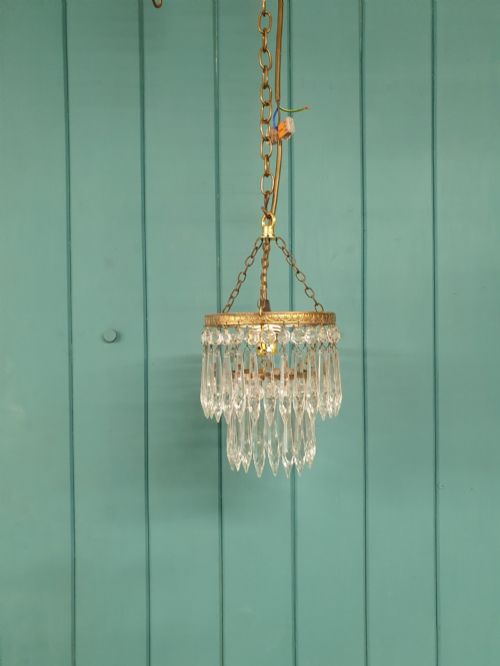
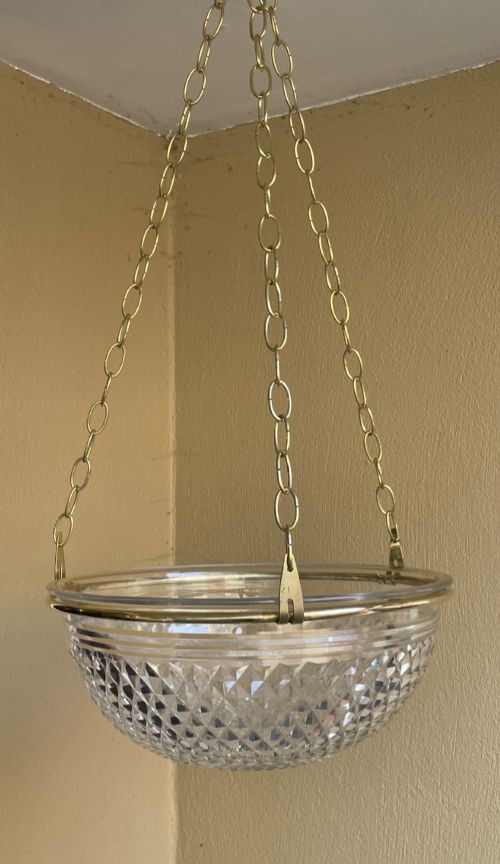
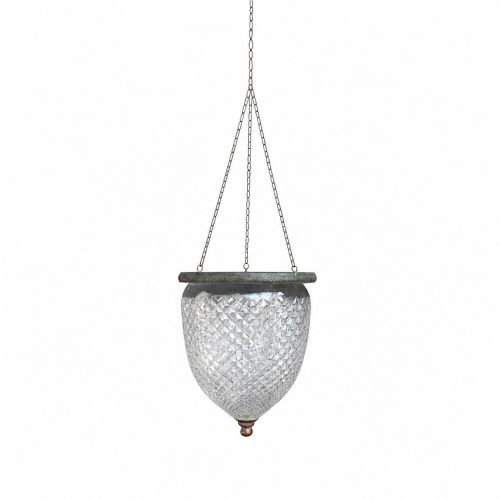
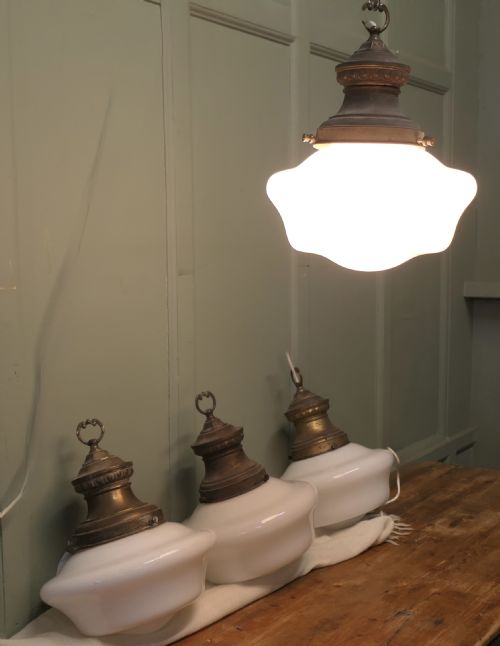
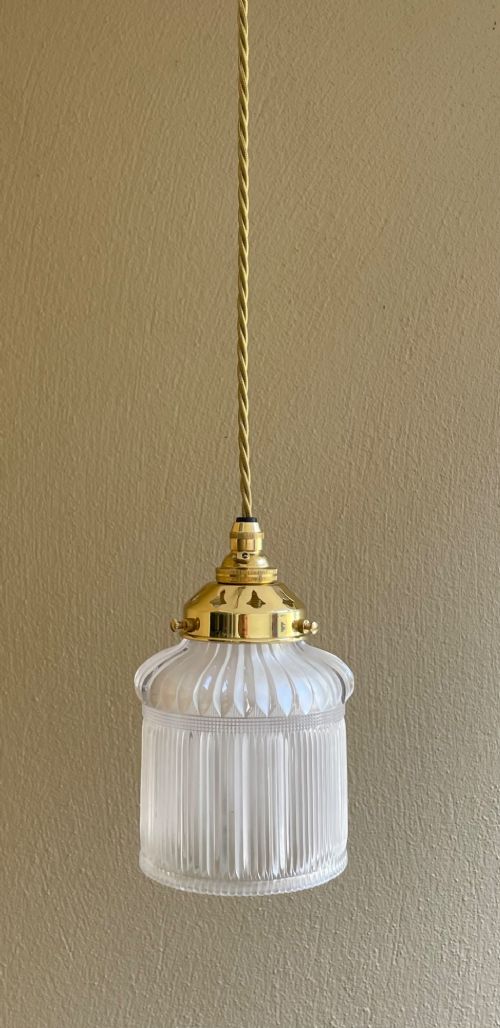
The most common versions on this page are single pendant lights and lanterns featuring opaline, frosted, or cut crystal glass shades. These fixtures frequently combine metal galleries with distinctive glass forms originating from the Edwardian and Victorian eras.
Makers and designers of the period utilised durable metals like brass, bronze, and copper to suspend heavy glass shades. The resulting forms range from simple white glass chapel fixtures to elaborate cut crystal globes.
How they were made
Makers constructed these fixtures using cast or spun metals including brass, bronze, copper, and silver plate to form the galleries and suspension hardware. These metal elements securely held the heavy glass components in place.
Glass production techniques of the period produced opaline, frosted, milk white, and cut crystal shades, alongside specialised prismatic glass. Artisans shaped these glass elements into globes, lanterns, and pineapple cuts to diffuse light effectively.
Retail Price Guide 2026
Typical UK retail prices for edwardian ceiling lamp, calculated from the Sellingantiques database of over a million retail prices indexed since 2003. This retail price guide relies exclusively on Sellingantiques data; no external sources or auction records are used, so the figures do not describe the wider market.
Listings feature brass, bronze, and copper paired with opaline, frosted, and cut crystal glass.
What varies in quality
The sophistication of the glass cutting and the weight of the metal distinguish superior examples from standard production. Heavy cast bronze or copper galleries paired with deep pineapple-cut crystal or stamped prismatic glass represent the upper tier of the range.
Proportion and material integrity govern the overall merit of each piece, where substantial metalwork and unblemished opaline or etched glass create a balanced composition. Finer examples retain original stamped registration numbers and galleries that complement the specific shade.
The Edwardian Ceiling Lamp Glossary
- Gallery
- The metal ring or fitting that grips the upper part of a glass shade and connects to the suspension chain.
- Opaline
- A type of opaque or semi-translucent white glass popular for diffusing light evenly without glare.
- Holophane
- A brand of scientific prismatic glass designed to direct and distribute light efficiently, often stamped with registration numbers.
- Pendant
- A light fixture that hangs from the ceiling by a cord, chain, or metal rod.
- Cut Crystal
- Glass that has been hand-cut and polished to create faceted surfaces that refract light.
Frequently Asked Questions
How do I hang an edwardian ceiling lamp?
These lamps suspend from ceilings using their original or replacement chains and matching metal galleries. Professional installation ensures the fixture hangs securely at the correct height for the room.
Wiring is typically updated to meet modern standards while retaining the original metalwork and glass shade. Consulting an electrician ensures the weight of brass, bronze, and glass components is safely supported.
What is holophane glass?
Holophane is a specialised prismatic glass engineered in the early twentieth century to control glare and distribute light evenly. These shades feature distinctive ribbing and often bear registration numbers.
Collectors prize marked holophane examples for their industrial utility and architectural history. They appear frequently in chapel and schoolhouse lighting fixtures from the period.
How do I clean an edwardian ceiling lamp?
Glass shades detach from their metal galleries to allow gentle washing in warm soapy water. Care must be taken with opaline and etched surfaces to preserve the finish.
Metal components such as brass, bronze, and copper benefit from dusting with a soft cloth rather than harsh chemical polishes. Preserving the natural patina maintains the historical character of the metalwork.
Are these lamps rewired?
Many surviving fixtures have been modernised with new electrical wiring to ensure safety during daily use. Rewiring allows historic pieces to function within contemporary homes without altering their external appearance.
Original galleries and hanging mechanisms are typically retained during the rewiring process. This preserves the authenticity of the brass, copper, or bronze hardware while providing reliable illumination.