
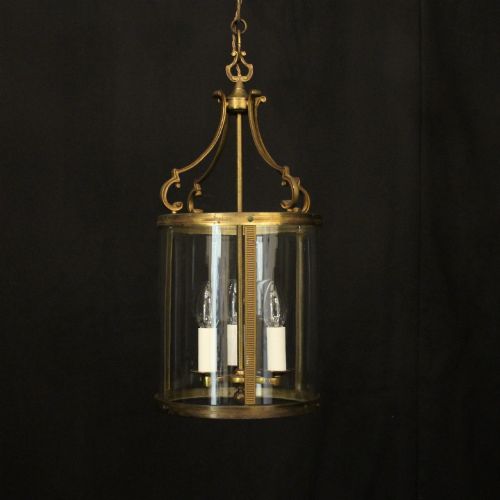
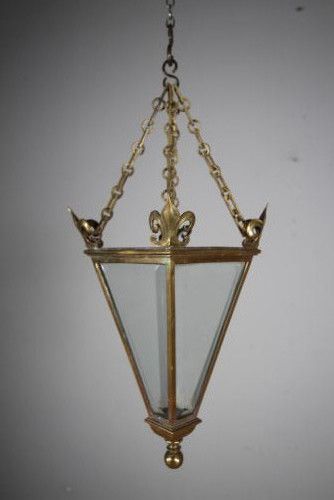
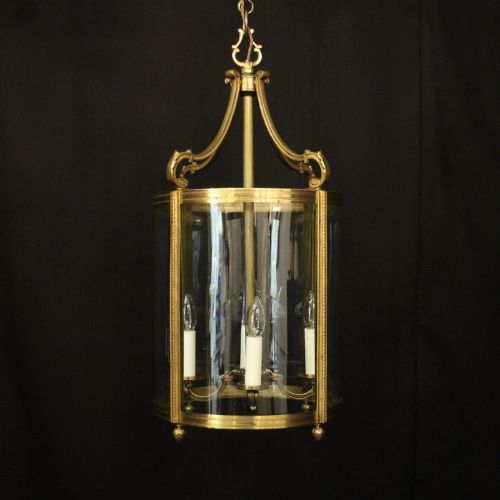
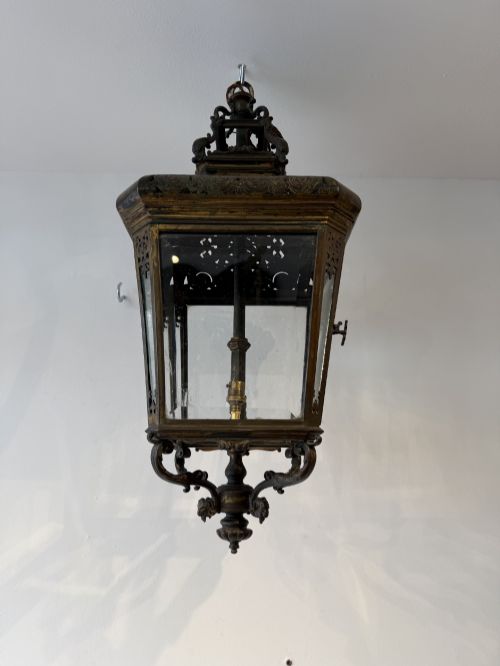


Bronze Hanging Lantern
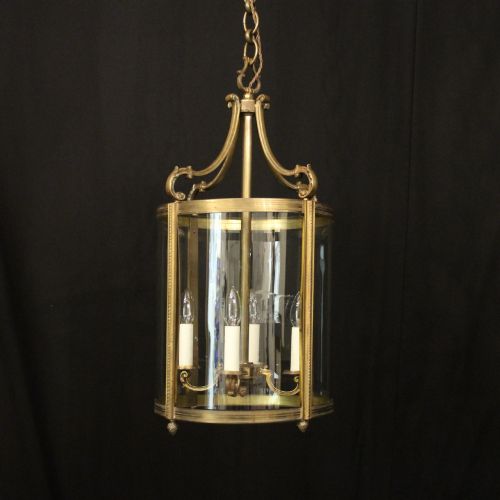
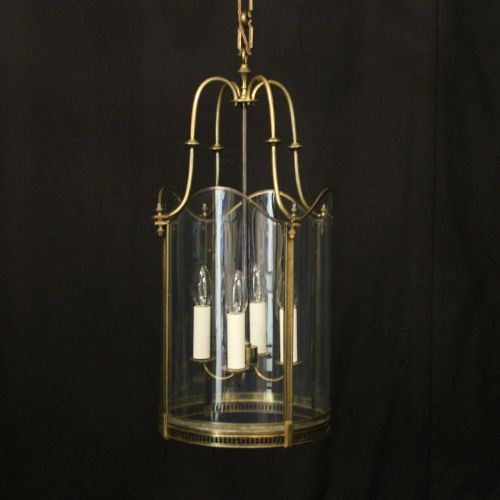
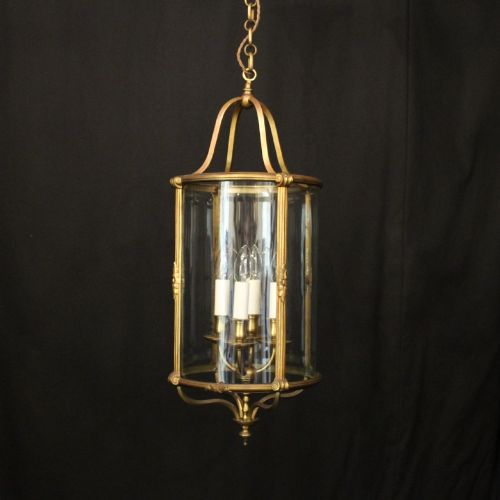
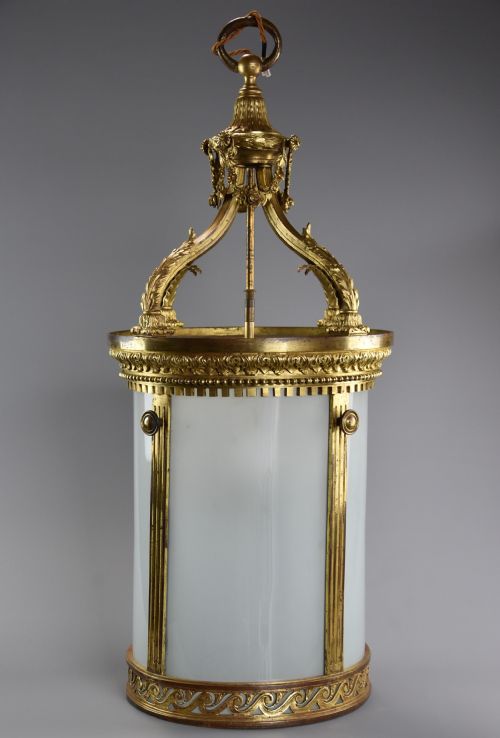
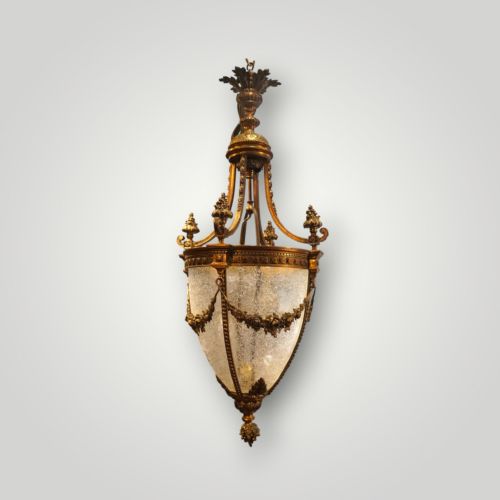
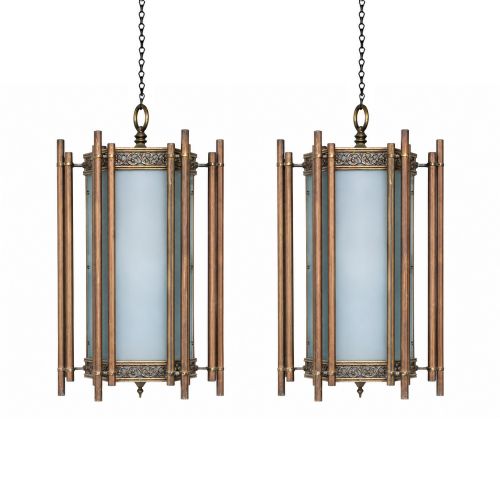
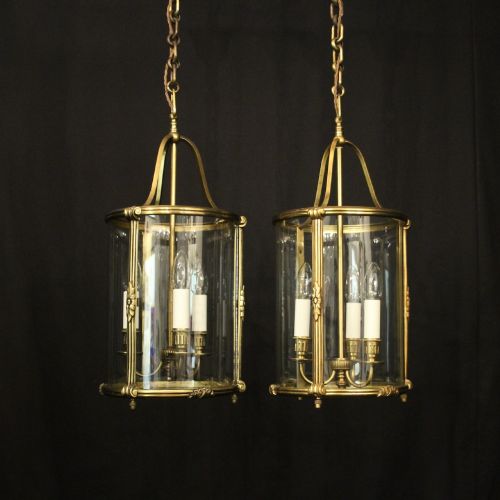
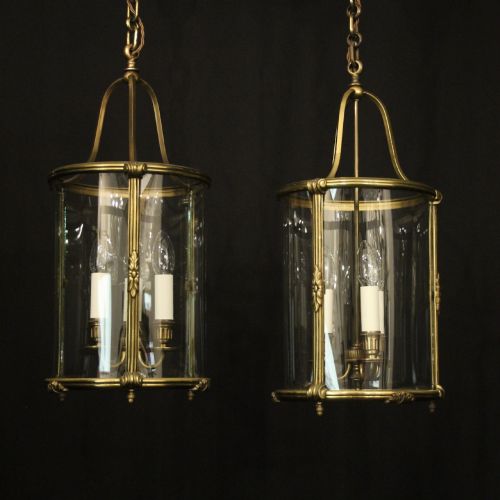
These bronze hanging lantern examples combine sturdy metalwork with glazed panels to cast warm overhead light in halls and vestibules.
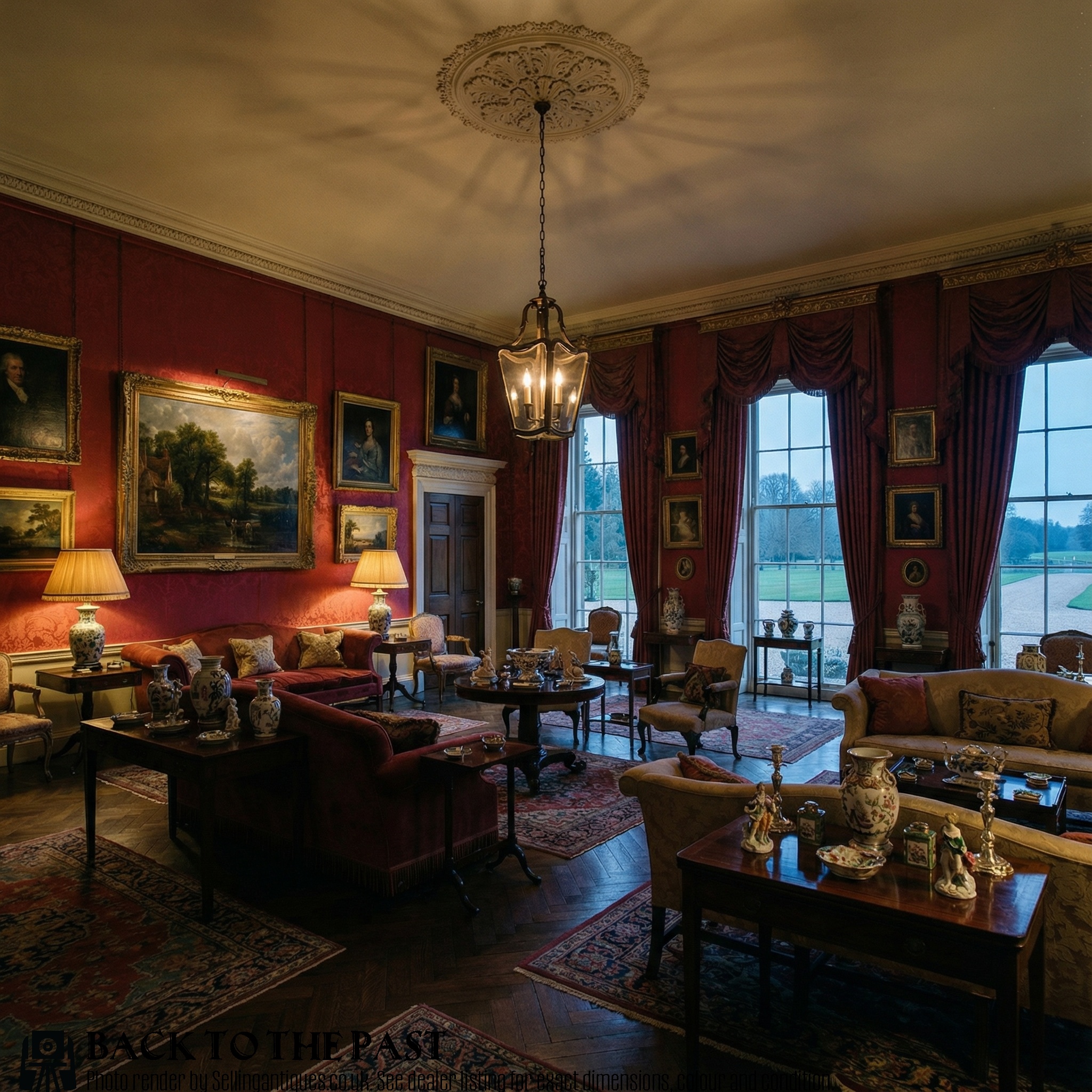
What these pieces are
A bronze hanging lantern provides practical overhead illumination while adding character to entrance halls and high-ceilinged rooms. The selections here span the Edwardian era through the nineteen-twenties, incorporating French Chateau, Art Deco, Arts and Crafts, and Chinese Export styles.
Most examples combine durable bronze frames with glass panels, sometimes featuring frosted or stained finishes. While primarily designed for ceilings, variations include convertible table lamps and twin-light configurations.
How they were made
Cast bronze forms the structural housing for these lanterns, frequently paired with brass elements and hand-soldered leaded or frosted glass panels. Surface decoration occasionally incorporates champleve enamel or textured metalwork executed by period artisans.
Wiring and electrical components appear in many surviving examples alongside original finishes, though earlier configurations utilised internal candle holders or oil burners before conversion.
Retail Price Guide 2026
Typical UK retail prices for bronze hanging lantern, calculated from the Sellingantiques database of over a million retail prices indexed since 2003. This retail price guide relies exclusively on Sellingantiques data; no external sources or auction records are used, so the figures do not describe the wider market.
Listings feature bronze and brass lanterns from the Edwardian era through the nineteen-twenties, alongside nineteen-century archive records.
What varies in quality
Superior quality rests in the weight of the cast bronze, the precision of decorative enamel work, and the integrity of the original glass panels. Heavier gauge metal and intact period patination distinguish the finest domestic and imported examples.
Construction details such as seamless joints, substantial suspension loops, and undamaged stained or frosted glass elevate certain pieces above standard production lanterns of the early twentieth century.
The Bronze Hanging Lantern Glossary
- Bronze
- A copper and tin alloy prized for strength and rich patination. It forms the durable skeleton of these lanterns.
- Champleve enamel
- A technique where troughs are gouged into metal and filled with vitreous enamel before firing. It adds colourful decorative detail to the frame.
- Edwardian
- A stylistic period spanning the early twentieth century defined by lighter, more refined domestic design. These pieces often feature delicate glass and slender metalwork.
- Frosted glass
- Translucent glazing created by acid-etching or sandblasting the surface. It softens the bulb's glare inside the lantern.
Frequently Asked Questions
Where should I hang a bronze hanging lantern?
These lanterns suit entrance halls, corridors, and high-ceilinged landings where overhead illumination is necessary.
Ensure adequate clearance below the fixture for foot traffic while positioning it to highlight architectural entryways.
How do I clean the glass panels?
Remove dust with a soft, dry cloth before wiping frosted or clear glass with a mild glass cleaner.
Avoid harsh chemical sprays that might damage the surrounding bronze patina or leaded joints.
How do I identify an Art Deco lantern?
Art Deco pieces display geometric lines, stylised motifs, and streamlined forms typical of the nineteen-twenties.
They often eschew ornate Victorian flourishes in favour of bold, symmetrical metal configurations.