
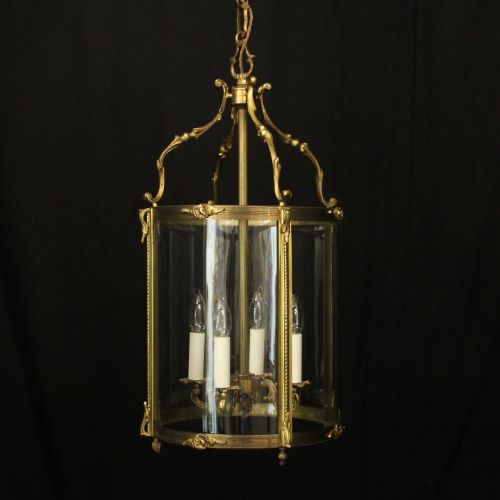
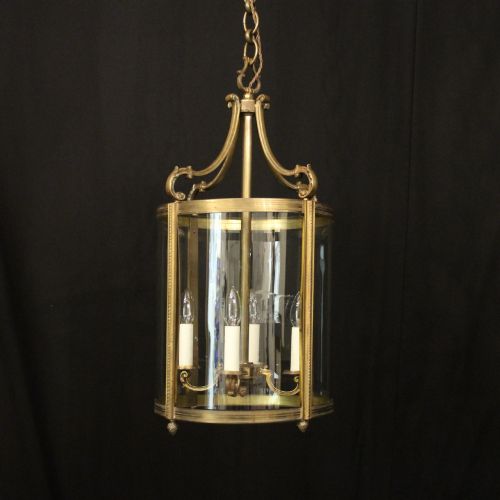

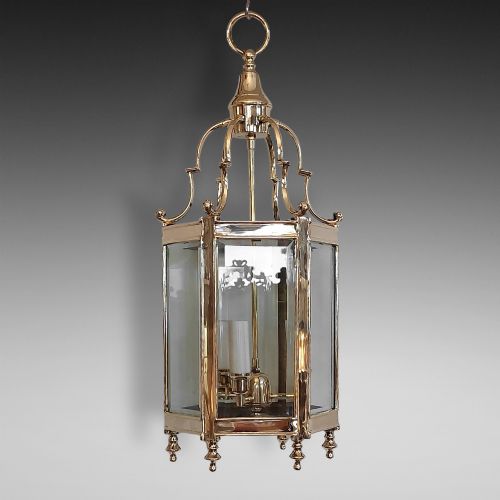
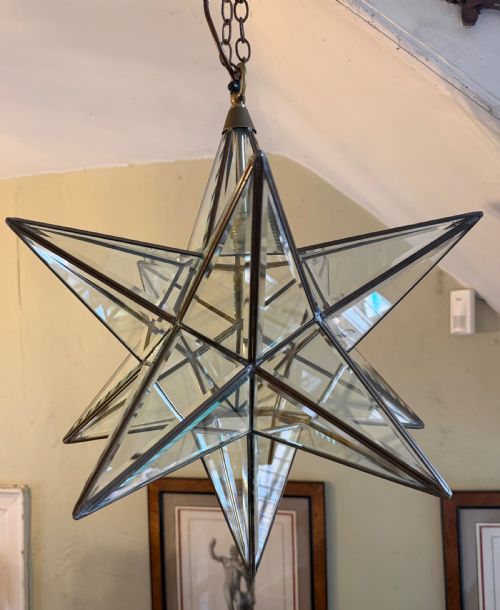
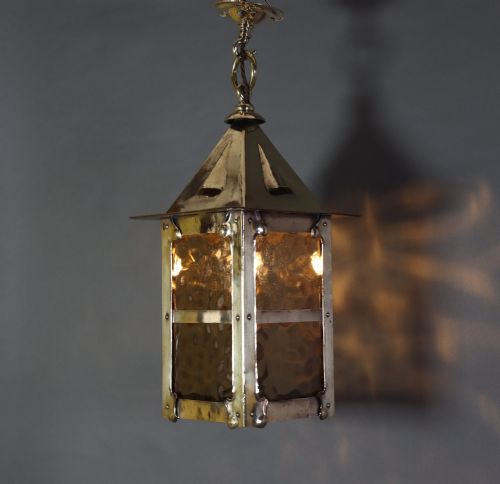
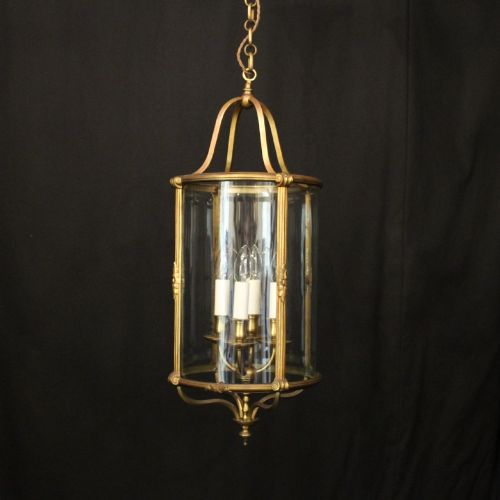
Glass and Brass Lantern
A glass and brass lantern brings warmth and definition to a hallway, casting intricate shadows through period metalwork and bevelled panes.
Glass and Brass Lantern
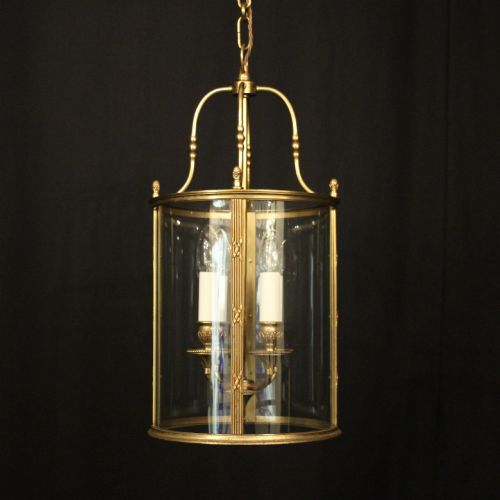
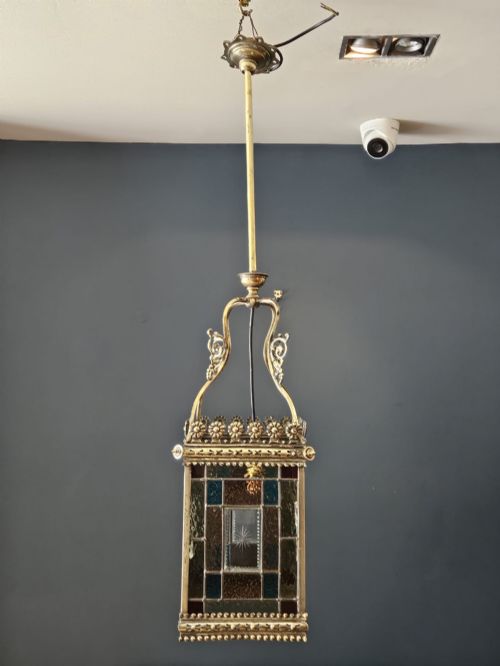
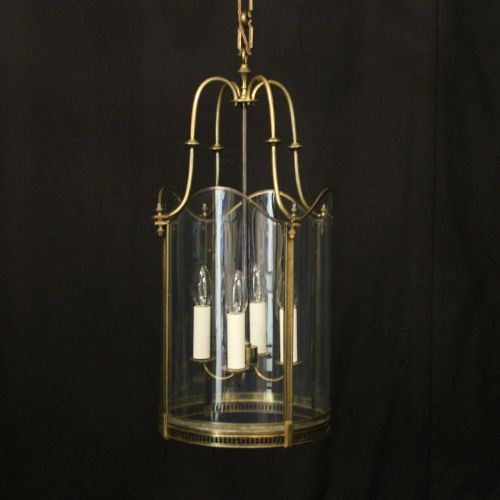
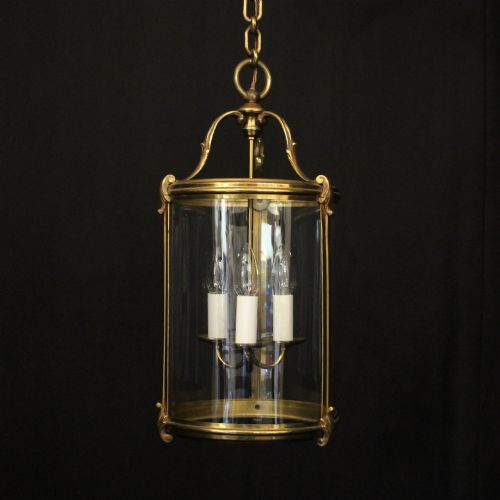
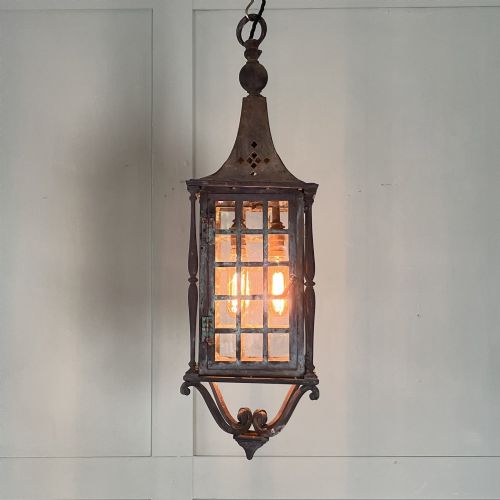
A glass and brass lantern is primarily a ceiling-hung hall light or wall sconce designed to illuminate entranceways and corridors with period character. When searching for a glass and brass lantern, buyers encounter forms ranging from simple hexagonal Edwardian pendants to elaborate French gilded bronze creations and multi-light fixtures. These fittings bridge functional illumination and decorative metalwork, drawing heavily on styles like Arts and Crafts, Gothic Revival, and French Neoclassical.
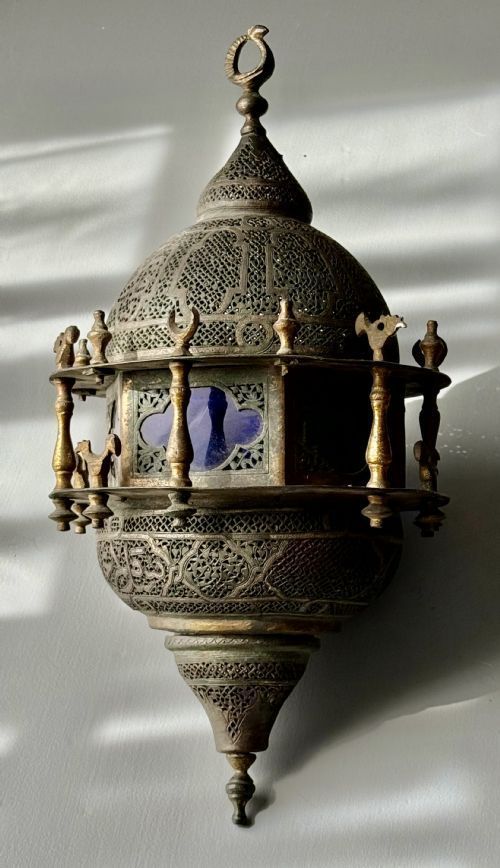
The materials and construction reflect the era of production, spanning the nineteenth century through the nineteen-thirties. You will frequently find brass frames paired with leaded, bevelled, or frosted glass panels, alongside heavier cast mounts in gilt bronze and copper. Styles vary from restrained English utilitarian designs to ornate continental shapes influenced by Moorish and French chateau aesthetics.
Judging quality in period lighting
Quality rests in the weight of the metal casting, the crispness of any pierced or chased detailing, and the integrity of the glass panels. Finer examples display hand-finished bronze work, integrated doors with original latches, and heavier gauge brass that maintains structural rigidity over decades of use.
Lighter commercial pieces from the early twentieth century often relied on stamped sheet metal and simpler soldered joints. The presence of original hand-blown or heavy bevelled glass distinguishes superior workshop production from standard utility lighting.
Railway guards once carried heavy copper lanterns designed to withstand gale-force winds while signaling across dark Victorian platforms.
The Glass and Brass Lantern Glossary
- Convex glass
- Curved glass panels that project outward to diffuse light across a wider angle. This technique was frequently utilised in French hall lanterns to soften bulb glare.
- Gilt bronze
- Bronze metal treated with a layer of gold leaf or mercury gilding to impart a rich, reflective surface. It provides both corrosion resistance and a luxurious visual depth.
- Leaded glass
- Individual pieces of glass joined together with lead cames to form geometric or pictorial patterns. This method is common in Victorian and Gothic Revival hanging fixtures.
- Hall lantern
- A vertical hanging light specifically proportioned for narrow spaces and entrance halls. They typically feature enclosed glass sides to protect the flame or bulb from draughts.
- Wall sconce
- A lighting fixture fixed directly to a wall rather than suspended from the ceiling. Many designs mirror the glazing and metalwork of matching hall lanterns.
Glass and Brass Lantern: Frequently Asked Questions
How do I clean a period glass and brass lantern?
Carefully remove the glass panels if the frame construction allows, washing them in warm soapy water while avoiding harsh abrasives on any etched or frosted surfaces.
Dust the brass framework with a soft brush and avoid aggressive metal polishes that can strip away historic patination or applied gilding.
Can these antique lanterns be wired for modern electrical standards?
Most antique lanterns are readily adaptable for contemporary electrical wiring, often utilising internal brass or ceramic lampholders housed discreetly within the frame.
A qualified electrician should inspect and rewire older fixtures to ensure compliance with current safety regulations using appropriate heat-resistant cable.
Where should a hall lantern be hung?
These fixtures are traditionally suspended in entrance halls, corridors, or stairwells where their vertical proportions command attention without obstructing movement.
Ensure adequate clearance beneath the lowest point of the lantern, particularly in high-traffic domestic or commercial entryways.
How do I identify the period of a brass lantern?
Dating relies on stylistic clues such as the linear simplicity of Arts and Crafts pieces versus the ornate scrolling typical of French Neoclassical or Victorian designs.
Construction methods, including the type of screw threads, soldering techniques, and glass-cutting styles, further help narrow down the decade of manufacture.