

Bronze Pendant Light
These bronze pendant light designs bring period character and robust metalwork to your ceiling, combining historical styles with practical illumination.
What these pieces are
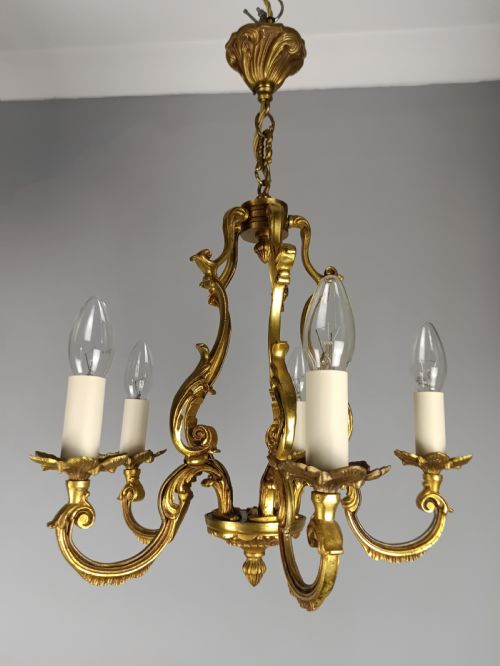
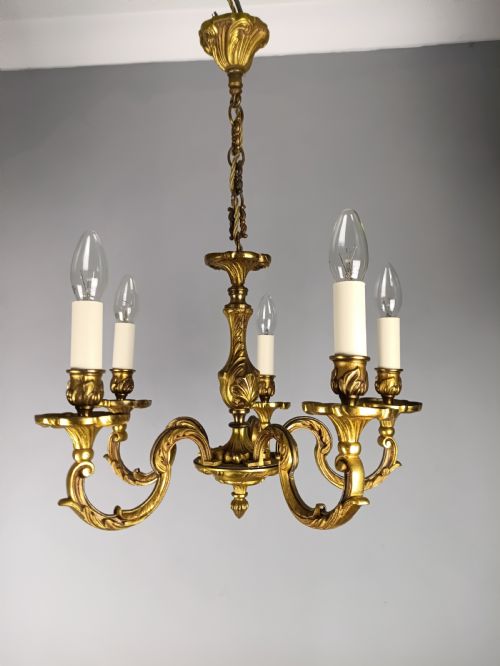
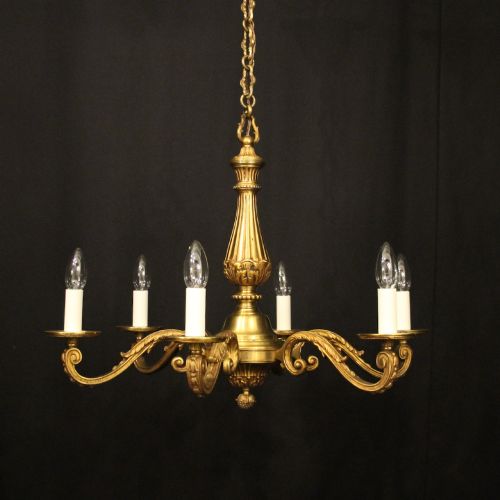
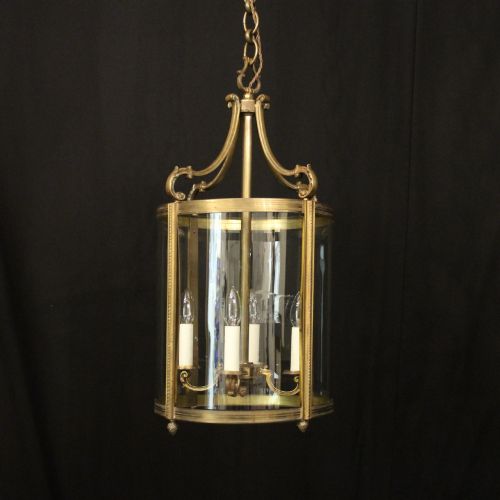
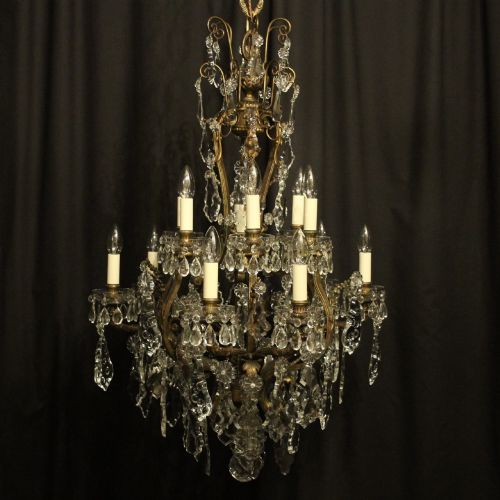
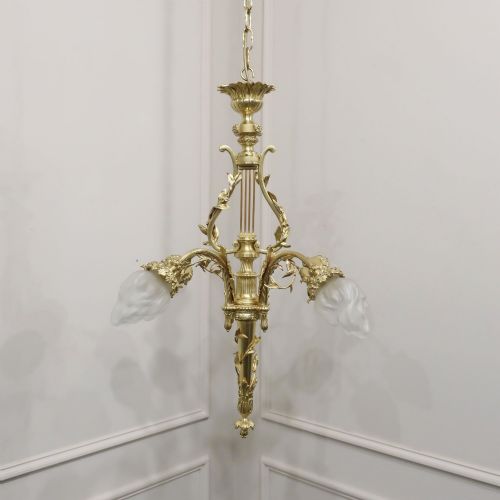
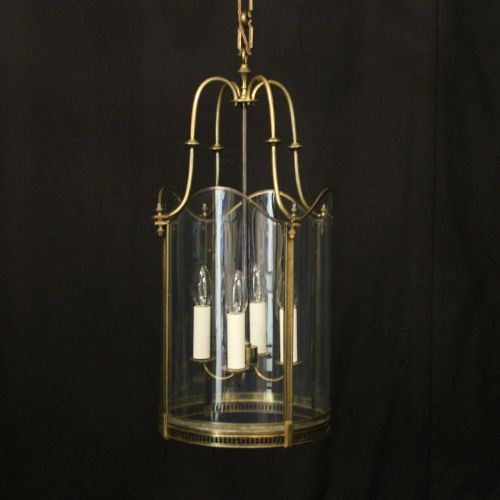
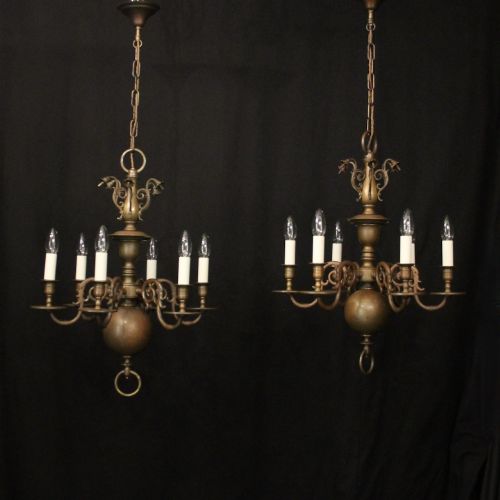
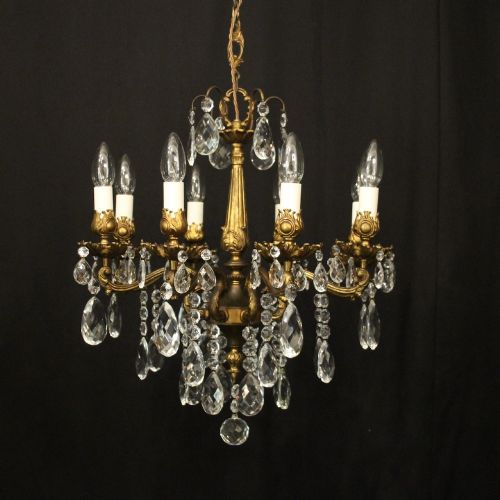
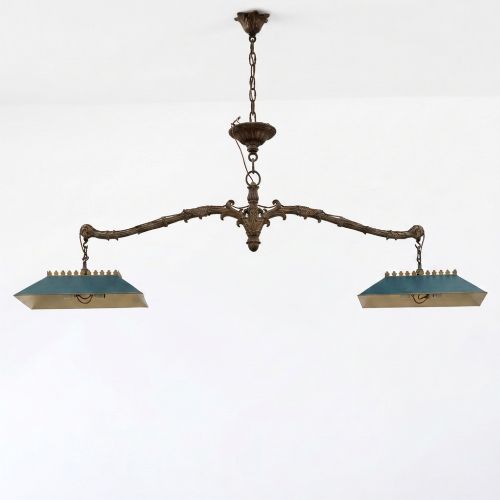
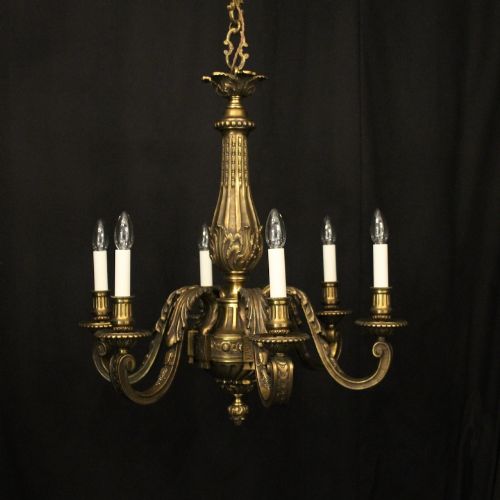
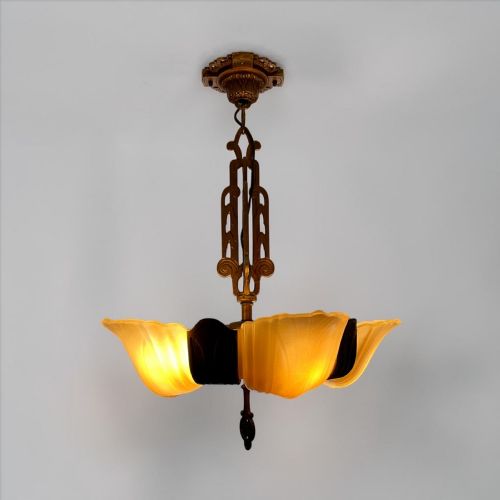
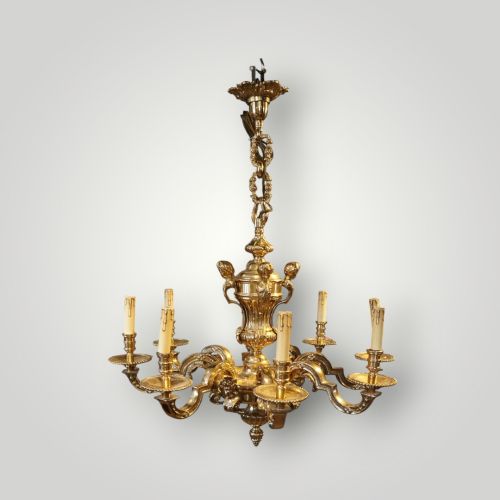
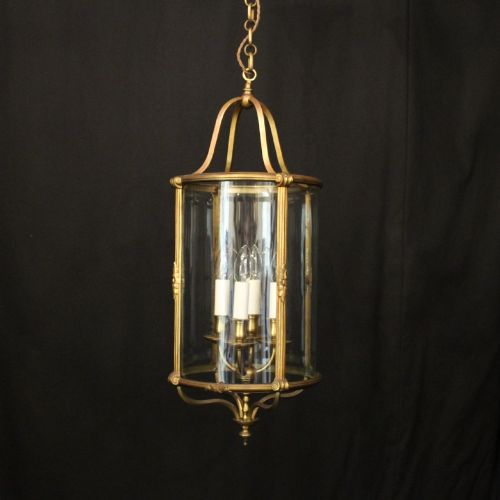
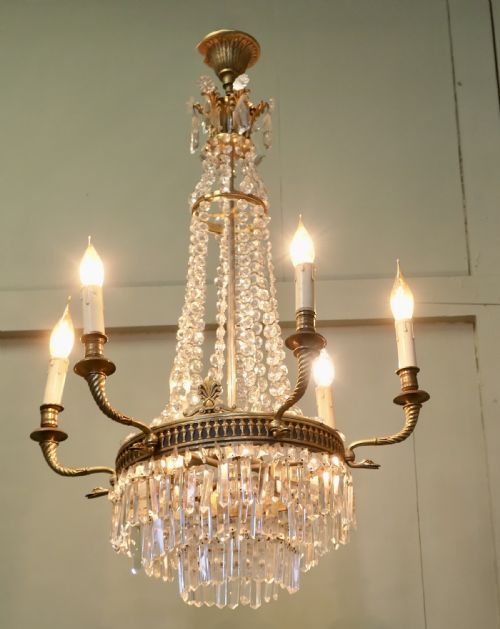
When you search for bronze pendant light, you encounter hanging ceiling fixtures that span the nineteenth and early twentieth centuries. The selection includes French hall lanterns, multi-light chandeliers, and up-light pendants from eras such as the Art Deco period, the Victorian era, and the French Empire style.
Most examples originate from French workshops or bear strong continental design influences, employing durable metal frames. You will frequently find fixtures featuring single or multiple lights, sometimes paired with alabaster, frosted glass, or art glass shades.
Formats range from compact single-bulb hall lanterns to substantial seven-light chandeliers intended for larger rooms. The materials vary between dark cast bronze, gilded bronze, brass, and bronzed brass, offering distinct visual weights for interior spaces.

How they were made
Maker construction relies heavily on traditional metalcasting methods to shape the bronze, brass, and ormolu components. Artisans cast the metal frames in sections before assembling them with mechanical fasteners or specialised joints.
Lighting elements incorporate delicate glass components, including frosted shades, shaped alabaster bowls, and textured art glass. Metalwork finishes involve hand-applied gilding, patination to darken the bronze surface, or polishing to highlight the underlying brass.
Retail Price Guide 2026
Typical UK retail prices for bronze pendant light, calculated from the Sellingantiques database of over a million retail prices indexed since 2003. This retail price guide relies exclusively on Sellingantiques data; no external sources or auction records are used, so the figures do not describe the wider market.
Materials appearing across these lighting fixtures include cast bronze, gilded bronze, alabaster, frosted glass, and brass.
What varies in quality
Quality rests on the crispness of the cast metal details and the weight of the bronze or brass used in the frame. Superior pieces display finely articulated ornamentation, such as cherubs or Empire motifs, rather than soft or repetitive surface casting.
The integration of glass or alabaster elements also distinguishes the better examples from standard production. Original or well-matched period shades that complement the proportions of the metal structure indicate a more considered assembly.
The Bronze Pendant Light Glossary
- Bronze
- A heavy alloy of copper and tin known for its durability and rich patination capabilities. It forms the primary structural foundation for many period hanging lights.
- Alabaster
- A fine-grained, translucent stone used historically for bowls and diffusers within lighting fixtures. It softens bulb glare and diffuses a warm glow.
- Ormolu
- A gilded bronze technique popular in French decorative arts, creating a bright gold-coloured finish on metal mounts. This treatment adds distinct decorative presence.
- Hall Lantern
- An enclosed ceiling light designed specifically for entryways, corridors, and stairwells. These fixtures usually feature glass panels held within a metal framework.
Frequently Asked Questions
How do I hang a heavy bronze pendant light safely?
Hanging a heavy metal fixture requires anchoring directly into ceiling joists or using a rated structural ceiling box. Professional installation ensures the weight of the bronze and glass is supported securely.
Electrical wiring should also be inspected by a qualified electrician to ensure compatibility with modern mains power standards.
Can these antique pendants be rewired for modern homes?
Most period hanging lights can be safely rewired using modern insulated flex and standard lamp holders. This process preserves the original exterior metalwork while bringing the electrical components up to current safety codes.
Retaining the original sockets is sometimes possible if they meet safety requirements, but complete rewiring is standard practice for older metal fixtures.
What rooms suit a hall lantern or chandelier?
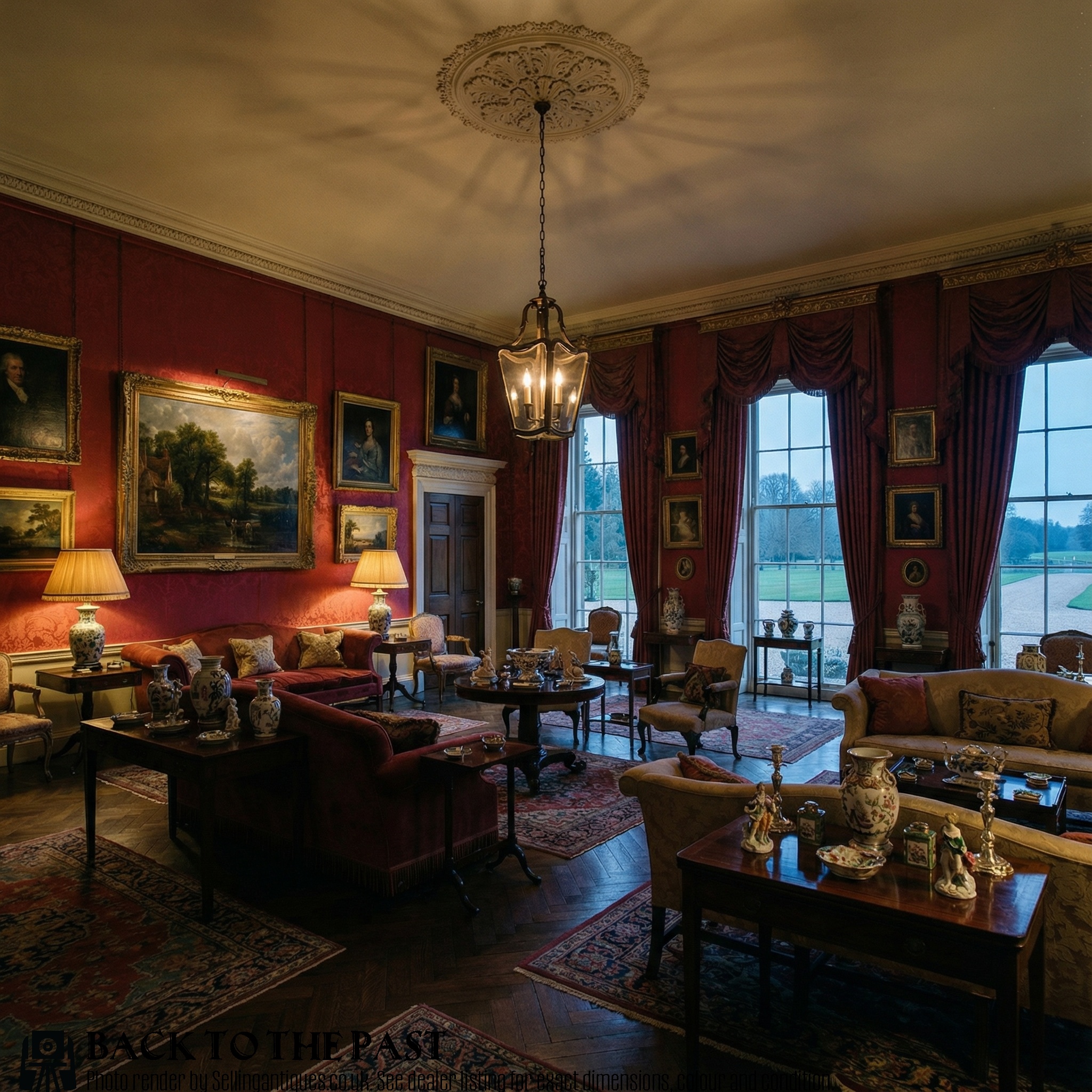
Hall lanterns work well in narrow transitional spaces like entrance hallways, corridors, and landings where vertical clearance is useful. Their enclosed design protects the bulbs and directs light downwards.
Chandeliers and larger pendants suit principal reception rooms, dining areas, and bedrooms where they serve as a central decorative focal point.
How do I clean patinated bronze and glass?
Dust bronze and brass surfaces gently with a soft, dry cloth to prevent the accumulation of grime without disturbing the historic patina. Avoid using harsh chemical cleaners that can strip the aged finish from the metal.
Glass or alabaster shades can be removed carefully and washed with mild soapy water, provided they are dried completely before reassembly.