

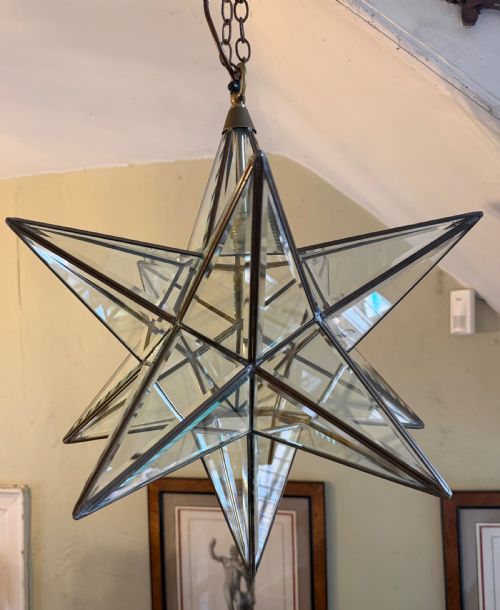
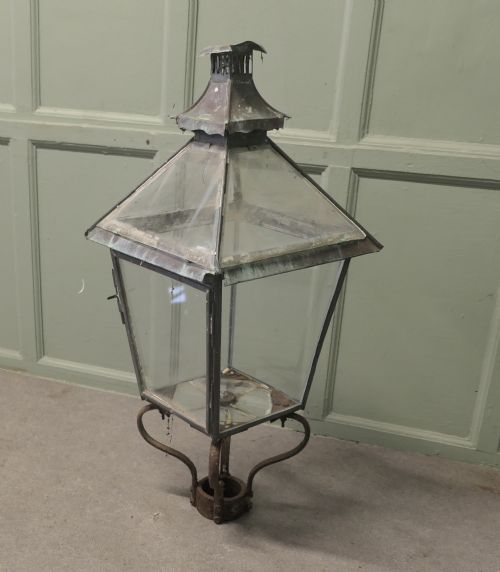
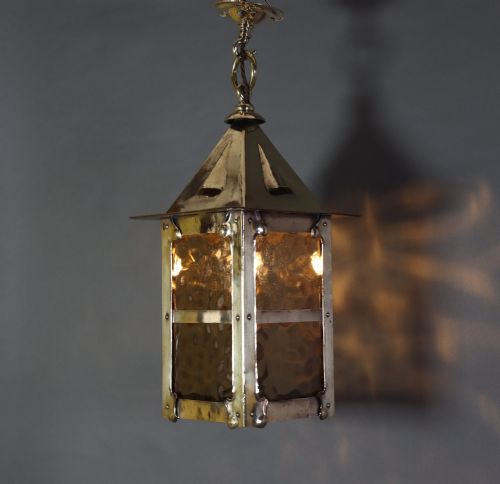
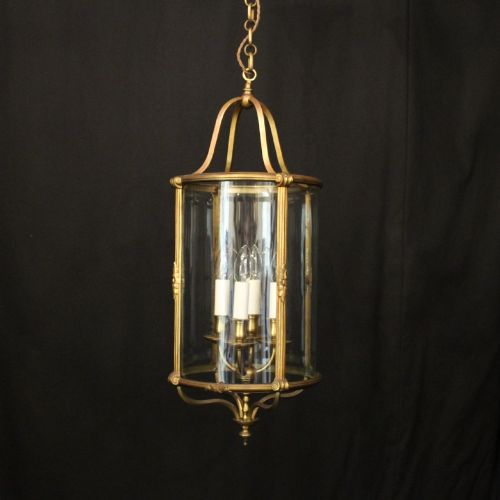
Antique Glass Lantern
When you handle an antique glass lantern, you deal with heavy metal frames and aged plates that illuminated grand hallways, streets, and ships long ago.

Antique Glass Lantern
An antique glass lantern is a suspended or wall-mounted lighting fixture enclosed in glass panels, designed to illuminate hallways, entrances, and external spaces. Buyers searching this phrase meet everything from small domestic hall pendants to monumental street and railway lights.
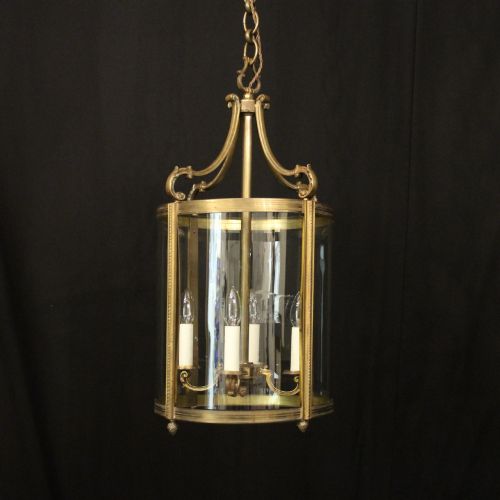
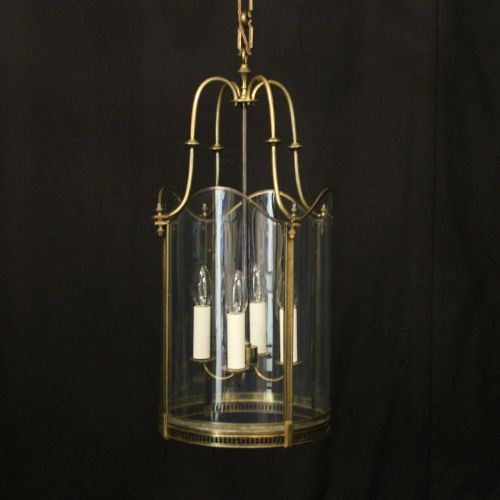
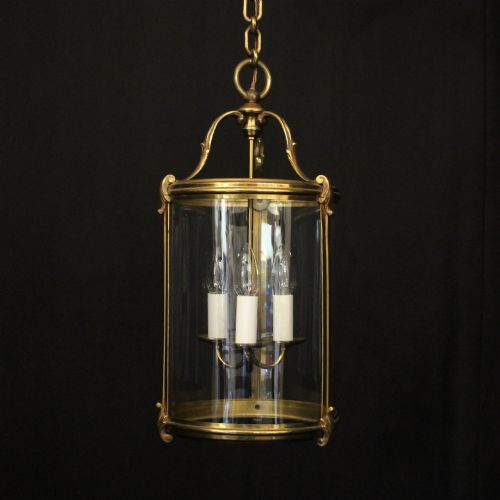
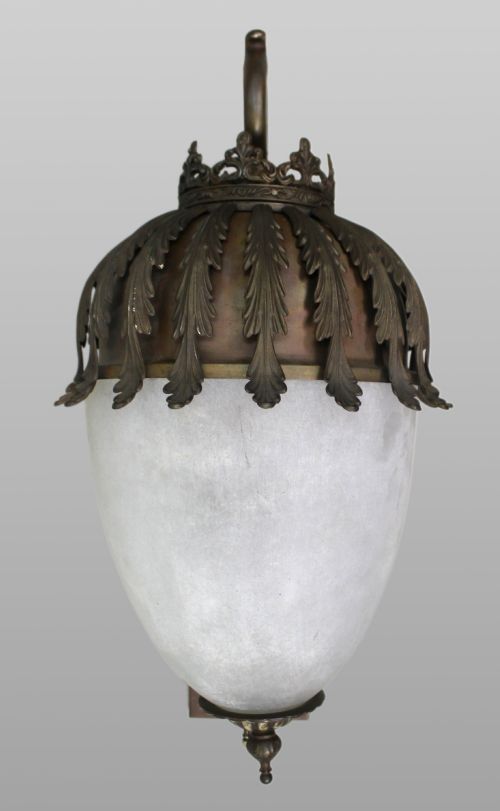
The pieces on this page span the Victorian and Edwardian eras alongside the 1920s and 1930s, reflecting domestic and civic commissions. French styles predominate, particularly gilt bronze and brass designs with convex glass panels alongside Arts and Crafts brasswork.
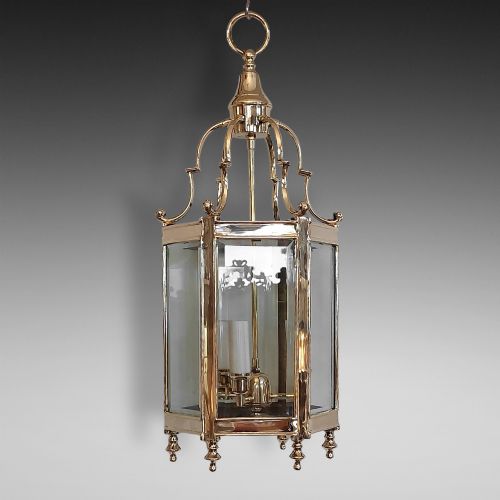
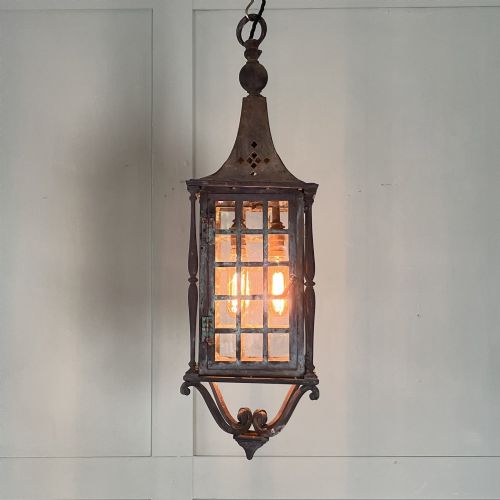
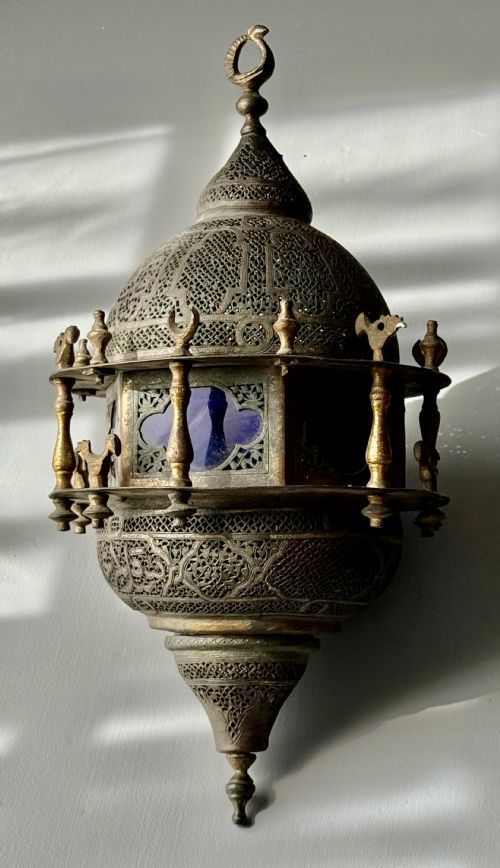
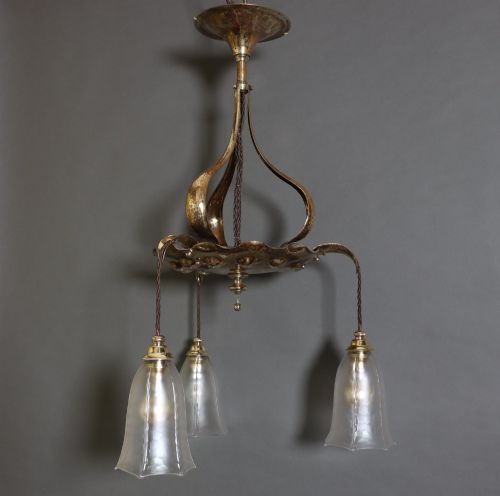
Forms range from simple hexagonal hanging lanterns to multi-light French chateau fixtures and pierced brass Moorish models. Domestic pendant lights sit alongside utilitarian copper street lamps and railway lanterns repurposed for interior use.
How they were made
Makers constructed the structural frames of these lanterns using cast or sheet brass, copper, gilt bronze, and wrought iron, joining the metal elements with lead came or mechanical fasteners. Structural strength depended on substantial metal frames capable of supporting heavy glass panels and multiple internal light sources.
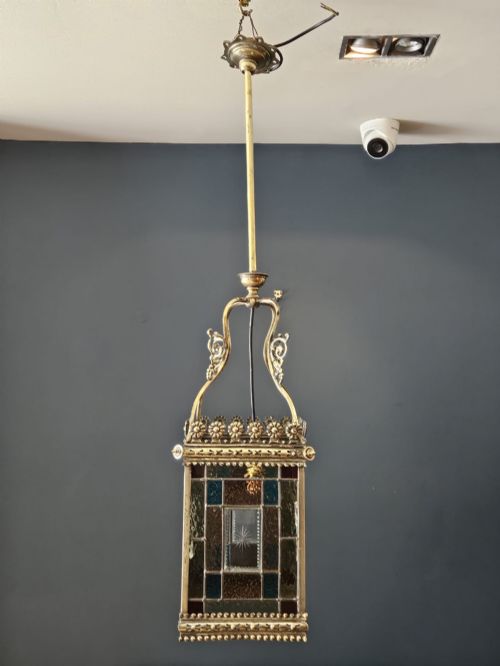
Glazing involved leaded lights, bevelled panes, stained glass, or heat-curved convex glass that required specialist glassblowing and moulding techniques. Metalwork decoration often incorporated chased gilt details, etched patterns, or pierced brass work seen in Moorish and Arts and Crafts examples.
Antique Glass Lantern Retail Price Guide 2026
Typical asking prices for glass lantern among the pieces listed under this phrase on Sellingantiques today, from the lower quarter to the upper quarter. They describe what is for sale here now, not the wider market.
Listings feature brass, copper, and gilt bronze materials spanning the 19th Century through the 1950s.
What varies in quality
Quality rests upon the weight and finish of the metal frame, from heavy fire-gilded bronze castings down to simpler brass or copper assemblies. Superior pieces exhibit crisp chasing, robust hinges, and clean soldered joints that hold complex geometric or curved glass securely.
The glass itself dictates distinction, separating standard flat panes from labour-intensive bevelled, etched, convex, or coloured stained glass panels. Provenance and original matched pairs elevate standing, particularly when associated with notable hotels or specific stylistic movements like Arts and Crafts.

PH Vogel·Voysey
The Antique Glass Lantern Glossary
- Convex glass
- Curved glass panels that bulge outward, common in French hall lanterns to diffuse light more widely. This technique required skilled handling during the cooling process.
- Leaded glass
- Individual pieces of glass joined together by strips of lead called came. This method creates the geometric patterns seen in Victorian and Edwardian examples.
- Gilt bronze
- Bronze metal treated with a thin layer of gold or gold-coloured alloy. It provides a durable, lustrous finish found on high-end French chateau fixtures.
- Toleware
- Painted or enamelled sheet metal used for lantern frames and half-lanterns. It offers a decorative, coloured finish alternative to polished brass or copper.
- Bevelled glass
- Glass panes with cut and polished angled edges around the perimeter. This treatment catches and refracts light as it passes through the lantern.
Antique Glass Lantern: Frequently Asked Questions
How do I date an antique glass lantern?
Dating relies on combining the metal composition, glass type, and stylistic indicators such as Edwardian proportions or Art Deco symmetry.
Victorian pieces often feature heavy leaded glass and cast brass, while 1920s and 1930s examples lean towards French convex glass and gilt bronze.
Can these lanterns be wired for modern electricity?
Most hanging lanterns are readily adapted for modern electrical circuits by qualified electricians using contemporary internal lamp holders.
Original candles and early oil burners are typically replaced with wired fittings while preserving the historical exterior frame and glass.
What is a half-lantern?
A half-lantern is designed with a flat back to mount directly onto a wall surface rather than hanging freely from a ceiling chain.
These wall lights frequently appear in pairs flanking doorways or lining narrow corridors where hanging pendants would obstruct passage.