

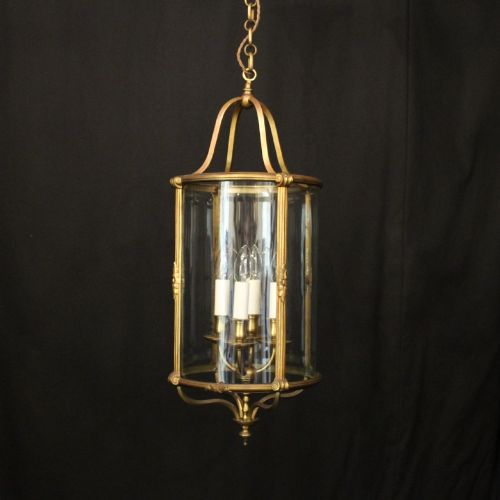
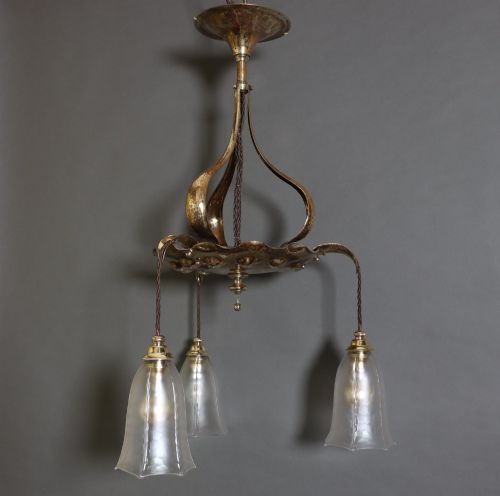
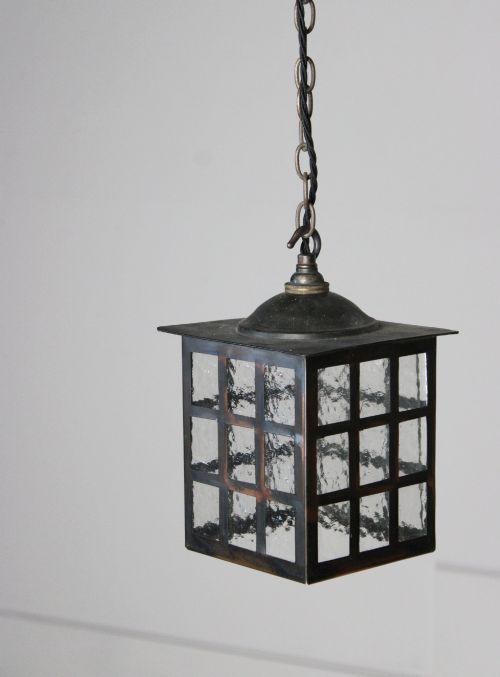
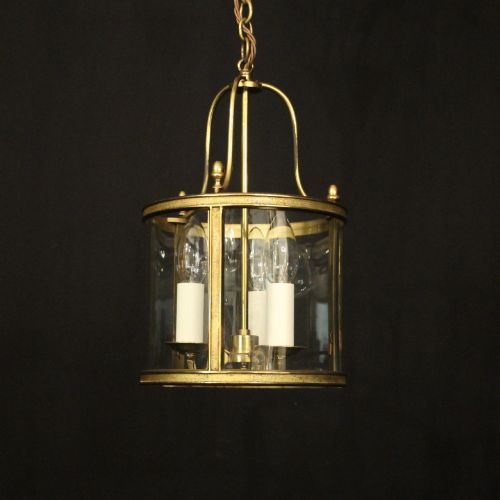
Antique Ceiling Lantern
An antique ceiling lantern hangs in a hall or vestibule to cast a welcoming downward glow through glass and metal.
What an antique ceiling lantern is
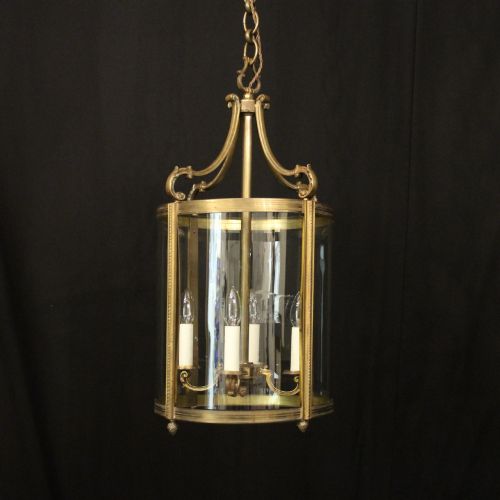
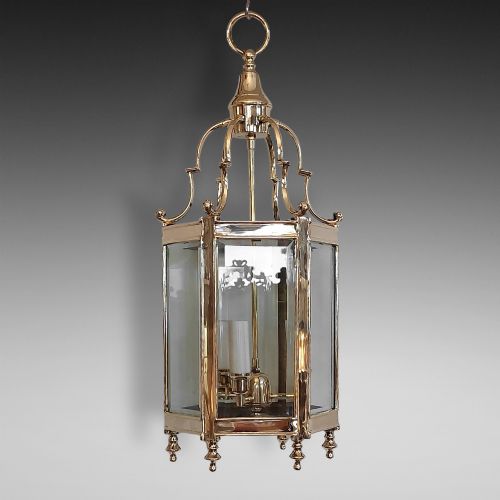
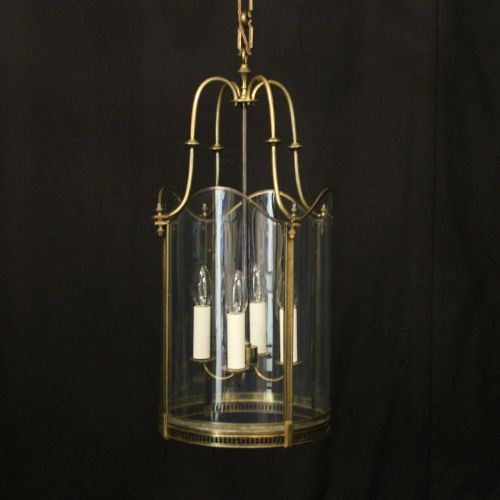
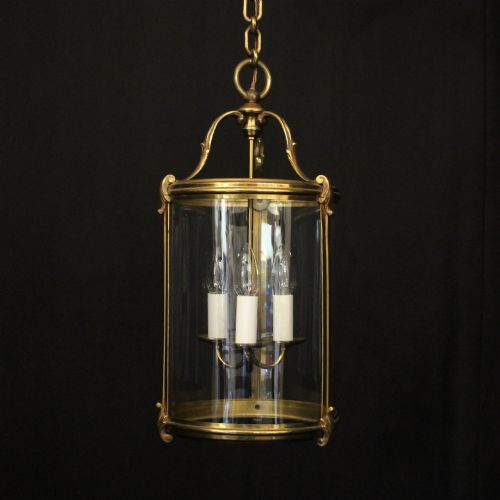
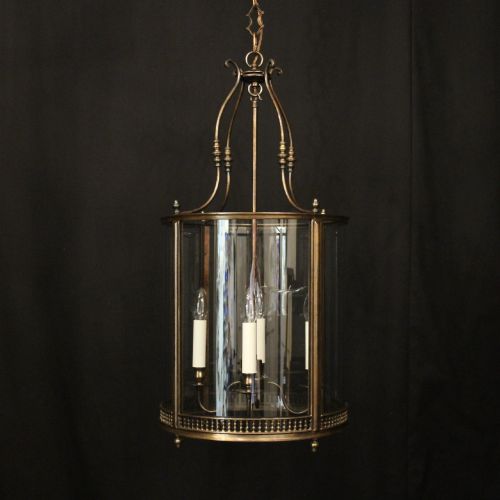
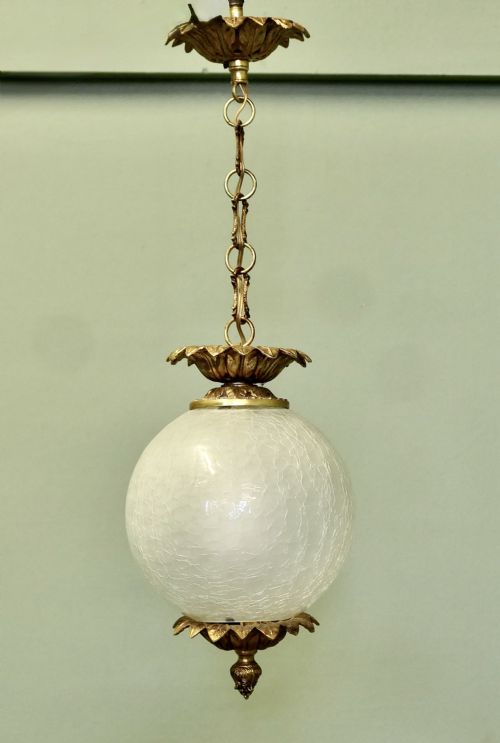
An antique ceiling lantern is a hanging light fixture designed to illuminate entryways, hallways and corridors with period character. These pieces range from compact brass hall lanterns to larger multi-light fixtures intended for high ceilings.
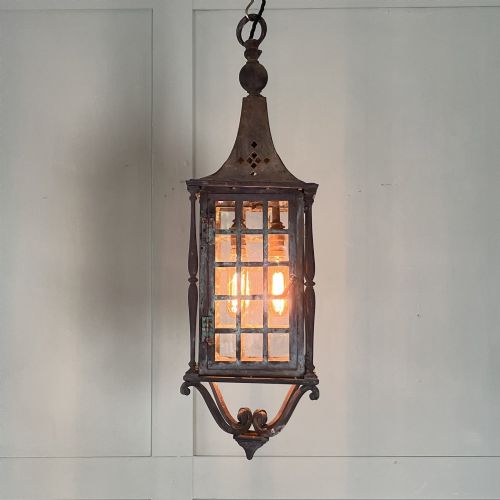
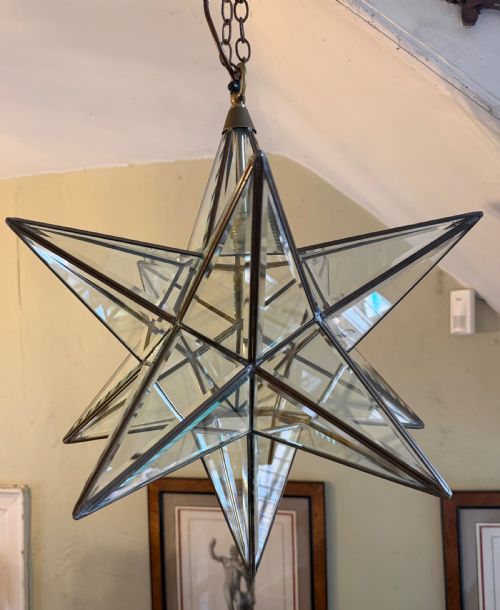
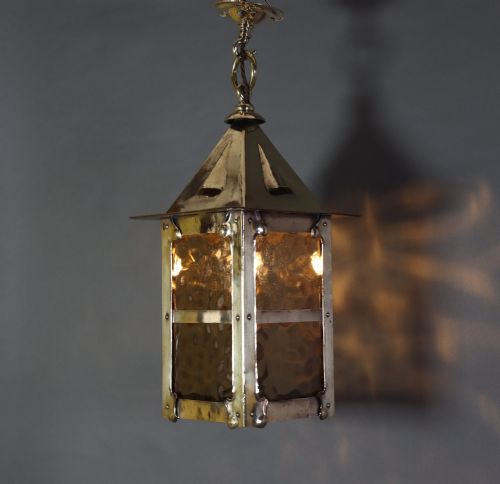
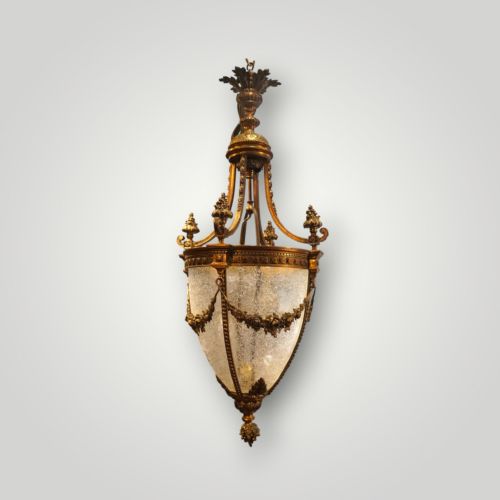
Buyers browsing for an antique ceiling lantern will most frequently encounter brass and gilt metal frames fitted with glass panels, spanning periods from the mid-nineteenth century through to the interwar years.
The selection includes regional interpretations such as French gilt designs, Italian rustic three-light fittings and English Edwardian brass shapes. Each style brings a distinct architectural presence to domestic spaces.
How they were made
Makers constructed these lanterns using structural metals such as brass, gilt metal, wrought iron and painted toleware. Metalwork frames were cast, forged or soldered together to form secure cages and decorative mounts.
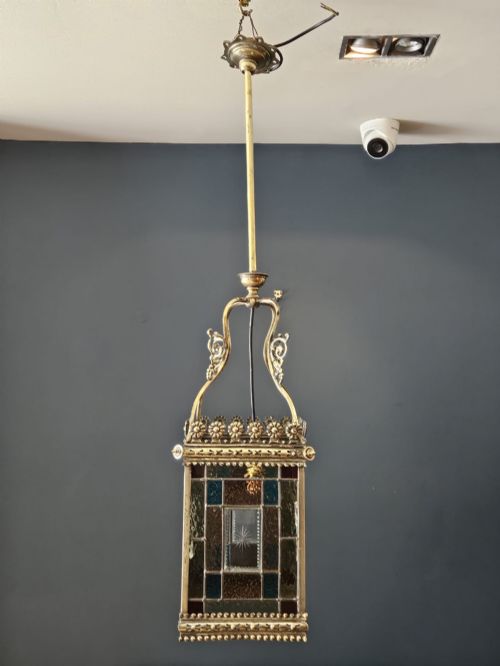
Glazing involved fitting clear, etched or stained glass panels into the metal frameworks, often secured by internal clips or hinged doors. Gilt finishes and polychrome paint were applied to metallic surfaces for decorative enrichment.
Retail Price Guide 2026
Typical UK retail prices for ceiling lantern, calculated from the Sellingantiques database of over a million retail prices indexed since 2003. This retail price guide relies exclusively on Sellingantiques data; no external sources or auction records are used, so the figures do not describe the wider market.
Several lanterns feature functional little doors designed so past householders could reach inside and light the candle.
What varies in quality
Quality in these lanterns rests upon the heft of the metalwork and the crispness of any cast or chased detailing. Heavier brass frames and intricate gilt metal mounts distinguish more ambitious pieces from simpler utility lights.
The character of the glass plays a major role, with etched or stained panels showing a higher degree of craft than plain flat glass. Original surface patination and intact finishes also separate well-preserved examples from altered pieces.
The Antique Ceiling Lantern Glossary
- Toleware
- Painted or lacquered sheet metal often finished in polychrome colours. This material appeared on decorative lighting fixtures from the early twentieth century.
- Gilt Brass
- Brass that has been treated with a thin layer of gold leaf or gilt wash. This finish provided a rich, reflective surface for hall lighting.
- Etched Glass
- Glass decorated with acid or abrasive materials to create opaque patterns on the surface. It softens the glare of internal bulbs while adding textural detail.
Frequently Asked Questions
Where should I hang a ceiling lantern?
These lanterns suit entrance halls, stairwells and high-ceilinged corridors where their vertical drop can be fully appreciated. They provide focused downward illumination rather than broad ambient light.
Ensure you hang the fixture at a sufficient height to allow clearance underneath, particularly above doorways or heavy traffic routes.
How do I clean an antique lantern?
Dust the glass panels and metal frame regularly with a dry, soft cloth to prevent grime accumulation. Avoid harsh chemical cleaners that can strip original gilding or patina from the metal.
Take care around delicate etched glass or painted toleware surfaces to preserve the original finish.
How do I identify the period?
Examine the materials, construction methods and stylistic cues such as Gothic Revival or Edwardian details to gauge the era. Heavier cast brass and specific decorative motifs align with nineteenth and early twentieth-century manufacturing practices.
Compare the framing style and glass treatment against known examples from the same decades.