

Vintage Hall Lantern
A vintage hall lantern catches the light in a narrow entryway and sets the tone for an entire interior.
Vintage Hall Lantern
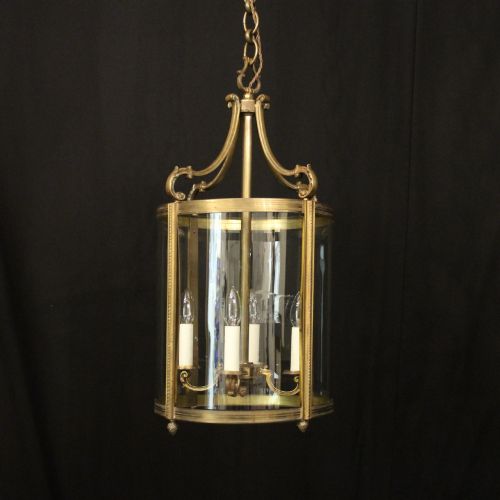
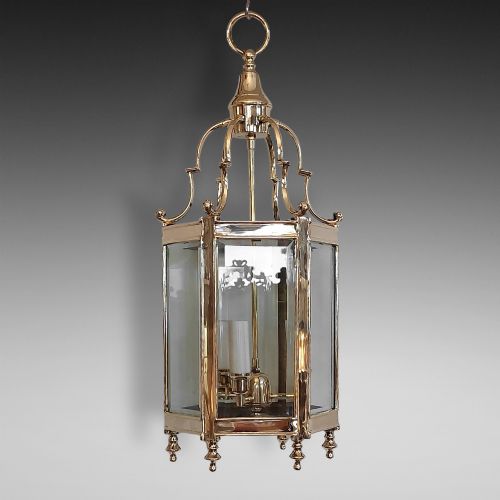
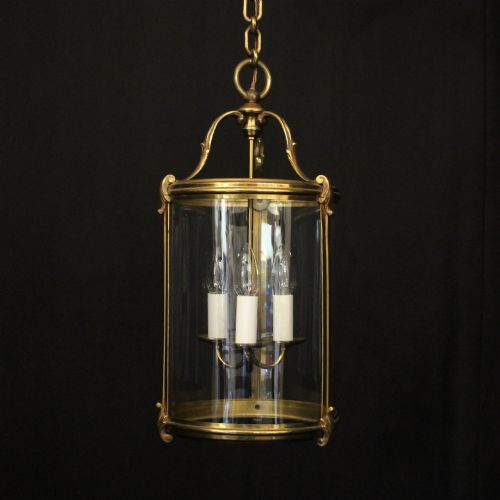
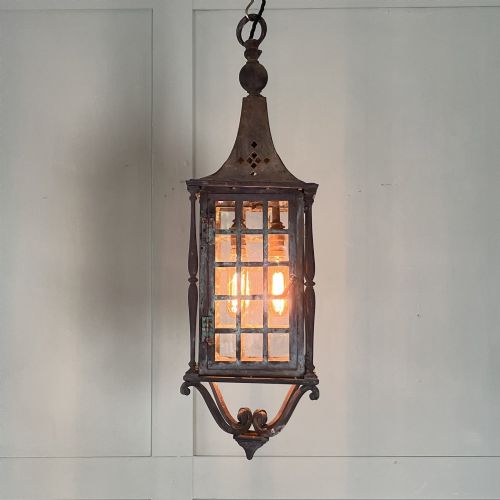
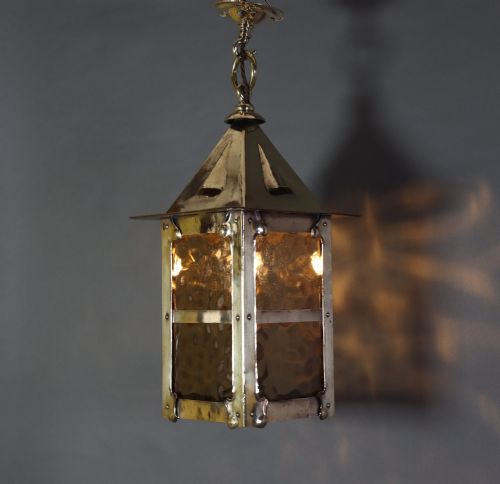
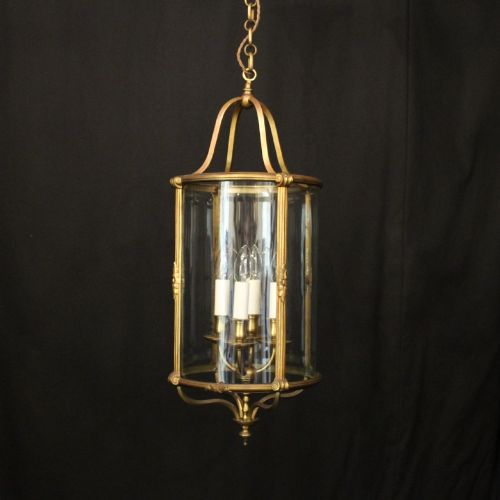
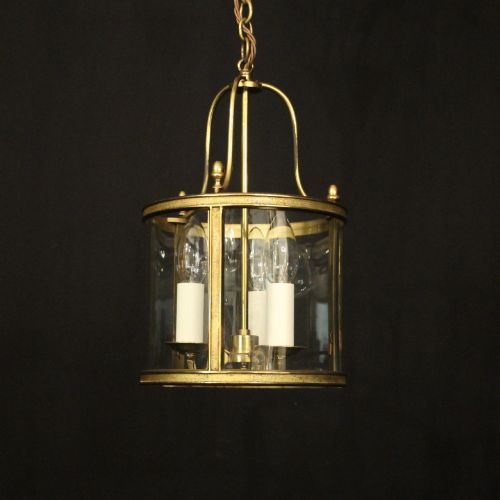
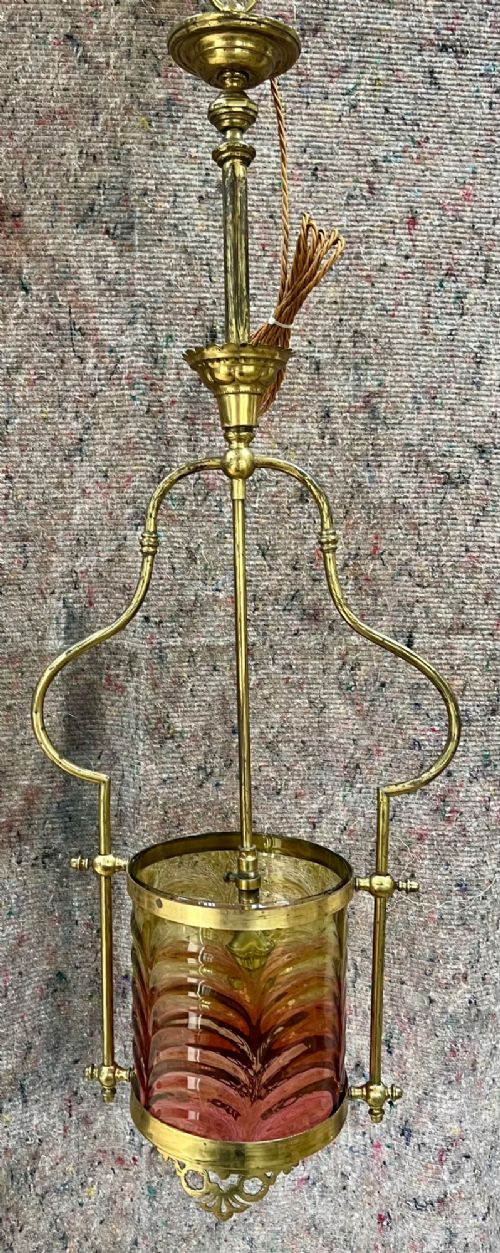
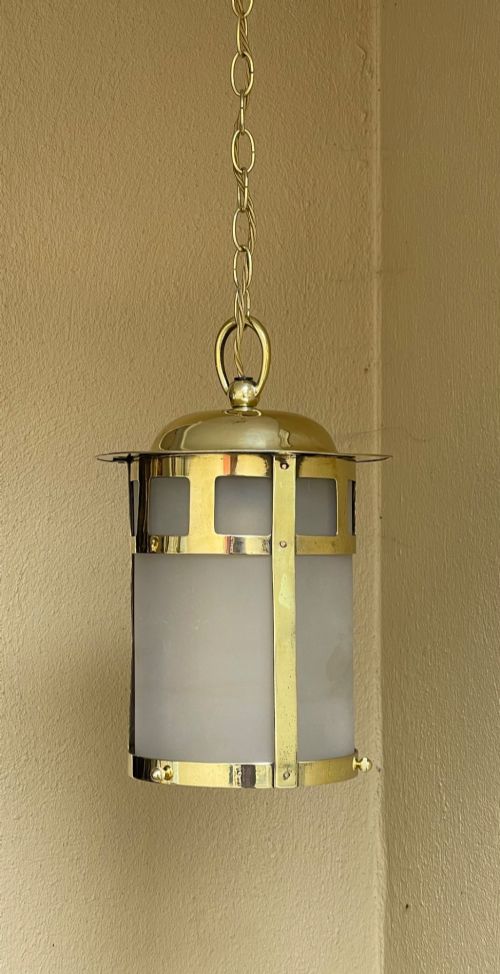
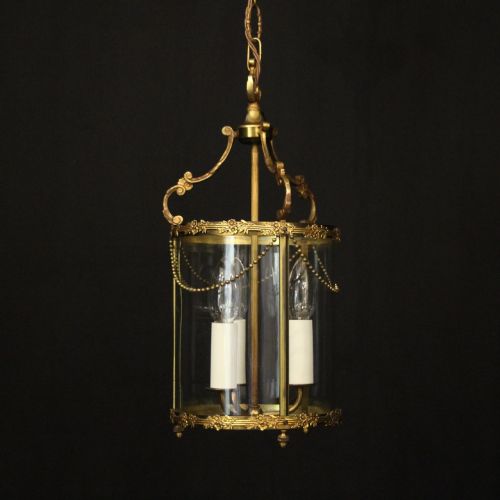
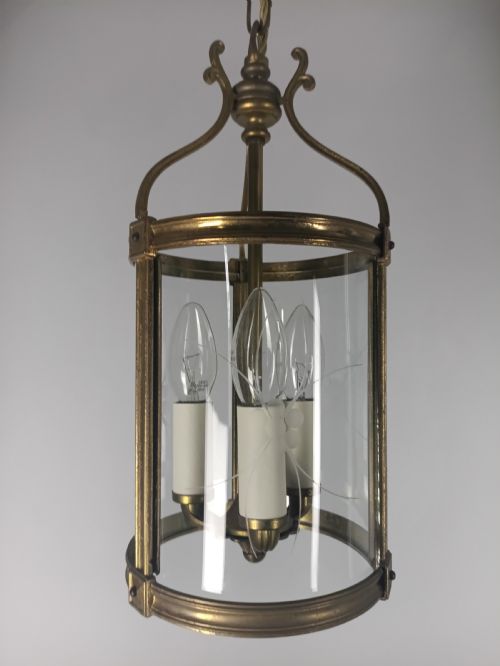
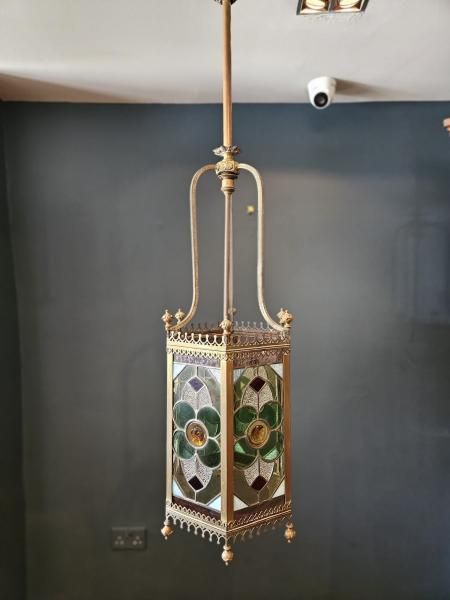
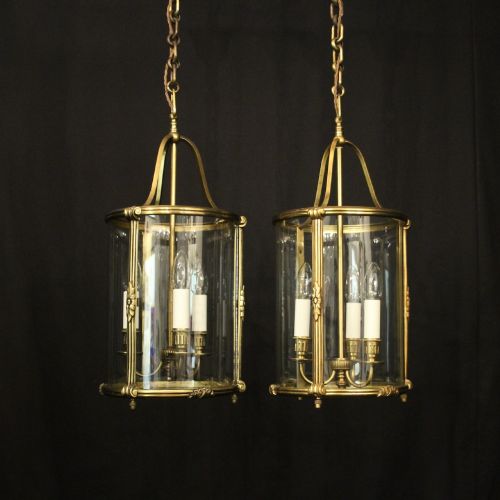
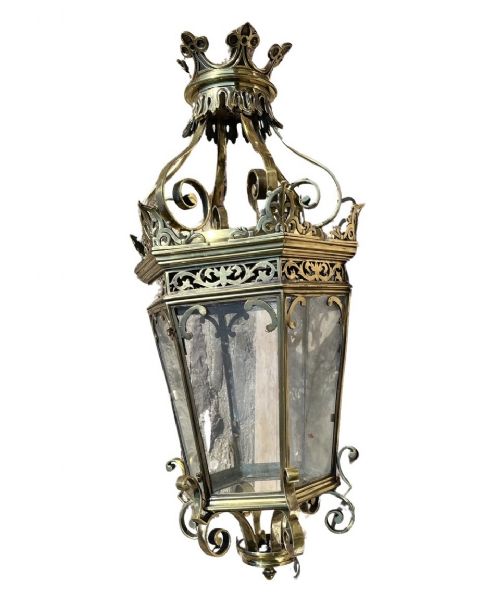
A vintage hall lantern is a ceiling-hung light designed specifically to illuminate corridors, vestibules and stairwells. The pieces collected here span the Victorian, Edwardian and early twentieth century periods, taking forms from simple hexagonal boxes to elaborate multi-light fixtures. Most examples meet the eye as brass or bronze frames enclosing clear, etched or convex glass panels.
The buyer meets many French models on this page, often finished in gilt brass or bronze with triple bulb fittings. English designs also appear frequently, particularly Arts and Crafts brass lanterns and Edwardian geometric shapes. Whether simple or ornate, each piece serves to cast welcoming illumination from above without cluttering floor or wall space.
How they were made
The construction of these lanterns relies on metalwork framing combined with glazed panels. Makers shaped brass, bronze and wrought iron into structural cages designed to hold glass safely overhead. Many examples incorporate hand-blown components such as bull's-eye lenses or convex glass panels that diffuse the internal light source.
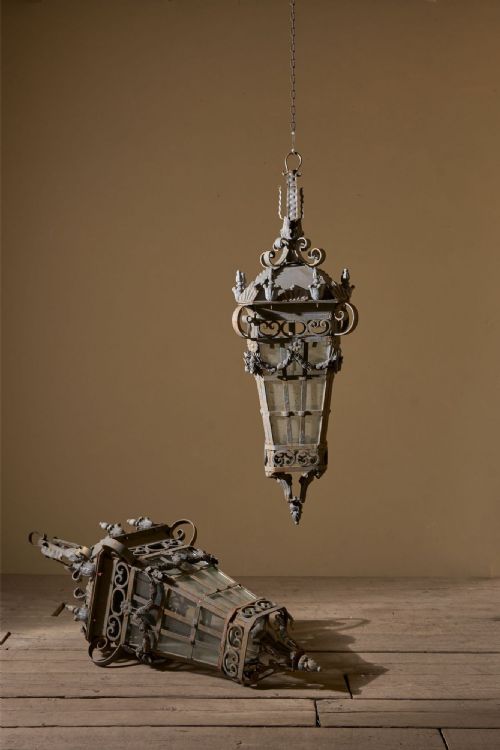
Surface finishes include gilding, patination and polished brass, depending on the stylistic demands of the period. Joints are typically soldered, riveted or screwed to withstand the weight of suspended glass and metal. Iron and zinc also feature in larger hanging outdoor or porch variants intended for robust service.
Vintage Hall Lantern Retail Price Guide 2026
Typical asking prices for vintage hall lantern among the pieces listed under this phrase on Sellingantiques today, from the lower quarter to the upper quarter. They describe what is for sale here now, not the wider market.
One historical lantern preserved here was once lit by candles before the advent of electricity.
What varies in quality
The division between standard production and superior craftsmanship lies in the weight of the metal and the clarity of the glass. Heavier cast bronze or thick brass frames maintain their rigidity over decades, whereas lighter sheet metal bends more easily under stress. Hand-blown bull's-eye glass or deeply etched panels denote workshop attention that mass-produced alternatives lack.
Detailing on the metal casting and the sophistication of the internal light fittings also separate the ordinary from the exceptional. Fine chasing on gilt bronze mounts or complex multi-light configurations indicate higher production tiers from specialised makers. The integrity of the original hanging loops and doors remains a marker of careful period assembly.
The Vintage Hall Lantern Glossary
- Convex glass
- Curved glass panes that bulge outward to soften and disperse the light passing through them. These are commonly found on French hall lanterns from the early twentieth century.
- Bull's-eye glass
- Thick glass featuring a circular centre boss left by the blowing process. This historic technique creates distorted light patterns and adds texture to simple frames.
- Gilt bronze
- Bronze metal treated with a thin layer of gold leaf or gold wash. It offers a rich, enduring metallic lustre that resists tarnishing.
- Leaded glass
- Small panes of glass held together by strips of lead came. This traditional method permits geometric or stained glass patterns in hanging fixtures.
- Hexagonal lantern
- A six-sided lighting fixture that provides balanced light distribution. Edwardian makers frequently utilised this shape in brass.
- Arts and Crafts
- A design movement prioritising honest construction and visible materials. Lanterns from this tradition often display hand-beaten brass and simple structural rivets.
Vintage Hall Lantern: Frequently Asked Questions
How do I date a vintage lantern?
Dating relies on identifying material combinations, styles and construction methods typical of specific eras. Victorian examples often feature heavy leaded glass, while Edwardian pieces lean towards geometric brass frames.
French models from the 1920s and 1930s frequently employ gilt brass and convex glass panels.
Are these lanterns electrified?
Many surviving examples have been adapted for modern electrical wiring over the course of their history. Some listings retain older fittings or candle-style sockets from their initial period of use.
Buyers should inspect the internal wiring details in the descriptions to determine if rewiring by a qualified electrician is required.
Can I use these outdoors?
Most indoor hall lanterns are not sealed against weather and moisture. Robust iron or zinc variants designed for porches appear occasionally but require checking for exterior suitability.
Protected outdoor spaces sheltered from rain are generally the only appropriate setting for historic hanging lanterns.