
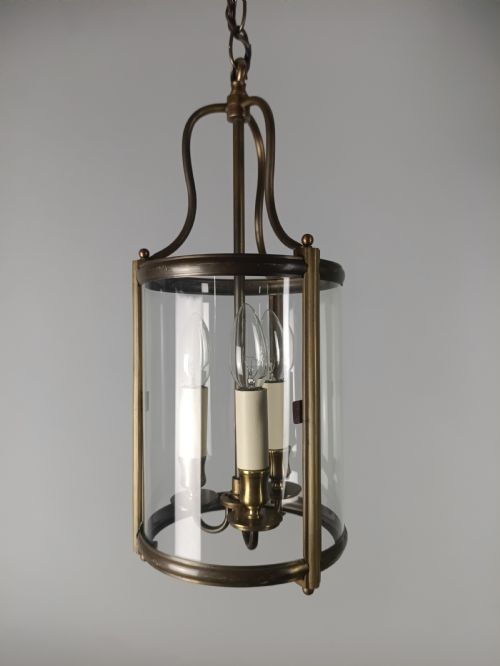
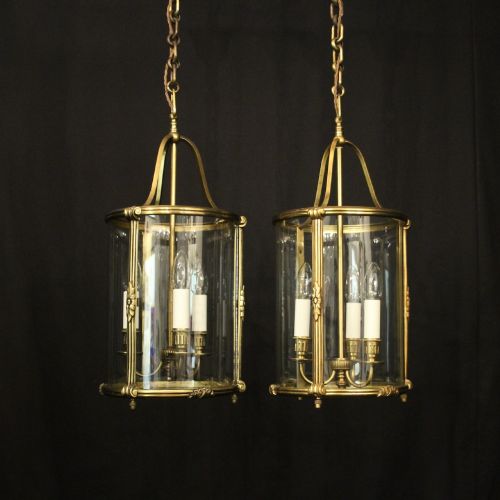


Glass Cylinder Pendant
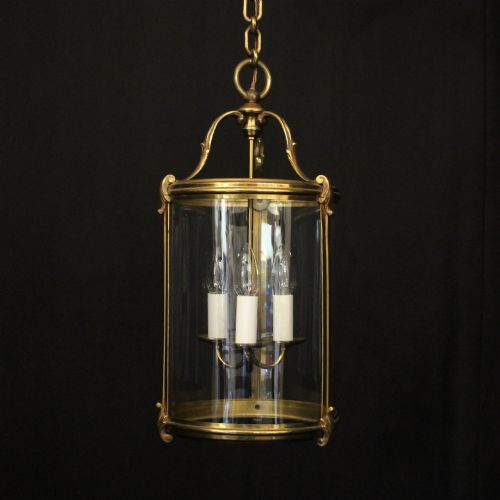
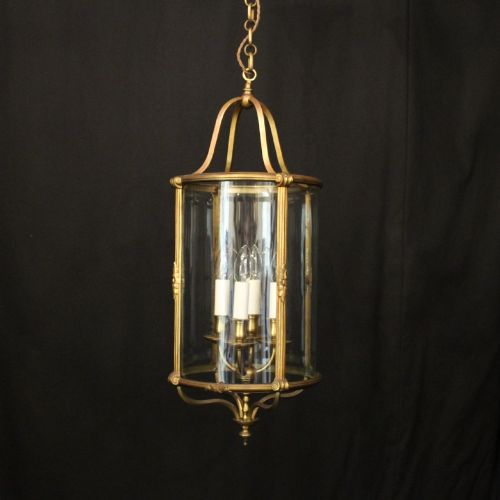
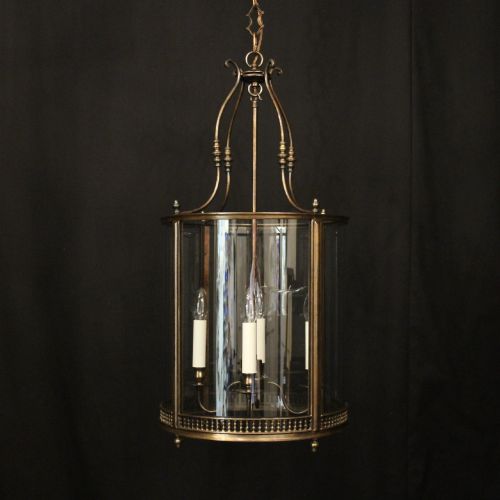
These glass cylinder pendant pieces are hanging lanterns and ceiling lights that bring period character to hallways and rooms.
Glass Cylinder Pendant
When you search for glass cylinder pendant, you encounter hanging lanterns, ceiling lights, and hall lanterns spanning from the Edwardian era through the nineteen-thirties. The selection includes French and English designs, featuring convex forms and multiple light configurations.
The version you are most likely to meet on this page is a French or English hall lantern or pendant light from the nineteen-twenties or nineteen-thirties. These pieces frequently employ brass, gilded bronze, or chrome alongside glass panels.
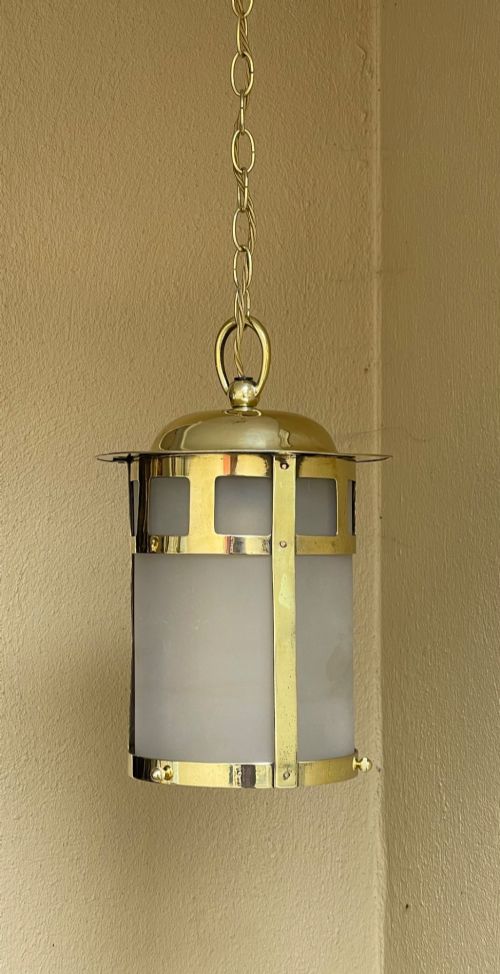
Makers and designers drew upon various aesthetic traditions, resulting in styles ranging from French Neoclassical and Art Deco to Arts and Crafts and English Regency. Their primary function remains illuminating entranceways and high-ceilinged interiors.
How they were made
Metals form the structural framework of these fixtures, with brass, bronze, and chrome providing durability and decorative metalwork. Gilding is common, adding a polished gold tone to bronze and brass elements.
Glass panels enclose the light sources, often shaped into convex forms to diffuse illumination evenly across the room. Frames incorporate detailed castings and mounts characteristic of French and English metalworking traditions.
Glass Cylinder Pendant Retail Price Guide 2026
Typical asking prices for glass cylinder pendant among the pieces listed under this phrase on Sellingantiques today, from the lower quarter to the upper quarter. They describe what is for sale here now, not the wider market.
Materials featured across the inventory include plain and gilded brass, bronze, chrome, and frosted glass.
What varies in quality
The refinement of the cast bronze or brass metalwork distinguishes finer examples from simpler utilitarian pieces. Crisp detailing on mounts and frames indicates superior craftsmanship during manufacture.
The integration of the glass elements within the metal cage affects the overall coherence of the design. Thicker cast frames and properly fitted convex glass panels represent a higher grade of production.
The Glass Cylinder Pendant Glossary
- Convex glass
- Glass formed with a curved, outward-bulging surface that refracts light in multiple directions. This form appears frequently in period hall lanterns.
- Gilded bronze
- Bronze metal coated with a thin layer of gold leaf or gilt finish. This technique adds a bright metallic sheen to the structural frame.
- Hall lantern
- An enclosed hanging light fixture designed specifically for entrance halls and corridors. They provide focused illumination from a ceiling suspension.
- Art Deco
- A design style prominent in the nineteen-thirties characterised by streamlined geometric forms and modern materials like chrome. It marks a shift from earlier ornate revivals.
- Arts and Crafts
- A movement prioritising traditional craftsmanship and simple forms over mass-produced ornamentation. Pieces from this tradition display honest construction and restrained decoration.
Glass Cylinder Pendant: Frequently Asked Questions
Where should I hang a glass cylinder pendant?
These pieces suit entrance halls, corridors, and high-ceilinged landings where overhead illumination is required. Their hanging design allows them to serve as a central focal point in narrow spaces.
Ensure adequate ceiling height for clearance when suspending them in domestic interiors. They provide sufficient downward and ambient light for transitional areas.
How do I identify a nineteen-twenties piece?
Nineteen-twenties lighting often incorporates French or English gilded bronze and brass frames with convex glass panels. Stylistic cues draw upon classical revival forms or early modern shifts.
Construction details such as cast metal mounts and heavier framing distinguish pieces from this decade. Rewired examples remain functional for contemporary electrical standards.
Can these ceiling lights be used with modern wiring?
Many period fixtures are adapted or rewired to meet modern electrical requirements while retaining their original frames. This ensures safe installation in contemporary properties.
Checking the wiring status helps determine if professional rewiring is necessary before mounting the fixture to your ceiling.