


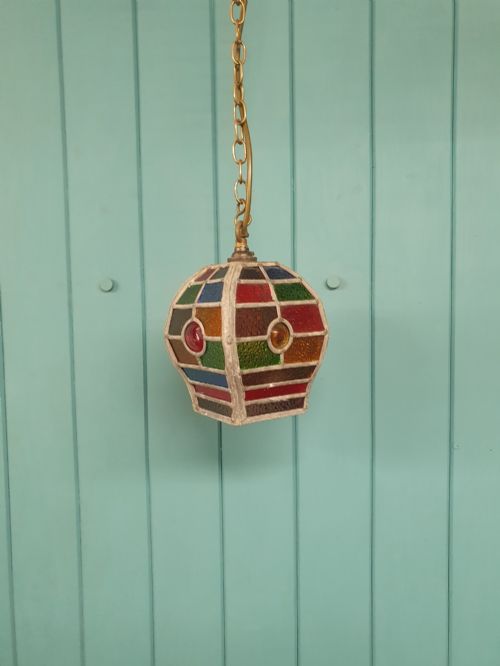

Edwardian Brass Lantern
An edwardian brass lantern brings a warm, period glow to a hallway or porch, offering sturdy metalwork and clear glass.
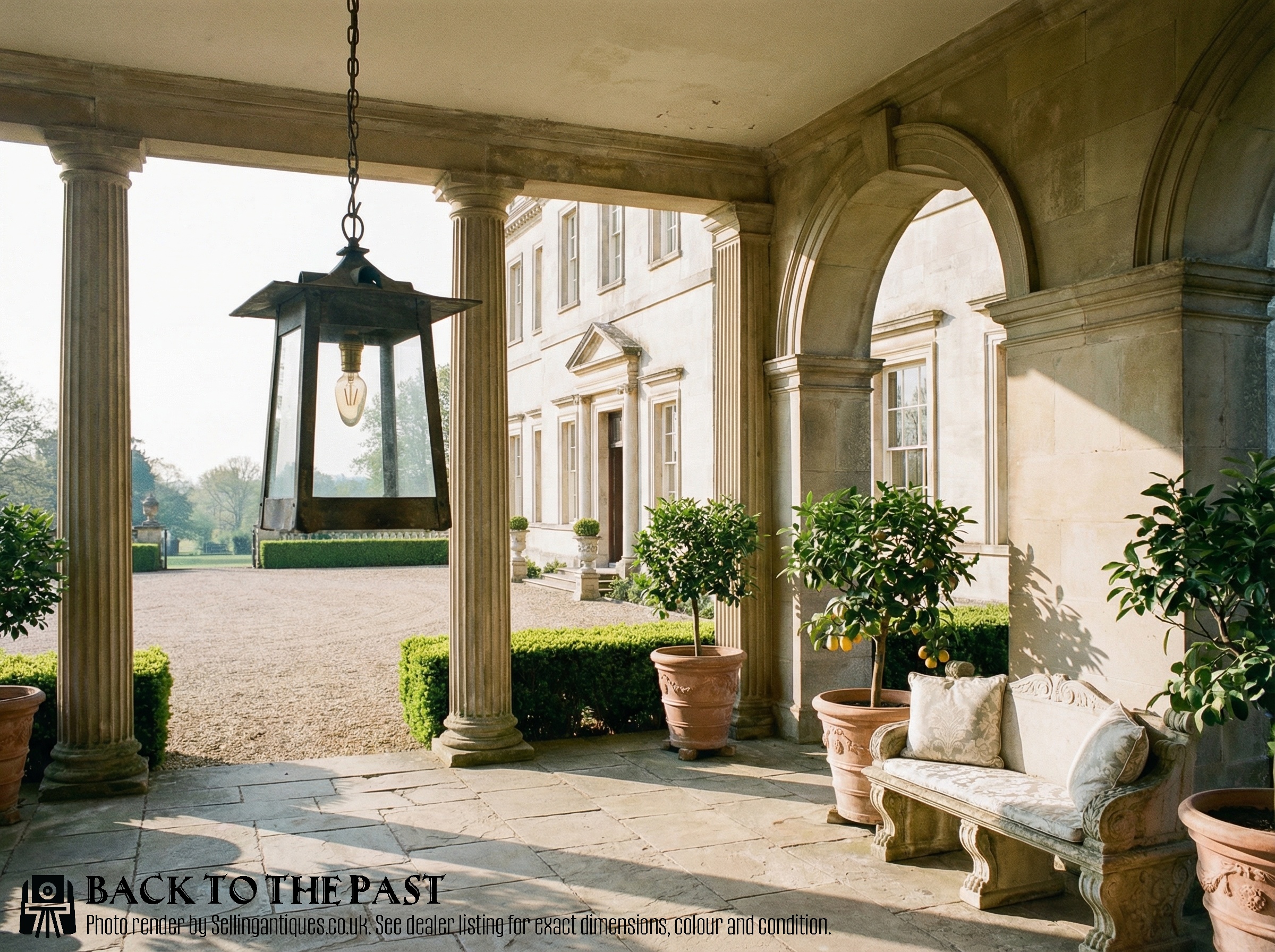
Edwardian Brass Lantern
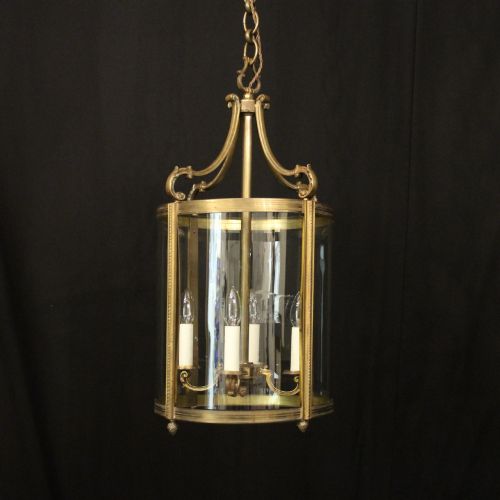
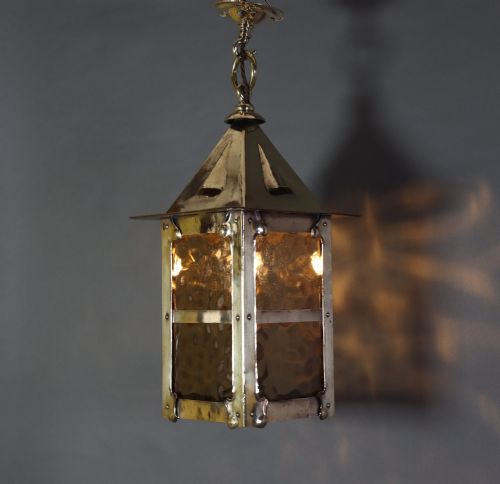
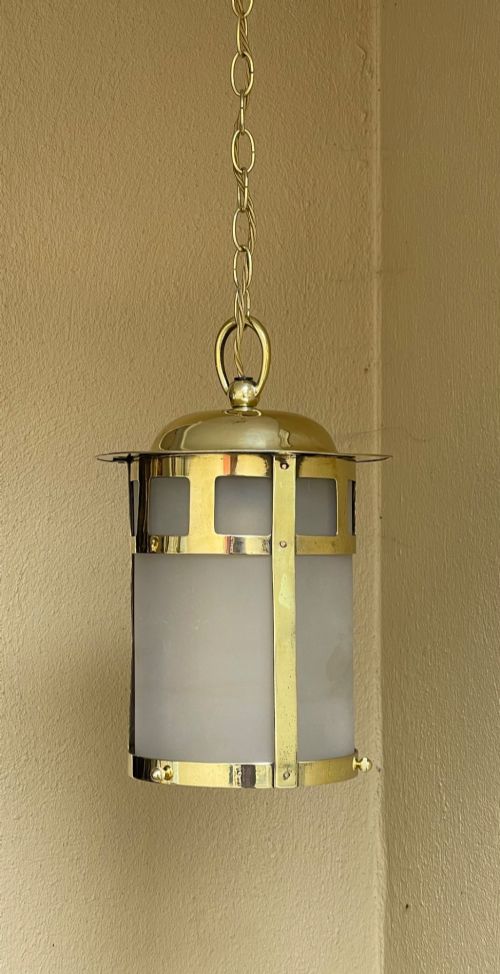
An edwardian brass lantern is a hanging or wall-mounted light fixture designed principally for entrance halls, stairwells, and porches. These pieces date predominantly from the early twentieth century, aligning with the Edwardian period, though related examples stretch from late Victorian times through the nineteen-twenties.
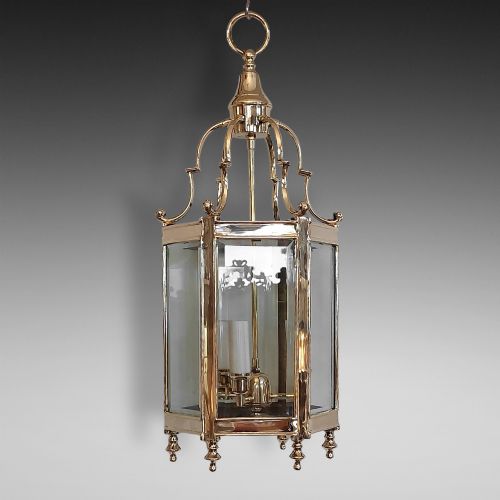
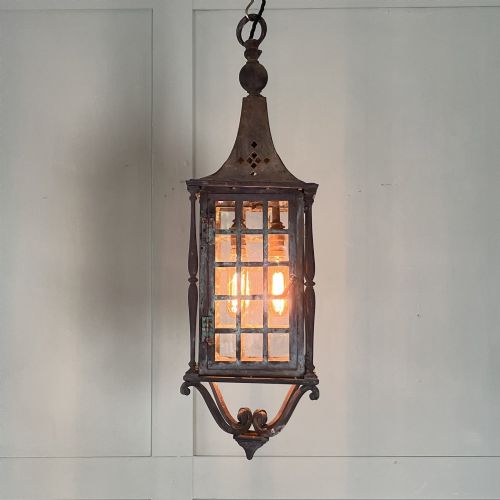
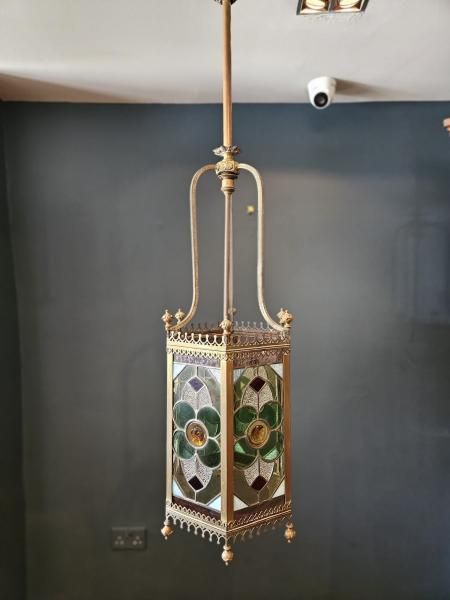
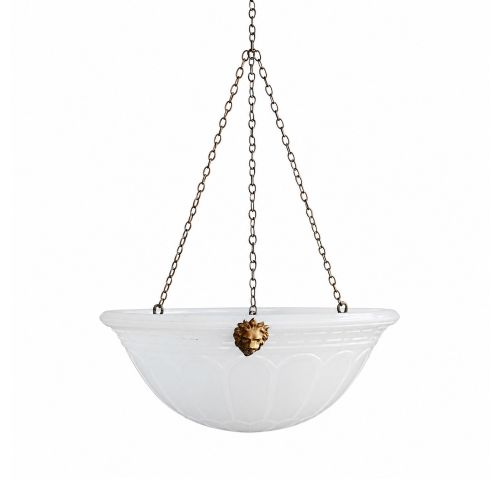
The form most frequently met on this page is the hexagonal or square hall lantern suspended by a chain, constructed with a brass frame holding glass panels. Alongside these domestic ceiling lights, buyers encounter wall sconces, porch lanterns, and occasional conversions from oil or paraffin lamps.
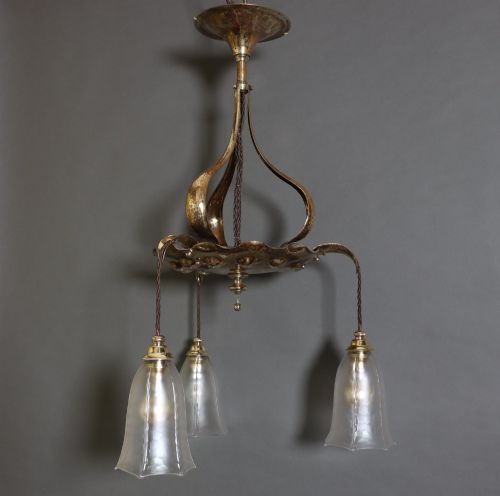
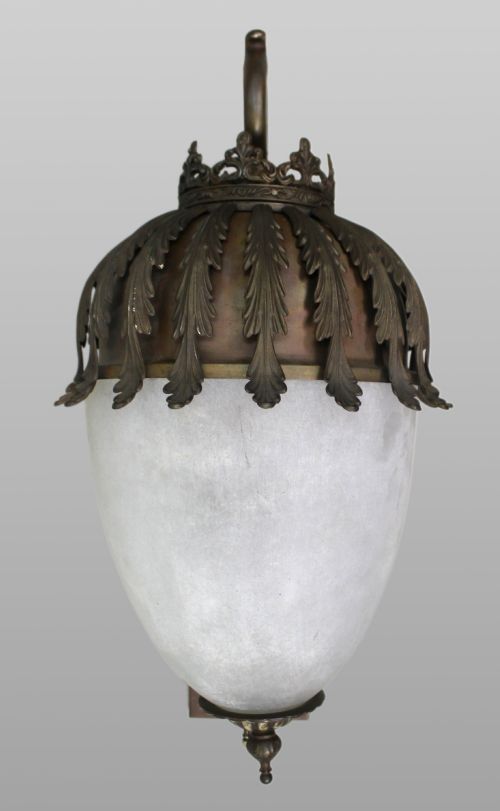
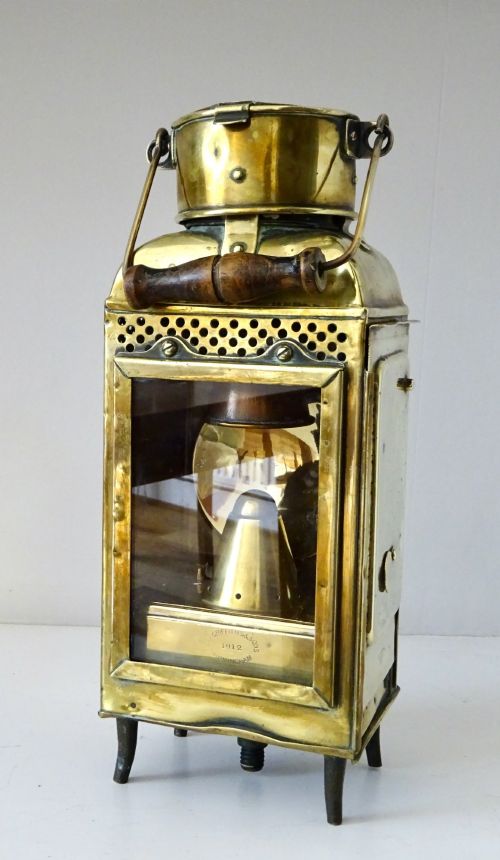
Makers and designers of the era drew upon diverse aesthetic currents, resulting in items ranging from utilitarian railway and coach lamps to refined Arts and Crafts creations and French-influenced gilded bronze pieces.
How they were made
Makers constructed the primary frames of these fixtures using cast or sheet brass, frequently combining copper, bronze, or steel components for structural support. Metalwork techniques included casting, pressing, and soldering individual brass sections to form rigid cages and decorative brackets.
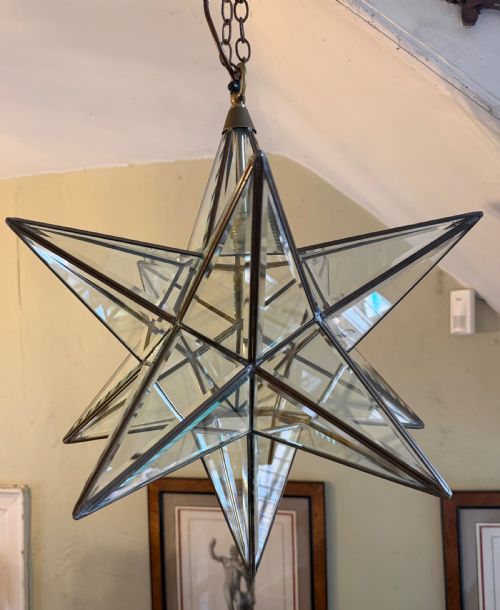
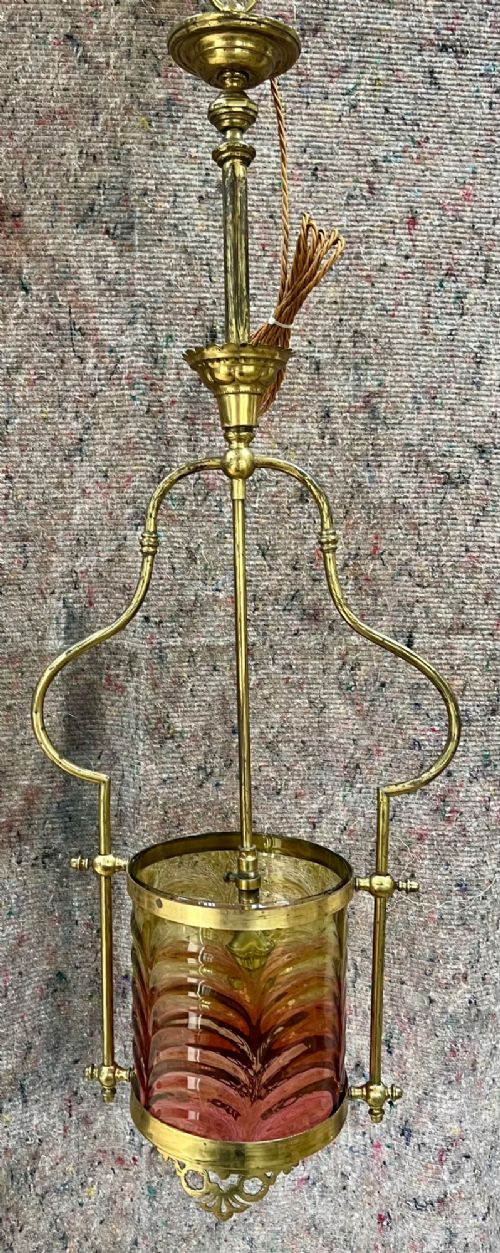
Glazing played an integral role in the manufacture, utilising bevelled glass, leaded panels, stained glass, frosted panes, or heavy moulded crystals held securely within the metal framework. Many original fittings housed oil or paraffin burners, featuring specialised mechanisms like Hinks burners before later conversion to electricity.
Edwardian Brass Lantern Retail Price Guide 2026
Typical asking prices for edwardian brass lantern among the pieces listed under this phrase on Sellingantiques today, from the lower quarter to the upper quarter. They describe what is for sale here now, not the wider market.
Materials span plain brass, copper, and bronze, alongside specialised glass types including bevelled, leaded, stained, and moonstone.
What varies in quality
The distinction between standard production items and top-tier examples lies heavily in the weight and thickness of the brass casting, alongside the complexity of the frame geometry. Hexagonal frames with crisp detailing and substantial suspension hardware indicate superior craftsmanship compared to thin, stamped sheet metal.
Glass selection significantly elevates an individual piece, with thick bevelled plates, leaded came work, or stained glass demonstrating higher artisan investment than plain flat glass. Furthermore, documented provenance from notable hotels, railway companies, or specific makers separates ordinary domestic lighting from collector-grade pieces.
Eli Griffiths and Sons
The Edwardian Brass Lantern Glossary
- Bevelled glass
- Glass panes featuring an angled, polished edge that catches and refracts light. This technique adds depth and sparkle to the perimeter of a lantern frame.
- Arts and Crafts
- A design movement prioritising traditional craftsmanship and simple forms over mass production. Pieces in this style often display honest construction and understated metalwork.
- Hinks burner
- A specific type of dual-wick oil burner commonly found in period lamps. Its presence indicates a piece originally designed for paraffin lighting.
- Gilded bronze
- Bronze metal treated with a thin layer of gold or gold-coloured leaf. This finish provides a rich, warm metallic tone distinct from standard polished brass.
- Hall lantern
- A compact hanging light fixture intended for narrow entrance spaces. These fixtures typically feature enclosed glass panels to protect the internal flame or bulb from draughts.
Edwardian Brass Lantern: Frequently Asked Questions
How do I hang a heavy brass lantern safely?
Heavy cast brass fixtures require direct attachment to ceiling joists using a steel mounting hook rather than relying on standard plasterboard fixings. Adequate weight support ensures the chain and wiring remain free from undue strain.
Consulting a qualified electrician is essential when hanging older fixtures to confirm the internal wiring meets modern safety standards while preserving the original metal body.
Can I convert an oil lamp to electricity?
Many period lanterns and oil lamps designed for paraffin can be adapted for modern electrical bulbs. This process generally involves running a discreet flex cord through the existing burner assembly without altering the exterior brass.
Retaining the original burner parts ensures the historical integrity of the piece remains intact even after internal rewiring.
How should I clean antique brass?
Cleaning antique brass requires gentle dusting and occasional wiping with a soft, dry cloth to preserve the natural aged patina. Harsh chemical polishes strip away the historical surface finish that collectors value.
If the metal requires deeper cleaning, mild soapy water dried immediately with a soft cloth prevents moisture spotting on the brass and glass panels.
Were these lanterns meant for outdoors?
While some robust brass and copper designs served as porch or carriage lamps exposed to the weather, many hall lanterns were strictly indoor domestic fixtures. Examining the framing and sealing helps determine whether a piece was built to withstand outdoor elements.
Indoor hanging lights typically feature delicate glass channels and decorative metalwork unsuited to heavy rain and sustained dampness.