

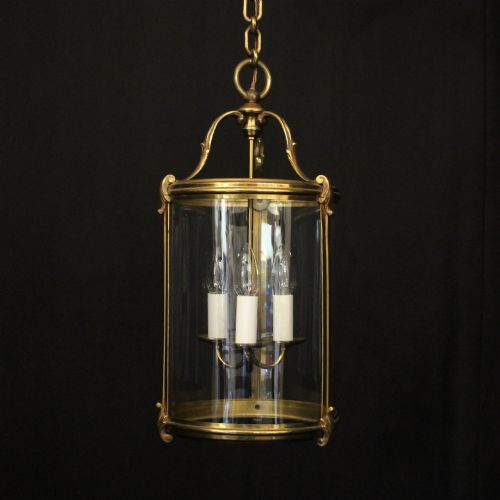
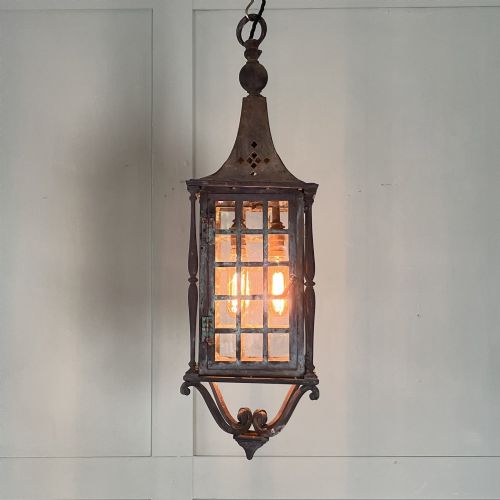
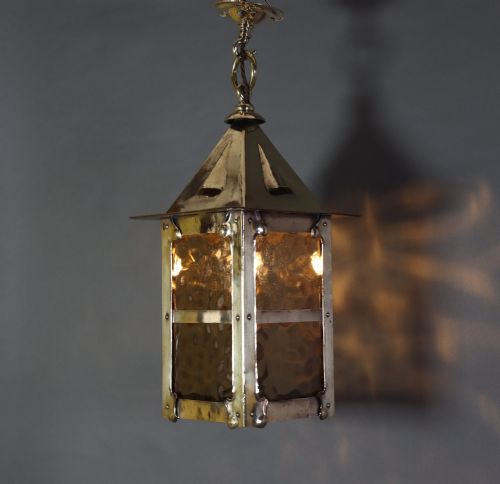
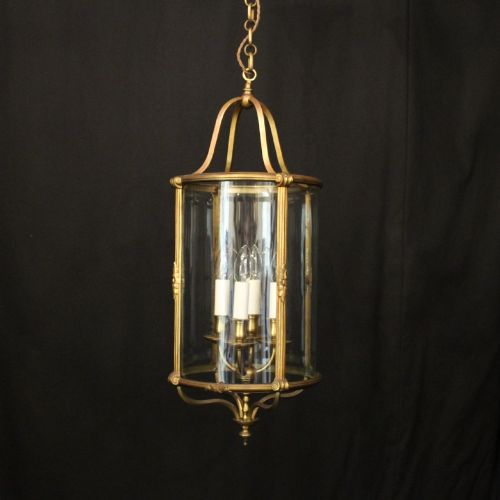
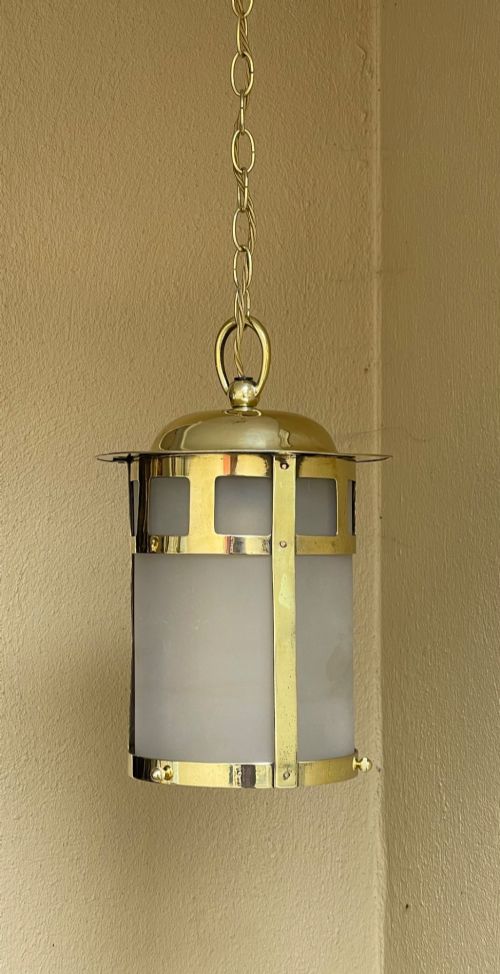
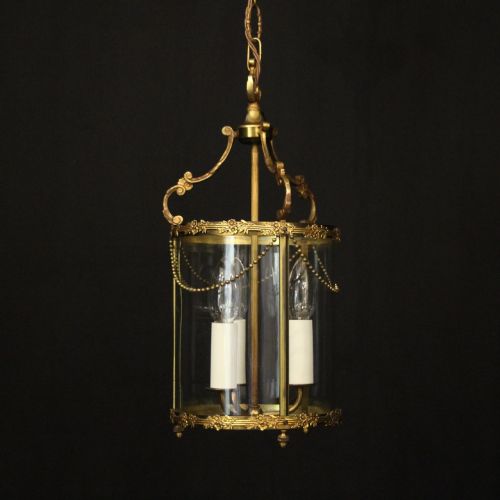
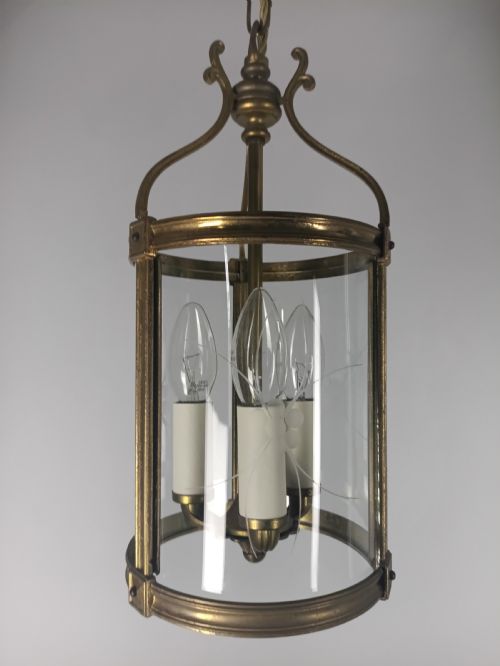
Glass Hall Lantern
A glass hall lantern commands an entryway with enduring presence, casting a clear, welcoming light from the moment the front door opens.
The Form and Period of Glass Hall Lantern
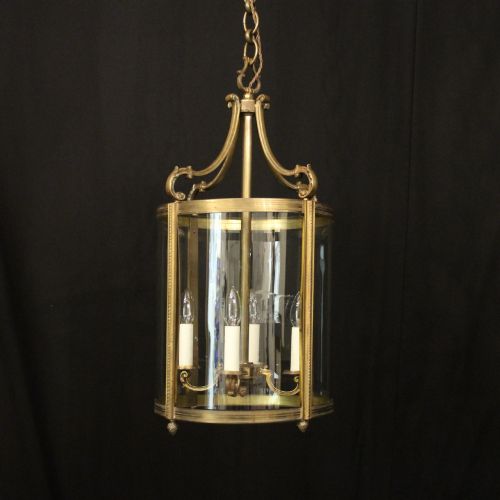
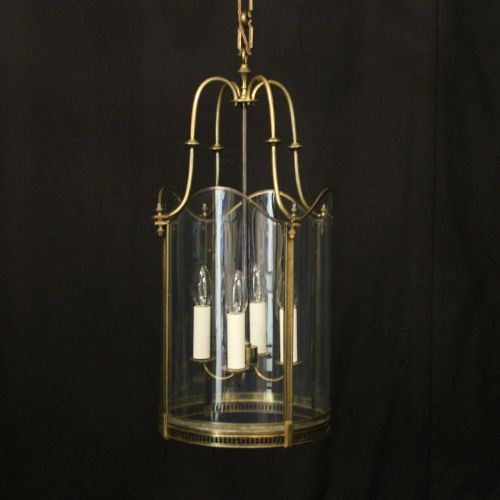
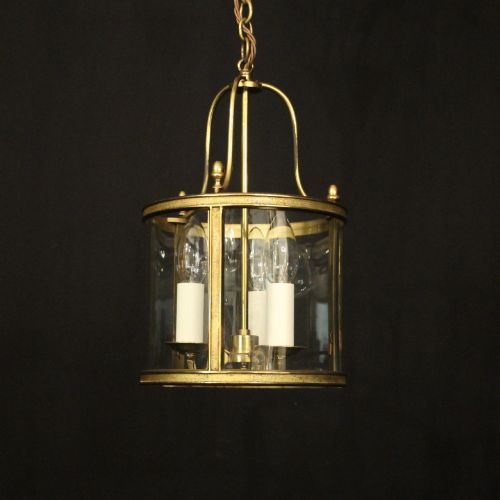
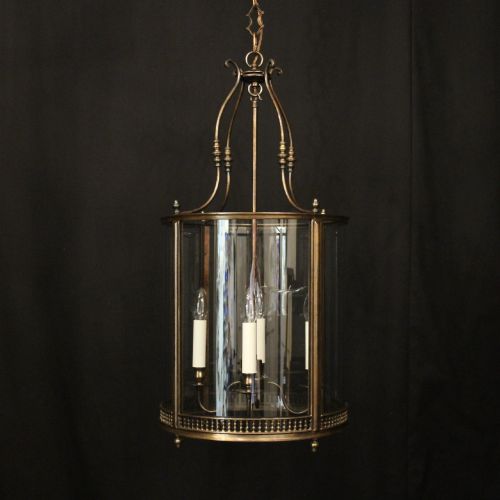
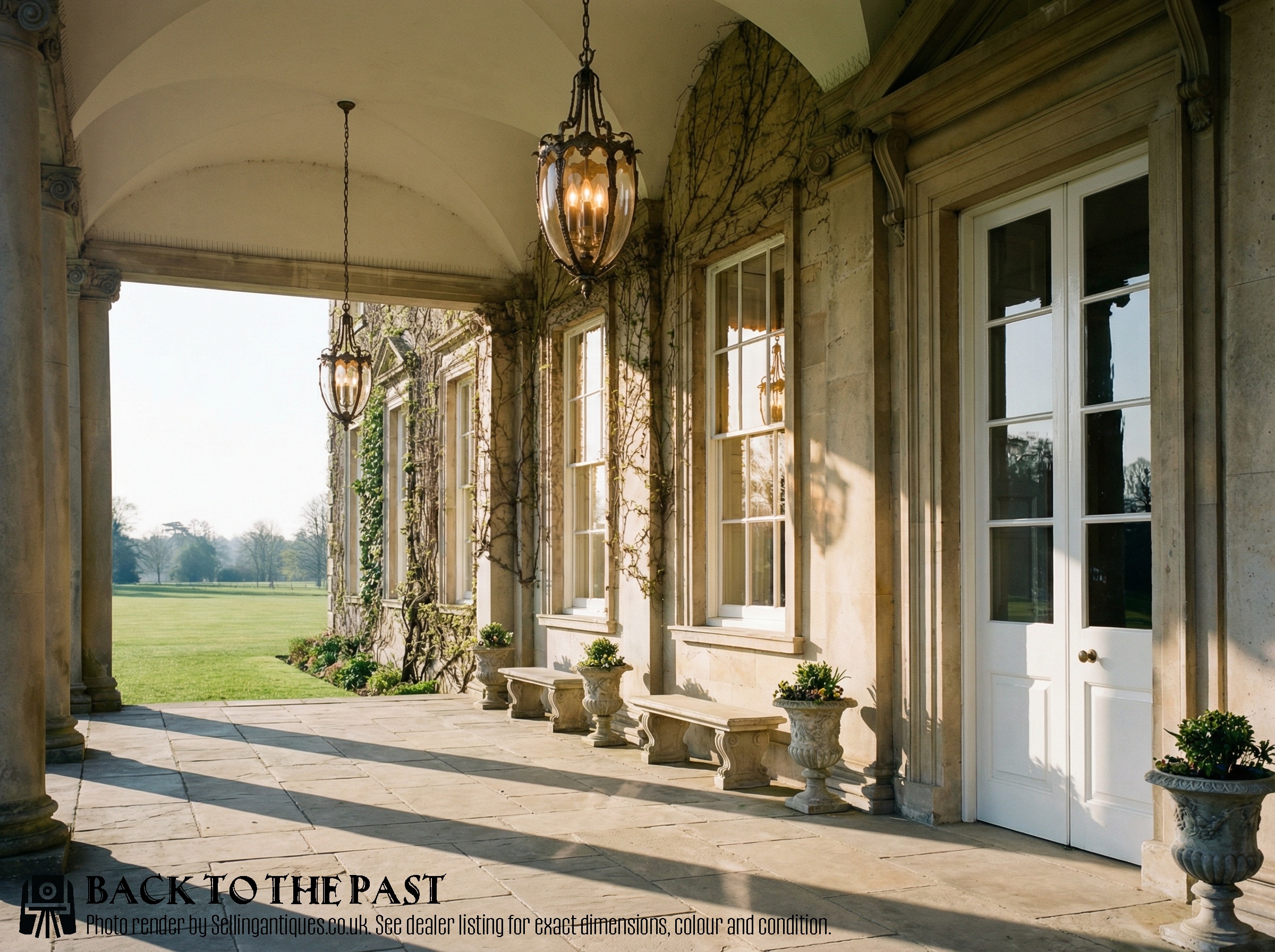
A glass hall lantern serves as a primary ceiling-hung light fixture designed specifically for entrance halls, vestibules, and stairwells, where illumination must be both practical and welcoming. The pieces seen across the archive and current listings span from the late nineteenth century through to the art deco era, encompassing Edwardian, Victorian, and twentieth-century examples.
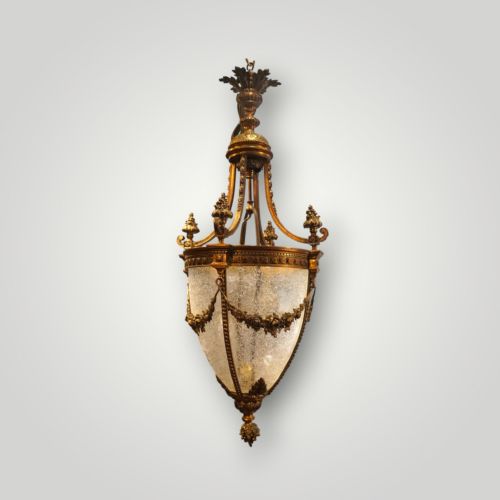
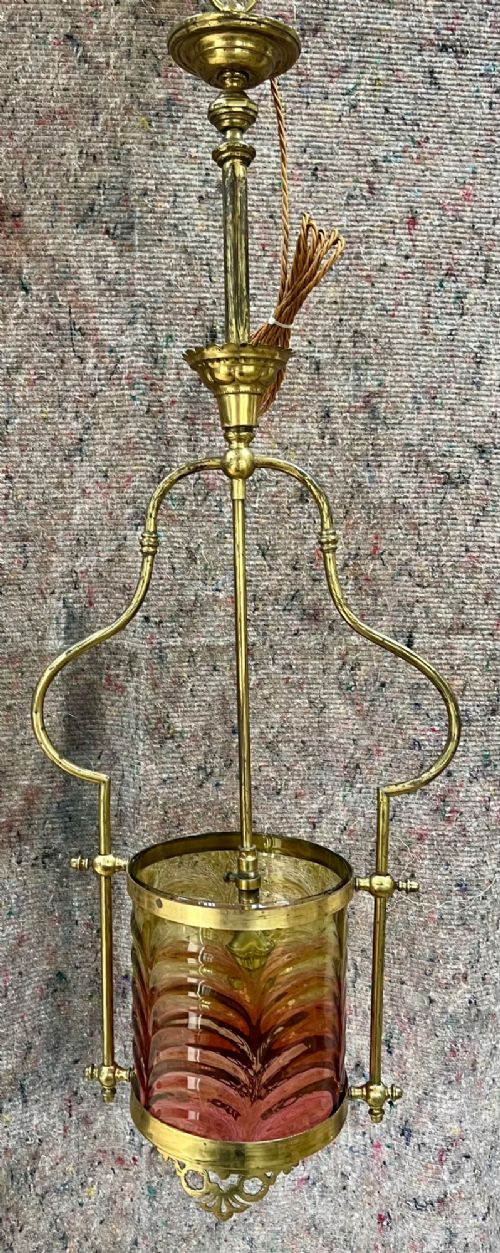
Most frequently, you will encounter brass frames paired with glass panels, though bronze, gilded bronze, cast iron, and patinated copper also appear. The predominant styles range from English Arts and Crafts and Aesthetic Movement designs to French Rococo and Chateau interpretations, each offering distinct architectural character to a ceiling light.
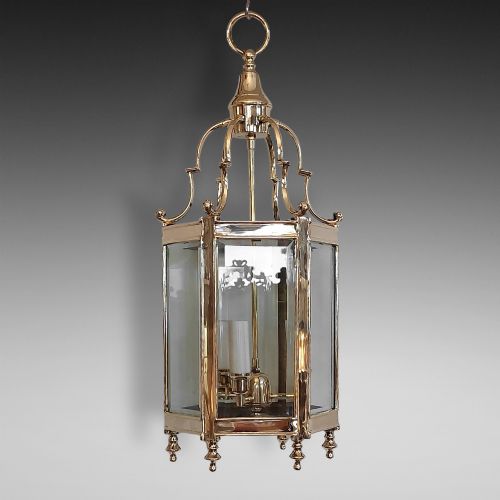
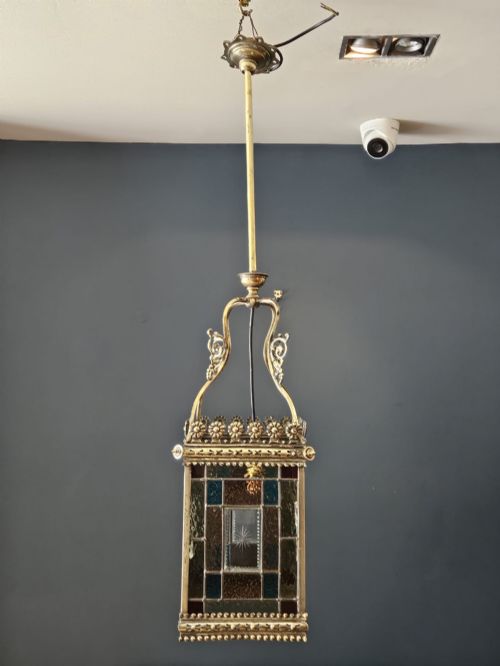
The physical form varies considerably, from petite hexagonal and square lanterns housing a single bulb to large triple-light French fixtures and expansive pendant forms. Whether fitted with plain bevelled glass, coloured Bristol blue panes, or intricate stained and leaded panels, these lanterns fulfil their original architectural role of lighting a thoroughfare.
Distinctions in Quality
Quality in a glass hall lantern is determined by the weight and casting finish of the metal frame, alongside the complexity and thickness of the glass panels. Finer examples display crisp casting details in the brass or bronze, intricate hand-cut facets in the glass, and substantial multi-light internal fittings.
The integrity of the construction and the retention of original components, such as bevelled or stained glass panes and period suspension loops, elevate an example above standard production pieces. Superior works demonstrate meticulous assembly where the metal armature and glass panels integrate seamlessly without unnecessary modern reinforcement.
Retail Price Guide 2026
Typical UK retail prices for glass hall lantern, calculated from the Sellingantiques database of over a million retail prices indexed since 2003. This retail price guide relies exclusively on Sellingantiques data; no external sources or auction records are used, so the figures do not describe the wider market.
Recorded pieces span brass, bronze, gilded bronze, and cast iron, paired with clear, cut, frosted, stained, and Bristol blue glass.
The Glass Hall Lantern Glossary
- Hexagonal lantern
- A six-sided hanging light fixture that distributes illumination evenly across a wide hallway or porch. This geometry is frequently seen in Edwardian and early twentieth-century brass designs.
- Bristol blue glass
- A deep, rich cobalt blue glass historically produced in Bristol and utilised in nineteenth-century lantern panels for coloured light effects. It appears in Victorian hall light examples.
- Lead came
- The narrow grooved strips of lead used to hold individual pieces of stained or coloured glass together in decorative window and lantern panels. This technique is prominent in Arts and Crafts pieces.
- Bevelled glass
- Glass panes featuring an angled, polished edge that refracts light into prismatic colours. It is commonly found on early twentieth-century and Victorian hanging hall lights.
- Gilded bronze
- Bronze metalwork treated with a fine layer of gold leaf or gilt finish to enhance decorative detail and lustre. This material is characteristic of French rococo style fixtures.
Frequently Asked Questions
How do I hang a hall lantern safely?
A glass hall lantern should be suspended from a sturdy ceiling joist using appropriate weight-bearing chains and hooks matched to the metal of the frame. Professional installation ensures the electrical components comply with current safety standards.
Because many vintage lanterns feature heavy brass frameworks and thick glass panels, securing the fixture directly to architectural timber rather than plaster alone is essential for long-term stability.
Are these lanterns wired for modern electricity?
Many surviving fixtures have been rewired for contemporary electrical standards while retaining their historic metal and glass housings. Standard lamp holders are typically fitted inside the frame to accommodate modern bulbs.
When inspecting a listed piece, check the description for notes on rewiring to determine if professional electrical updates have already been completed.
How do I clean an antique glass lantern?
Cleaning requires removing dust from the metal framework with a soft, dry brush and wiping glass panels with a gentle glass cleaner applied to a cloth. Avoid harsh chemical sprays that might damage patinated brass or bronze surfaces.
Care must be taken around leaded joints and delicate stained glass panels to prevent loosening the historic cames holding the glass in place.
What is the difference between Victorian and Edwardian lanterns?
Victorian lanterns frequently incorporate heavier cast brass, stained glass, and richly coloured panels such as Bristol blue, reflecting a taste for ornate and substantial decoration. Edwardian examples often favour lighter geometric proportions, clear bevelled glass, and restrained brass framing.
Arts and Crafts pieces from the turn of the century tend to emphasise hammered metal surfaces and leaded glass construction over classical ornamentation.