


Edwardian Hall Light
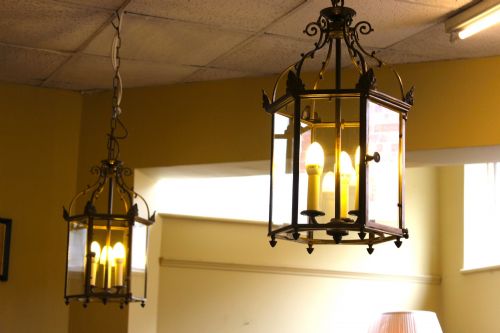
An edwardian hall light brings welcoming illumination to an entrance, combining period metalwork and glass to frame a classic threshold.
Edwardian Hall Light
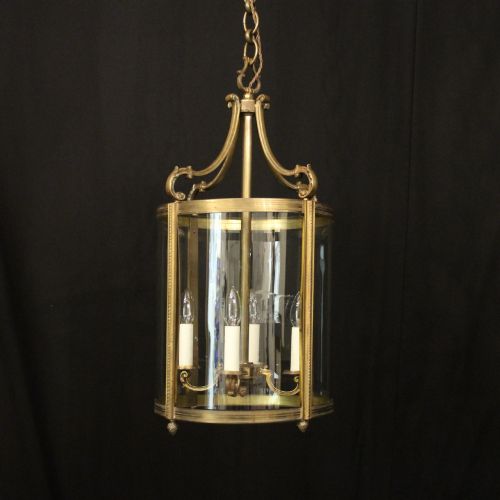
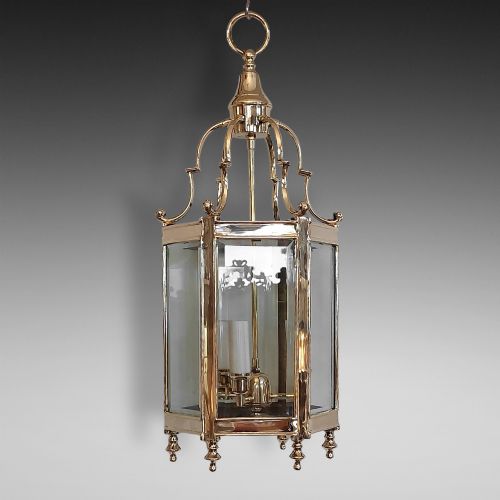
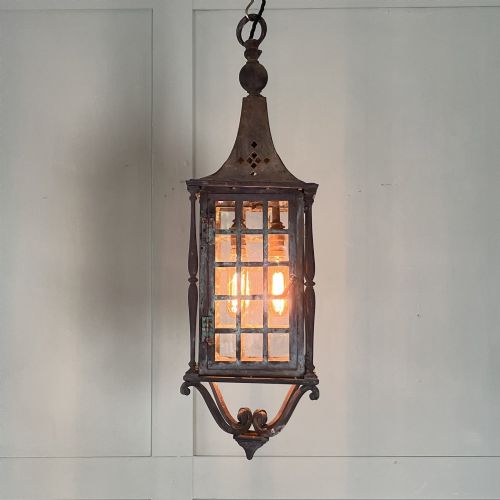
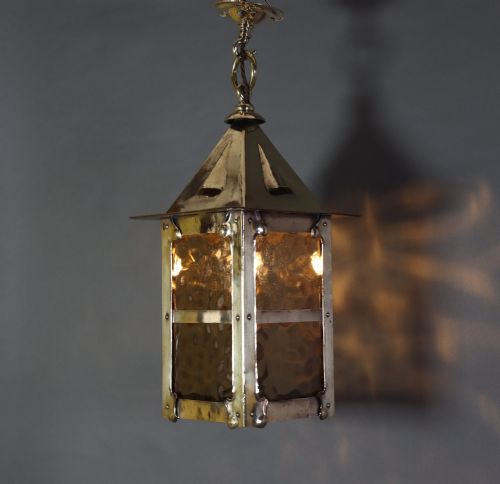
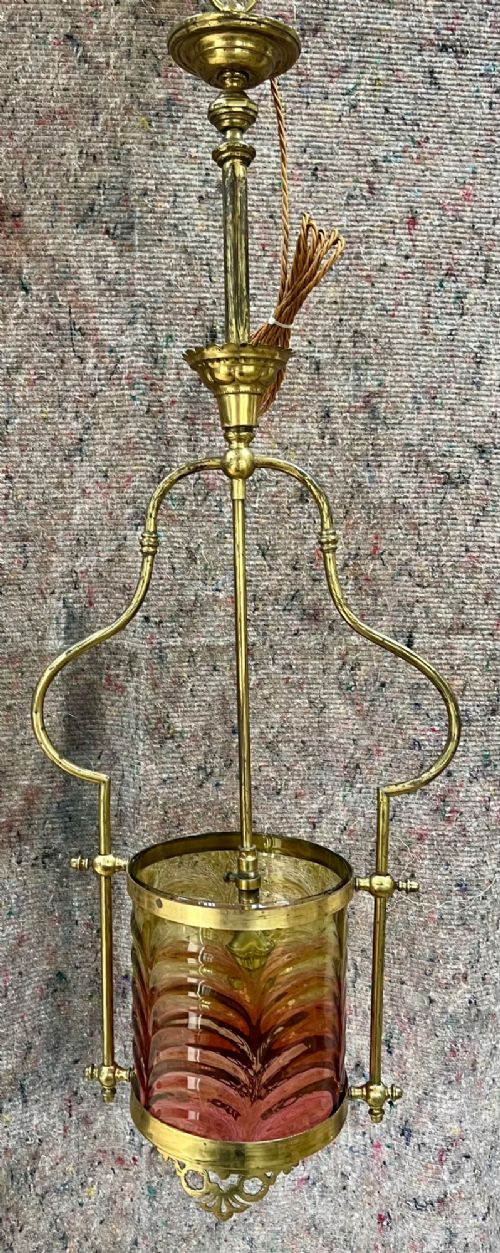
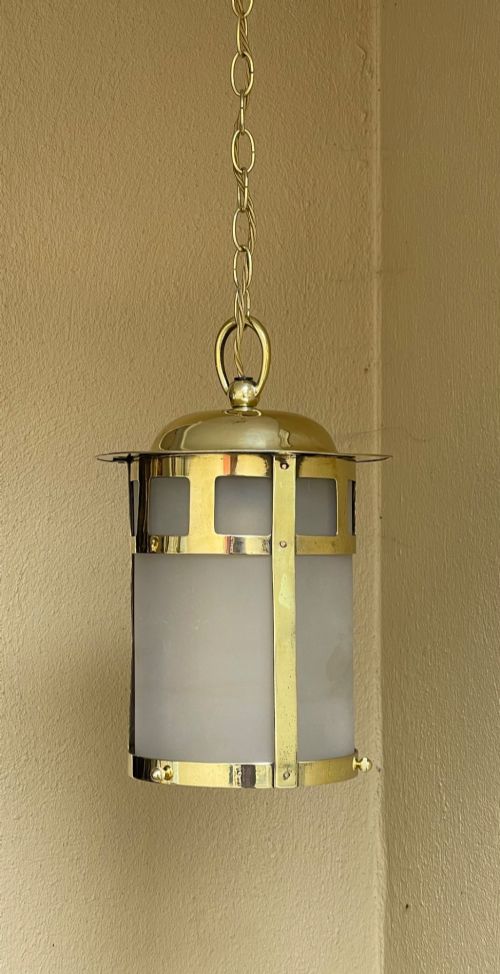
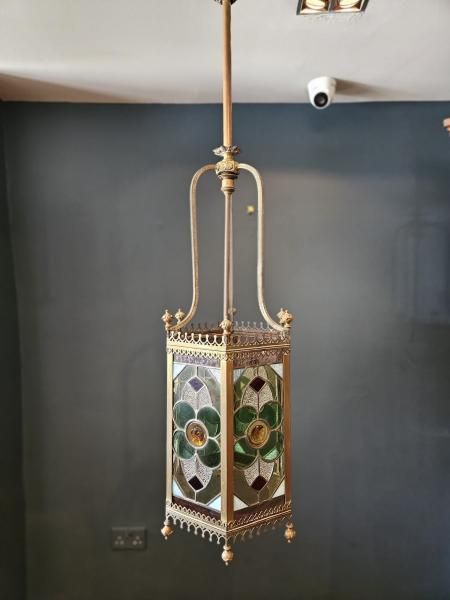
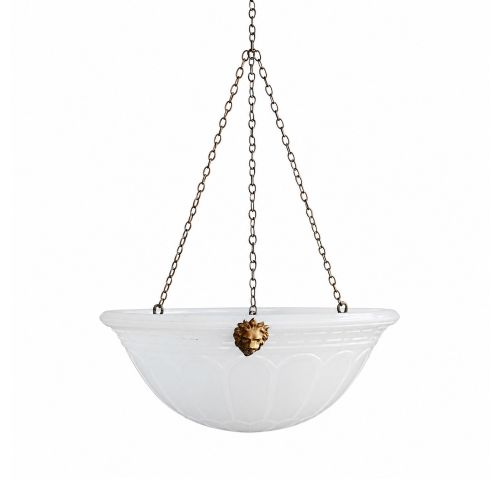
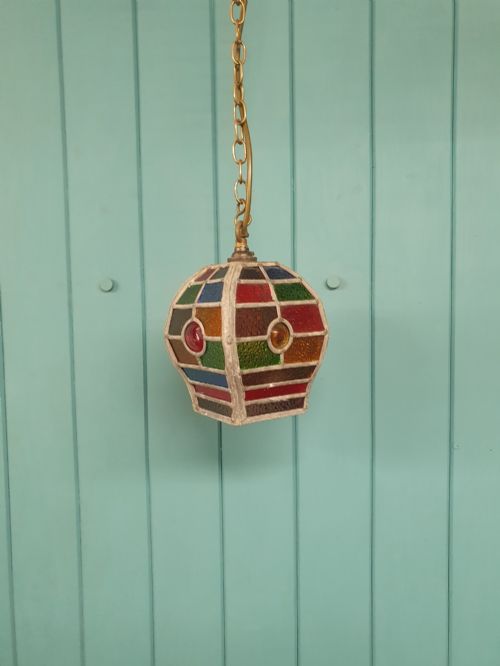
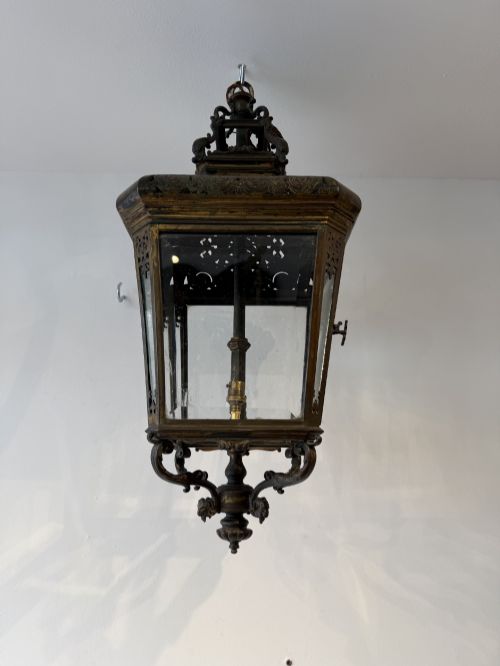
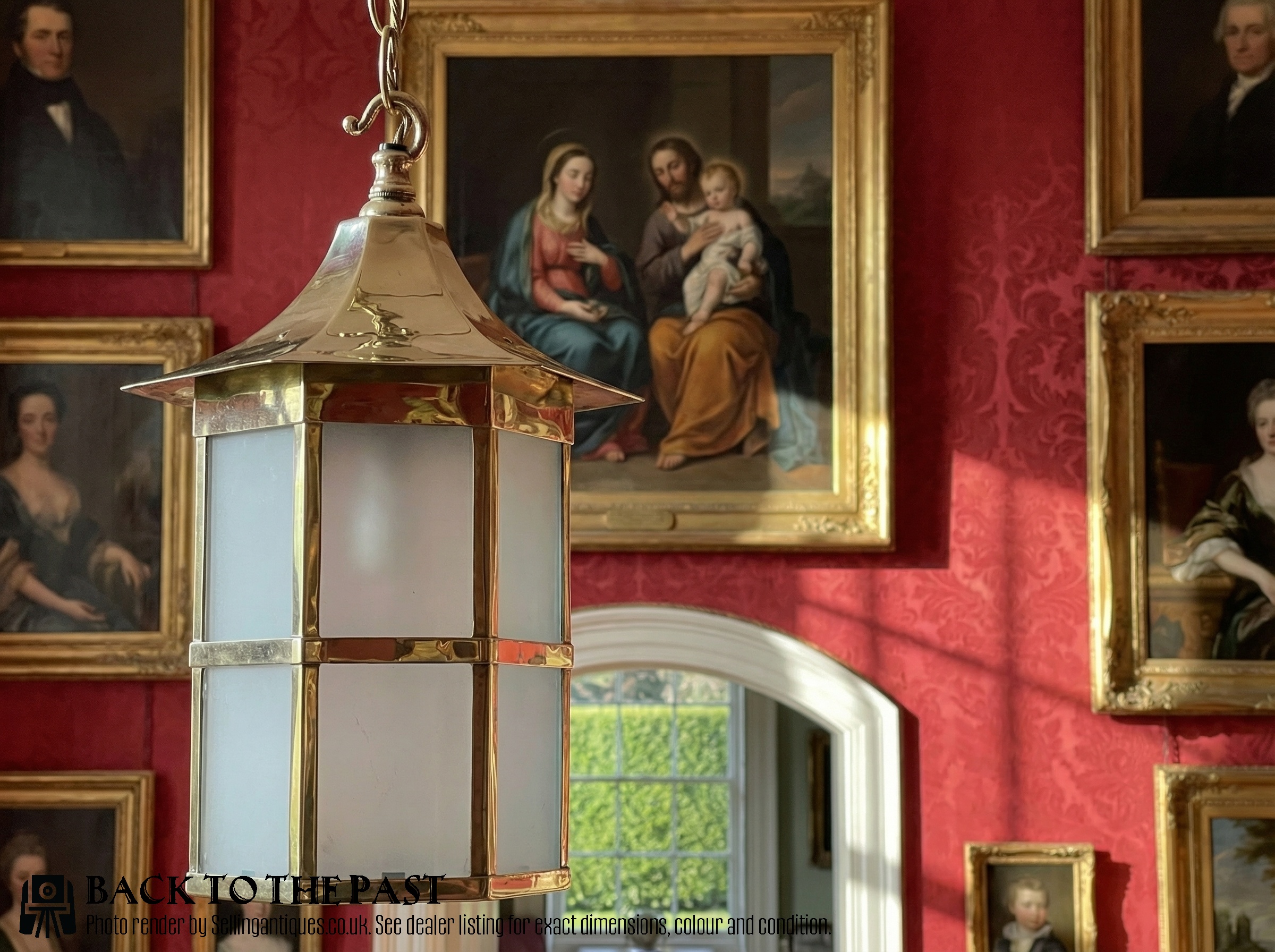
An edwardian hall light is typically encountered as a hanging lantern or pendant light designed to occupy the vertical space of a vestibule or hallway. The selection spans straightforward brass frames to more elaborate hexagonal shapes, often incorporating clear, bevelled, or leaded glass panels that diffuse light downward. These pieces establish the character of an interior the moment the front door opens, drawing on the domestic architecture of the early twentieth century.
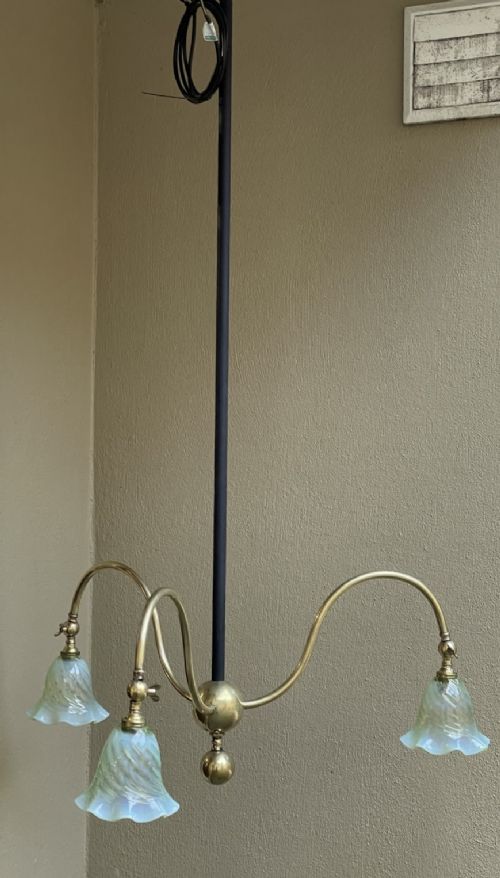
Beyond standard domestic brass lanterns, the broader category encompasses robust examples linked to the Arts and Crafts movement, French gilded bronze fixtures, and occasional Gothic or Art Nouveau interpretations. While the core inventory consists of ceiling-hung lanterns, related domestic forms such as glass pendant lights and porch lanterns appear alongside them. The unifying element is a sturdy metal framework engineered to suspend glass securely from high ceilings.
Materials and Construction
The primary structural framework relies on cast and sheet brass, bronze, and occasionally copper, formed into rigid geometric shapes such as squares and hexagons. Metal components are joined via soldered joints, rivets, or threaded fixings, providing the mechanical strength required for ceiling suspension. Gilded and French bronze finishes appear on grander examples, offering a richer surface texture than standard polished brass.
Glass panels form the enclosing walls of the lantern, utilising transparent, frosted, moonstone, or leaded stained glass to soften the glare of internal bulbs. Bevelled edges catch and refract the light, a technique favoured in higher quality fixtures to create sparkling patterns across hallway walls. The weight of these thick glass plates demands substantial metal frames to prevent structural distortion over time.
Edwardian Hall Light Retail Price Guide 2026
Typical asking prices for edwardian hall light among the pieces listed under this phrase on Sellingantiques today, from the lower quarter to the upper quarter. They describe what is for sale here now, not the wider market.
One exceptional lantern once illuminated the chambers of Manchester City Town Hall before finding its way to the open market.
Assessing Quality and Execution
Quality in an edwardian hall light reveals itself in the weight of the metal and the precision of the frame assembly. Thicker gauge brass or bronze ensures the lantern hangs true without sagging, while hand-finished details and bevelled glass panes distinguish superior workshop production from mass-manufactured alternatives. The crispness of casting marks and the integration of suspension loops indicate the maker's original investment in time and materials.
Provenance and stylistic purity further separate standard domestic pieces from exceptional survivals. Lanterns bearing direct design influences from the Arts and Crafts movement, or specific architectural origins like town halls, demonstrate higher artistic ambition. The condition of the original glass panels and the retention of patinated metal surfaces complete the hierarchy of desirability.
The Edwardian Hall Light Glossary
- Hexagonal form
- A six-sided geometric construction frequently utilised in hall lanterns to distribute light evenly across a space. This shape allows multiple glass panels to be set within a rigid brass or bronze skeleton.
- Bevelled glass
- Glass panes featuring an angled edge ground down along the perimeter. This treatment refracts light and adds depth to the appearance of the lantern.
- Moonstone glass
- A milky, translucent white glass type that softens bulb illumination and diffuses a gentle glow. It is characteristic of early twentieth-century lighting design.
- Gilded bronze
- Bronze metal treated with a thin layer of gold leaf or gold wash to produce a rich, luminous surface finish. It appears primarily on French and formal revival pieces.
Edwardian Hall Light: Frequently Asked Questions
How do I hang an edwardian hall light safely?
Suspension requires attaching the fixture to a ceiling joist using appropriate fixings that can support the combined weight of the metal frame and thick glass panels. Professional electrical installation ensures the internal wiring meets modern standards while preserving the antique body.
Adjustment of the suspension chain allows the lantern to hang at the correct height for the hallway clearance. Dropping the light sufficiently prevents the fitting from obstructing door swings while positioning the illumination effectively.
Can I use modern light bulbs in these lanterns?
Most antique lanterns accommodate standard modern LED or incandescent bulbs provided the physical dimensions fit within the glass enclosure. Checking the internal clearance ensures the bulb does not generate excessive heat against delicate glass or historic metalwork.
Warm white LED filament bulbs are often selected to replicate the soft glow of early lighting without straining historical wiring. Consulting an electrician during restoration guarantees compatibility between modern sockets and period fixtures.
How do I clean the glass panels without damaging the metal?
Glass panels are best cleaned using a mild glass cleaner applied to a cloth rather than sprayed directly, preventing moisture from seeping into aged metal joints. Removing the panels is rarely necessary if care is taken around fragile leaded or bevelled edges.
Metal frames require gentle dusting or specialised brass care depending on the retention of historic patina. Avoiding harsh abrasives preserves the natural surface ageing prized by collectors.
What is the difference between Edwardian and Victorian hall lights?
Edwardian lighting generally favours lighter proportions, simpler geometric lines, and softer translucent glass compared to the heavier, more ornate cast brass designs of the Victorian era. The transition reflects a broader shift towards brighter, airier domestic interiors at the turn of the twentieth century.
Arts and Crafts influences also emerge more prominently in Edwardian pieces, emphasising honest construction and materials. Victorian examples often lean towards elaborate Gothic Revival or Rococo decoration.