


Victorian Brass Lantern
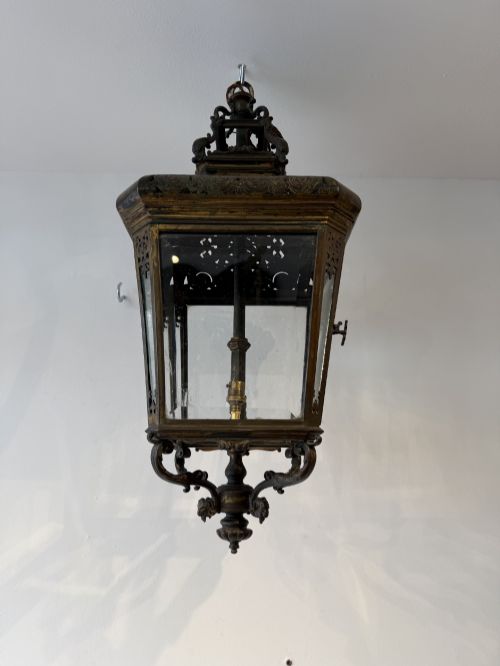
A victorian brass lantern brings heavy metalwork and textured glass into a hallway, offering both functional illumination and period presence.
Victorian Brass Lantern
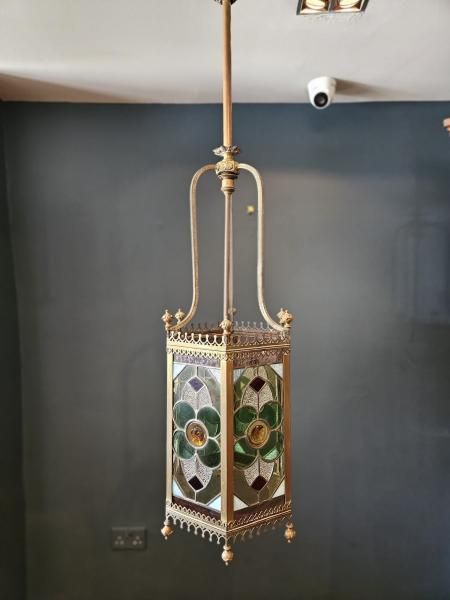
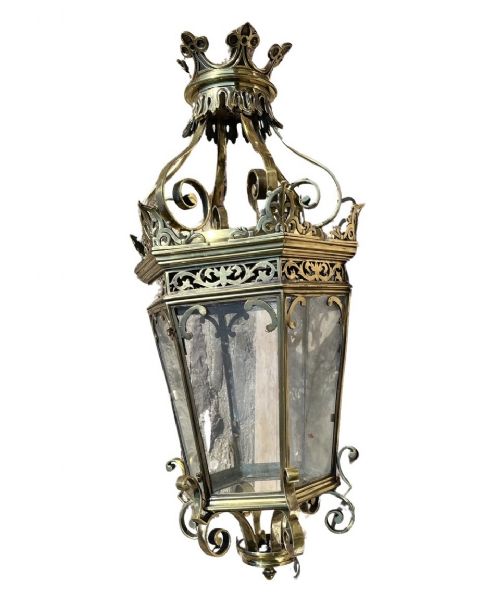
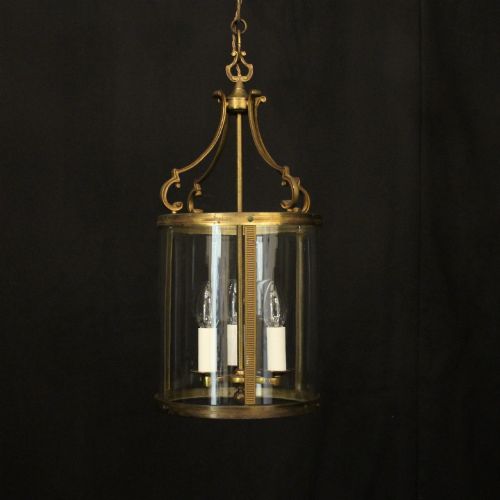
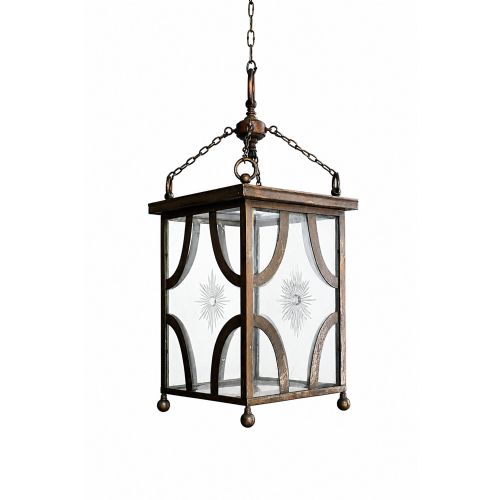
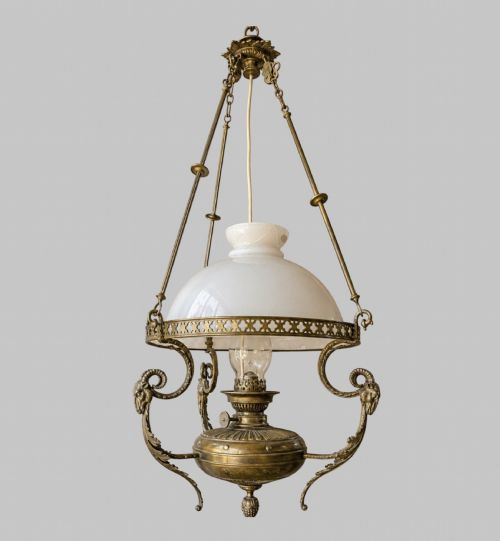
When you search for a victorian brass lantern, you encounter ceiling-hung hall lights, pendant lighting, and wall-mounted carriage lamps produced during the nineteenth and early twentieth centuries. These pieces typically combine structural metal frames with transparent, leaded, or stained glass panels designed to diffuse interior candlelight, oil, gas, or early electric sources.
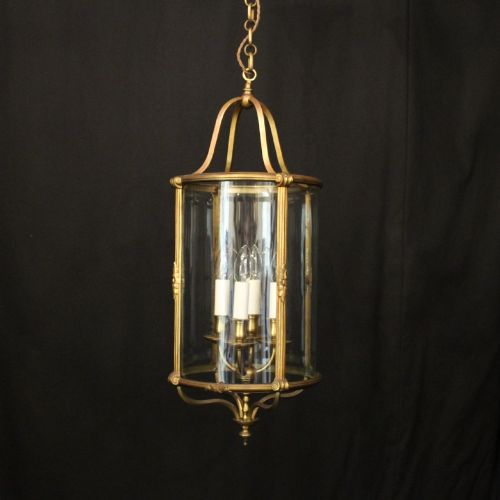
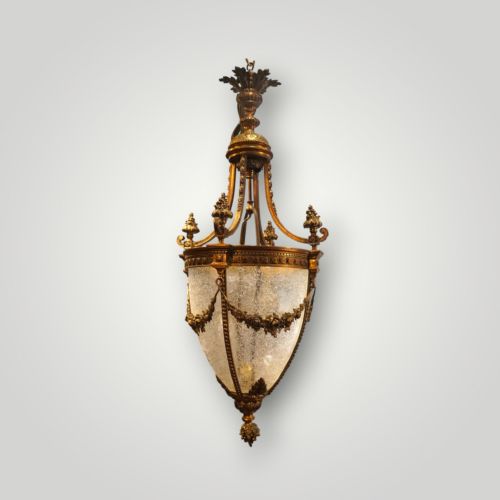
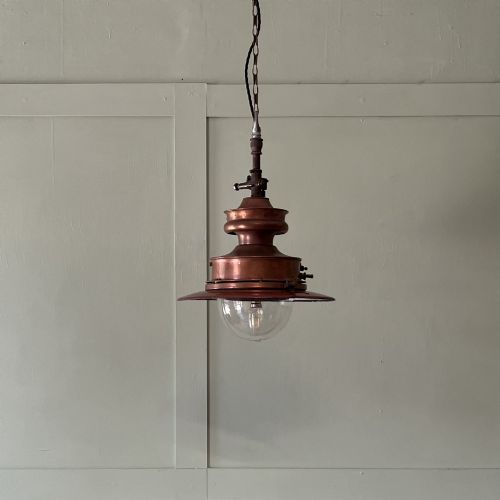
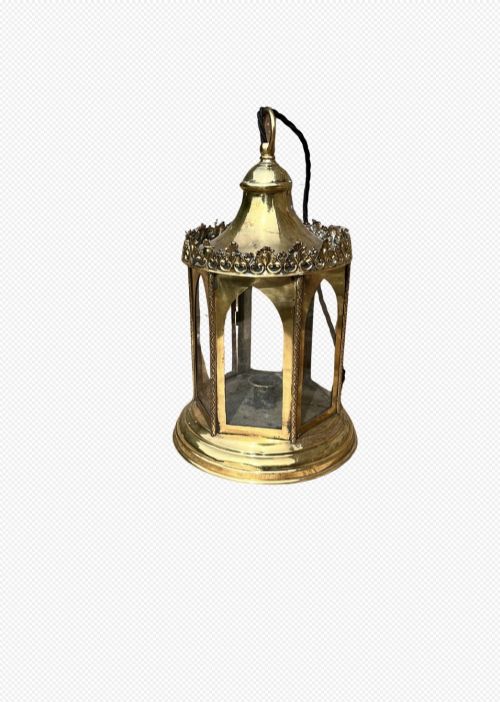
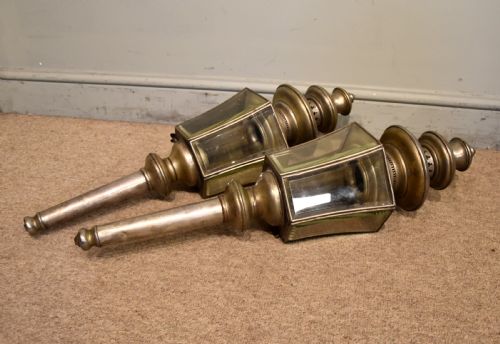
The versions most common on this page span straightforward hexagonal and round hall lanterns alongside more decorative French styles in gilt bronze. Surviving examples often show utilitarian origins in railway, coach, and ship lighting, alongside domestic hanging lanterns meant for porches and entranceways.
How they were made
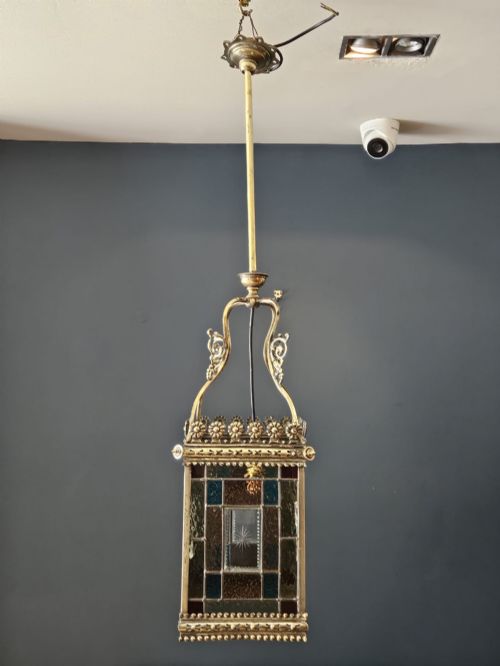
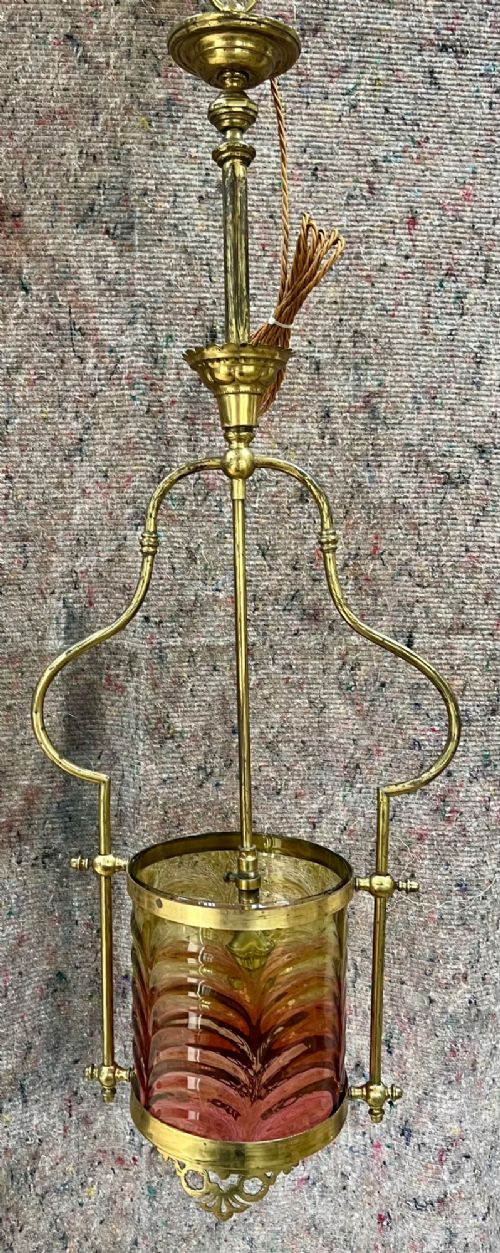
Makers constructed these lanterns using cast and sheet brass, frequently paired with copper, bronze, or lead framing to hold various types of glass. Panels range from clear leaded panes to coloured, Bristol blue, vaseline, and stained glass segments soldered or leaded into position.
Lighting mechanisms varied across the period, moving from candle holders and paraffin burners such as the Hinks burner through to gas fittings and later electrical conversions.
Victorian Brass Lantern Retail Price Guide 2026
Typical asking prices for victorian brass lantern among the pieces listed under this phrase on Sellingantiques today, from the lower quarter to the upper quarter. They describe what is for sale here now, not the wider market.
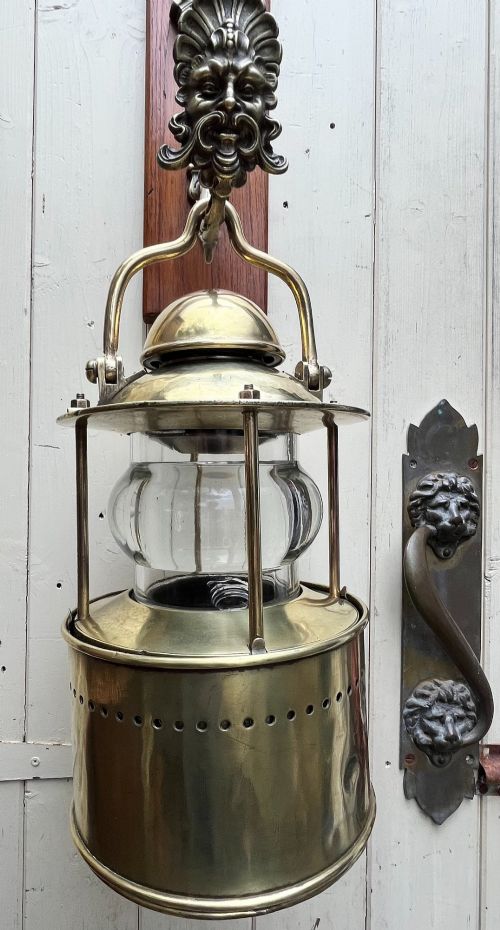
An enterprising imp holds a lantern on a heavy brass door knocker designed for period entryways.
What varies in quality
Quality in these pieces depends on the weight and rigidity of the metal frame, the precision of the casting work, and the complexity of the glass panels. Finer examples display heavier gauge brass, intricate piercing, or gilded finishes, while simpler pieces rely on functional utility.
The integrity of the original solder or leadwork and the retention of matching coloured or stained glass elements also separate standard utility lighting from finer decorative hall pieces.
Perry and Co·W and H
The Victorian Brass Lantern Glossary
- Hinks burner
- A duplex oil burner mechanism patented in the nineteenth century to provide improved airflow and brighter illumination in paraffin lamps.
- Gilt bronze
- An alloy treated with a gold wash or mercury gilding to impart a rich, reflective surface finish resembling solid gold.
- Leaded glass
- Individual pieces of glass held together by strips of lead came, commonly found in geometric or stained hallway lanterns.
- Gimble lamp
- A lighting fixture mounted on pivoting rings that keeps the lamp level despite the movement of a ship or train.
- Opaline glass
- A pale, translucent white glass often used in shades and pendant bowls to soften and diffuse light.
Victorian Brass Lantern: Frequently Asked Questions
How were these lanterns originally lit?
These lanterns relied on candles, paraffin oil, or gas before many were subsequently electrified for modern use.
Survival of burners like the Hinks mechanism indicates the original fuel type used inside the brass frame.
Where should a hall lantern be hung?
Hall lanterns suit entranceways, corridors, and high-ceilinged porches where their downward illumination and glass panels are fully visible.
Their proportions require adequate clearance overhead to balance the drop of the chain or ceiling rod.
How do I identify a period piece?
Period markers include heavy cast brass construction, leaded glass assembly techniques, and period burner mechanisms.
Stylistic cues often point toward Gothic Revival, Arts and Crafts, or French neoclassical design influences.
Can these lights be wired for modern ceilings?
Many surviving lanterns have already undergone rewiring and safety testing to accommodate modern electrical standards.
Original proportions and hanging loops typically integrate easily with contemporary ceiling roses and brackets.