
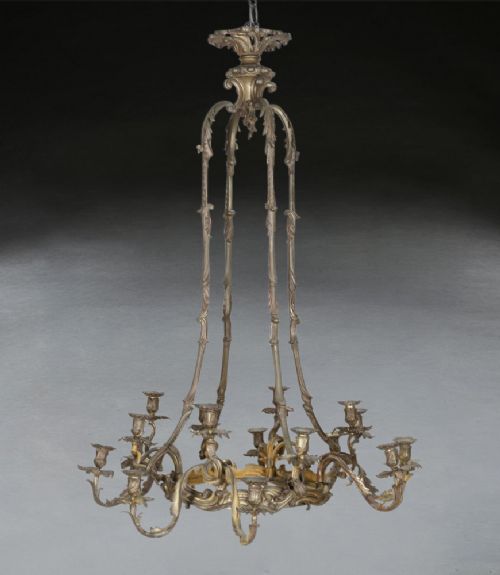
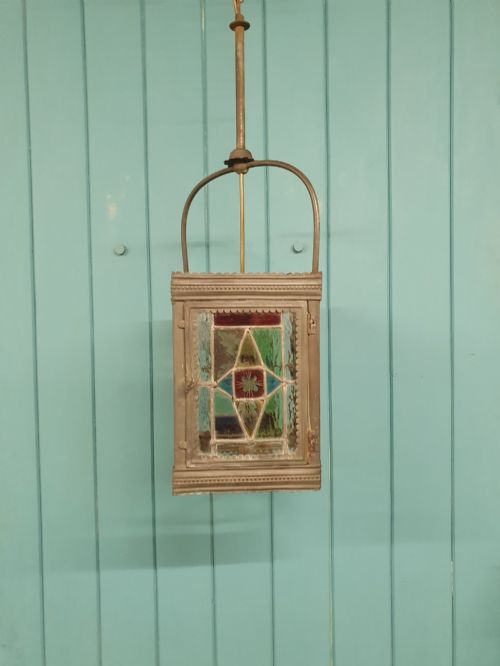


19th Century Ceiling Light
A 19th century ceiling light brings dramatic illumination and period presence to a room through traditional glass, brass, and bronze craftsmanship.
19th Century Ceiling Light
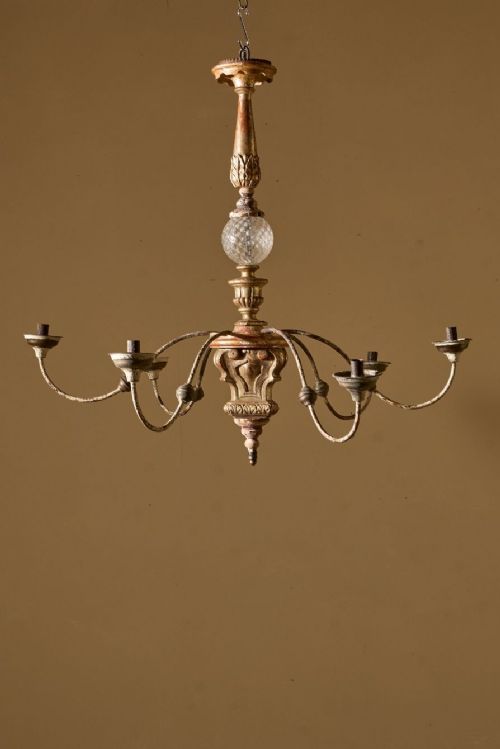
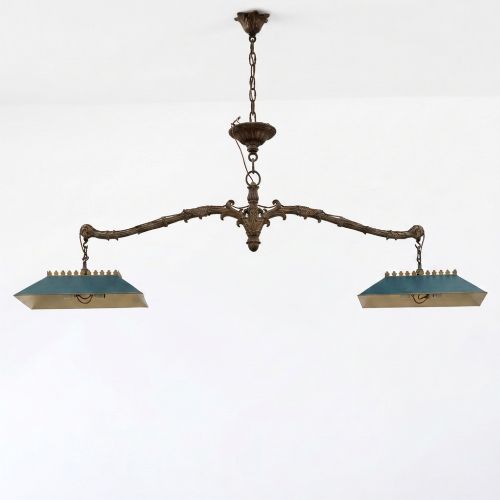
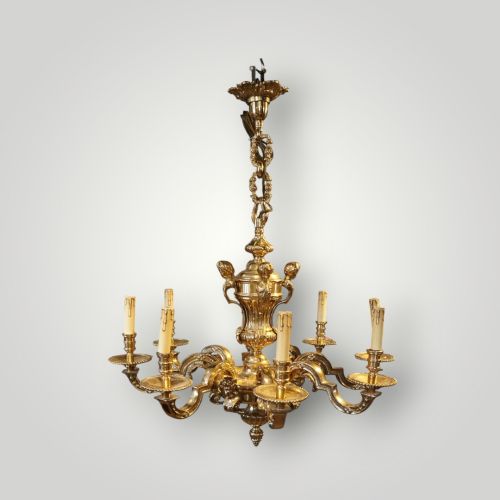
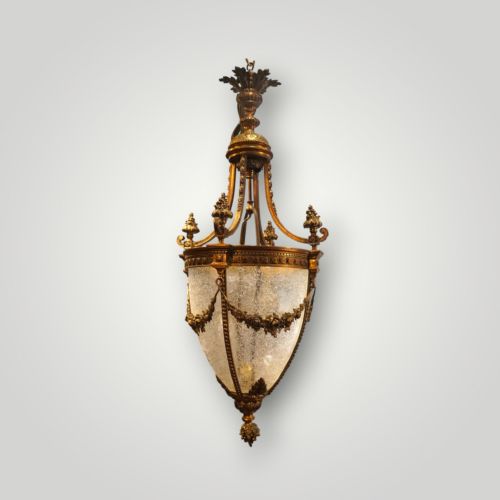
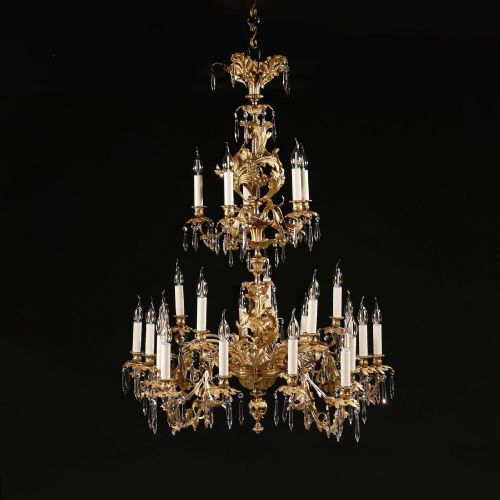
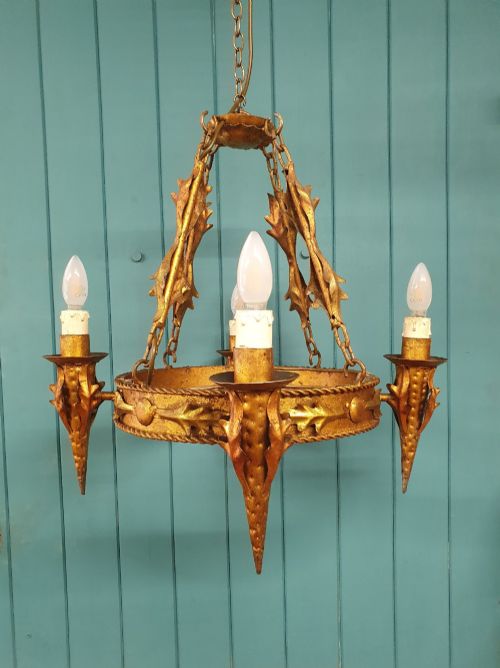
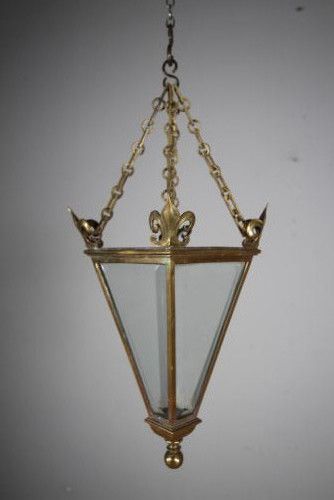
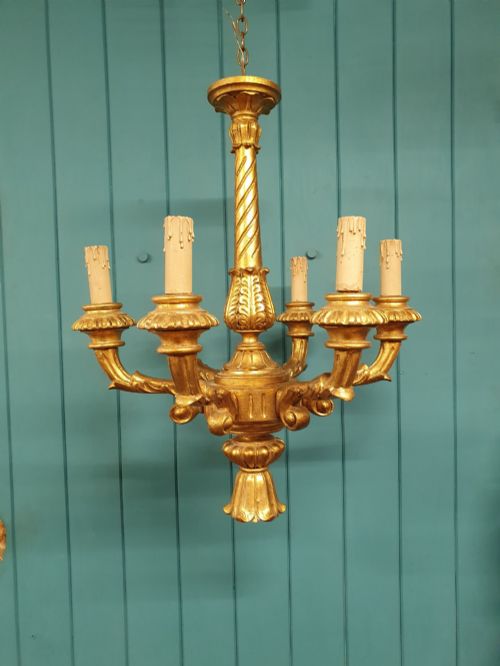
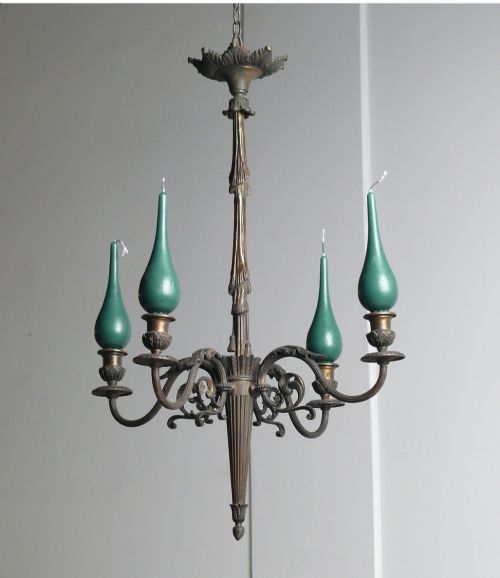
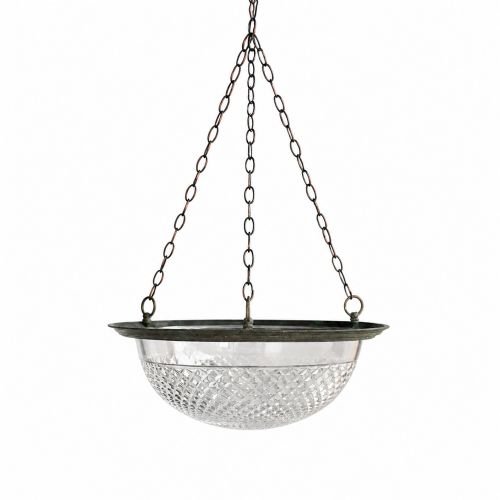
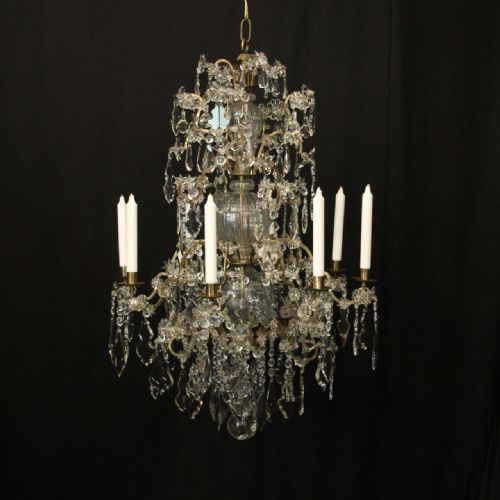
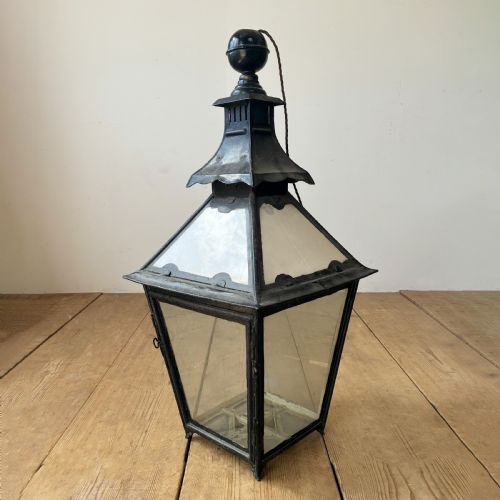
A 19th century ceiling light encompasses a variety of grand and practical fixtures designed to illuminate historic interiors. Buyers exploring this category encounter magnificent chandeliers, intricate hall lanterns, and specialised billiard lights suited for period properties.
Materials and Construction
Metalwork forms the backbone of these fixtures, utilising cast or gilded bronze, brass, wrought iron, and silver plating. Artisans shaped and chased the metal to create elaborate frames, coronets, and structural arms.
Glass and crystal components complement the metal frames through cut glass drops, leaded panels, and delicate shades. These translucent elements disperse light evenly while adding texture and brilliance to the overall design.
19th Century Ceiling Light Retail Price Guide 2026
Typical asking prices for 19th century ceiling light among the pieces listed under this phrase on Sellingantiques today, from the lower quarter to the upper quarter. They describe what is for sale here now, not the wider market.
Listings feature extensive examples of French gilt bronze, cut glass, and brass from the Victorian era and the late 19th century.
Assessing Quality and Craftsmanship
The distinction between average and exceptional pieces lies in the crispness of the metal casting and the depth of the gilding or patination. Finer examples display meticulous hand-chasing on bronze and ormolu mounts, bringing intricate floral or architectural motifs into sharp relief.
Assembly and component integration also dictate the standard of a fixture. Superior chandeliers incorporate high-grade cut crystal drops and robust structural framing that securely bear the weight of numerous branches.
Joseph Wilmotte·Baccarat
The 19th Century Ceiling Light Glossary
- Chandelier
- A branched ornamental light fixture suspended from the ceiling. These fixtures hold multiple candle or electric light points arranged in tiers.
- Hall lantern
- An enclosed ceiling-hung light designed specifically for corridors and entranceways. They often feature glass panels set within a brass or bronze framework.
- Ormolu
- Gilded bronze used extensively for decorative mounts on fine furniture and lighting. The technique involves applying a finely ground gold-mercury amalgam to bronze.
- Pricket
- A sharp metal spike on a candle holder designed to secure a wax taper. This form is typical of earlier ecclesiastical and revival lighting.
- Plafonnier
- A shallow or flush-mounted ceiling light fixture. The term originates from French and describes lighting that sits close to the ceiling surface.
19th Century Ceiling Light: Frequently Asked Questions
How do I choose the right size?
Consider both the floor area of your room and the height of your ceiling when selecting a fixture. Larger spaces require multi-tiered chandeliers, whereas hallways benefit from compact lanterns.
Ensure there is adequate clearance beneath the lowest hanging point for comfortable passage.
Can these lights be rewired for modern use?
Most antique fixtures are adapted for contemporary electrical standards while preserving their external historical appearance. Rewiring allows safe integration into modern domestic circuits.
Consult a qualified electrician to handle the installation of heavy bronze or crystal assemblies safely.
How do I clean an antique chandelier?
Regular dusting with a soft feather duster prevents grime buildup on the metal framework and crystal drops. For a deeper clean, wipe components gently with a damp cloth without harsh chemicals.
Avoid using abrasive polishes that might strip the original gilding or patination from bronze and brass.
What rooms suit a hall lantern?
Hall lanterns provide focused, welcoming illumination tailored for entrance halls, stairwells, and narrow corridors. Their enclosed glass designs protect internal candles or bulbs from drafts.
They also work effectively in high-ceilinged kitchens or boot rooms requiring robust period character.