

Gilt Bronze Pendant Light
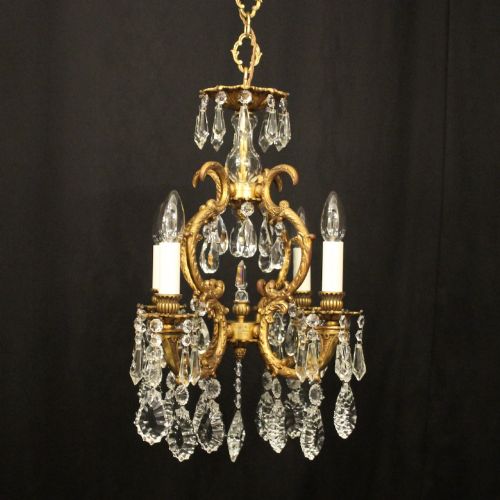
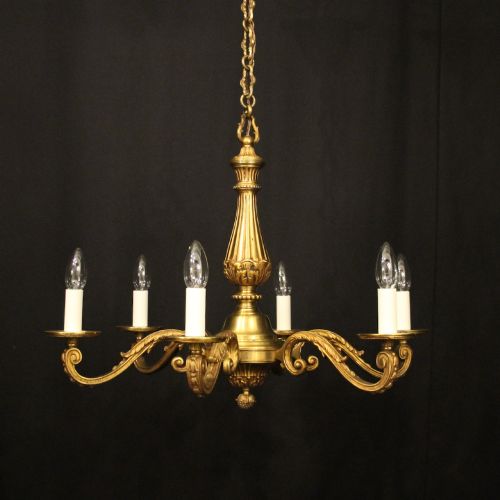
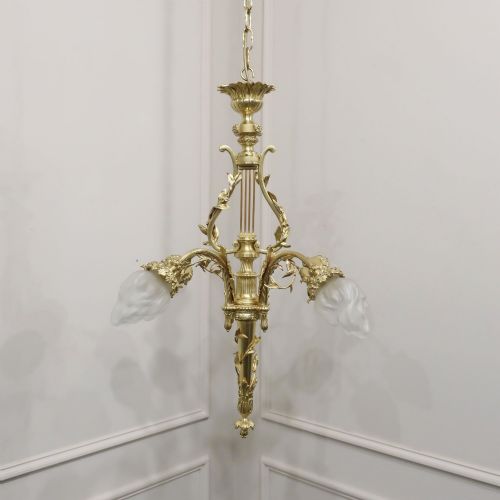
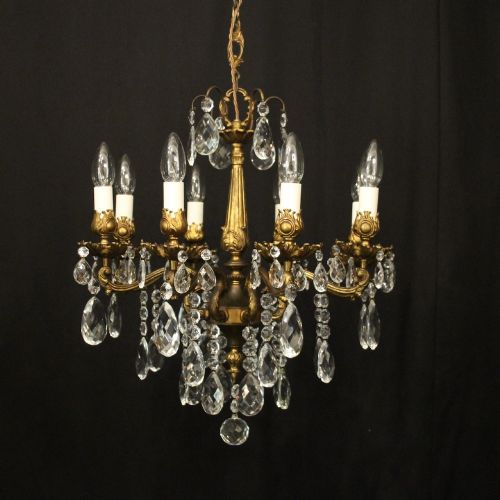
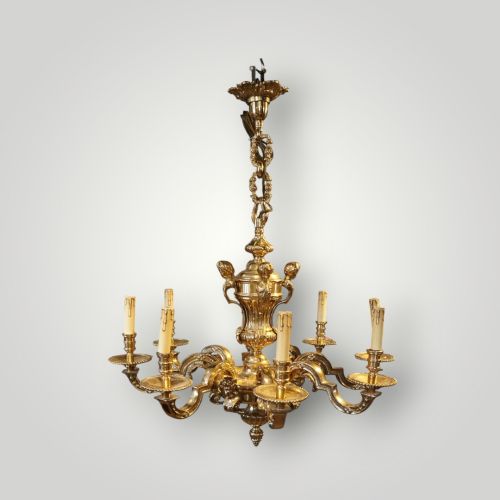
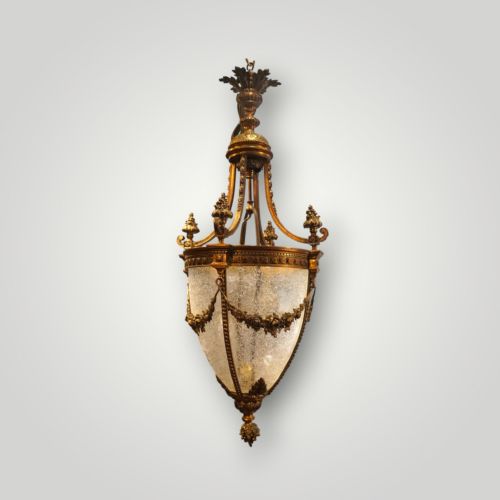
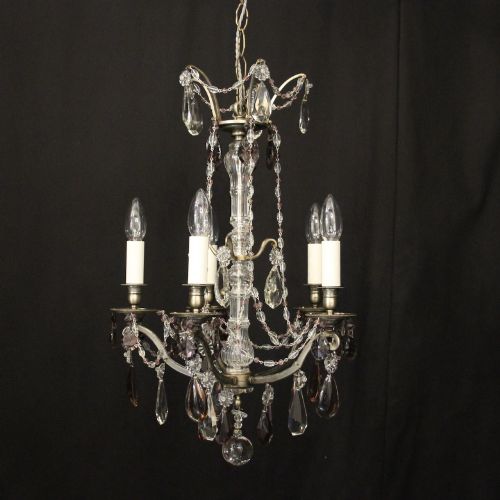
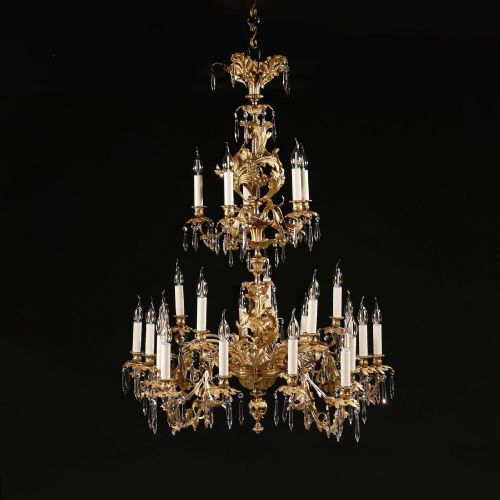
These gilt bronze pendant light fixtures bring French lighting history into interiors through cast metal work and hanging crystal.
Gilt Bronze Pendant Light
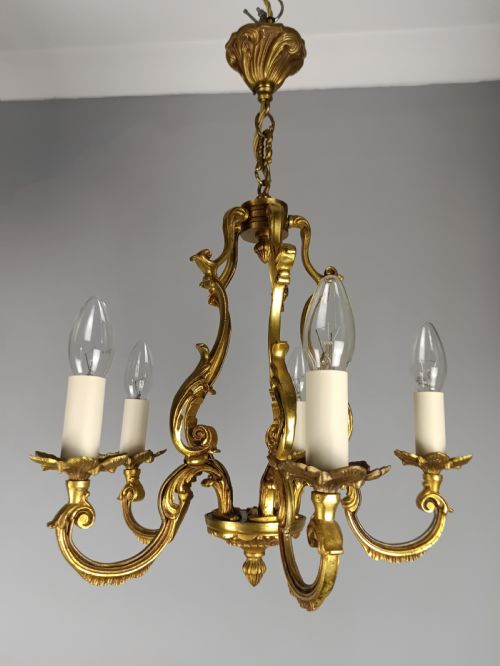
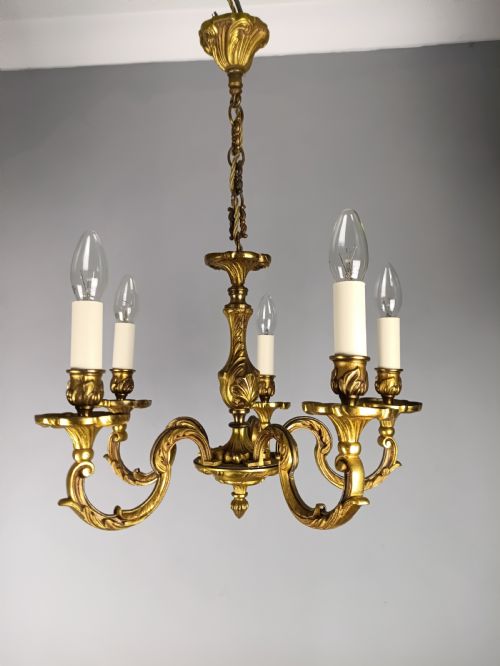
A gilt bronze pendant light suspends from ceilings via chains or brackets, illuminating spaces with multiple candle or bulb branches. These fixtures appear primarily in French styles such as Rococo, Empire, Neoclassical, and Louis XVI.
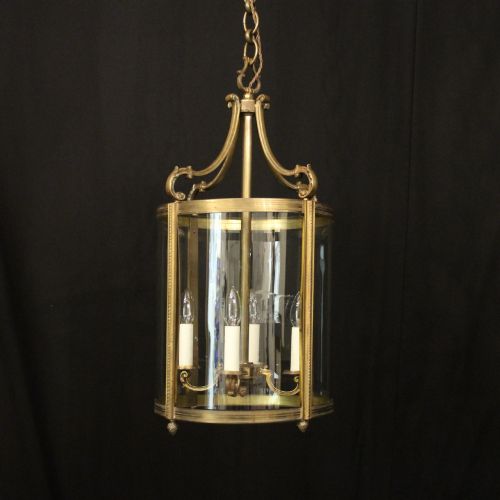
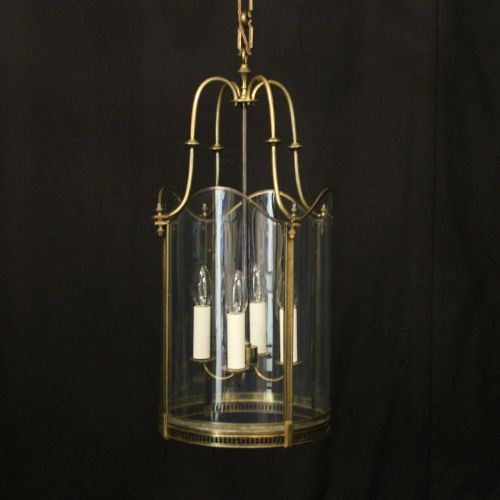
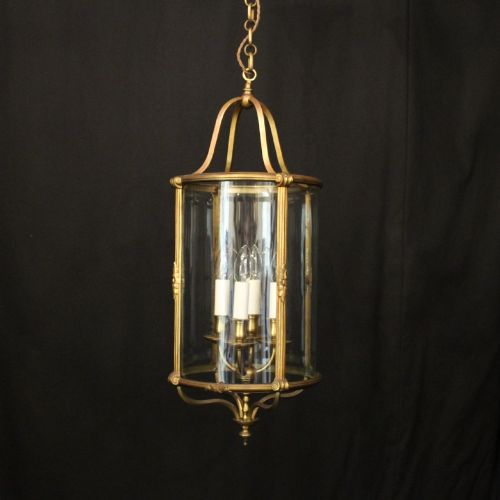
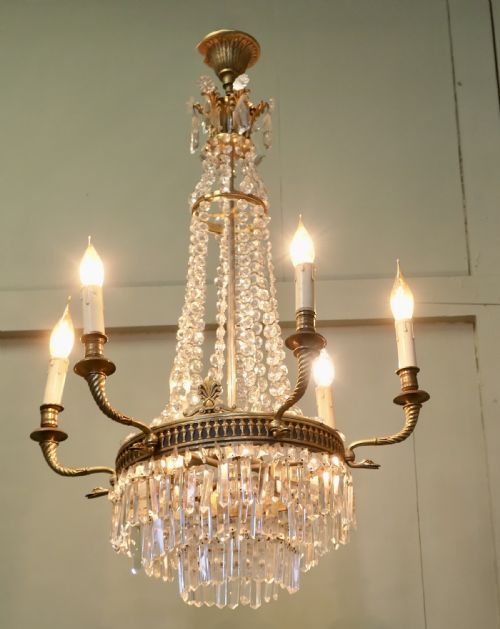
The selection ranges from multi-light chandeliers and birdcage designs to glass-enclosed hall lanterns and tent and waterfall configurations. Pieces date from the nineteenth century through the early twentieth century.
Buyers encounter gilded bronze, gilt brass, and spelter frames paired with crystal drops, cut glass spikes, and convex glass panes. Common forms include hanging lanterns, lyre chandeliers, and wall chandeliers.
How they were made
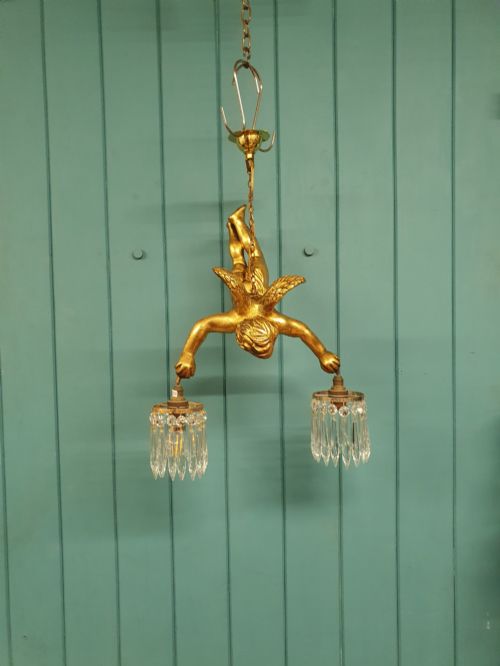
Artisans cast bronze, brass, and spelter components into ornate frames, incorporating leaf decorations, cherubs, and classical motifs. Metal surfaces received a layer of gold gilt or silver gilding to create a reflective finish.
Workers suspended cut glass crystals, spikes, and beads from the metal frames using wire loops. Lanterns integrated glass panels, sometimes convex in shape, secured within the metal framework.
Gilt Bronze Pendant Light Retail Price Guide 2026
Typical asking prices for gilt bronze pendant light among the pieces listed under this phrase on Sellingantiques today, from the lower quarter to the upper quarter. They describe what is for sale here now, not the wider market.
Listings feature pieces spanning the nineteenth century and early twentieth century, predominantly originating from France.
What varies in quality
The precision of the metal casting dictates the definition in leaf work, cherub figures, and structural mounts. Finer examples retain crisper chasing and deeper relief across the bronze or brass surface.
The presence and clarity of original cut glass crystals influence the overall visual impact of the piece. Substantial frames with integrated crystal drops and undamaged glass panels represent the upper end of the range.
G.E.C
The Gilt Bronze Pendant Light Glossary
- Gilt Bronze
- Bronze metal coated with a thin layer of gold. This surface treatment provides a durable and bright metallic finish.
- Tent and Waterfall
- A chandelier style featuring strings of crystal beads rising to a crown-like tent above a cascading lower section. This arrangement maximises the refraction of light.
- Hall Lantern
- An enclosed hanging light fixture designed for entrance spaces and corridors. These fixtures utilise glass panels fitted into metal frames.
- Spelter
- A zinc alloy used as a substitute for bronze in decorative castings. It often received a gilt finish to mimic more expensive metals.
- Lyre Chandelier
- A lighting fixture shaped to resemble the ancient musical instrument. The frame incorporates symmetrical curved sides.
Gilt Bronze Pendant Light: Frequently Asked Questions
How do I hang a gilt bronze pendant light safely?
Suspension requires a ceiling hook capable of supporting the combined weight of the bronze frame and crystal drops. Professional electrical installation ensures the internal wiring meets safety standards.
Weight distribution matters because larger multi-light chandeliers exert considerable downward force on plaster ceilings. Secure the hanging chain directly into a joist or structural support.
What rooms suit a gilt bronze pendant light?
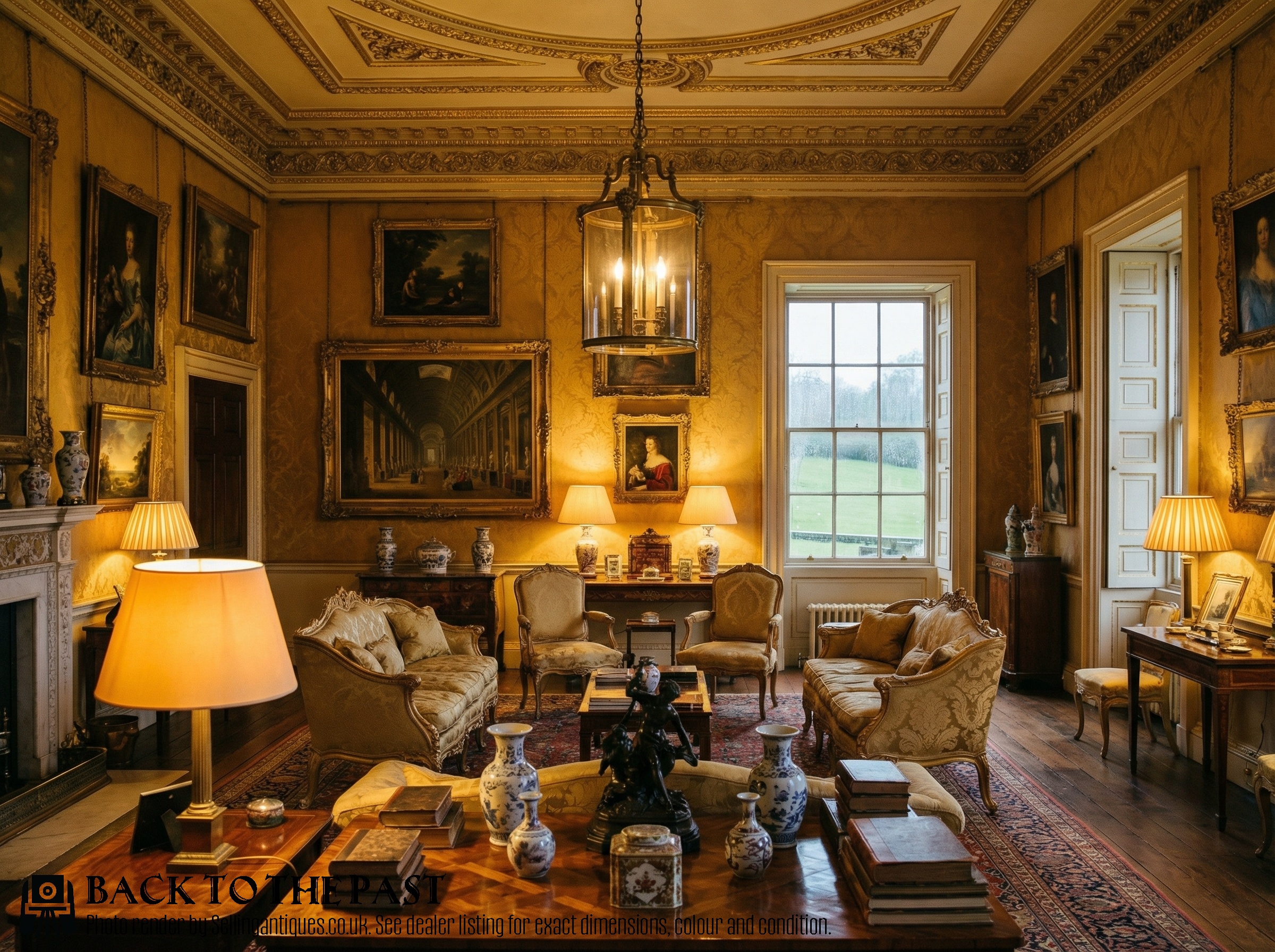
Hall lanterns fit narrow entranceways and corridors where enclosed glass protects the illumination source. Larger chandeliers suit dining rooms and high-ceilinged reception spaces.
Matching the scale of the room to the arm count ensures the fixture balances the interior. Smaller three or four light versions work well in compact bedrooms or studies.
How do I clean the crystal on these lights?
Remove detachable crystals individually and wash them in warm soapy water using a mild cloth. Dry each piece thoroughly before rehanging them on the frame.
Avoid harsh chemical cleaners on the gilt bronze surface to protect the gold layer. Dust the metal gently with a soft brush.
How do I identify French Neoclassical lighting?
Neoclassical pieces display symmetrical designs influenced by classical antiquity, including architectural lines and urn motifs. Look for details such as lyre shapes and restrained leaf decoration.
These designs contrast with the more asymmetrical curves found in earlier Rococo revival pieces. The metalwork emphasises geometry and balance.