



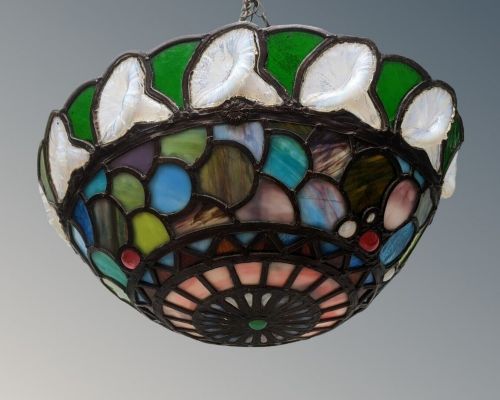

Green Shade Pendant Light
These green shade pendant light fixtures bring focused illumination and character to a room, drawing on periods from the Victorian era to the mid-twentieth century.
Green Shade Pendant Light
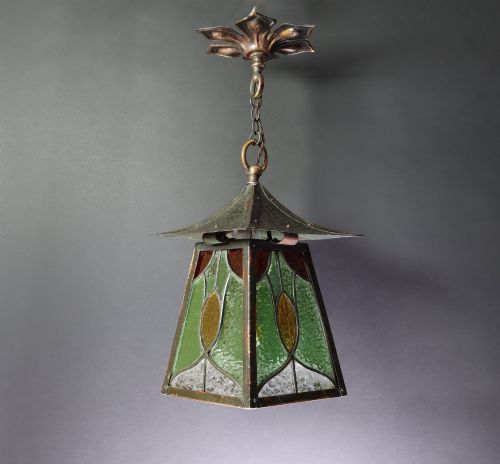
A green shade pendant light brings a distinct utilitarian or decorative overhead illumination to a space, drawing on styles from the Victorian era through the 1940s. When you search for green shade pendant light, you meet ceiling lights and lampshades suspended on brass, bronze, steel, or iron fittings.
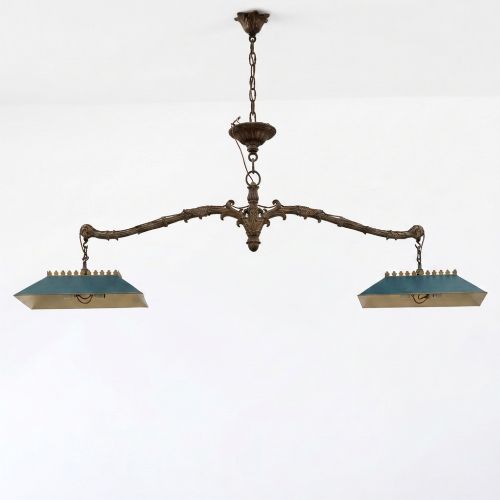
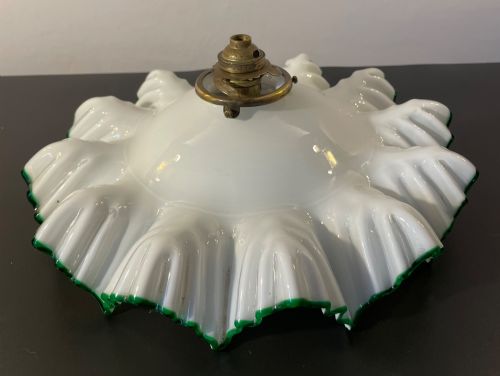
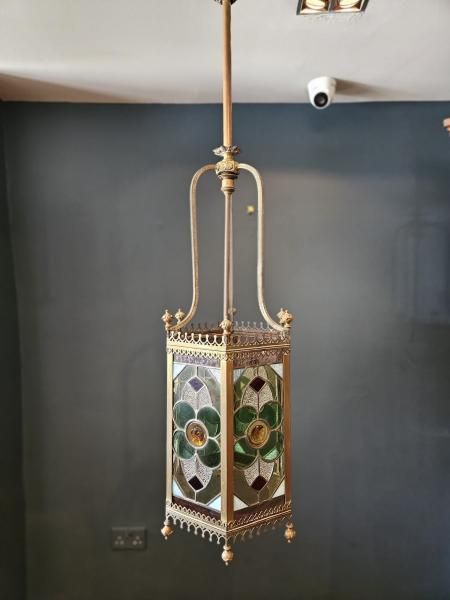
The most common examples on this page are industrial factory pendants and workshop fittings in vitreous enamel, alongside domestic opaline glass and leaded glass lanterns. These fixtures range from 19th century billiard lights and Art Nouveau brass rise and fall mechanisms to 1920s enamel fittings and Art Deco ceiling globes.
Originating in domestic parlours, billiard rooms, and industrial workplaces, these hanging lights suit contemporary interiors seeking period authenticity. They provide both downward task lighting and ambient overhead colour through their characteristic green shades.
How they were made
Vitreous enamel fused to metal substrates creates the durable, glossy green surfaces seen on industrial factory pendants and workshop shades from the early 20th century. This coating technique provides resistance to heat and wear while holding a deep colour.
Brass, bronze, and cast iron form the structural skeletons, ceiling roses, and rise and fall mechanisms of Victorian and Edwardian examples. Artisans shaped these metals through casting, spinning, and hand-assembly to support heavy glass and metal shades.
Glass is utilised in opaline shades, leaded lanterns, and Art Deco globes, often blown or pieced together by hand to diffuse light evenly across a room.
Green Shade Pendant Light Retail Price Guide 2026
Typical asking prices for green shade pendant light among the pieces listed under this phrase on Sellingantiques today, from the lower quarter to the upper quarter. They describe what is for sale here now, not the wider market.
Listings feature four distinct metal types: brass, steel, bronze, and cast iron.
What varies in quality
The grade of materials sets the baseline, with heavy cast brass and thick vitreous enamel outperforming lighter pressed metals and thin coatings. Original components, such as matching ceiling roses, chains, and makers' fittings, elevate a piece above one assembled from mixed parts.
The finesse of the metalwork and glass definition marks the difference between standard utilitarian output and high-end decorative commissions. Art Nouveau brass leaf designs and leaded glass lanterns display a level of hand-crafting not found in mass-produced factory lighting.
The Green Shade Pendant Light Glossary
- Vitreous enamel
- A material made by fusing powdered glass to a substrate by firing, resulting in a smooth, durable, and chemically resistant surface. This finish is typical on industrial shades from the early 20th century.
- Opaline glass
- A milky, translucent white or tinted glass that diffuses light softly without glaring. It appears frequently in period domestic shades.
- Rise and fall
- A mechanical pulley and weight system allowing the hanging height of a ceiling light to be adjusted easily. This mechanism is often paired with brass frames in Edwardian interiors.
- Billiard light
- A long ceiling fixture designed to illuminate a gaming table evenly across its length, usually featuring multiple shades or an extended trough. These lights date from the 19th century.
- Holophane
- A brand of scientific glass luminaires featuring prismatic ribs designed to direct and diffuse light efficiently. These fixtures are collected for their optical properties and industrial aesthetic.
Green Shade Pendant Light: Frequently Asked Questions
How do I hang a pendant light?
These fixtures suspend from the ceiling using a metal chain, rod, or flex attached to an original or compatible ceiling rose. Weight and wiring requirements vary, so consult a professional electrician for safe installation.
Ensure the hanging height suits the room, placing dining and task pendants lower over surfaces while keeping hallway and general ceiling lights clear of head height.
Are these lights rewired for modern use?
Many period fixtures retain older wiring or have been updated for contemporary safety standards. You should inspect the internal flex and lamp holders upon arrival to determine if rewiring is necessary.
A qualified electrician can easily update the internal electrical components while preserving the exterior metal and glass shades.
How do I clean an enamel shade?
Vitreous enamel surfaces tolerate gentle washing with warm water and mild soap to remove dust and grease. Avoid abrasive pads that can dull the glossy finish.
Dry the metal thoroughly after cleaning to prevent corrosion around any exposed edges or older fixings.
What rooms suit a green pendant light?
Industrial enamel pendants suit kitchens, utility spaces, and dining areas where task lighting and robust materials work best. Victorian and Art Nouveau brass designs suit living rooms and hallways.
The green shade provides a concentrated downward beam that defines a specific zone within a larger interior space.