



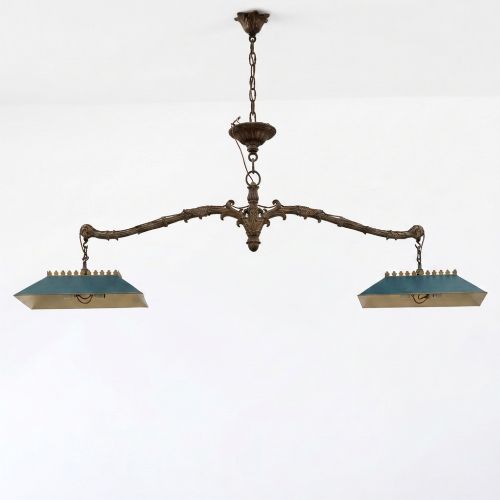
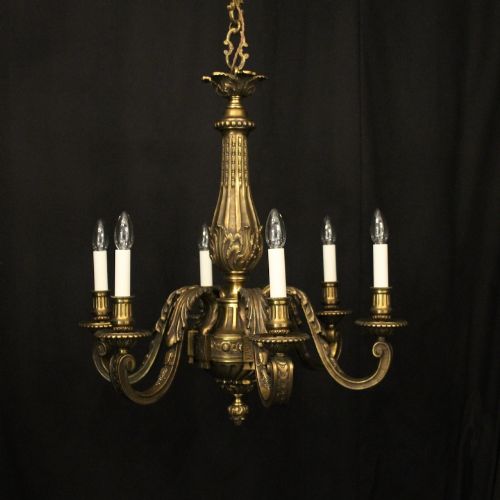
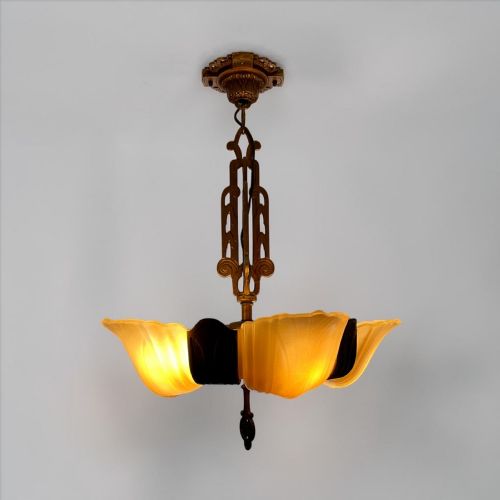
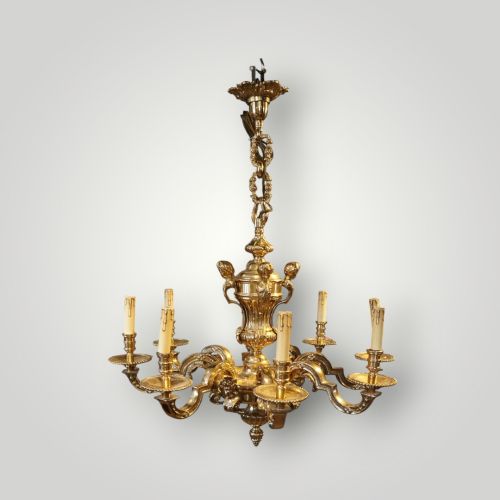
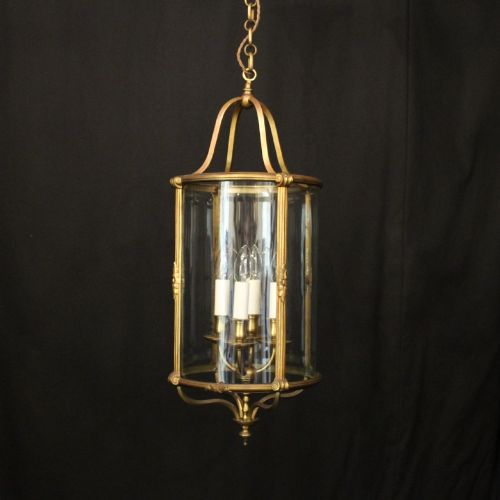
Bronze Ceiling Pendant
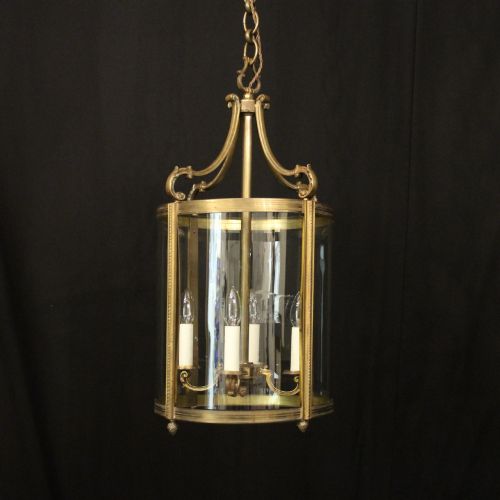
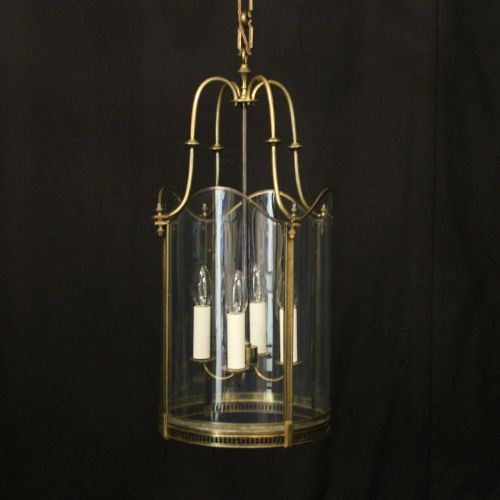
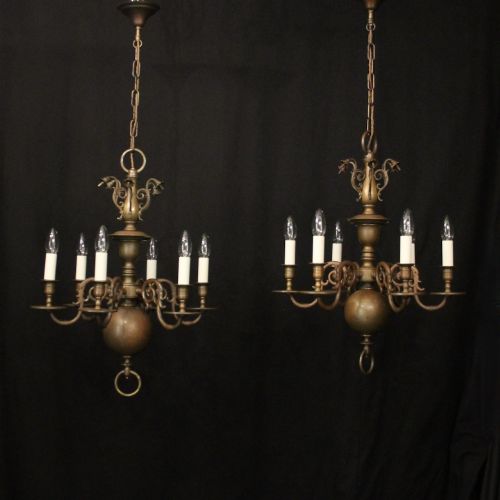
A bronze ceiling pendant brings distinct period character overhead, casting focused light through hall lanterns and multi-armed chandeliers.
Bronze Ceiling Pendant
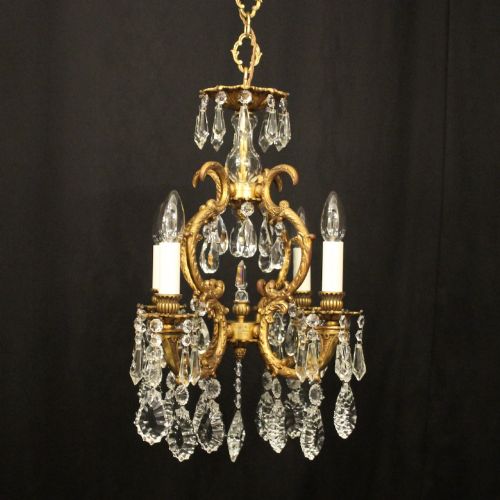
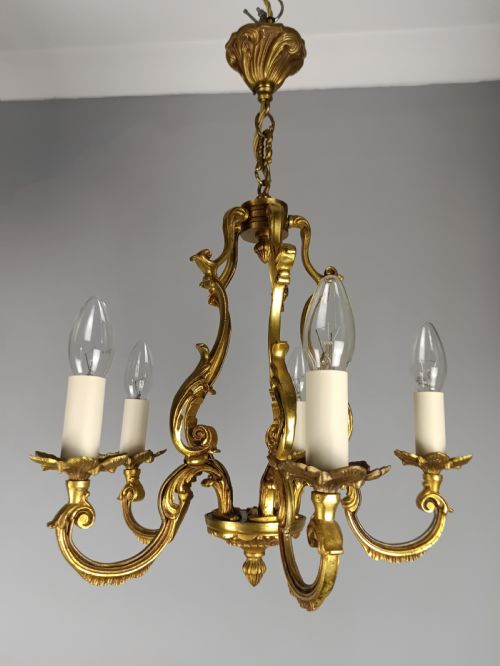
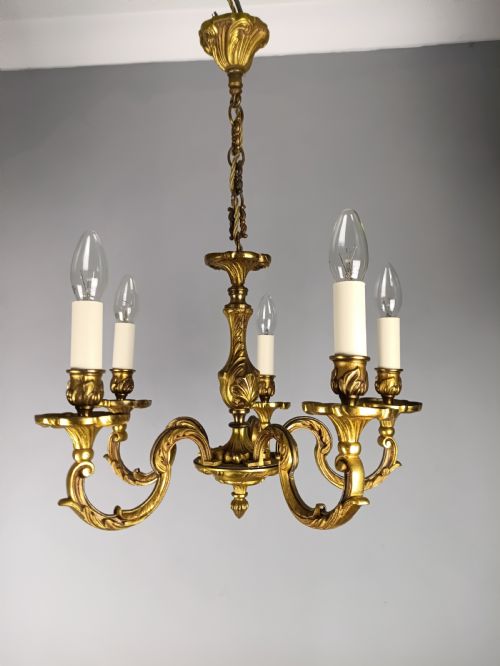
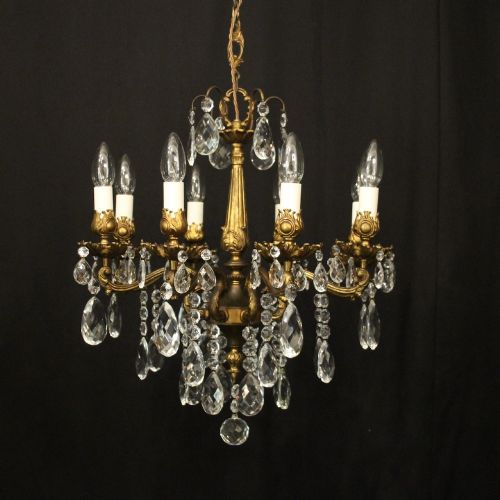
The objects take diverse architectural forms, ranging from modest four-light configurations to monumental ballroom fixtures boasting numerous branches. Hall lanterns and hanging lantern formats appear frequently alongside traditional chandeliers adorned with crystal drops.
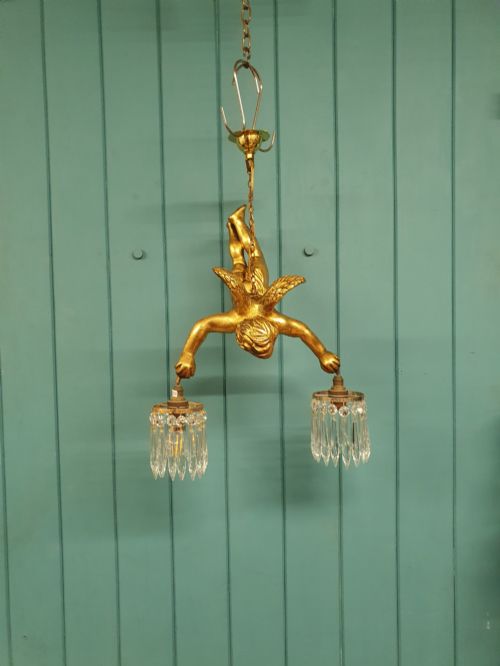
Stylistic influences lean heavily toward French aesthetic traditions, including Neoclassical, Empire, and Louis Revival designs. Pieces often incorporate decorative motifs such as flying cherubs, lyres, and leaf decorations on the upper tiers.
How they were made
Constructed primarily from bronze, gilded bronze, and brass, these fixtures rely on metal casting techniques combined with applied surface gilding or silvering. Master founders cast detailed metal components in sections before assembling structural frames and arms.
Glazing and crystal elements complement the metalwork, utilising cut glass crystals, spike chandeliers, and slip shades made from alabaster or pressed glass. Chandeliers frequently employ tent and waterfall arrangements where numerous crystal strands drape from upper crowns down to central rings.
A flying cherub frequently oversees the room from above, keeping watch over the crystal spikes.
What varies in quality
The distinction between standard domestic fixtures and exceptional pieces rests upon the crispness of the metal casting and the depth of the chased detailing. Superior examples exhibit finely rendered ornamentation, such as sharp acanthus leaves and well-defined figural elements like cherubs.
Material composition and supplementary components dictate overall execution, notably the clarity of cut glass crystals and the integrity of original fire-gilding or silver gilding. Well-balanced proportions across complex multi-branch arrays distinguish the most accomplished workshop productions.
The Bronze Ceiling Pendant Glossary
- Bronze ceiling pendant
- A suspended overhead lighting fixture manufactured from copper alloy metals.
- Chandelier
- A branched ornamental light fixture designed to hold multiple light sources and hang from a ceiling.
- Hall lantern
- An enclosed hanging light fixture traditionally utilised to illuminate entranceways and corridors.
- Tent and waterfall
- A chandelier configuration featuring an upper triangular tent of crystal beads cascading down into a lower waterfall effect.
- Gilt bronze
- Metalwork treated with a fine layer of gold or gold leaf applied to the bronze surface.
Bronze Ceiling Pendant: Frequently Asked Questions
Where should I hang a bronze ceiling pendant?
These fixtures suit entrance halls, stairwells, and principal reception rooms where adequate ceiling height permits hanging suspension. Large multi-armed chandeliers demand sufficient clearance beneath them to allow comfortable passage underneath.
Smaller hall lanterns function effectively in narrower corridors or above compact tables, directing illumination downward through glass panels.
How do I identify a French Empire style pendant?
French Empire style pendants typically display neoclassical architectural motifs inspired by antiquity, including laurel wreaths, swans, and classical urns. They frequently incorporate tent and waterfall crystal arrangements supported by robust bronze frames.
Proportions remain symmetrical and formal, reflecting the decorative preferences prevalent during the early nineteenth century and later revival periods.
What is the difference between a lantern and a chandelier?
A chandelier relies on an open array of branching arms radiating outward to support individual light points. The structural frame remains visible between the lights.
A lantern encloses the light source within a protective metal and glass housing, creating a contained silhouette suited for passage areas.
How do I care for antique bronze lighting?
Maintenance requires gentle dusting with a soft, dry cloth to prevent the accumulation of particles on delicate metal surfaces and crystal drops. Avoid harsh chemical cleaners or abrasive polishes that might strip historic gilding or patination.
Crystal components can be cleaned periodically with mild soapy water while detached from the frame, ensuring complete dryness before reattachment.