


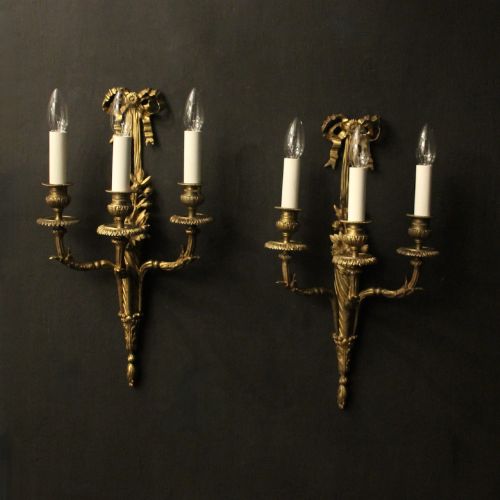
Vintage Bronze Lighting
Vintage bronze lighting brings warmth and architectural weight to a room through cast metal and crystal.
Vintage Bronze Lighting
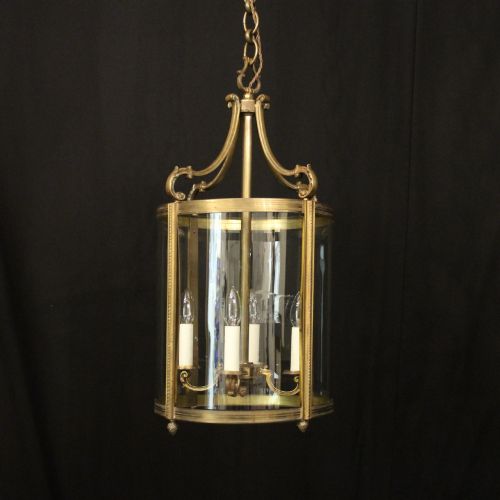
Vintage bronze lighting encompasses chandeliers, wall sconces, table lamps, and lanterns produced from the nineteenth century through the 1930s. Buyers searching for vintage bronze lighting typically encounter French and English pieces styled in neoclassical, empire, and art deco designs.
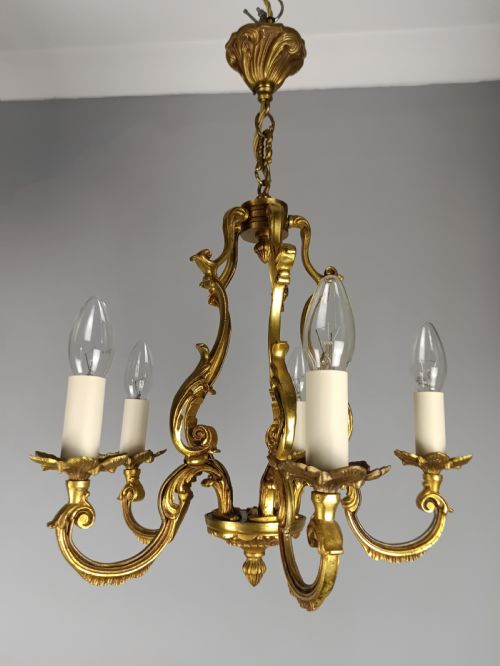
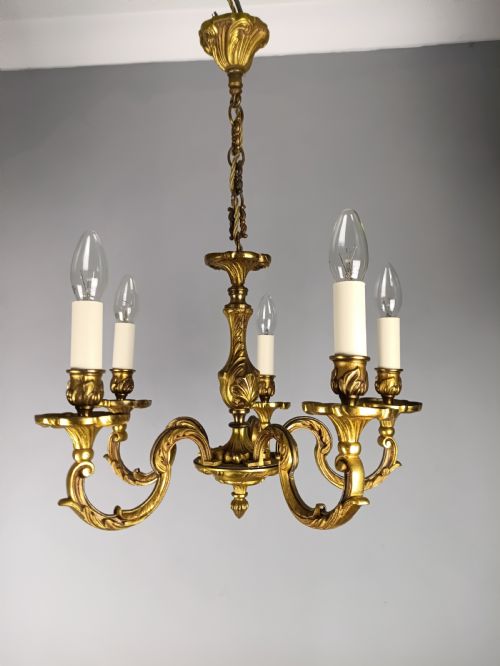
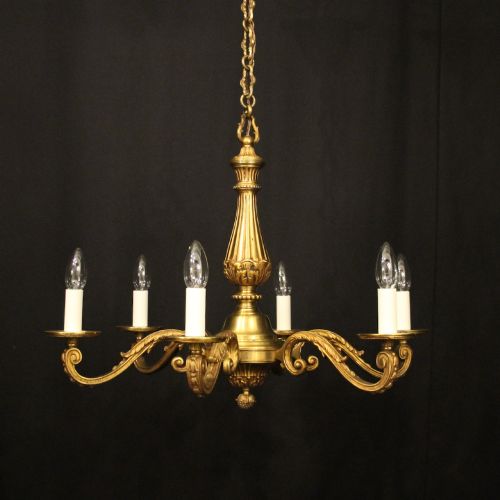
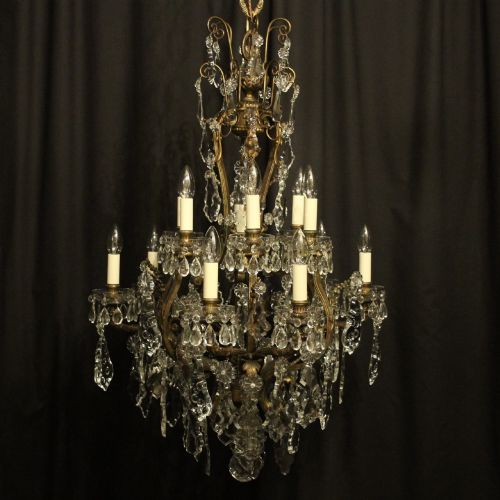
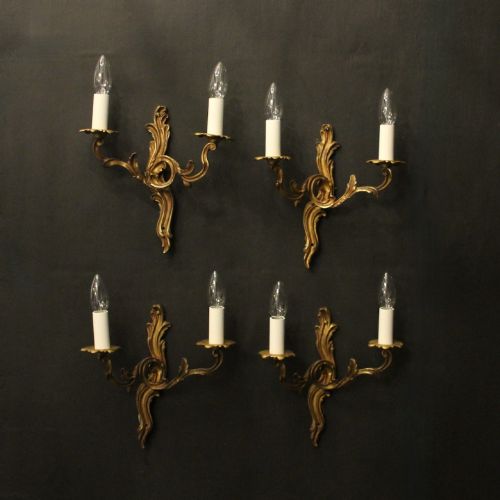
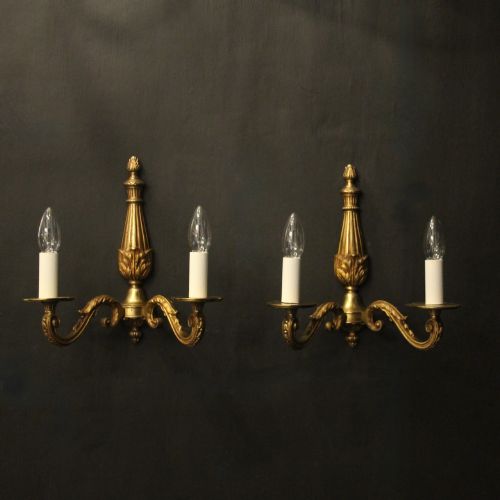
Chandeliers and wall lights dominate the selection, frequently featuring multiple arms configured for candlelight or electrical wiring. These fixtures range from intimate pair of wall lights to large twelve-light chandeliers adorned with crystal drops.
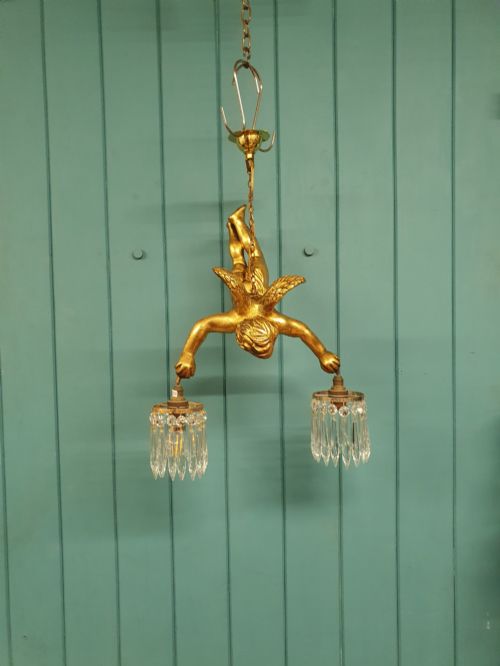
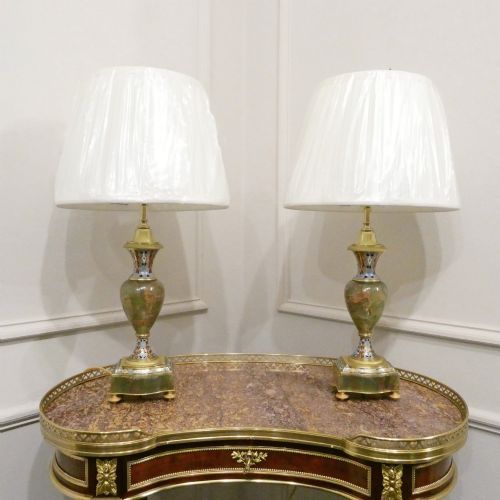
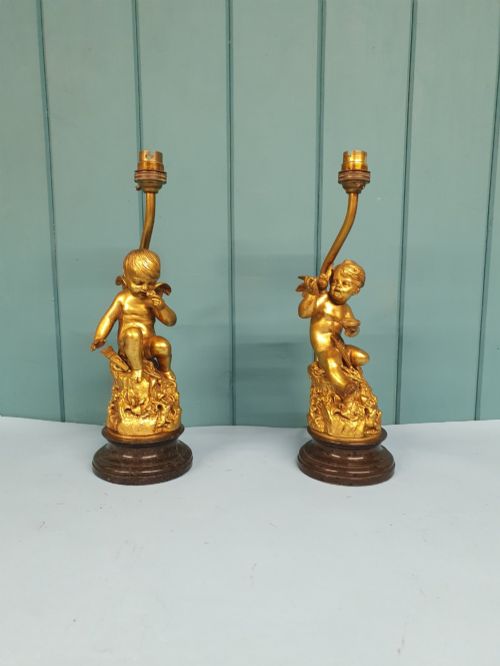
Table lamps and standard lamps also appear, often incorporating sculptural elements such as cherubs or classical Grecian motifs. Most items originate from continental workshops, displaying regional preferences for gilt surfaces and ornate casting.
Materials and construction
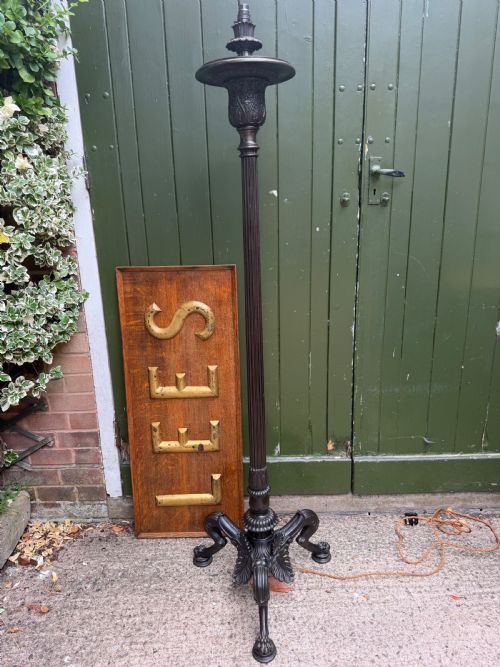
Makers utilised bronze, brass, and cast-iron as foundational metals, applying fire-gilding or ormolu treatments to create rich metallic surfaces. Dark bronze patination also appears on structural frames and standard lamps to provide an alternative to bright gilt finishes.
Glass and crystal components, including cut pendants and slip shades, integrate directly into the metal armature of chandeliers and ceiling lights. Secondary materials such as marble, onyx, and porcelain support table lamp bases and figural components.
Vintage Bronze Lighting Retail Price Guide 2026
Typical asking prices for vintage bronze lighting among the pieces listed under this phrase on Sellingantiques today, from the lower quarter to the upper quarter. They describe what is for sale here now, not the wider market.
Flamingo motifs perch atop nineteenth-century candlesticks, reminding us that decorative birds enjoyed a moment in the salon.
Distinctions in quality
The crispness of the metal chasing separates standard production from superior examples, with finer pieces displaying sharp relief in foliage, ribbons, and figural motifs. Heavier casting gauges and secure mechanical joints indicate substantial workshop standards.
The integration of decorative additions, such as matching crystal drops, hand-painted porcelain panels, and genuine ormolu, dictates the overall grade of the piece. Consistency in the original gilding or patination across all component parts marks a superior manufacture.
E Rousseau
The Vintage Bronze Lighting Glossary
- Ormolu
- Gilt bronze produced by applying a finely ground high-carat gold-mercury amalgam to a bronze object before firing. This technique creates a durable, luminous golden finish characteristic of nineteenth-century decorative hardware.
- Champleve
- An enamelling technique where troughs or cells are sunk into the surface of a metal object and filled with vitreous enamel powder before firing. It frequently decorates the bases and stems of nineteenth-century table lamps.
- Lyre chandelier
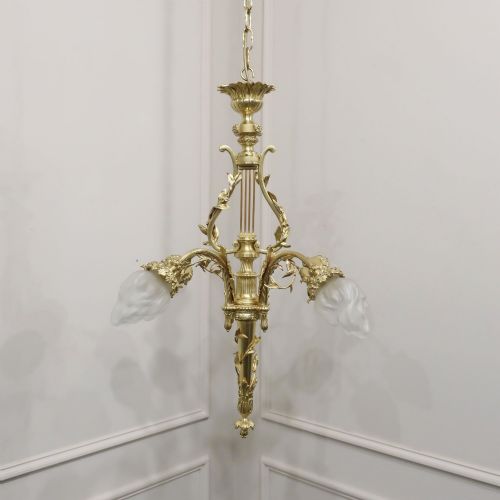
- A lighting fixture featuring a central silhouette shaped like an ancient stringed musical instrument. This neoclassical motif appears frequently in French hanging lights from the late nineteenth century.
- Slip shade
- A moulded piece of art deco glass that slides directly into a metal frame or bowl to diffuse light. These shades are typical of American and European ceiling lights from the 1930s.
- Tent and waterfall chandelier
- A hanging light arrangement where strings of crystal beads form an upper tent shape above a wider cascading tier of drops. This configuration maximises light refraction in large nineteenth-century rooms.
Vintage Bronze Lighting: Frequently Asked Questions
How do I wire vintage bronze chandeliers?
Most vintage bronze chandeliers require rewiring to meet contemporary safety standards before installation in a modern home. A qualified electrician can thread modern heat-resistant flex through the internal channels without altering the original metal structure.
Original lamp holders are often replaced with certified modern fittings while preserving the exterior bronze or brass sleeves. This approach keeps the visual integrity of the fixture intact while ensuring safe daily operation.
Where were these bronze lights made?
The majority of these fixtures originate from French and English workshops operating during the nineteenth and early twentieth centuries. French pieces often reflect neoclassical or empire styling with heavy gilding and crystal ornamentation.
English lighting from the same eras tends toward robust brass construction and classical revival designs. Savoy Hotel installations and regional foundry pieces also contribute to the diversity of available origins.
Can I clean gilt bronze lighting safely?
Dusting with a soft, dry artist brush or microfiber cloth removes everyday surface particles without harming delicate gilt or patinated surfaces. Avoid harsh chemical cleaners, abrasive cloths, and metal polishes that strip away historical gilding or ormolu.
For stubborn grime on non-gilt bronze, a damp cloth with mild soap can be used sparingly, followed immediately by thorough drying. Crystal drops and glass shades may be removed and washed in warm soapy water before reattachment.
How do I identify a 19th-century bronze light?
Nineteenth-century bronze lighting displays hand-chased surface details, heavy casting weights, and traditional assembly methods such as threaded rods and square nuts. Styles frequently reference French rococo, neoclassical, or empire revivals.
Examining the metal patina reveals age-related oxidation and wear patterns that modern replicas cannot replicate. Period wiring holes, where present, often show hand-drilled irregularities distinct from mass-produced factory work.