
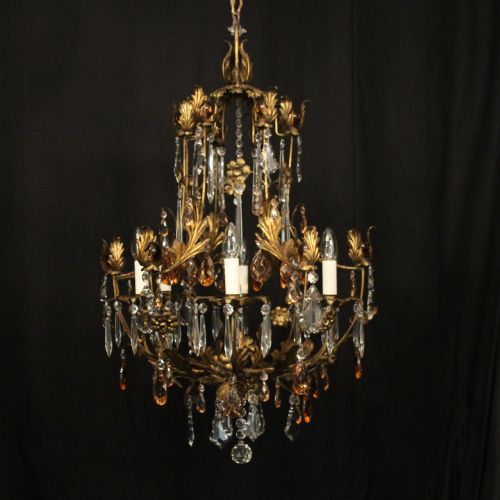
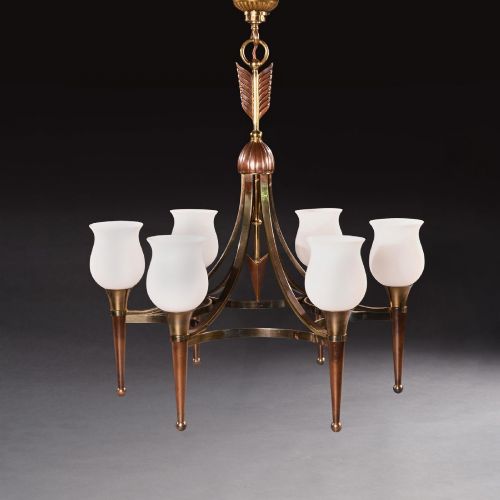
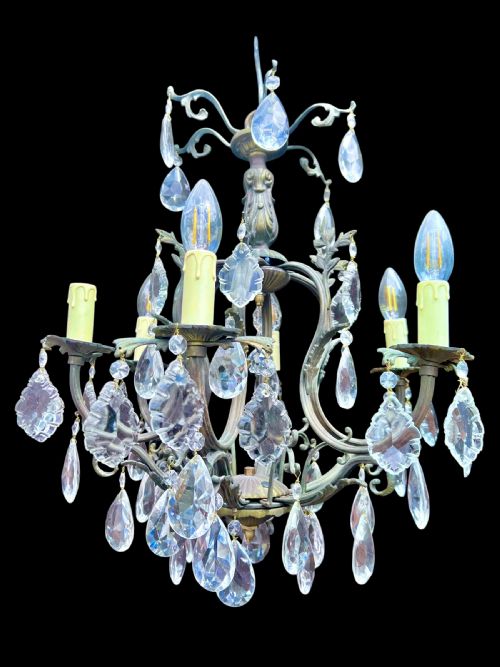
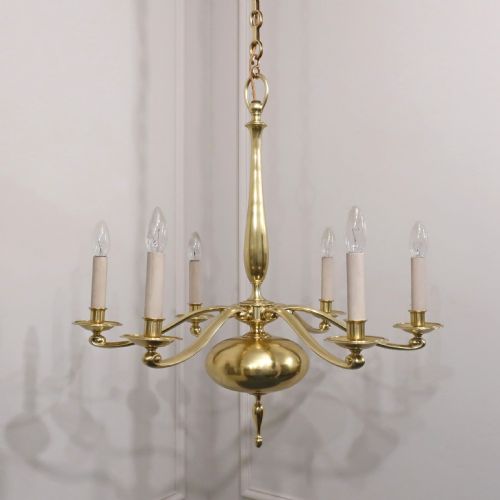
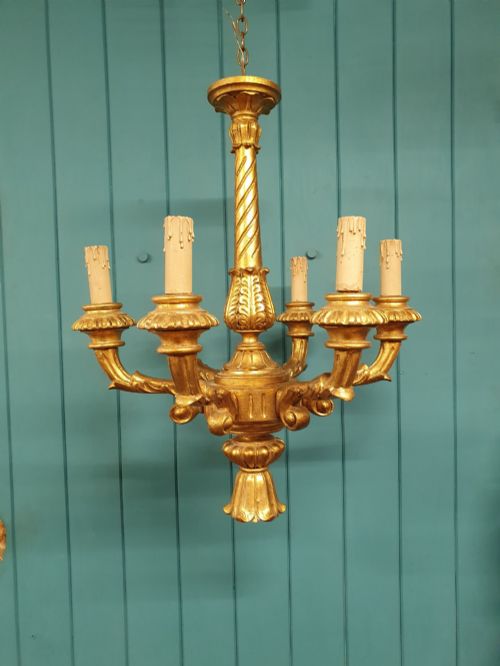
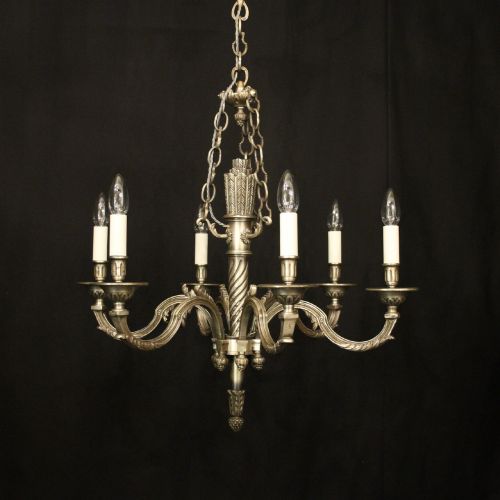
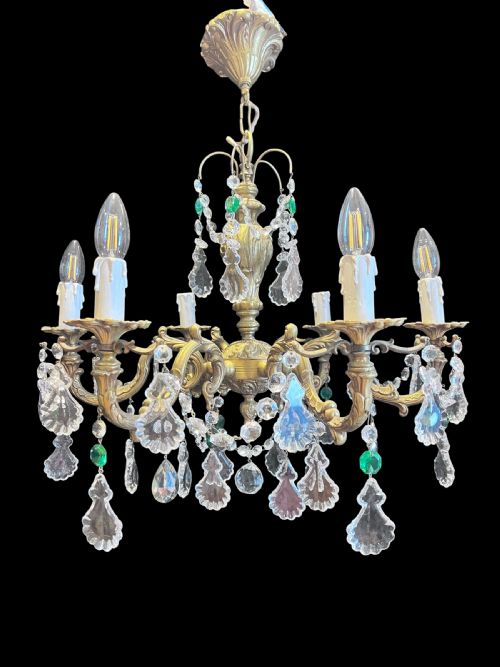
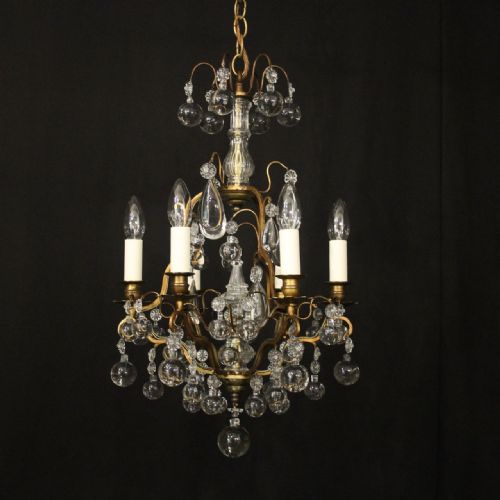
Brass Six Light Chandelier
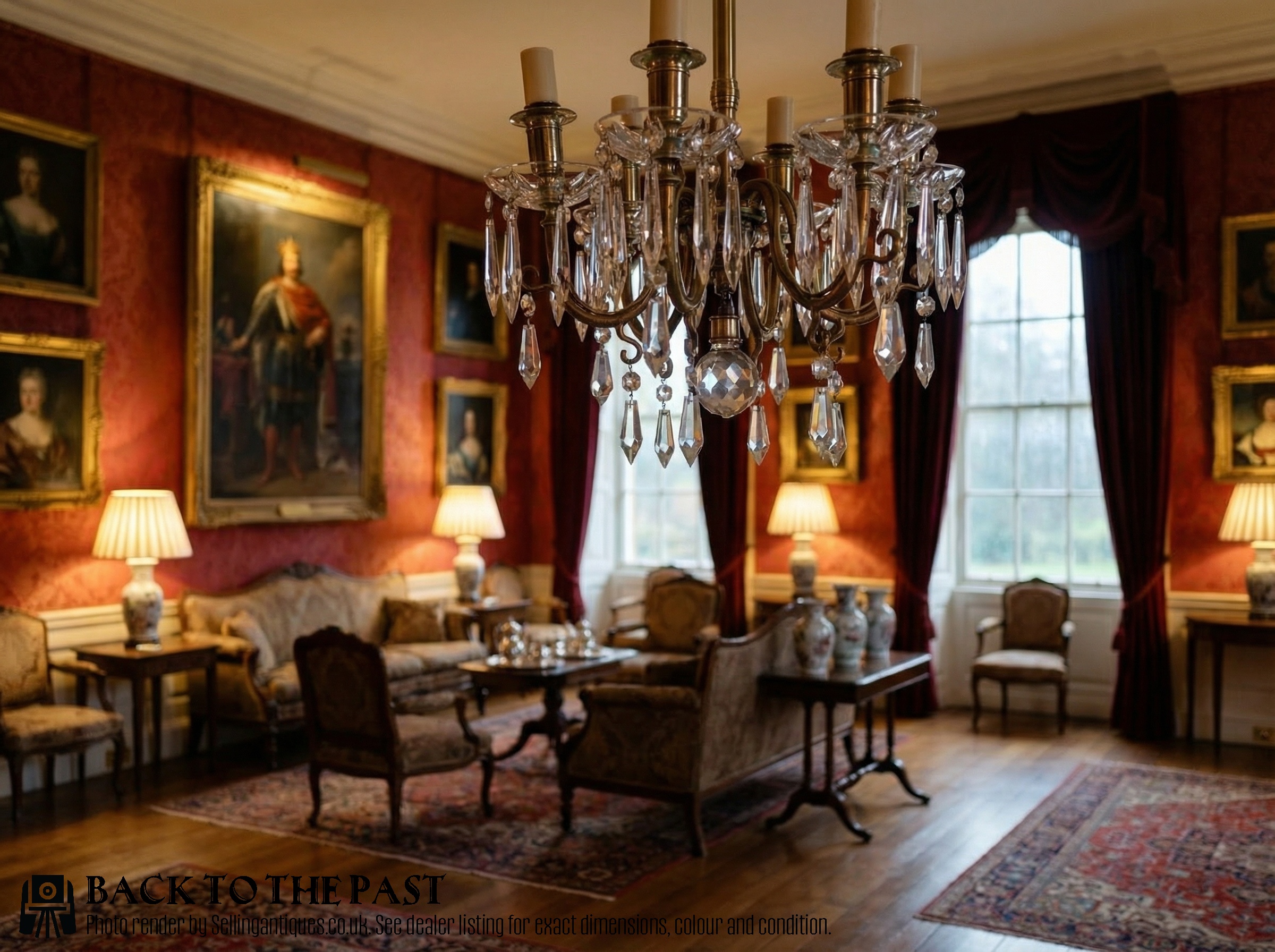
A brass six light chandelier brings warmth and presence to a room, offering functional illumination dressed in period metalwork.
What these chandeliers are
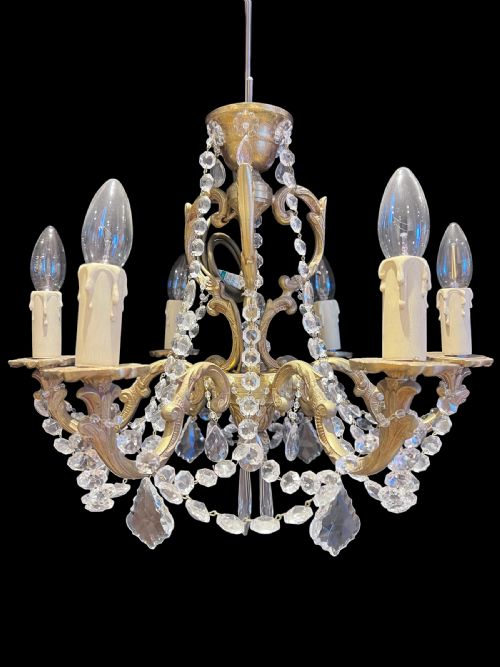
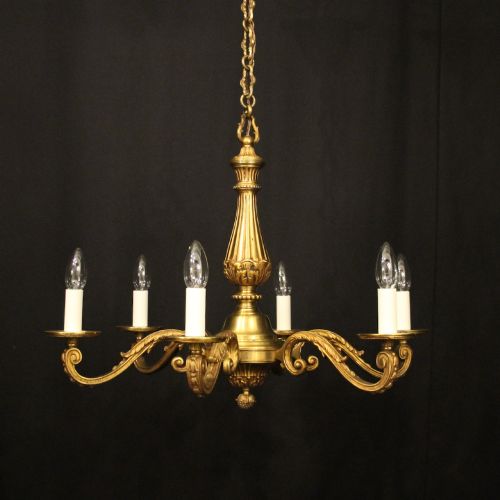
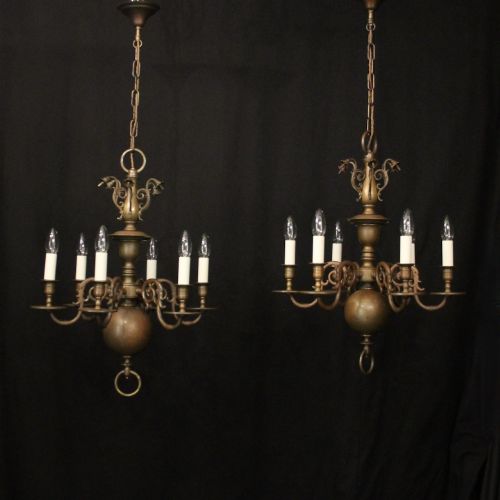
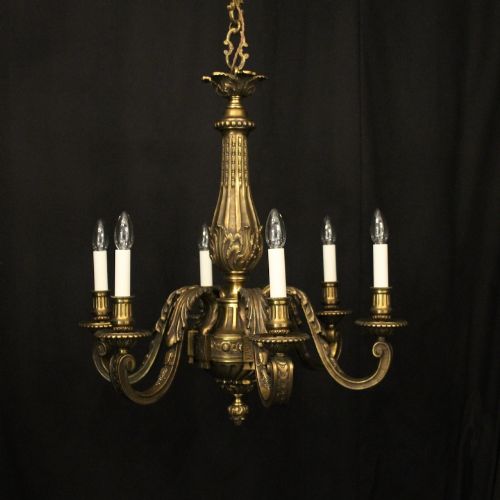
A brass six light chandelier stands as a prominent ceiling fixture, distributing light across six distinct arms. These pieces span from the nineteenth century through the nineteen-thirties, reflecting diverse regional tastes.
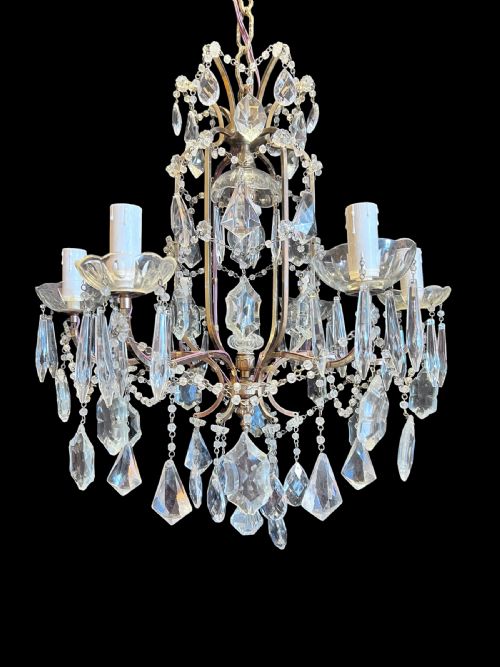
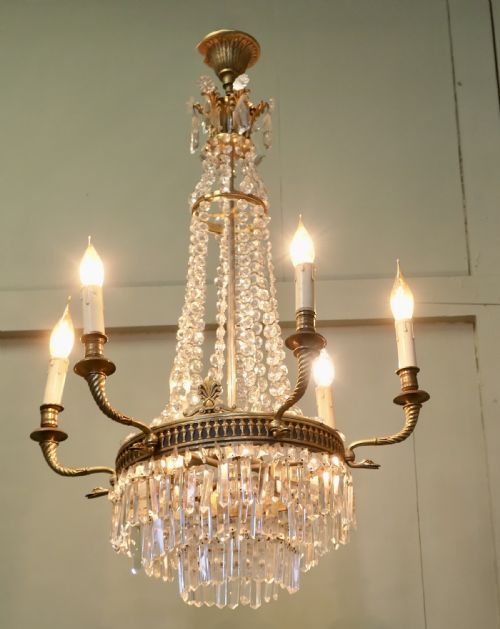
Origin points stretch across France, England, Italy, and the Netherlands, offering distinct cultural interpretations of the multi-armed ceiling light. Each brass six light chandelier employs metal construction, occasionally paired with crystal, glass, or fabric elements.
How they were made
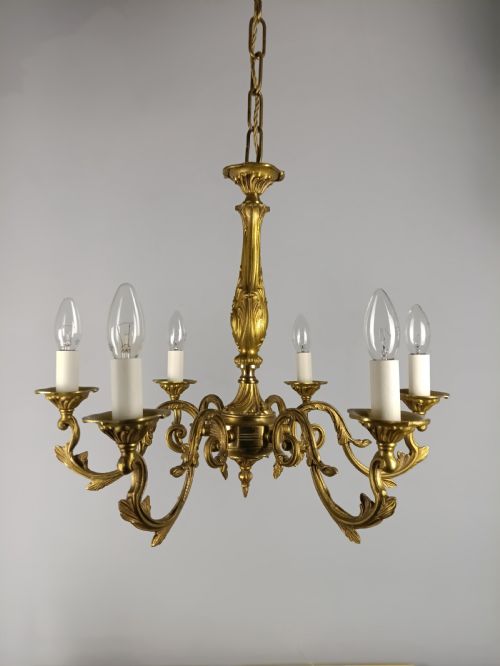
Craftsmen utilised brass, gilt bronze, and gilded brass as primary structural materials, shaping metal through casting and hand-finishing techniques. Surfaces often display rich patination or careful gilding that enhances the decorative detail.
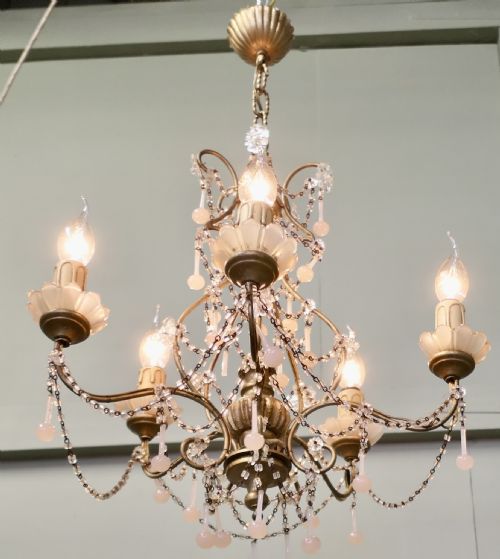
Many examples incorporate delicate glass or crystal components alongside fabric elements to soften and diffuse the illumination from the six arms. Construction methods range from heavy structural casting in nineteenth-century workshops to lighter twentieth-century framing.
Retail Price Guide 2026
Typical UK retail prices for brass six light chandelier, calculated from the Sellingantiques database of over a million retail prices indexed since 2003. This retail price guide relies exclusively on Sellingantiques data; no external sources or auction records are used, so the figures do not describe the wider market.
The inventory spans the nineteenth century through the nineteen-thirties, covering French, English, Italian, and Dutch origins.
What varies in quality
The distinction between standard production and exceptional work lies in the depth of chasing upon the bronze or brass surface and the fluidity of the arm curvature. Superior examples display crisp casting details that retain sharp definition along the mounts and drip pans.
Proportion and structural balance dictate the visual success of the piece, where heavier casting provides an enduring sense of substance. The integration of auxiliary materials like crystal drops separates ordinary fixtures from ambitious decorative statements.
G.E.C
The Brass Six Light Chandelier Glossary
- Gilt bronze
- Metal coated with a thin layer of gold, providing a rich and lasting surface finish. This technique appears frequently on French neoclassical and empire pieces.
- Chasing
- The art of refining metal surfaces by hand with punches and hammers after casting. Fine chasing creates depth and sharp detail in decorative motifs.
- Baroque revival
- A nineteenth-century style drawing heavily on seventeenth-century exuberance, featuring bold curves and dramatic presence. Dutch examples in this taste are particularly robust.
- Art nouveau
- A late nineteenth-century movement prioritising organic, fluid lines inspired by natural forms. Chandeliers in this style display asymmetrical plant-like grace.
- Drip pan
- A small saucer-shaped element positioned beneath each light point to catch wax in earlier eras. On later electrical fixtures, it remains as a traditional decorative detail.
Frequently Asked Questions
How do I hang a brass six light chandelier?
Suspension requires a secure ceiling anchor capable of supporting the substantial weight of cast metal and any crystal components. Professional electrical installation ensures the internal wiring safely handles six distinct light points.
Ceiling height dictates the drop length, allowing the fixture to clear walking paths while remaining visually anchored to the room below.
How do I clean a brass chandelier?
Dusting with a soft, dry cloth preserves the historic surface without disturbing the natural patination built up over decades. Harsh chemical polishes should be avoided to protect original gilding and aged metal finishes.
Crystal or glass drops may be removed gently and washed in warm soapy water before drying thoroughly and reattaching.
Are these fixtures converted for electricity?
Many surviving period fixtures have been adapted for modern electrical supply while retaining their historic exterior appearance. Rewiring allows these decorative centrepieces to function safely in contemporary homes.
Buyers should inspect the internal wiring standards of each piece upon arrival to confirm compatibility with current domestic electrical systems.
How do I date a brass chandelier?
Dating relies on examining the casting techniques, fastening methods, and stylistic cues characteristic of specific periods like the nineteenth century or the nineteen-thirties. Heavy cast brass often points to earlier production, while lighter frames frequently align with twentieth-century manufacturing.
Comparing the decorative vocabulary, such as Art Nouveau curves or Dutch revival forms, provides further chronological context.